
गुरुर्ब्रह्मा गुरुर्विष्णुः गुरुर्देवो महेश्वरः। गुरुः साक्षात् परब्रह्म तस्मै श्री गुरवे नमः॥
Guru Brahma
gurur brahmā gurur viṣṇuḥ gurur devo maheśvaraḥ | guruḥ sākṣāt paraṁ brahma tasmai śrī gurave namaḥ ||
Listen & Chant Along
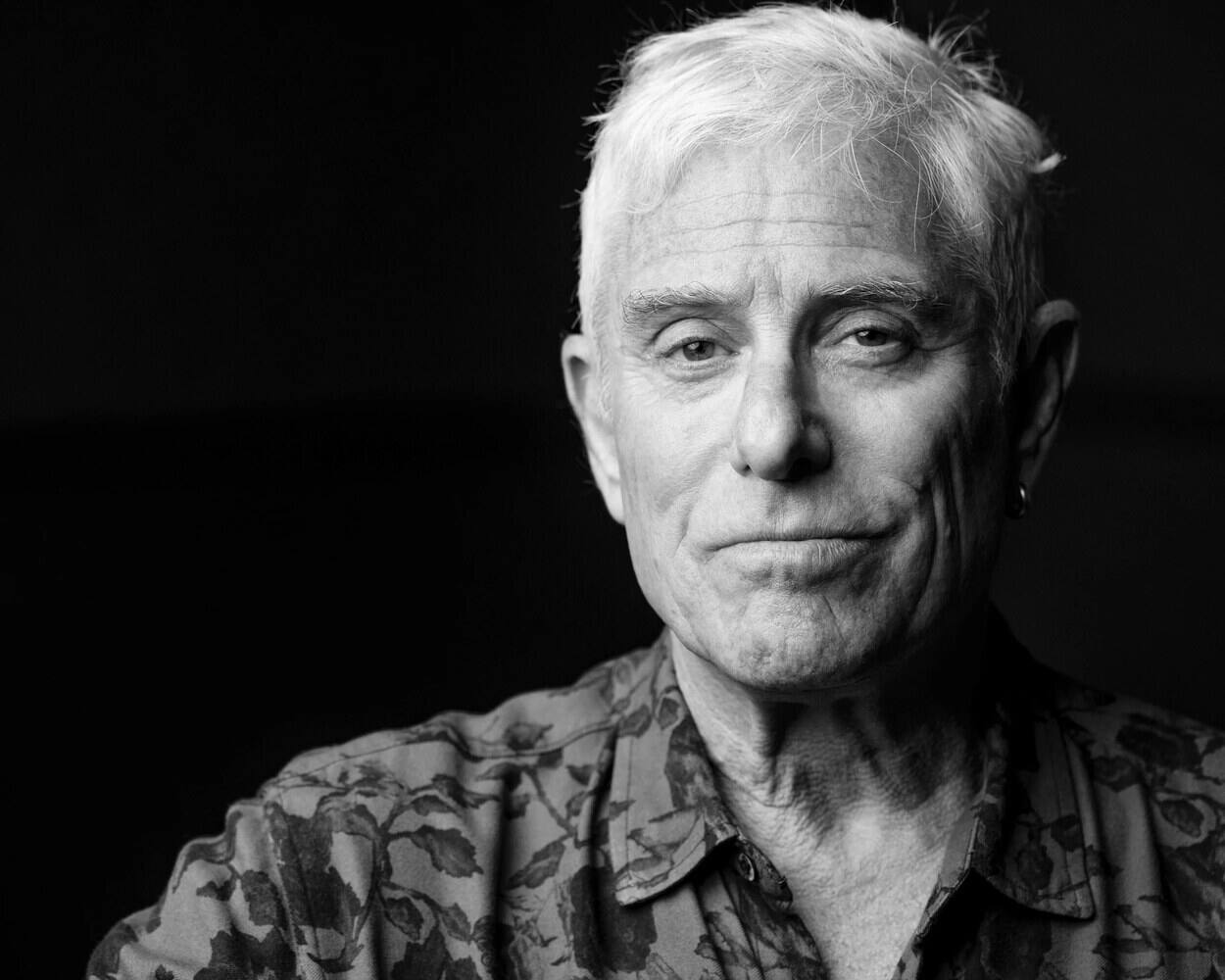
Listen & chant along — performed by Jai Uttal
"The Guru Stotram — honoring the spiritual teacher as Brahma, Vishnu, and Shiva, and as the Supreme Reality itself."
Meaning & Translation
Sanskrit
गुरुर्ब्रह्मा गुरुर्विष्णुः गुरुर्देवो महेश्वरः। गुरुः साक्षात् परब्रह्म तस्मै श्री गुरवे नमः॥
Transliteration
gurur brahmā gurur viṣṇuḥ gurur devo maheśvaraḥ | guruḥ sākṣāt paraṁ brahma tasmai śrī gurave namaḥ ||
Pronunciation
GU-roor BRAH-mah, GU-roor VISH-nuhu, GU-roor DAY-vo mah-HESH-wah-rah
Full Translation
One of the most widely chanted verses in honor of the teacher. It declares that the Guru embodies the three great functions of the Divine — creation (Brahma), sustenance (Vishnu), and transformation (Shiva, here named Maheshvara) — and is none other than the Supreme Brahman made visible. The verse closes by bowing: "to that revered Guru, I offer my salutations." Jai Uttal brings the ancient shloka into a warm, melodic kirtan.
Spiritual Significance
In the Indian spiritual traditions the Guru is revered as the one who dispels darkness (gu = darkness, ru = remover) and reveals the light of true knowledge. This shloka expresses complete gratitude and surrender to the teacher as the living doorway to the Absolute.
Cultural Context & History
Drawn from the Guru Gita / Guru Stotram tradition, it is sung at the start of classes, satsangs, and spiritual practice across virtually every school of Hindu thought.
Terms in the Glossary
Words from this page, explained in our A–Z reference.