
Resources
Everything you need to understand, deepen, and practice Kirtan & Bhakti — in one place.
New to Kirtan?
Begin with the essentials — what Kirtan is, and the words you'll hear along the way.
What Is Kirtan?
A gentle introduction to call-and-response devotional chanting — its roots, its feeling, and why it resonates with the West.
Read the introGlossary
An A–Z reference of Kirtan & Bhakti terms — bhakti, sankirtan, japa, mridanga and more — each cross-linked to related mantras.
Articles & Teachings
Essays and guides to deepen your understanding — organized by theme.
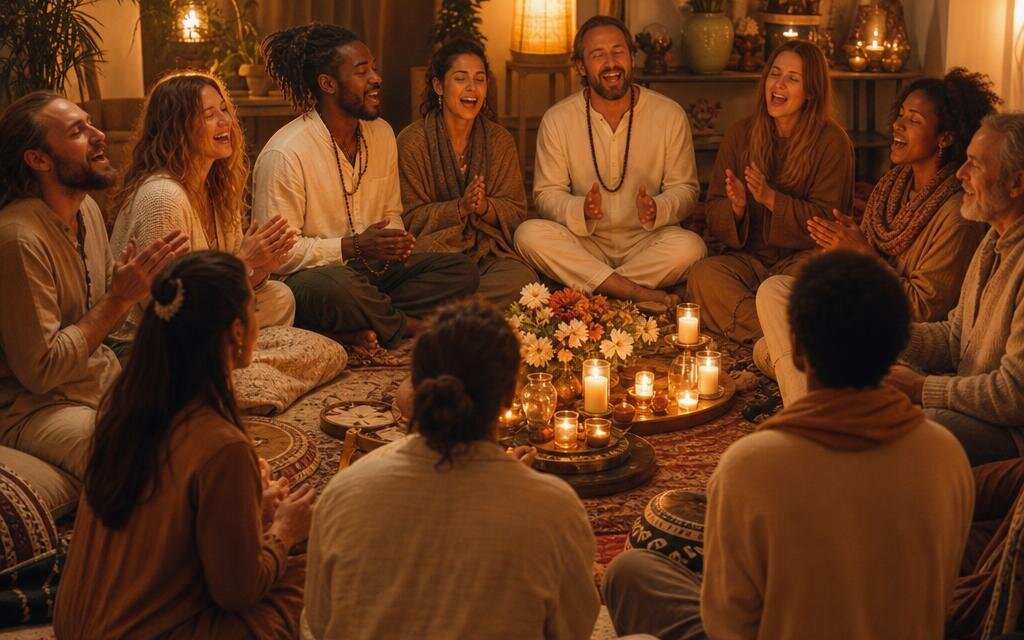
The Science of Singing Together: Why Group Chanting Bonds a Room
Strangers walk into a kirtan; an hour later the room feels like family. Research on choirs, synchrony, and social bonding explains why singing together is one of the fastest connection technologies humans have ever found — and why kirtan is built to maximize it.
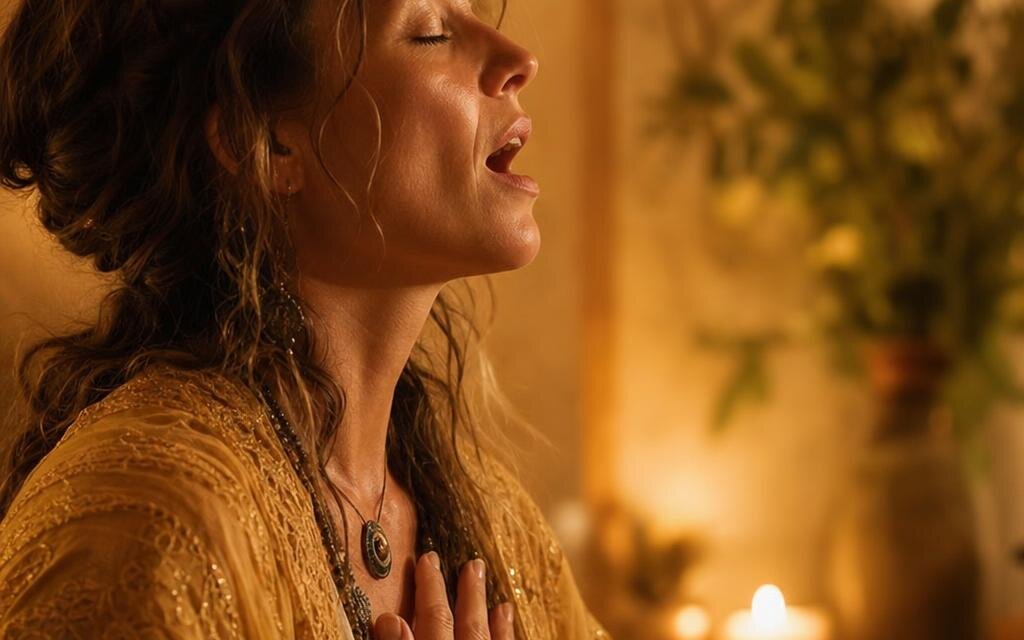
Why Chanting Calms You: The Vagus Nerve and the Long Exhale
That deep settling you feel after a few minutes of chanting is not your imagination — it is your physiology. A tour of the vagus nerve, the science of the long exhale, and why singing a mantra may soothe the nervous system faster than sitting in silence.

Kirtan Kriya: The 12-Minute Practice Scientists Keep Studying
A simple chanted meditation from the Kundalini tradition has quietly become one of the most-studied contemplative practices in the world — with published research on memory, stress, and healthy aging. Here is what Kirtan Kriya is, what the studies actually found, and how to try it.
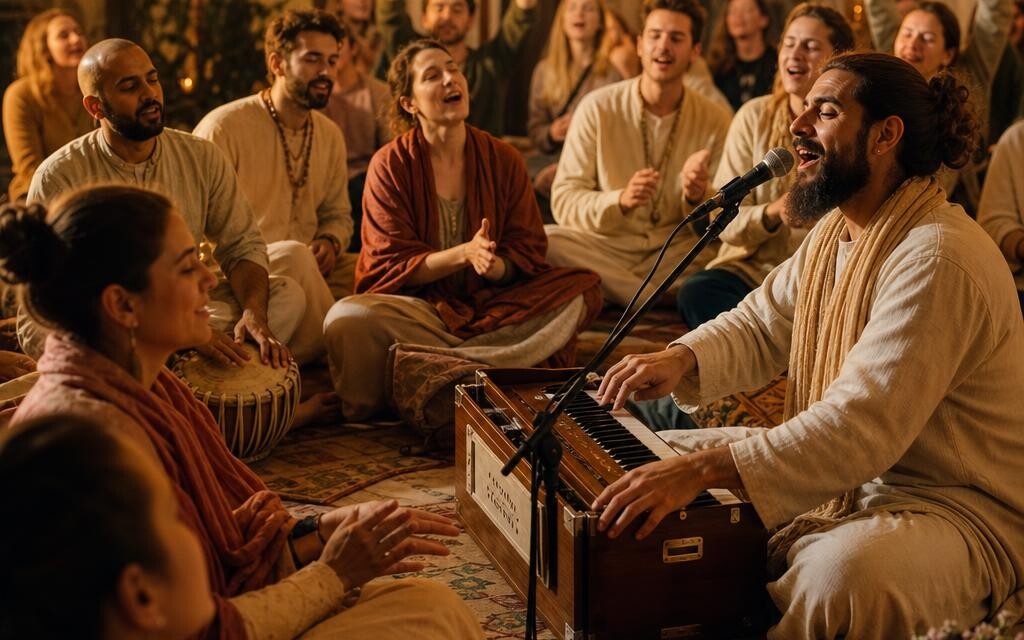
Building a Kirtan Session Arc
A kirtan session is one long breath: slow invocation, gradual build, a single true peak, and a soft landing. How to order your chants, move between keys without jolting the room, and sketch the whole arc in the setlist builder.
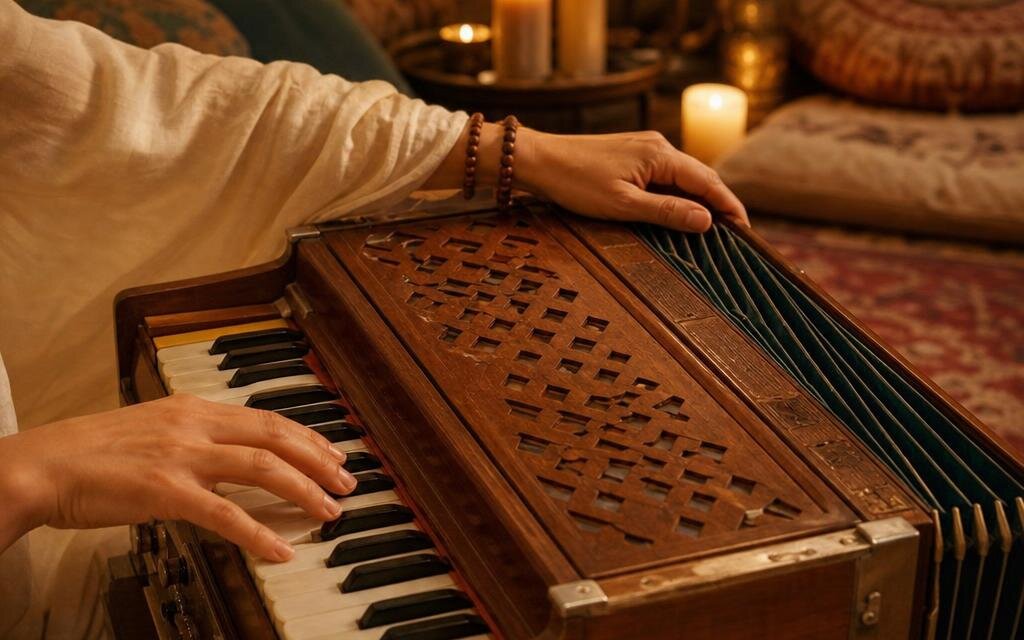
Harmonium Basics for Kirtan
The harmonium asks very little of a beginner: one hand pumps, the other plays, and a drone stop does half the work for you. This guide covers sitting down at the instrument for the first time — bellows, drone, simple right-hand voicings, and how to sing while you play.

Kirtan on Guitar
You do not need a harmonium to lead a chant. With a handful of open chords, a capo, and a soft right hand, the guitar is a beautiful kirtan instrument — portable, familiar, and gentle under a singing room. Here is how to adapt what you already know.
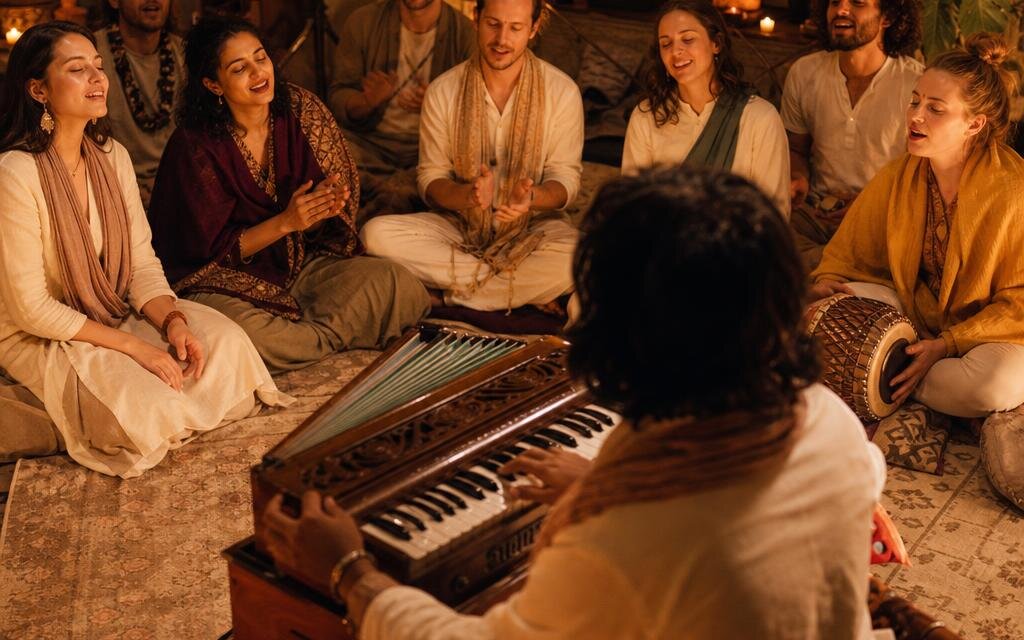
How to Lead Kirtan: Structure, Harmonium Basics, and Building a Set
A practical guide for anyone stepping into the leader's seat: how call-and-response actually works, what to do with your hands on the harmonium, and how to build a set that carries a room.
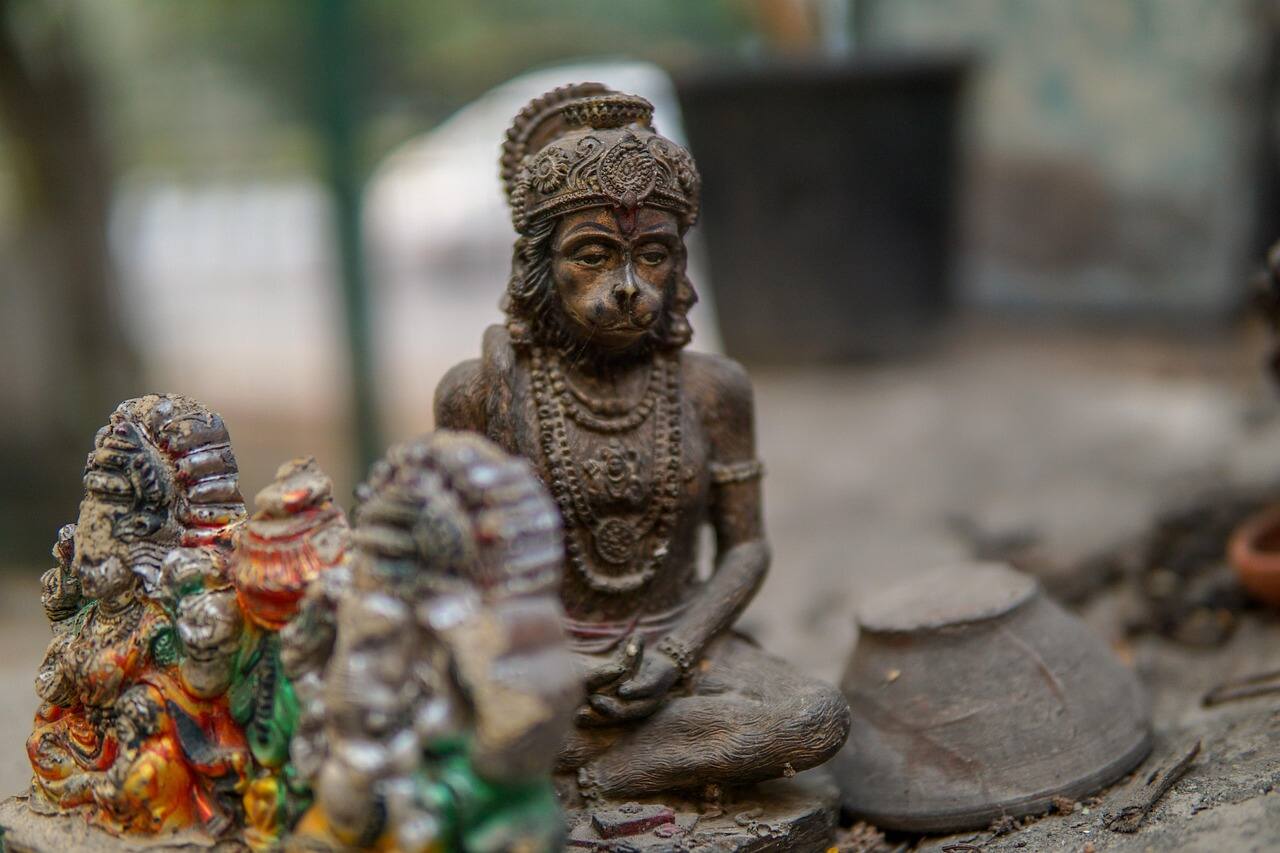
The Story Scriptures Behind Kirtan: Epics, Puranas, and the Names We Sing
Ram, Sita, Hanuman, Krishna — the names sung at almost every kirtan come from stories. Part 2 of our guide to the sacred texts maps the story canon: the two great epics and the Puranas, and how their heroes became the heart of the chant.
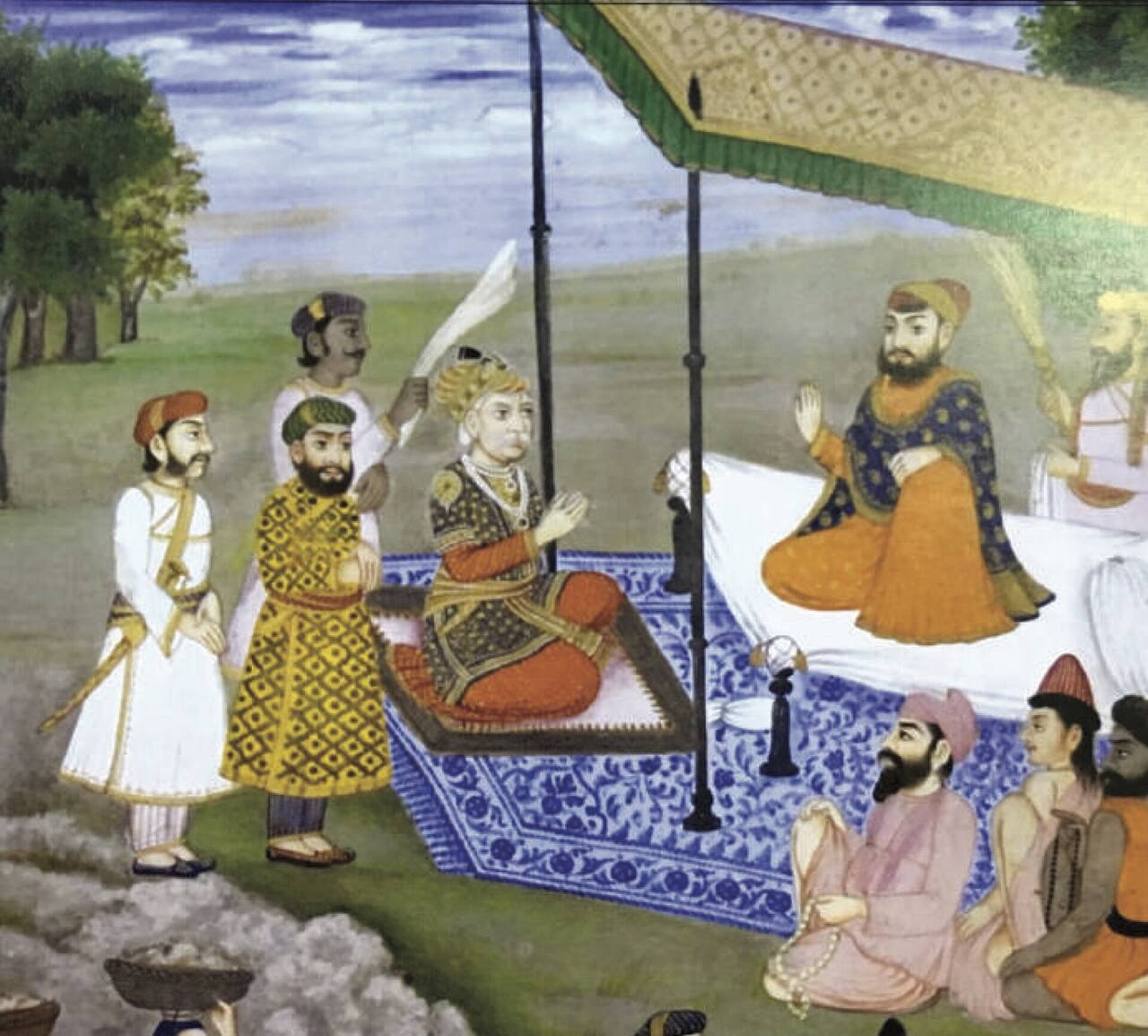
Guru Amar Das and the Song of Bliss
Converted at sixty-two by an overheard hymn, the third Sikh Guru made the free kitchen the tradition's front door — even an emperor sat on the floor to eat — and composed the Anand Sahib, the Song of Bliss that still closes every Sikh service in the world.
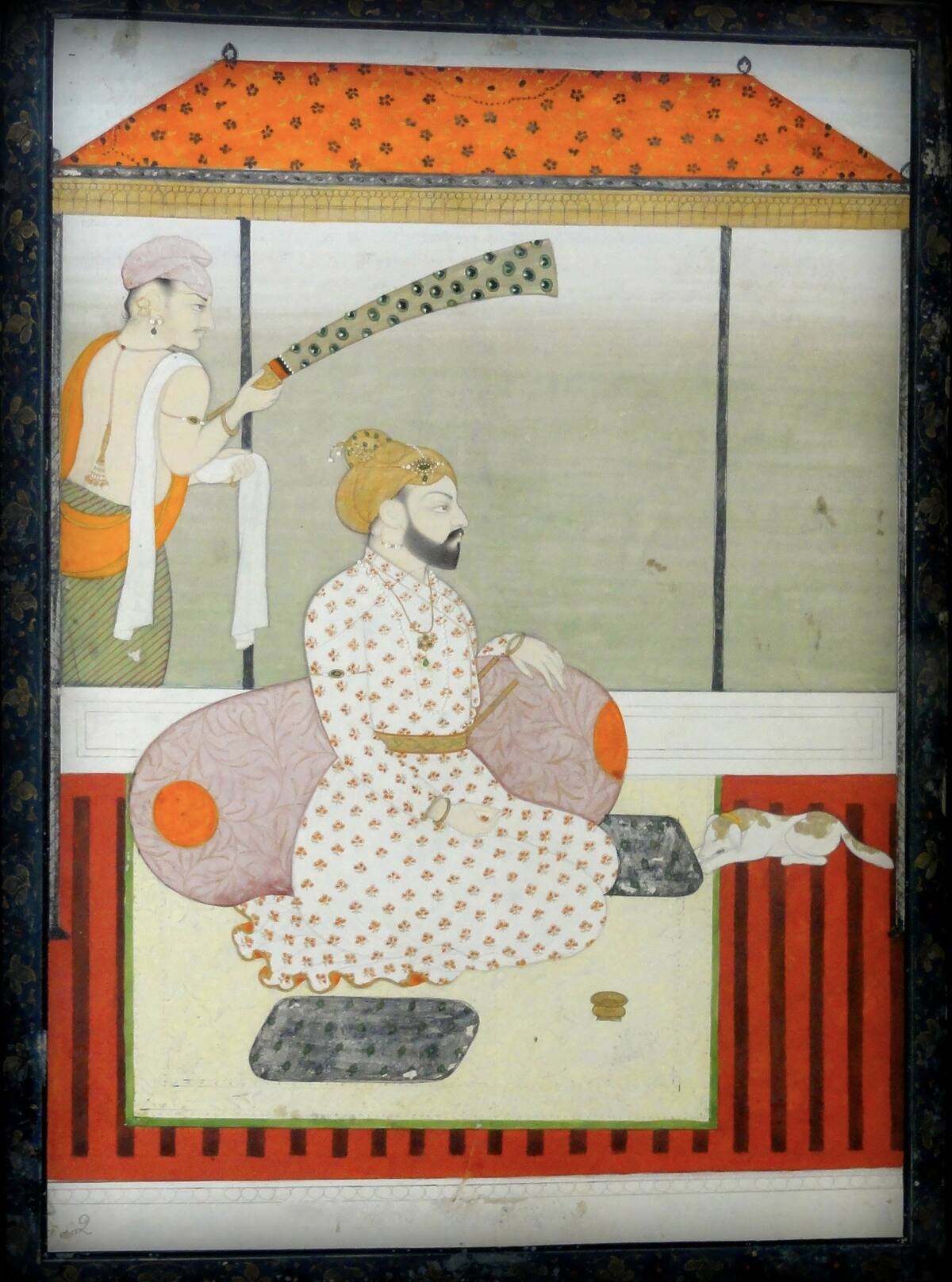
Guru Angad and the Alphabet Built for Song
The second Sikh Guru gave sacred song a script of its own. By standardizing Gurmukhi and collecting Guru Nanak's hymns in it, Guru Angad made sure the melodies would never lose their words — every Gurmukhi chant sung in the West today is written in his letters.
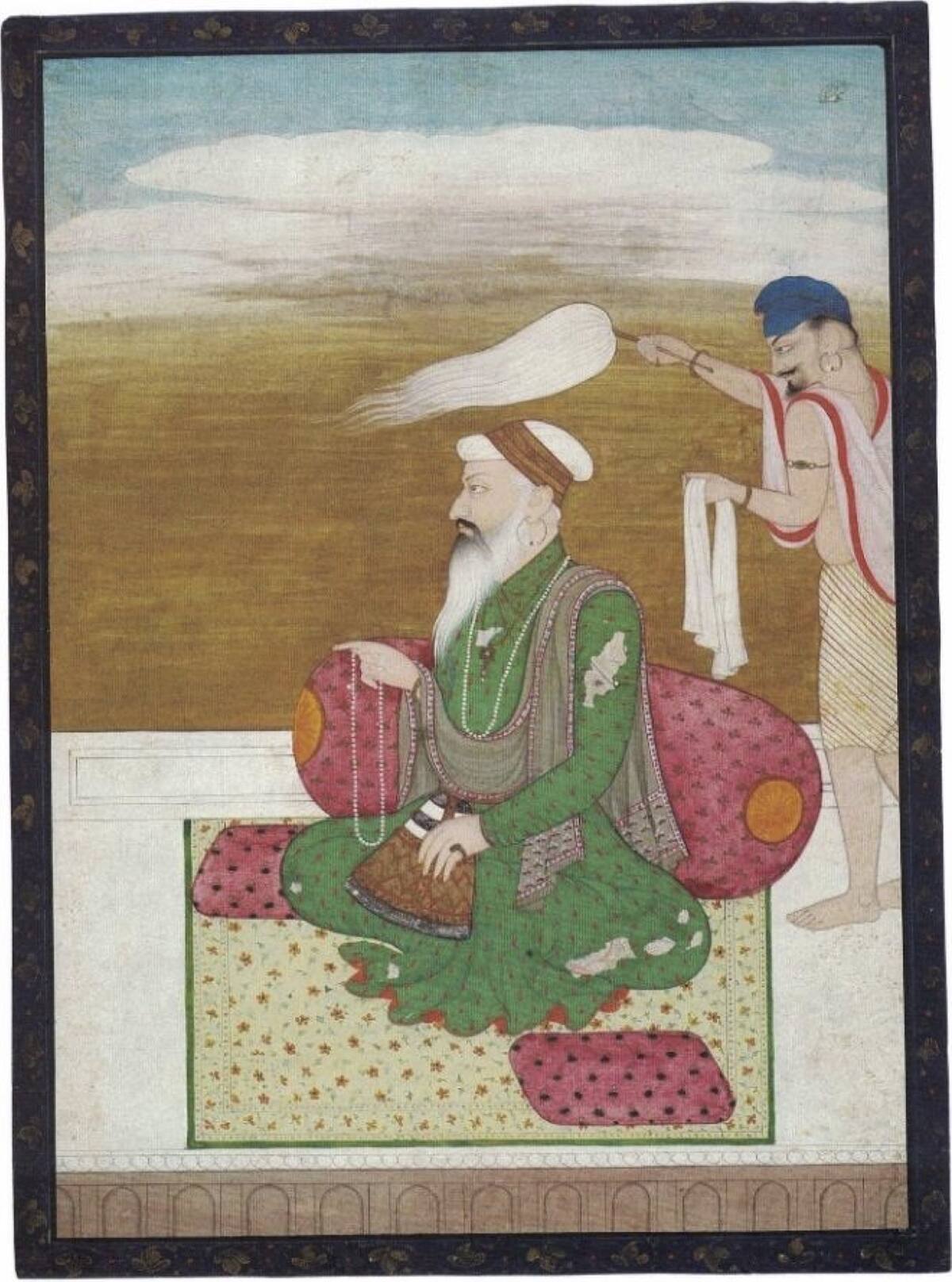
Guru Ram Das and the City of Nectar
An orphan who sold boiled chickpeas became the fourth Sikh Guru, founded Amritsar around a pool of nectar, and wrote the wedding hymns Sikh couples still circle to. Four centuries later, a chant bearing his name is sung in yoga studios around the world.
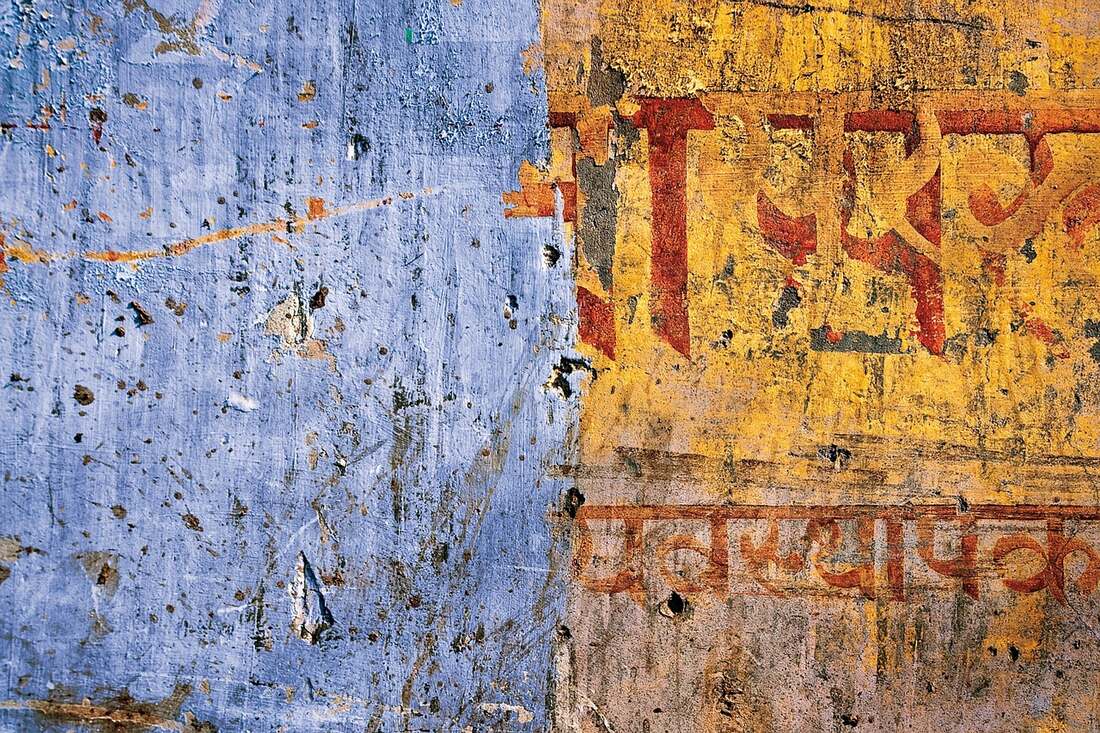
The Sacred Texts Behind Kirtan
Read about almost any mantra and you'll meet the same names: the Vedas, the Upanishads, the Bhagavad Gita. What are these texts, and why do chanters keep encountering them? A beginner's map to the scriptures behind the songs.
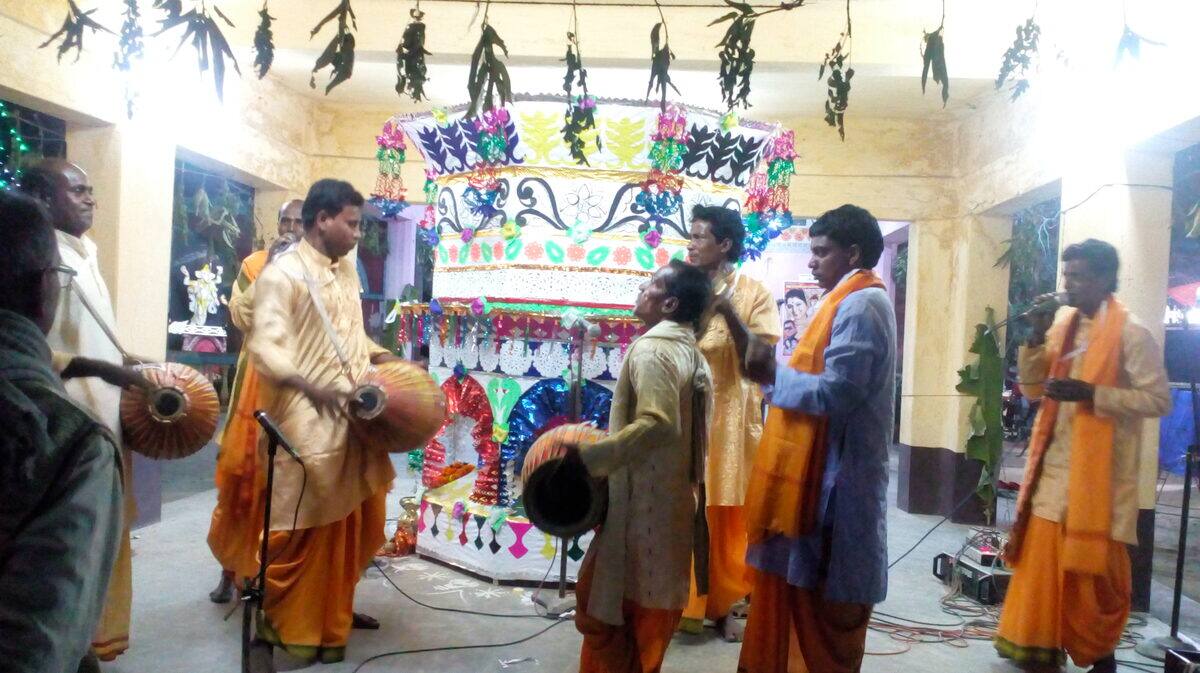
Regional Traditions of Kirtan: One Practice, Many Living Streams
The Kirtan you hear in a Western yoga studio is one branch of a much older tree. Four great regional streams — North Indian Bhakti, South Indian Carnatic song, Bengali Gaudiya Vaishnava sankirtan, and Sikh Gurbani Kirtan — each shaped the practice in its own way, and each is still very much alive.
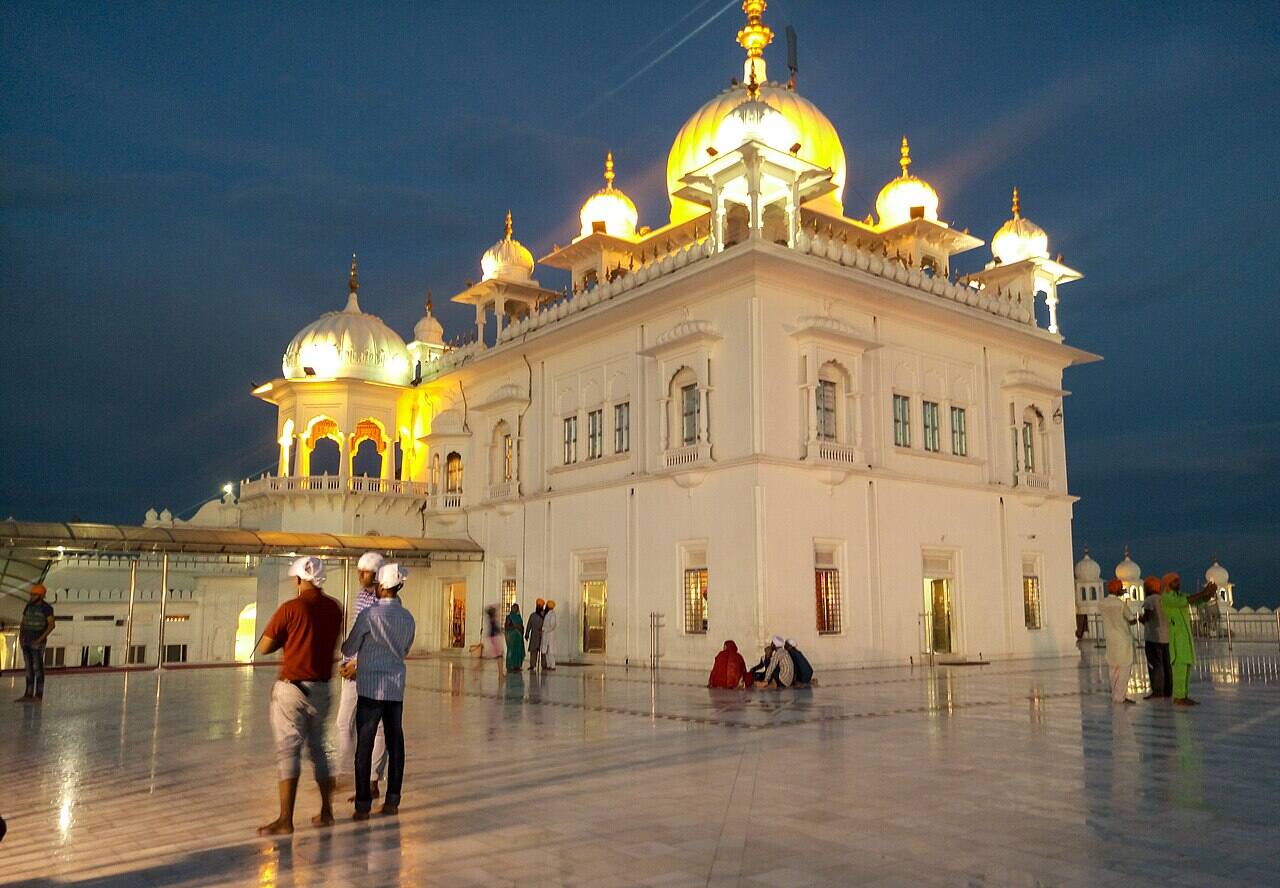
Guru Gobind Singh and the Song That Became the Guru
The tenth Sikh Guru founded the Khalsa, completed the Guru Granth Sahib with his martyred father's hymns — and none of his own — and then enthroned the book of songs as the eternal Guru. Kirtan has been the center of Sikh worship ever since.
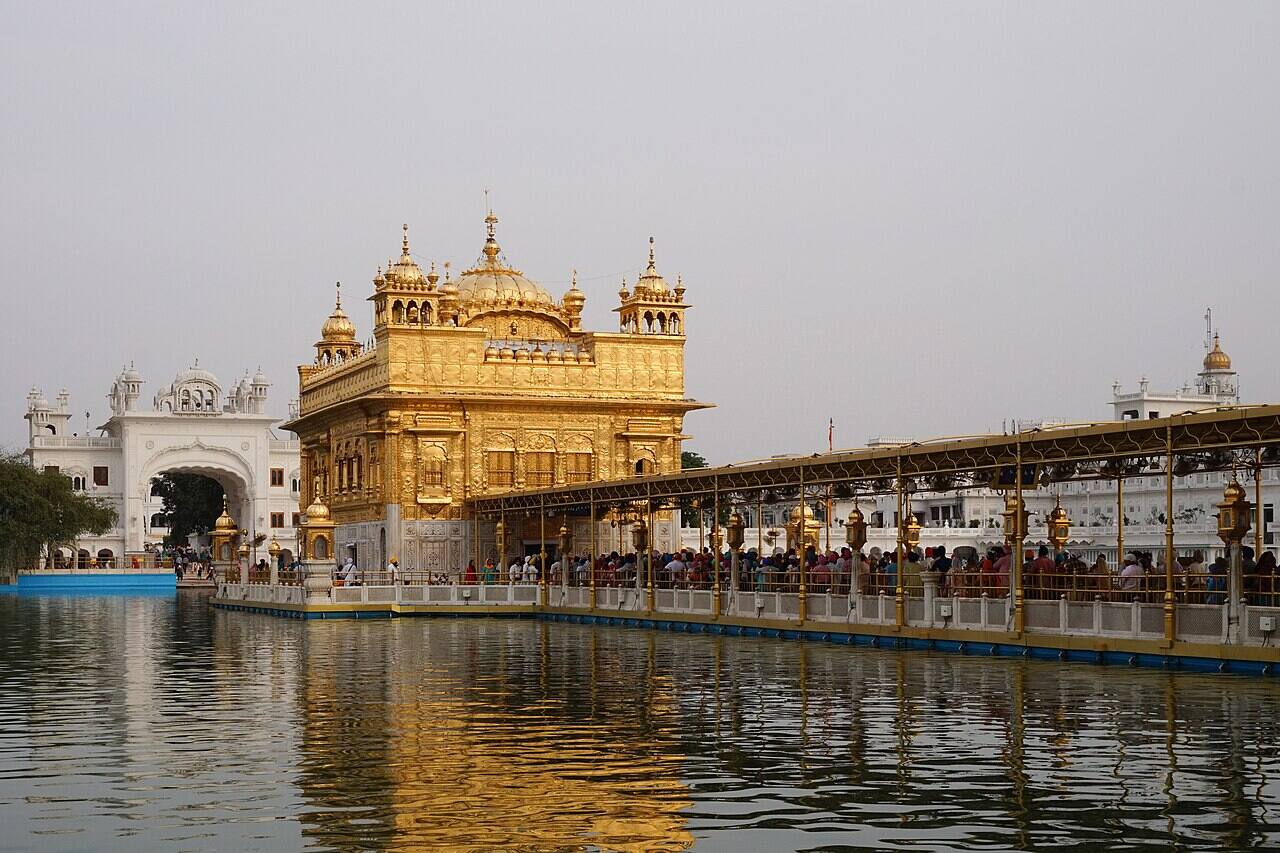
Guru Arjan and the Scripture Built of Song
The fifth Sikh Guru compiled the Adi Granth — a scripture organized by raga, open to saints of every caste and faith — built the Golden Temple to house it, and became the tradition's first martyr. Every Gurmukhi chant sung in the West today stands on his work.
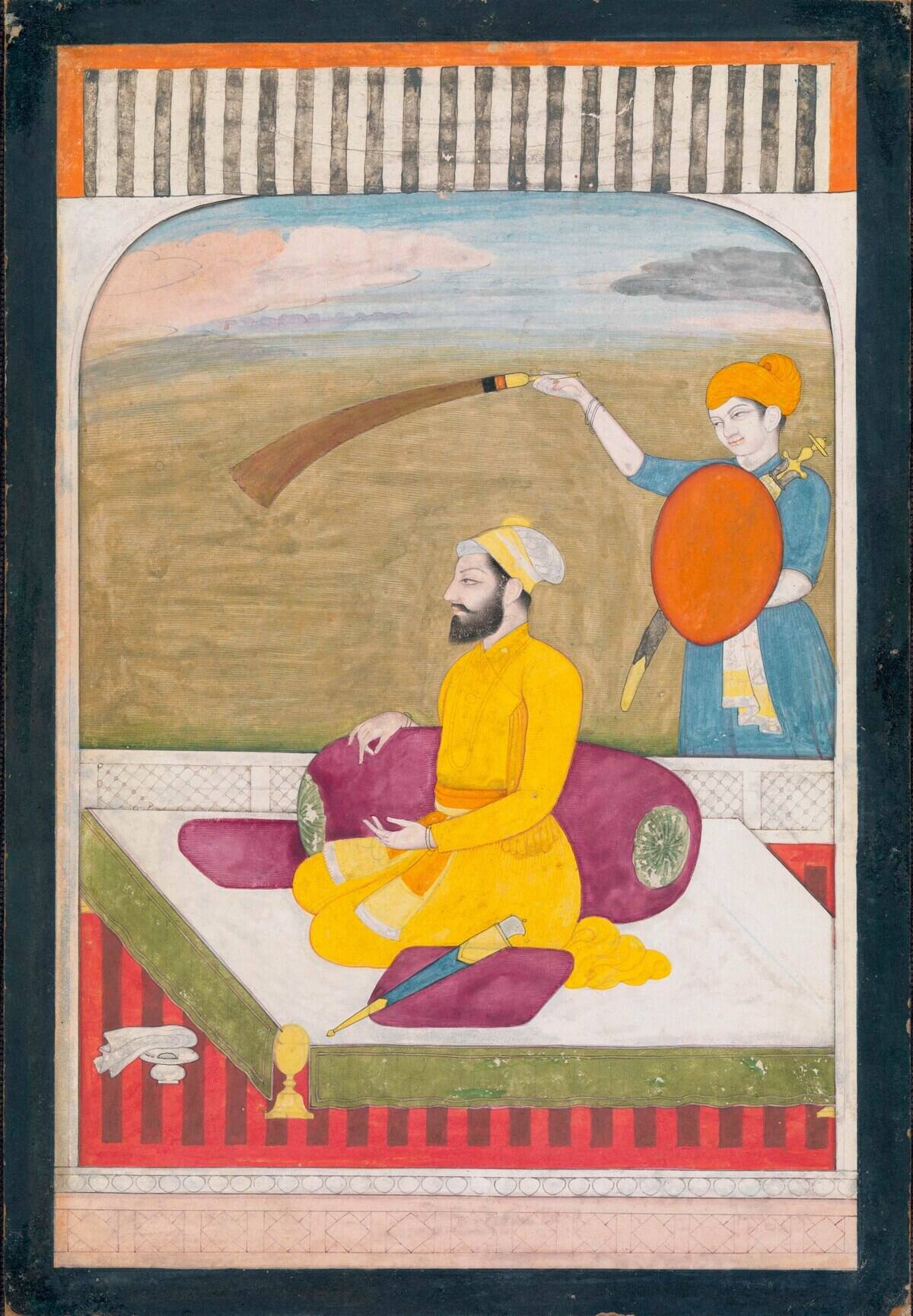
Guru Tegh Bahadur and the Song That Would Not Be Silenced
The ninth Sikh Guru was a quiet poet-meditator who died defending another community's freedom to worship. His story ties together the whole arc of Sikh kirtan — from Guru Nanak's rabab to the Gurmukhi chants sung in Western halls today.
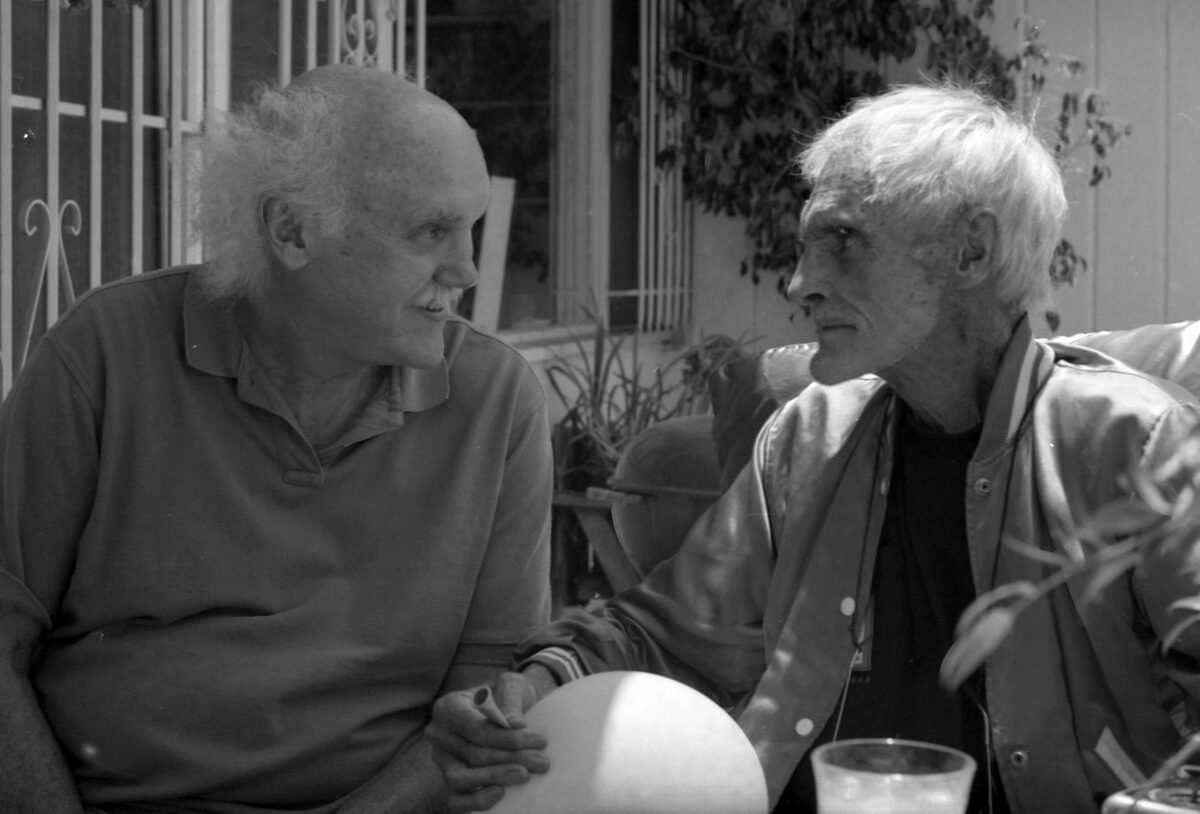
Ram Dass: Be Here Now and the Birth of Western Kirtan
Before Western kirtan had festivals or albums, it had a satsang — the community that gathered around a former Harvard professor who came back from India with a new name and one instruction: be here now.
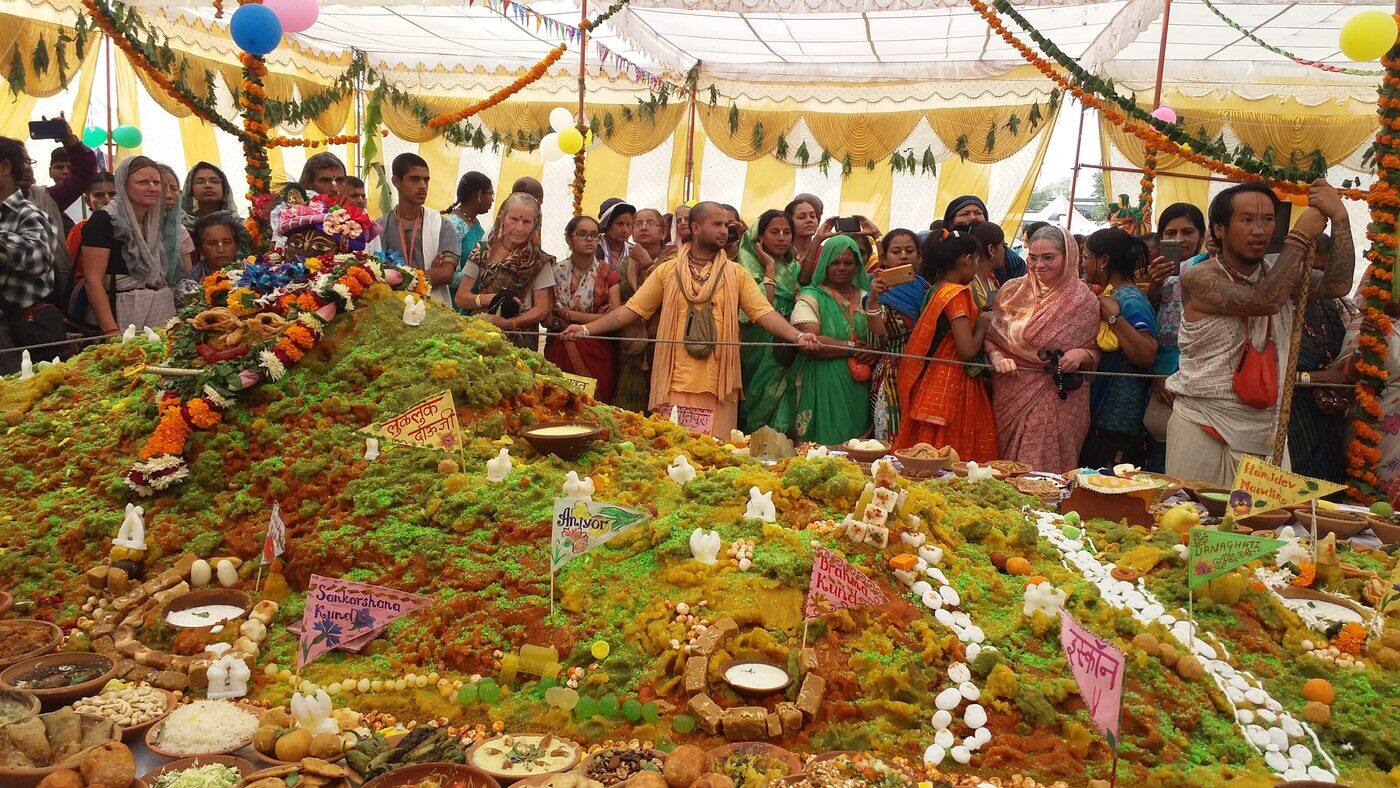
Shyamdas: The American Scholar Who Sang Krishna's Songs
Most Western seekers visited India. Shyamdas moved in — forty years inside the Pushtimarg lineage of Braj, translating its poetry of grace and singing its kirtans until the Western Bhakti world called him its elder.
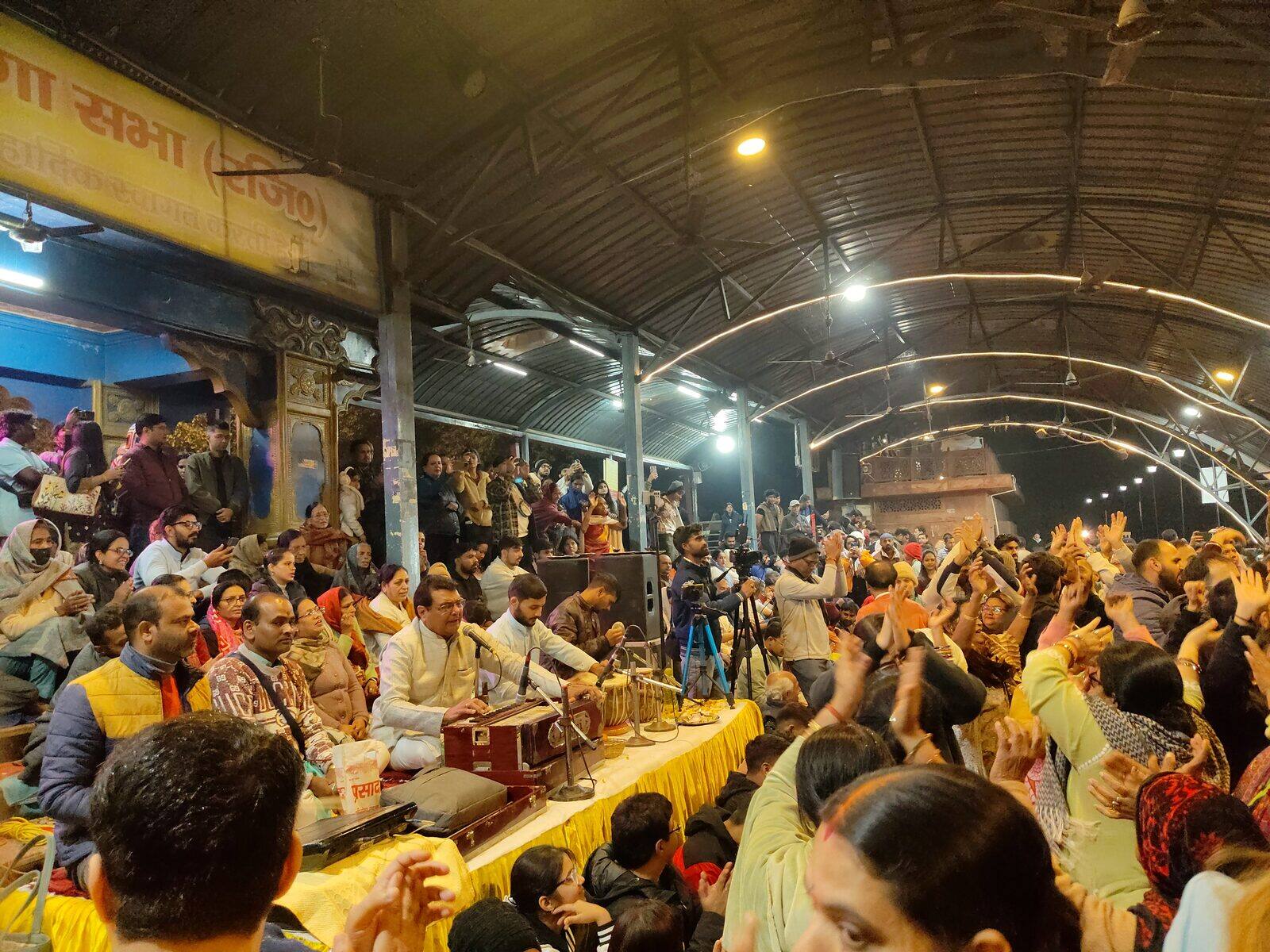
What Is a Bhajan? Inside India's Tradition of Devotional Song
Before there were kirtan halls, there were bhajans — intimate devotional songs poured out by poet-saints in the languages of the people. Here is the story of the bhajan: where it came from, how it works, how it differs from kirtan, and the voices that carried it from temple courtyards to the world stage.
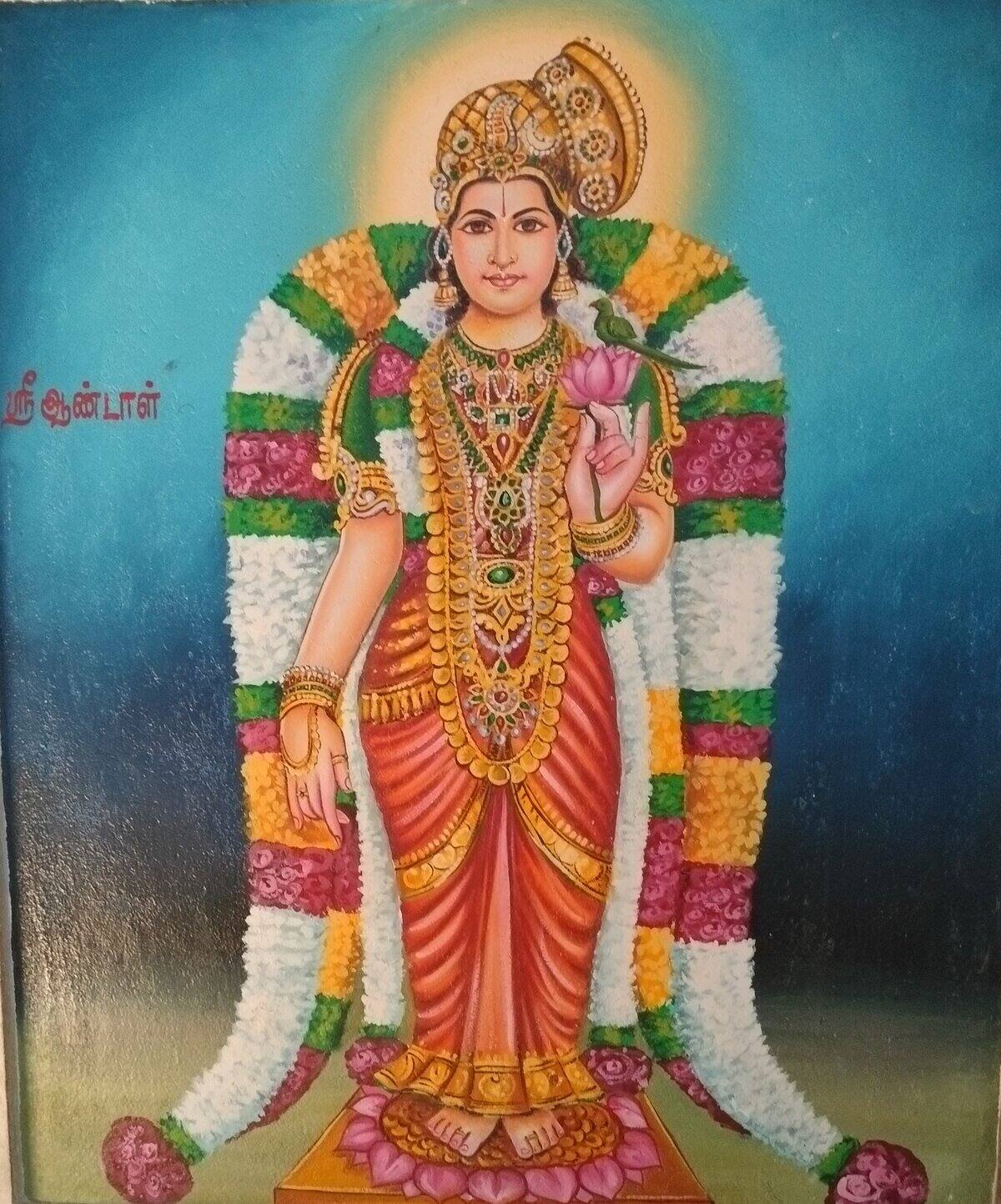
Andal: The Girl Who Wore the Garland First
Twelve centuries ago in a Tamil temple town, a girl secretly wore the flower garland woven for Vishnu before it reached the altar — and the god preferred it that way. Her thirty dawn-songs, the Tiruppavai, are still sung across South India every winter: one of the oldest devotional song-cycles on earth still in daily use.
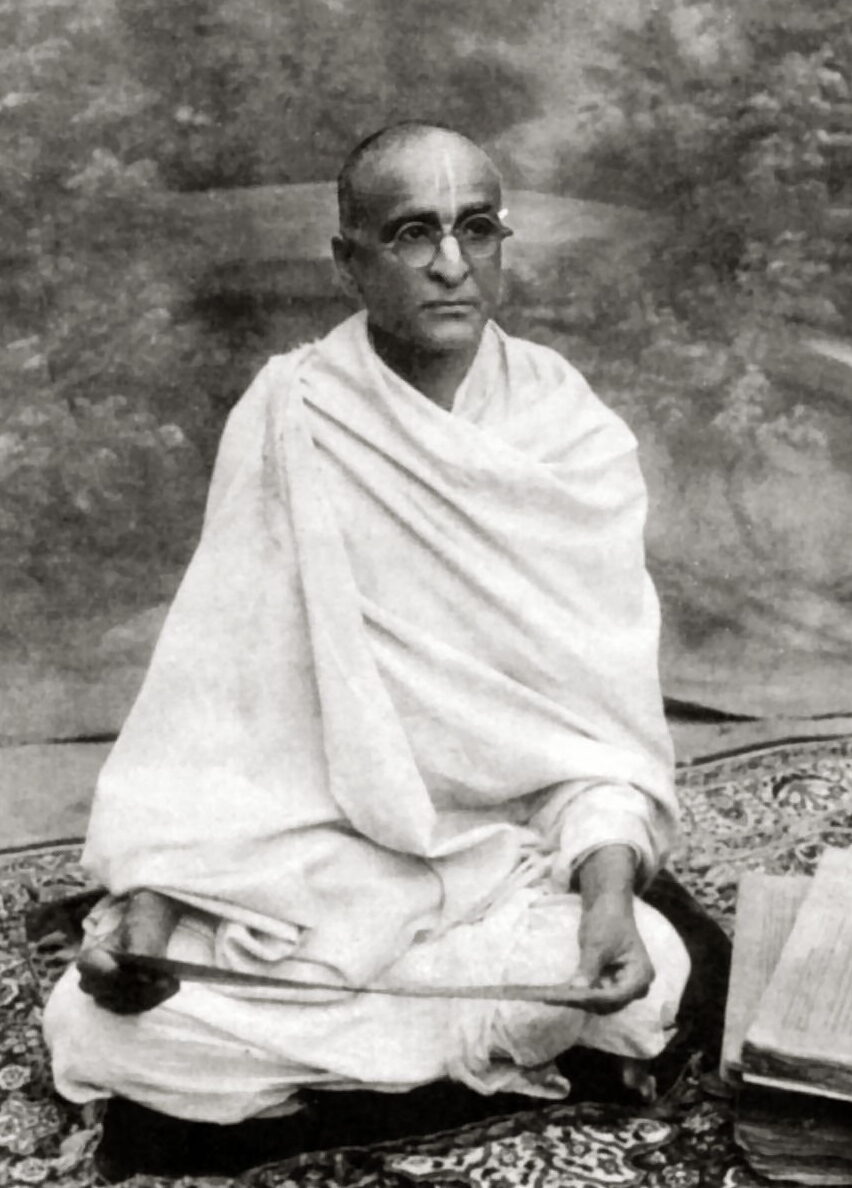
Bhaktisiddhanta Sarasvati: The Scholar-Monk Who Sent Kirtan West
He chanted a vow of a billion holy names, built sixty-four monasteries, and called the printing press "the great mridanga" — a drum that could be heard across oceans. And one afternoon in Calcutta in 1922, he told a young visitor to carry Chaitanya's chanting to the world in English.
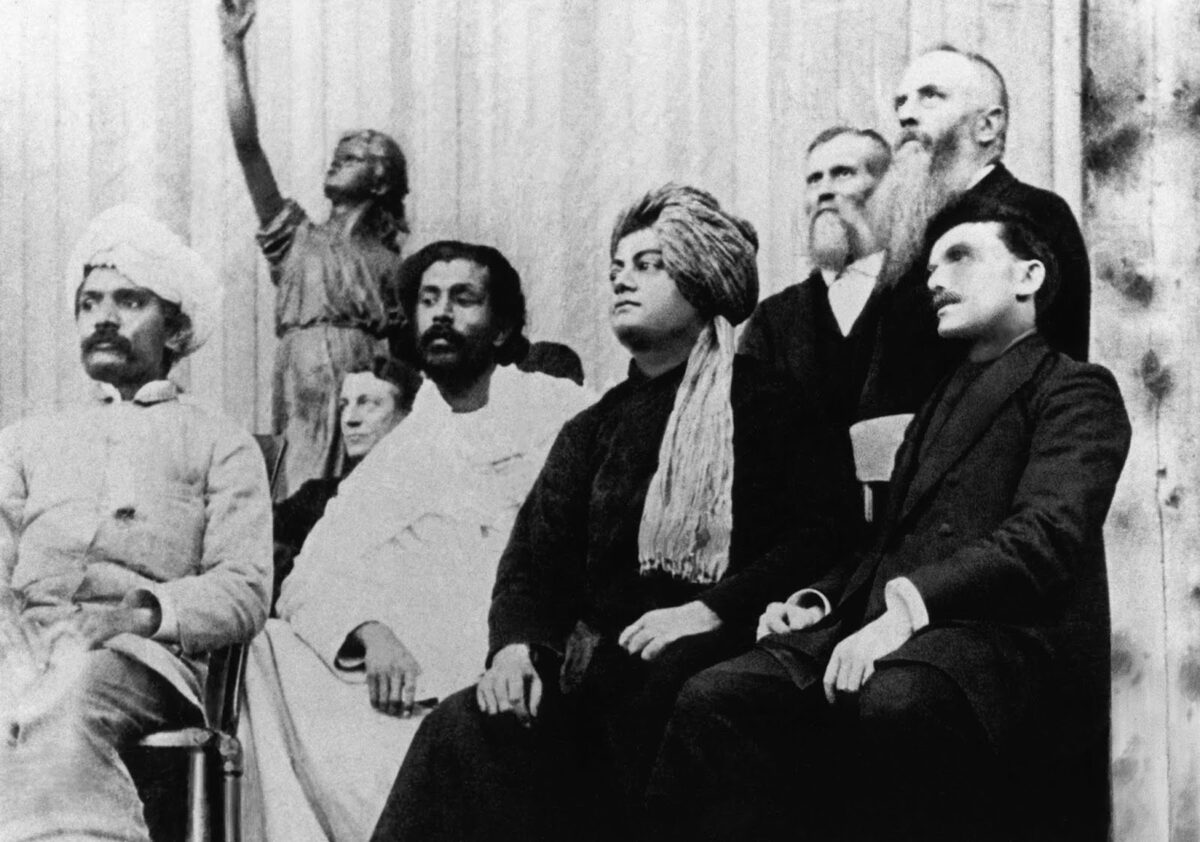
Swami Vivekananda and the Speech That Opened the West
On September 11, 1893, a young monk in an orange turban rose before a packed Chicago hall and began with five words — "Sisters and brothers of America." The ovation lasted minutes; the door he opened never closed. Every Indian teacher and every chant that later traveled West walked through it.

Guru Nanak and the Sikh Roots of Western Chant
Five and a half centuries before Gurmukhi chant reached Western yoga studios, Guru Nanak — the founder of Sikhi — taught almost entirely through song, with a Muslim rabab player at his side. The story of shabad kirtan is one of the oldest unbroken threads in the world of sacred chant.
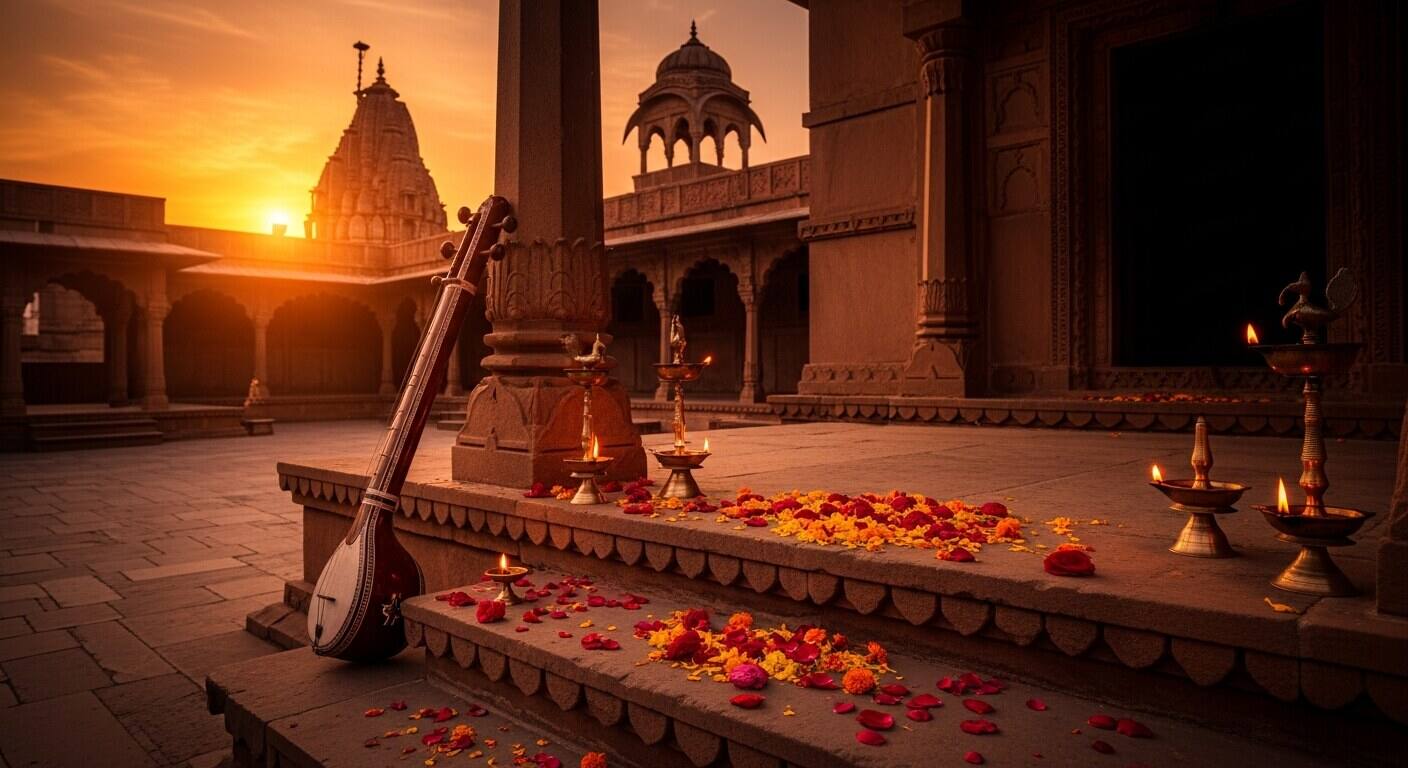
Mirabai: The Princess Who Sang Her Way to Freedom
Five hundred years ago, a Rajput princess walked out of a royal palace to sing to Krishna in the temples and streets. Mirabai's bhajans of fearless devotion are still sung in Kirtan halls around the world — and her story remains one of the most beloved in all of Bhakti.

How Srila Prabhupada Brought Kirtan to the West
In 1965, a 69-year-old swami crossed the Atlantic on a cargo ship with a suitcase, a pair of kartals, and about seven dollars. Within a year, the sound of the Hare Krishna mantra was ringing out under an elm tree in a New York City park — and Western Kirtan was born.

Neem Karoli Baba: The Quiet Guru Behind Western Kirtan
He wrote no books, gave no formal teachings, and rarely let anyone take his photograph in the early years. Yet a blanket-wrapped saint from the hills of North India became the heart-source of an entire generation of Western chant — including the voices of Krishna Das and Jai Uttal.

The Difference Between Kirtan, Mantra, and Bhajan
Sacred sound comes in many forms. Kirtan, mantra, and bhajan are related practices — but each has its own character, context, and approach. Understanding the differences can enrich your exploration.

How to Start a Kirtan Practice at Home
You don't need a hall full of people, a harmonium, or years of training to begin a home Kirtan practice. All you need is a voice, a quiet space, and the willingness to begin.
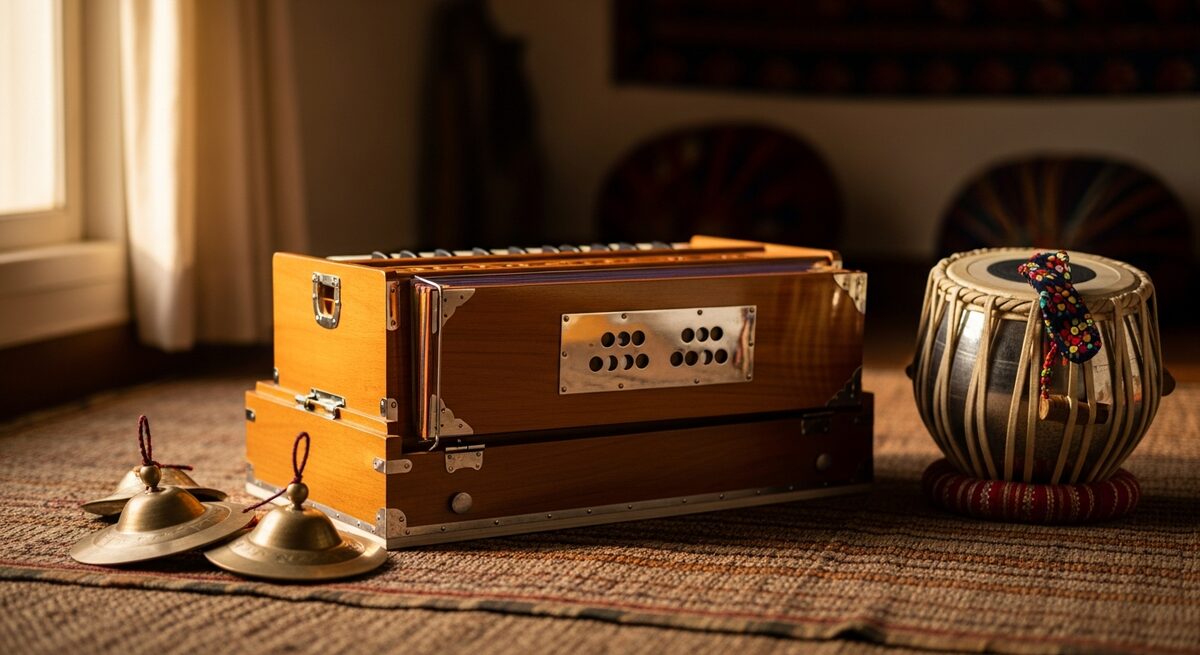
Kirtan Instruments: Harmonium, Tabla, Kartals, and More
The instruments of Kirtan are not mere accompaniments — each one carries its own tradition, its own sound-world, and its own way of supporting the chant. Here's an introduction to the core instruments of the Kirtan ensemble.

The Healing Power of Chanting: What Science and Tradition Both Know
For thousands of years, devotional traditions have known what modern neuroscience is now beginning to confirm: that sacred chanting has measurable effects on the brain, the nervous system, and the human heart.
Kirtan and Bhakti Yoga: The Path of Devotion
Bhakti yoga — the yoga of devotion — is one of the most ancient and direct paths to spiritual awakening. And Kirtan is its beating heart. Understanding this connection can deepen your practice immeasurably.
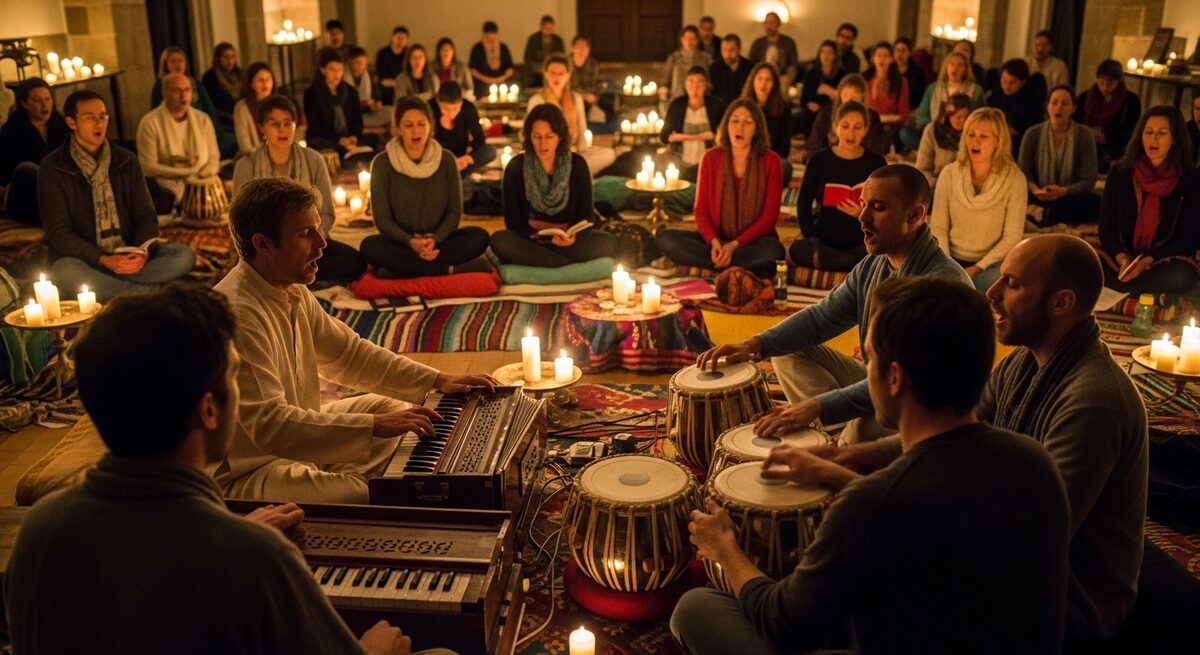
What to Expect at Your First Kirtan Gathering
Walking into your first Kirtan can feel mysterious if you don't know what to expect. Here's a friendly guide to help you feel comfortable, welcome, and ready to open your heart.
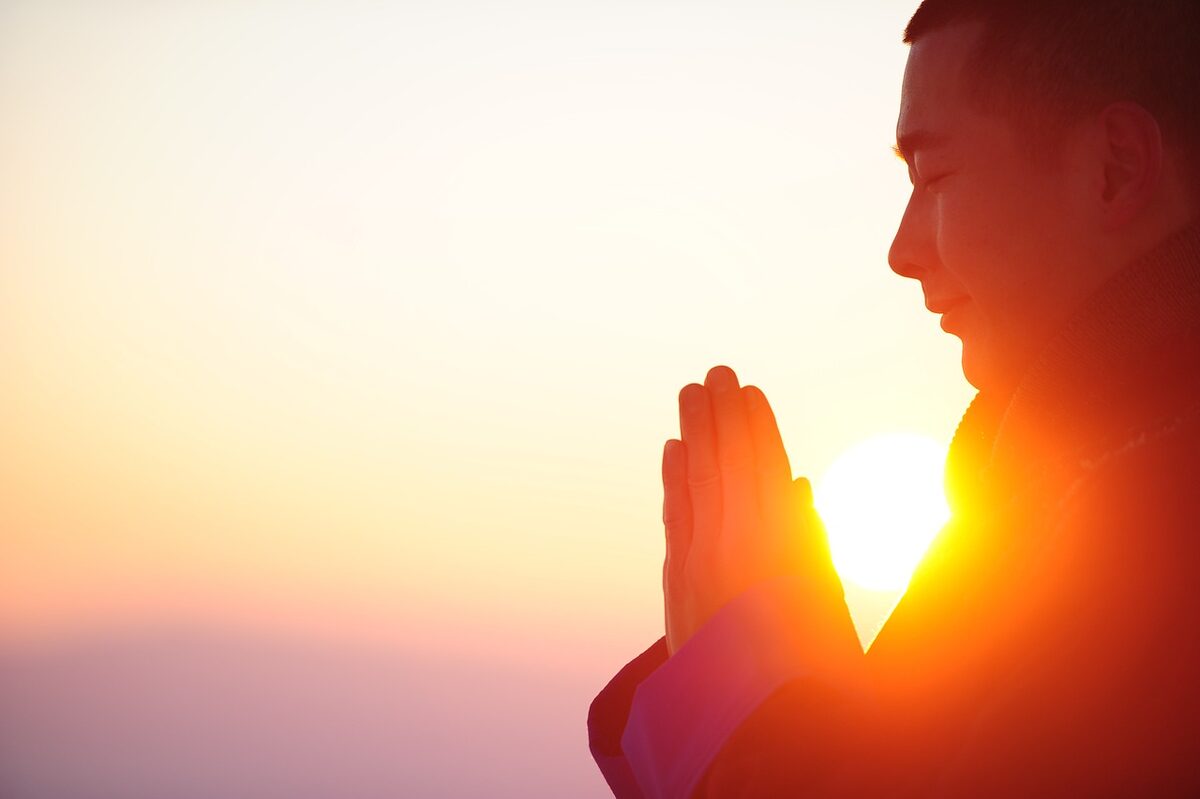
The Spiritual Meaning of Kirtan: Why Sacred Sound Opens the Heart
In the Bhakti tradition, sound is not merely vibration — it is consciousness made manifest. Sacred names carry the presence of the divine, and chanting them is a way of touching what is most real and most alive within us.
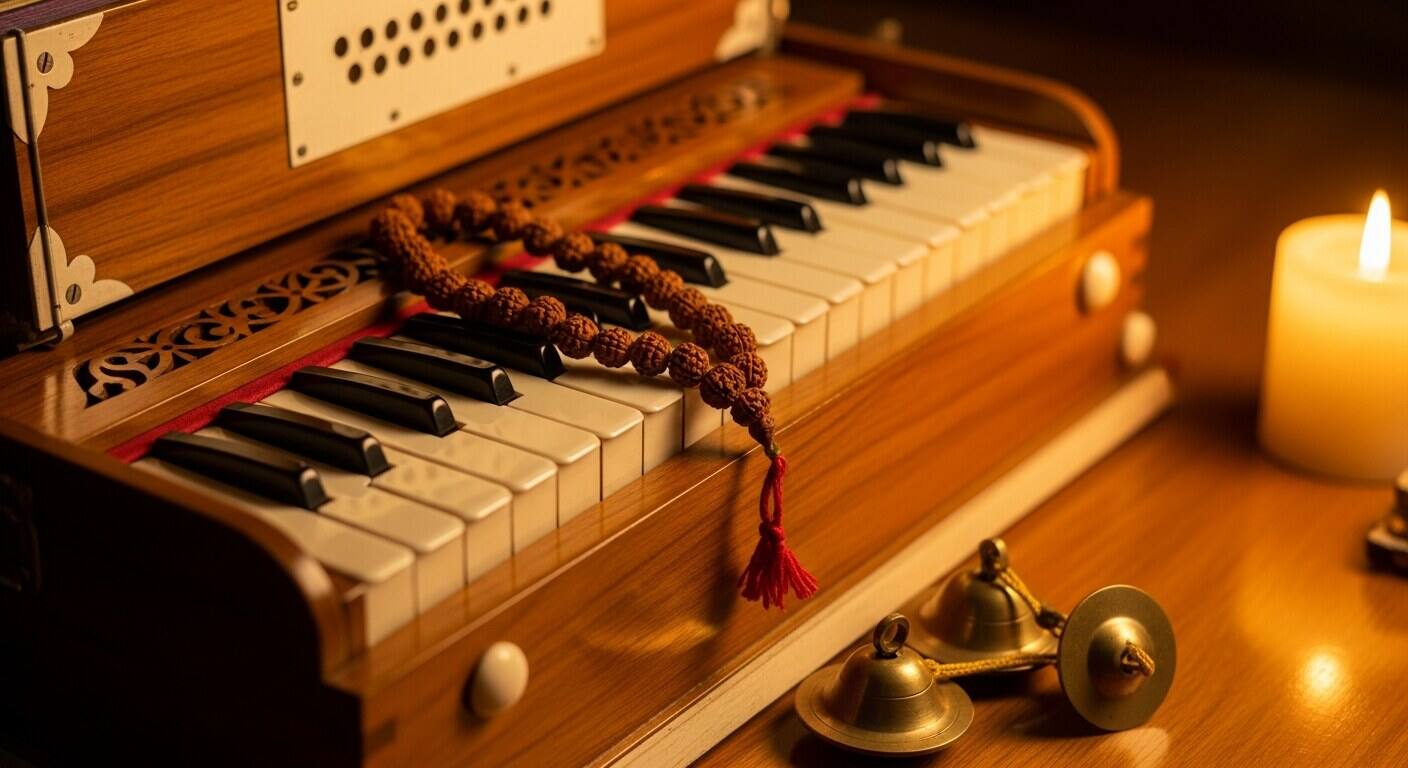
What Is Kirtan? A Beginner's Introduction to Sacred Chanting
Kirtan is a devotional practice of call-and-response chanting, often rooted in Bhakti yoga and the mantra traditions of India. But what exactly happens when a group of people sit in a circle and chant together — and why does it feel so transformative?
Go Deeper
Reference and learning sections to explore at your own pace.
Mantra Meanings
Word-by-word translations and the meaning behind each chant.
ExplorePioneers & History
The lineage and figures who carried Kirtan to the world.
ExploreKirtan Traditions
The four great streams of sacred chant — Bhakti, Carnatic, Gaudiya, and Gurbani.
ExploreInstrument Guides
Harmonium, mridanga, kartals — what they are and how they're played.
ExploreBooks, Music & Films
Curated books, albums, and playlists to go deeper.
ExploreKirtan FAQ
Plain answers to the questions newcomers ask most.
ExploreLearn to Play Kirtan
Chord charts with guitar & harmonium views, capo and drone guidance, and how-to guides.
ExplorePractice Tools
Printable lyric & pronunciation sheets, plus common Kirtan chord progressions.
ExploreJoin the Kirtans.com Community
Receive occasional updates — thoughtfully curated devotional music, upcoming gatherings, artist announcements, new resources, and inspiration to support your Bhakti practice.