
Pioneers & the History of Kirtan
The lineage-bearers and visionaries who carried sacred chant across centuries and oceans — and laid the ground for the Kirtan we sing in the West today.
Kirtan is ancient, but the path that brought it to living rooms and yoga studios across the West is surprisingly recent — a story of saints, scholars, and seekers who passed the practice from heart to heart.
Roots in Devotion
The practice of singing the names of the Divine reaches back thousands of years into the Vedic and Puranic traditions of India. But its modern form was shaped above all by the Bhakti movement — a wave of devotional fervor that swept the Indian subcontinent from roughly the 12th century onward. Bhakti reframed spiritual life around love and surrender rather than ritual and caste, and song became its most powerful vehicle.
In 16th-century Bengal, the ecstatic saint Chaitanya Mahaprabhu took this further than anyone before him, leading mass congregational chanting — sankirtana — through the streets and establishing the call-and-response form that defines Kirtan to this day.
"Chant the holy names, chant the holy names, chant the holy names. In this age of quarrel there is no other way, no other way, no other way."
The Journey West
For centuries Kirtan remained largely within India. That changed in the 20th century. In 1965, an elderly Bengali monk named A.C. Bhaktivedanta Swami Prabhupada arrived in New York with little more than a trunk of books and a pair of hand cymbals. Within a few years, the sound of Hare Krishna was echoing through Tompkins Square Park and, soon after, through popular culture itself. Among the young Americans drawn into his movement was a Chicago-born seeker who had hitchhiked overland to India — today known as Radhanath Swami, one of the most beloved living teachers in that line.
Around the same time, teachers like Neem Karoli Baba drew a generation of Western seekers to India — among them the young Americans who would later become Krishna Das, Jai Uttal, and Bhagavan Das, and who returned home carrying the chant with them. By the 1990s and 2000s, Kirtan had taken root in the Western yoga world as a practice open to all, regardless of background or belief.
A Living Lineage
The figures below are a starting map of that history — devotional saints, lineage founders, and the bridge-builders who brought sacred chant across the world. Their work flows directly into the living artists and chants you'll find throughout Kirtans.com.
The Pioneers
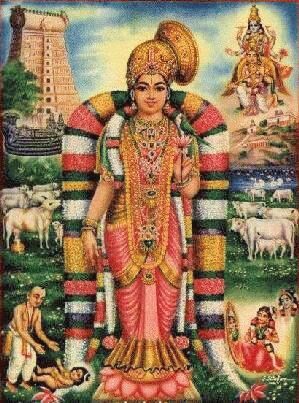 8th century
Andal
Alvar Poet-Saint of the Tiruppavai
Sri Vaishnava / Alvar
The only woman among the twelve Alvars of Tamil Nadu — the 8th-century girl-saint whose Tiruppavai is still sung across South India every winter dawn, and whose love-songs to Vishnu made her a goddess in her own right.
Read profile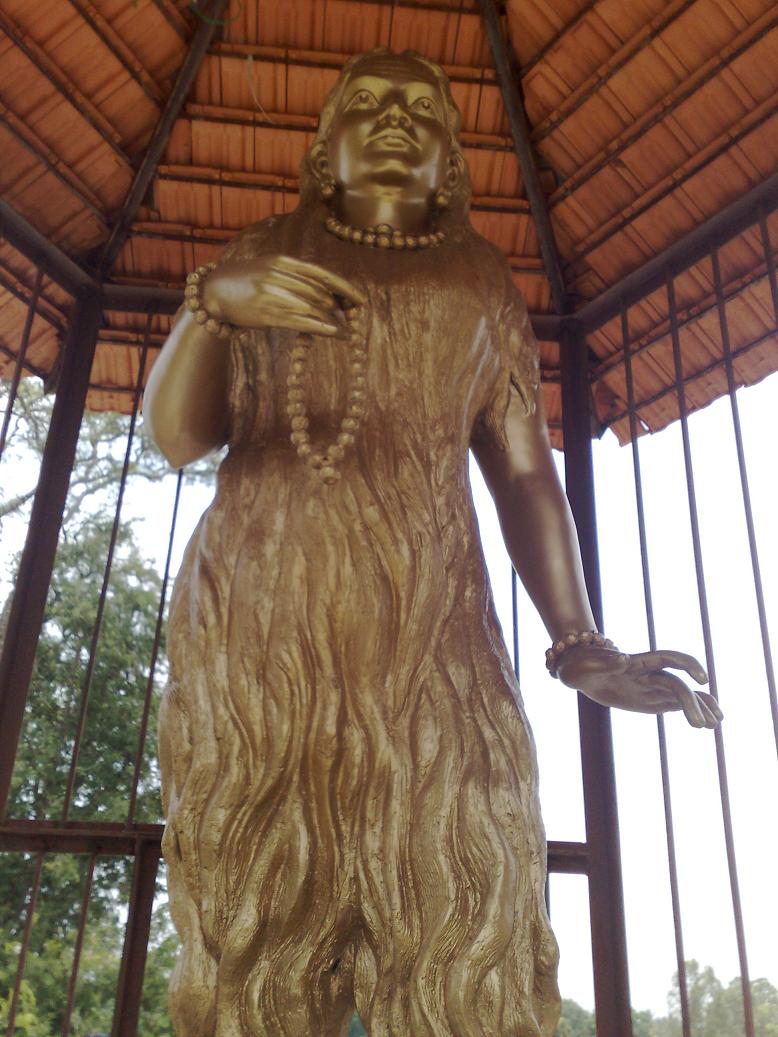 c. 1130 – c. 1160
Akka Mahadevi
Vachana Poet & Shiva Mystic
Veerashaiva / Shiva Bhakti
The fearless twelfth-century Kannada mystic who renounced everything — even clothing — for love of Shiva, pouring her longing into vachanas addressed to Chennamallikarjuna, "the Lord white as jasmine."
Read profile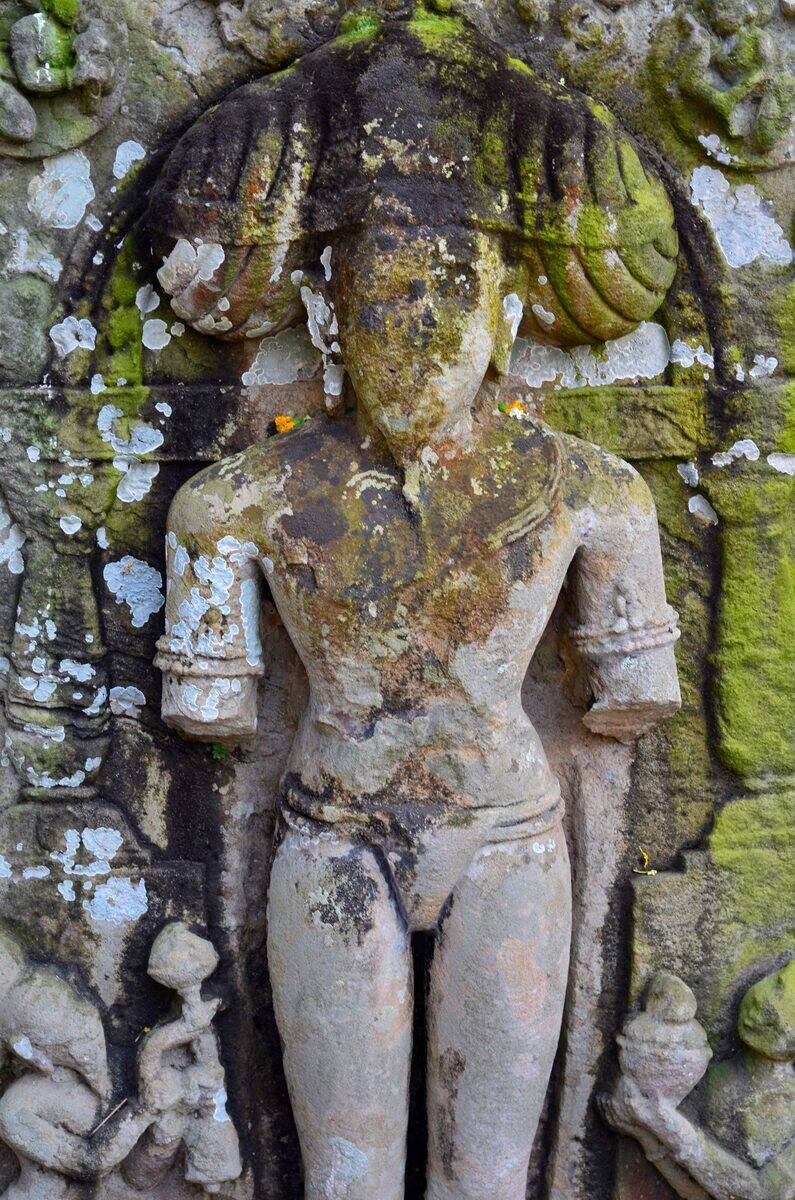 12th century
Jayadeva
Poet of the Gita Govinda
Vaishnava / Sanskrit Bhakti
The 12th-century Sanskrit poet whose Gita Govinda set the love of Radha and Krishna to music — composing the ashtapadis still sung in temples and kirtans across India eight centuries later.
Read profile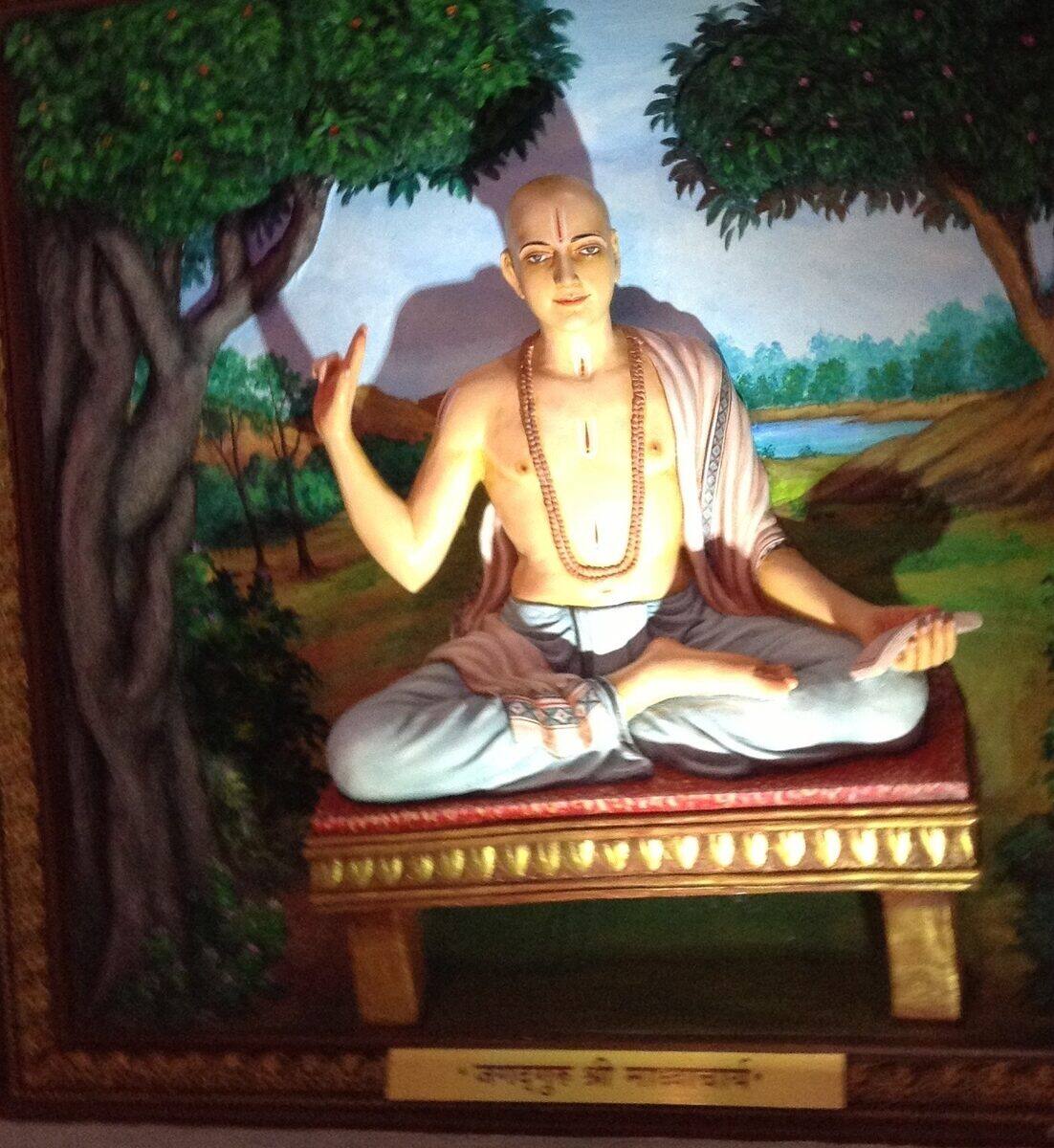 1238 – 1317
Madhvacharya
Founder of the Dvaita Vedanta Lineage
Madhva Vaishnava / Dvaita
The philosopher of Udupi whose dualist Vedanta insisted the soul's highest joy is loving service of a personal God — the root from which Karnataka's singing Haridasa movement, and centuries of Krishna devotion, would grow.
Read profile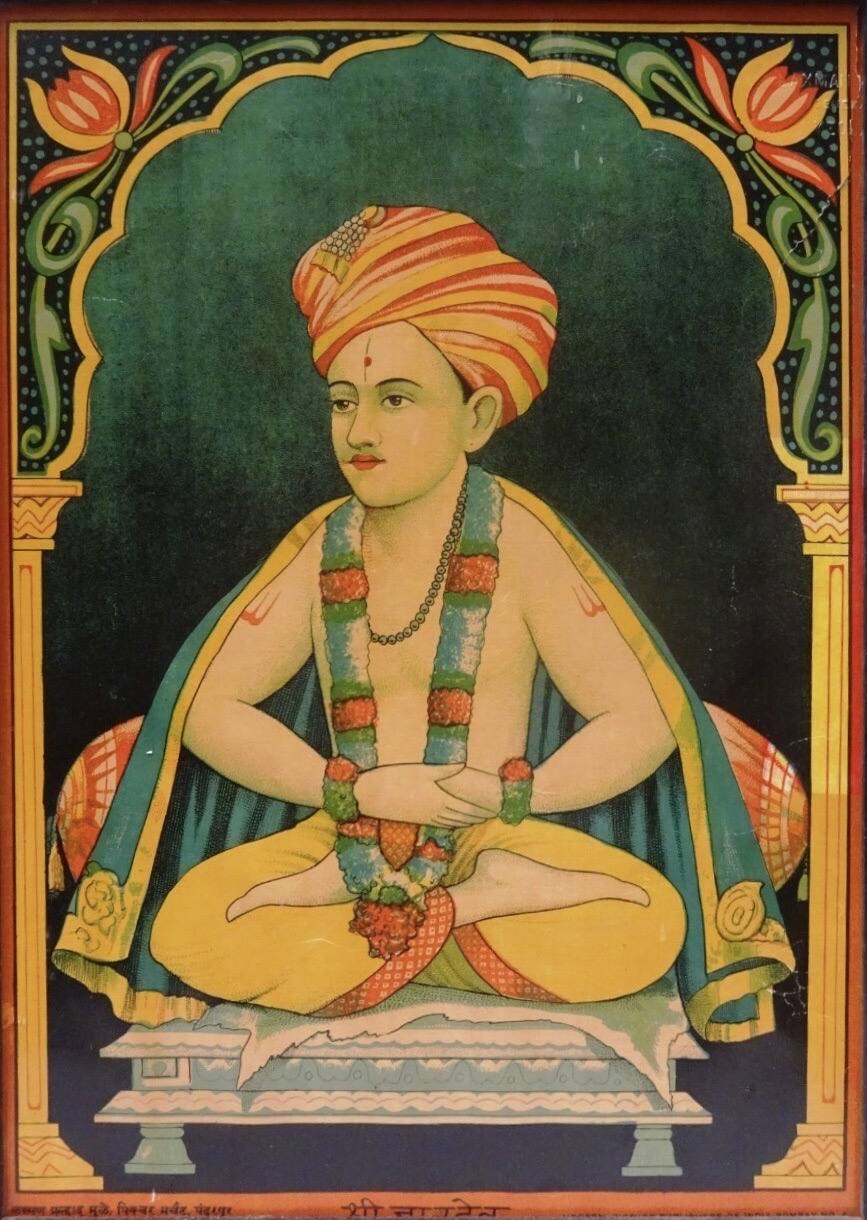 c. 1270 – c. 1350
Namdev
Kirtan Pioneer of the Varkari Tradition
Varkari / Vitthal Bhakti
Maharashtra's tailor-saint whose ecstatic singing before Vitthal of Pandharpur helped shape congregational kirtan itself — and whose hymns crossed regions and centuries to enter the Guru Granth Sahib.
Read profile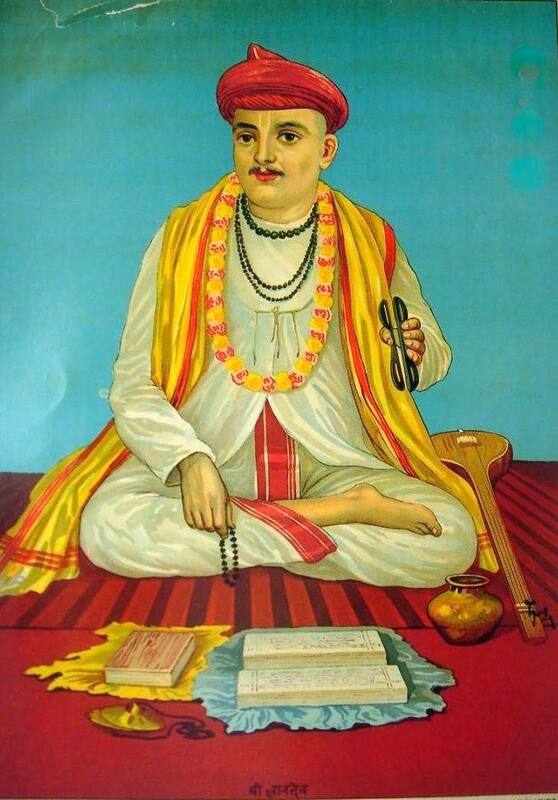 1275 – 1296
Dnyaneshwar
Boy-Philosopher Whose Dnyaneshwari Founded Varkari Song
Varkari / Vitthal Bhakti
The teenage philosopher-saint of Maharashtra whose Dnyaneshwari opened the Bhagavad Gita to Marathi speakers — the foundation stone the entire Varkari kirtan tradition still sings on.
Read profile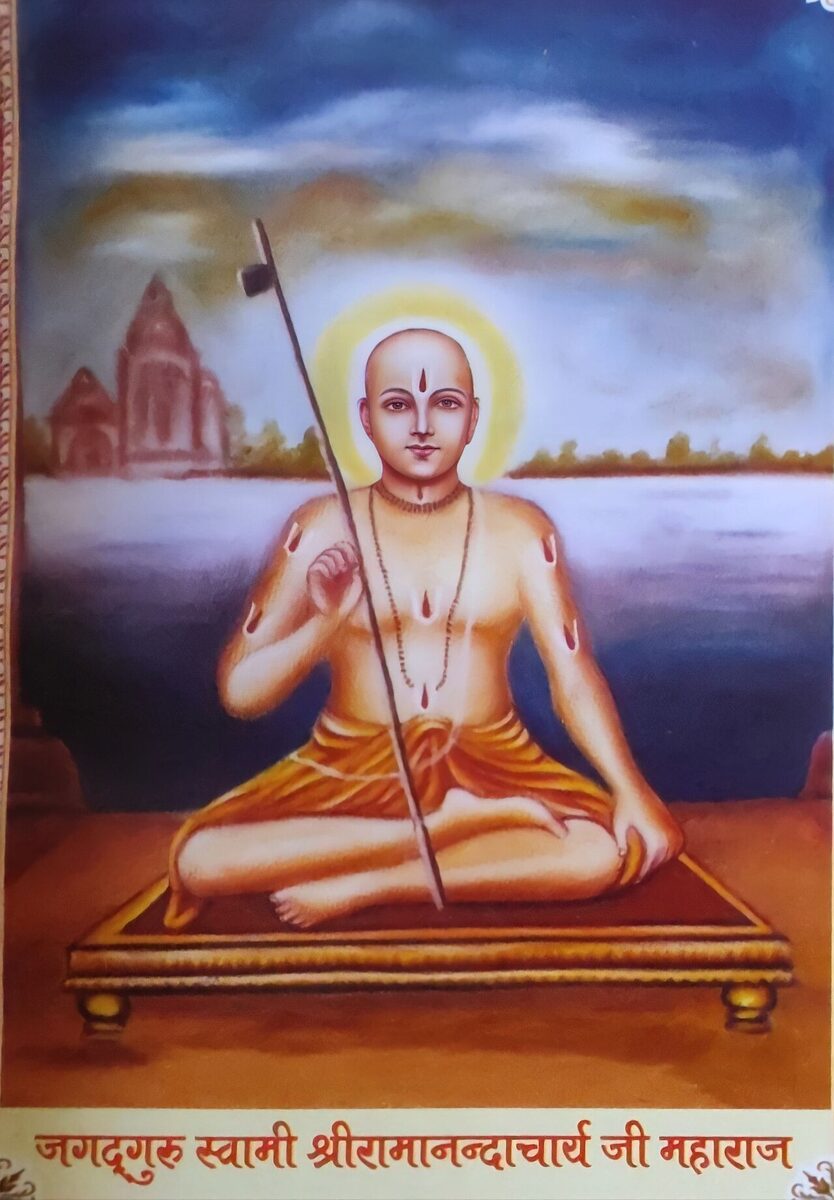 14th–15th century
Ramananda
Guru of the Bhakti Renaissance
Rama Bhakti / Ramanandi Sampradaya
The Varanasi teacher who threw devotion open to every caste and to women — guru, by tradition, to Kabir and Ravidas, and fountainhead of North India's greatest wave of singing saints.
Read profile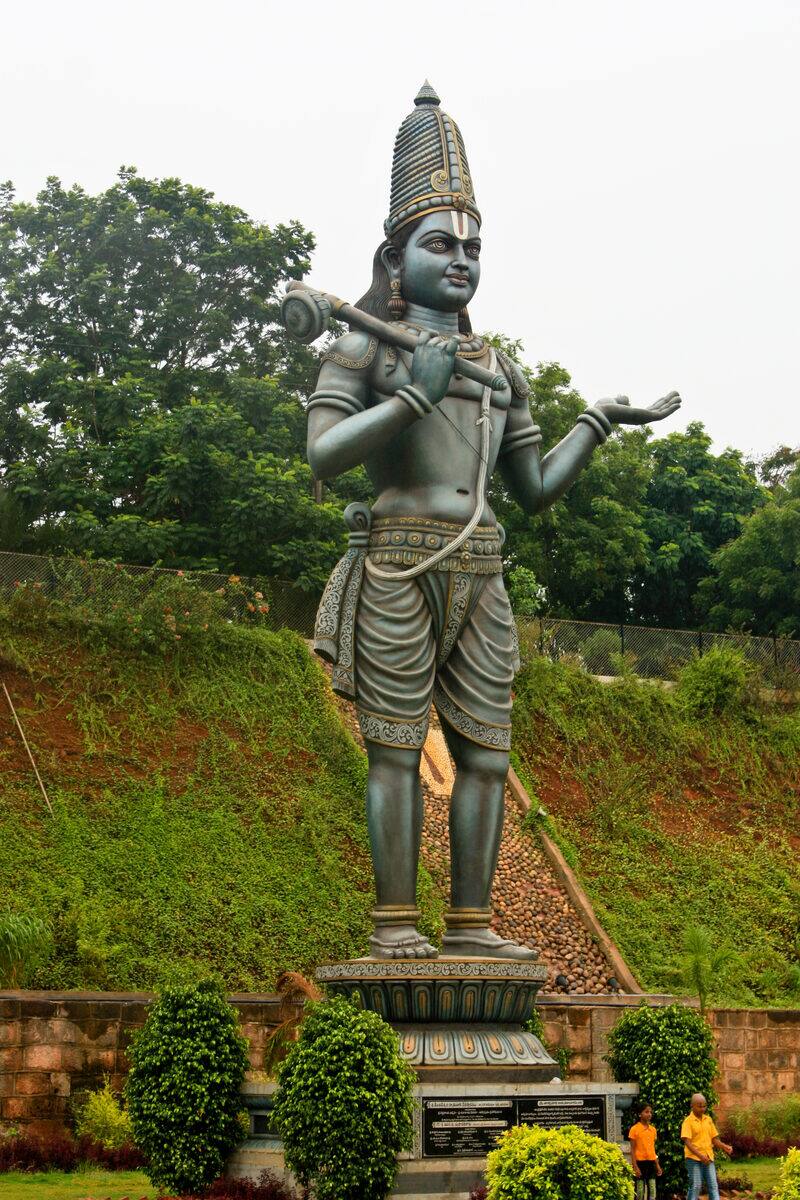 1408 – 1503
Annamacharya
Composer of 32,000 Sankirtanas to Venkateswara
Sri Vaishnava / Telugu Sankirtana
The 15th-century Telugu poet-saint of Tirumala who composed a song a day for the Lord of the Seven Hills — some 32,000 sankirtanas, engraved on copper plates and rediscovered centuries later, that made him the "grandfather of Telugu song."
Read profile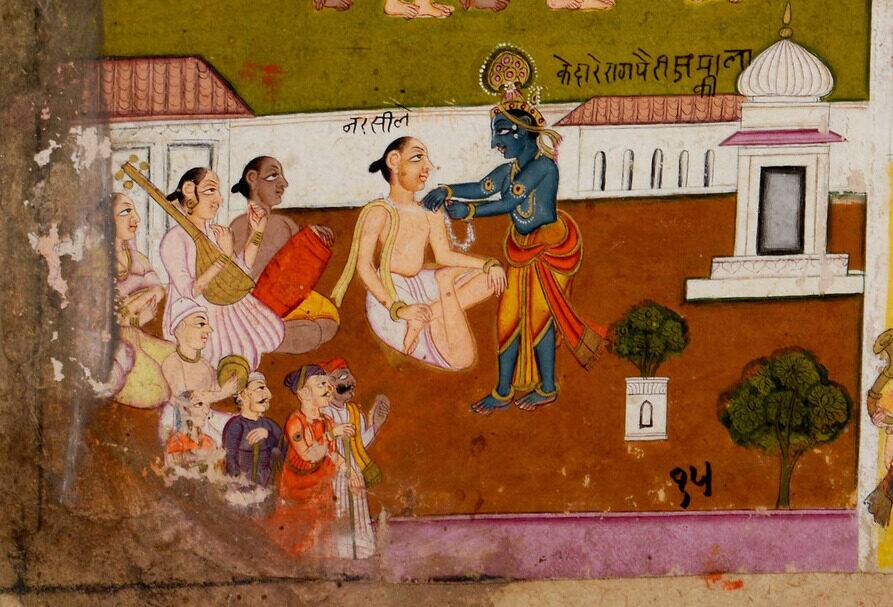 1414 – 1488
Narsinh Mehta
Adi Kavi of Gujarat & Author of "Vaishnava Jana To"
Krishna Bhakti / Gujarati Sant
Gujarat's first poet — the 15th-century Krishna devotee whose "Vaishnava Jana To," beloved of Mahatma Gandhi, distilled the whole of bhakti into one song, and whose dawn hymns are still sung across Gujarat every morning.
Read profile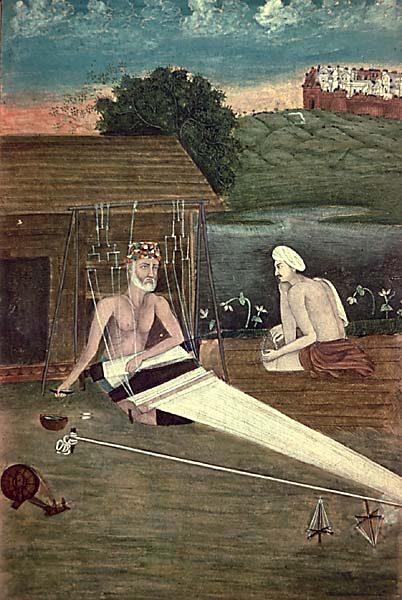 c. 1440 – c. 1518
Kabir
Mystic Poet-Saint of the Sant Tradition
Nirguna Bhakti / Sant
A 15th-century weaver-mystic of Varanasi whose fierce, tender couplets dissolved the lines between Hindu and Muslim devotion — sung in Kirtan, bhajan, and Sikh scripture alike to this day.
Read profile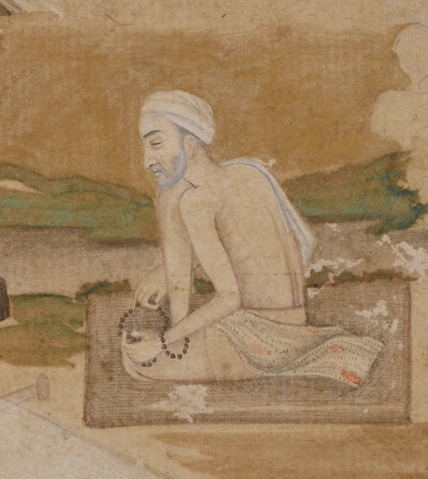 c. 1450 – c. 1520
Ravidas
Cobbler-Saint & Poet of Radical Equality
Nirguna Bhakti / Sant
The Varanasi cobbler-saint whose songs of a casteless "city without sorrow" made him one of North India's most beloved sant poets — honored in the Guru Granth Sahib and revered by Mirabai as her guru.
Read profile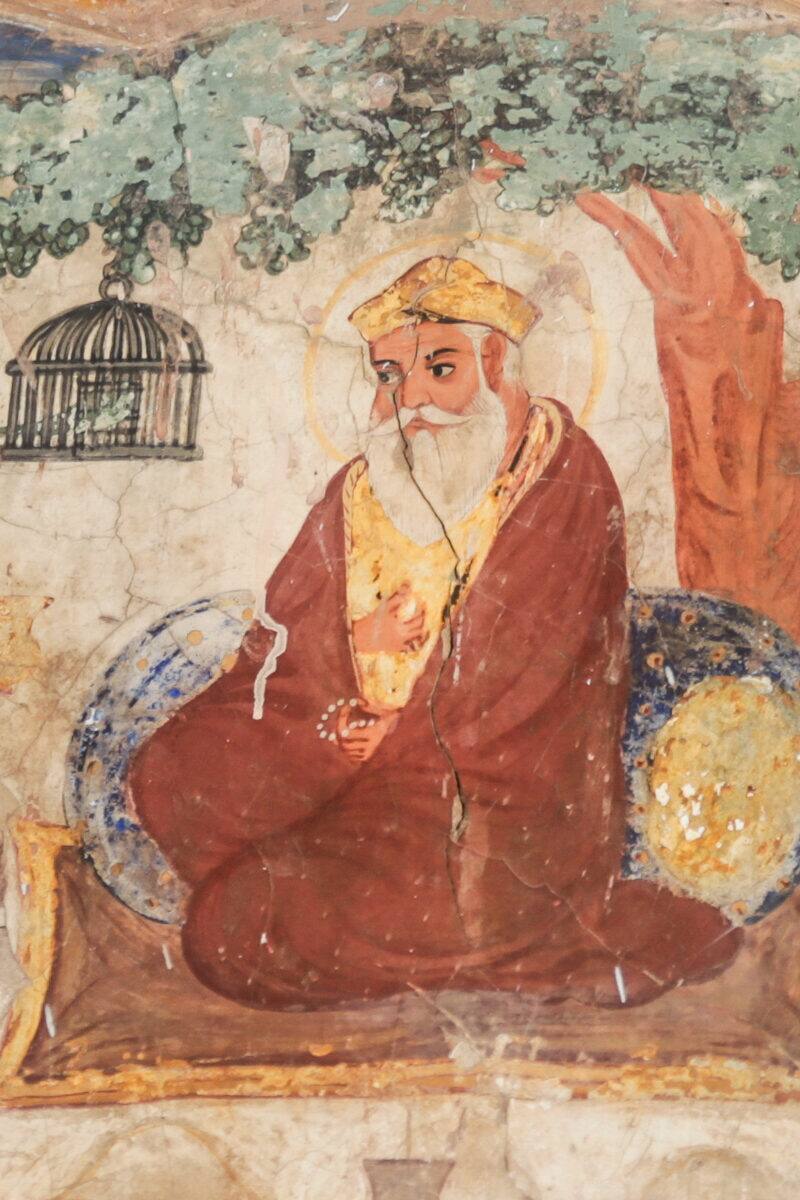 1469 – 1539
Guru Nanak
Founder of Sikhi & Devotional Singer
Sikh / Sant
The first Sikh Guru, who traveled across Asia singing the praises of one formless God — placing congregational sacred song (kirtan) at the very heart of the tradition he founded.
Read profile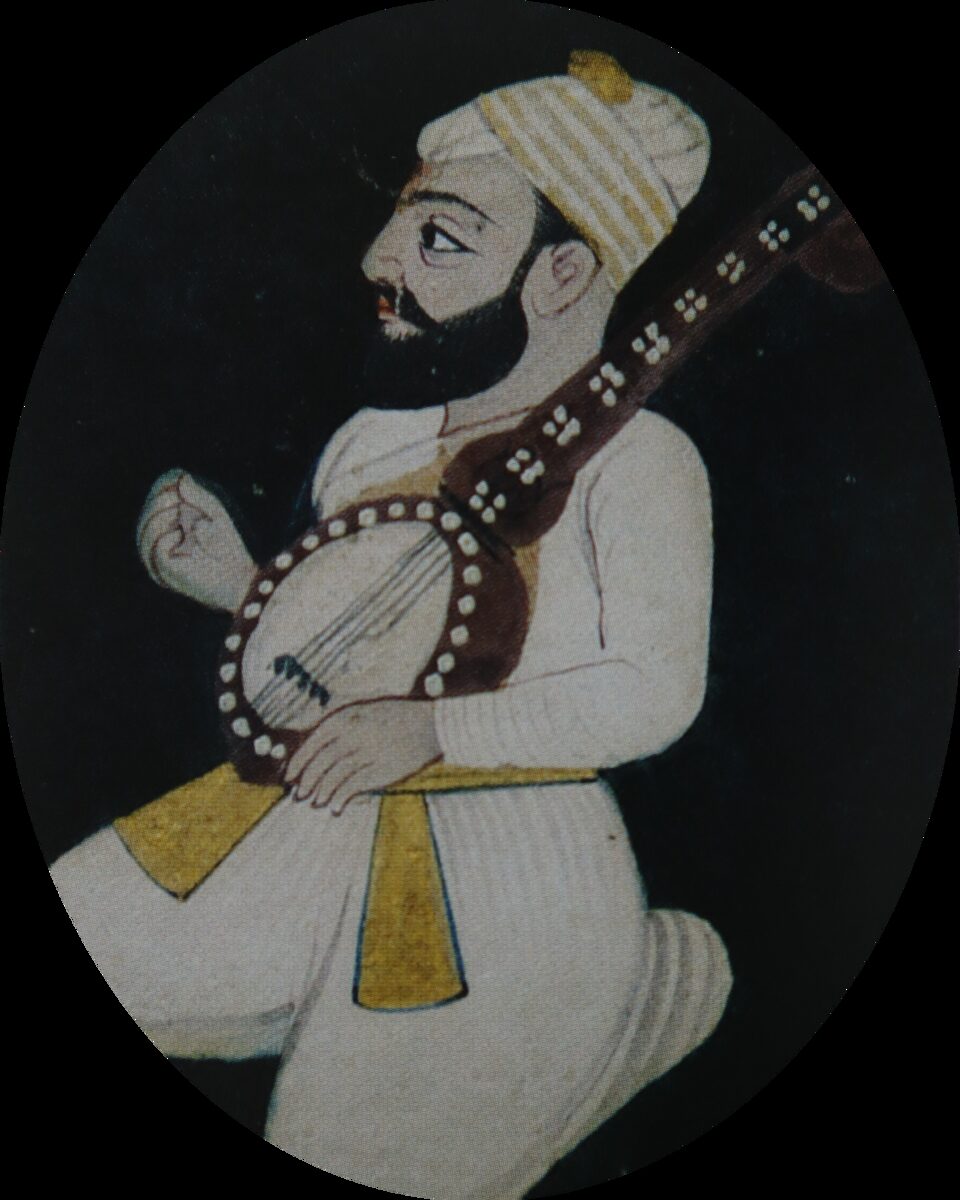 c. 1459 – 1534
Bhai Mardana
First Sikh Kirtan Musician & Rabab Player
Sikh / Rababi
Guru Nanak's lifelong Muslim companion and rabab player — the first kirtan musician of the Sikh tradition, whose strings carried the Guru's hymns across South Asia and founded the rababi lineage of sacred musicians.
Read profile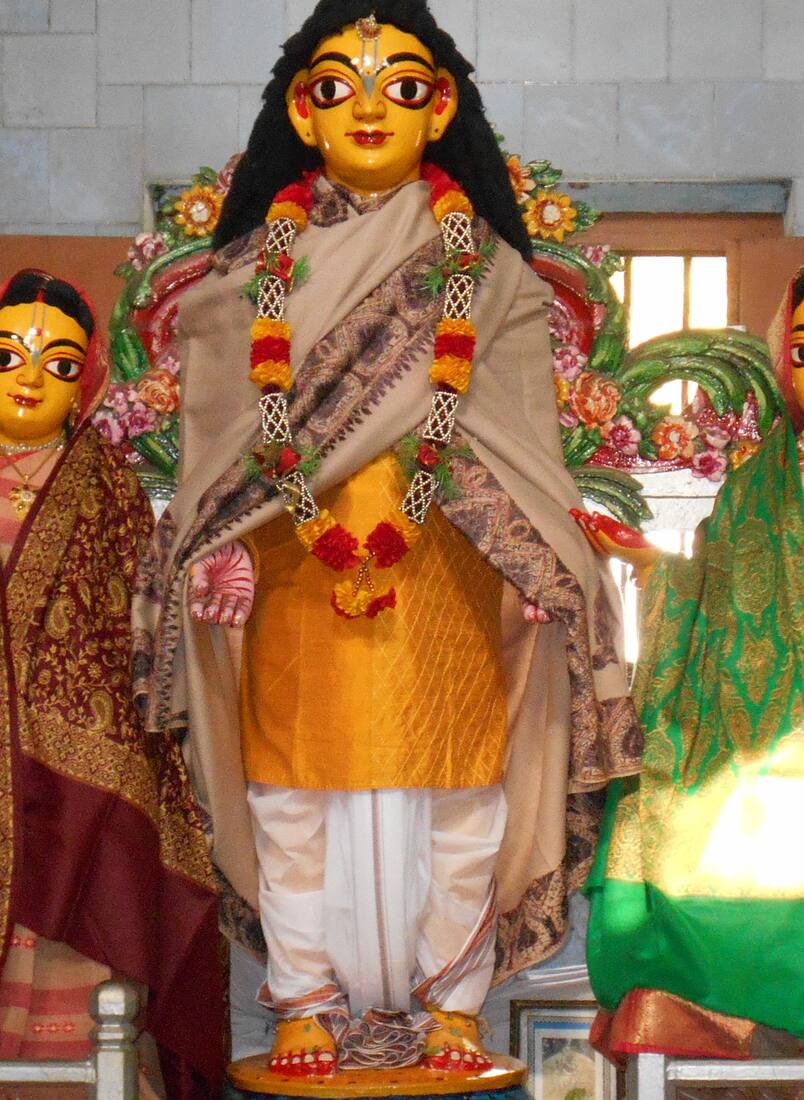 c. 1474 – c. 1540
Nityananda
Chaitanya's Companion Who Carried the Chant Door to Door
Gaudiya Vaishnava
Chaitanya Mahaprabhu's closest companion — the wandering avadhuta called "Nitai" who carried congregational chanting door to door through Bengal and became the Gaudiya tradition's embodiment of unconditional mercy.
Read profile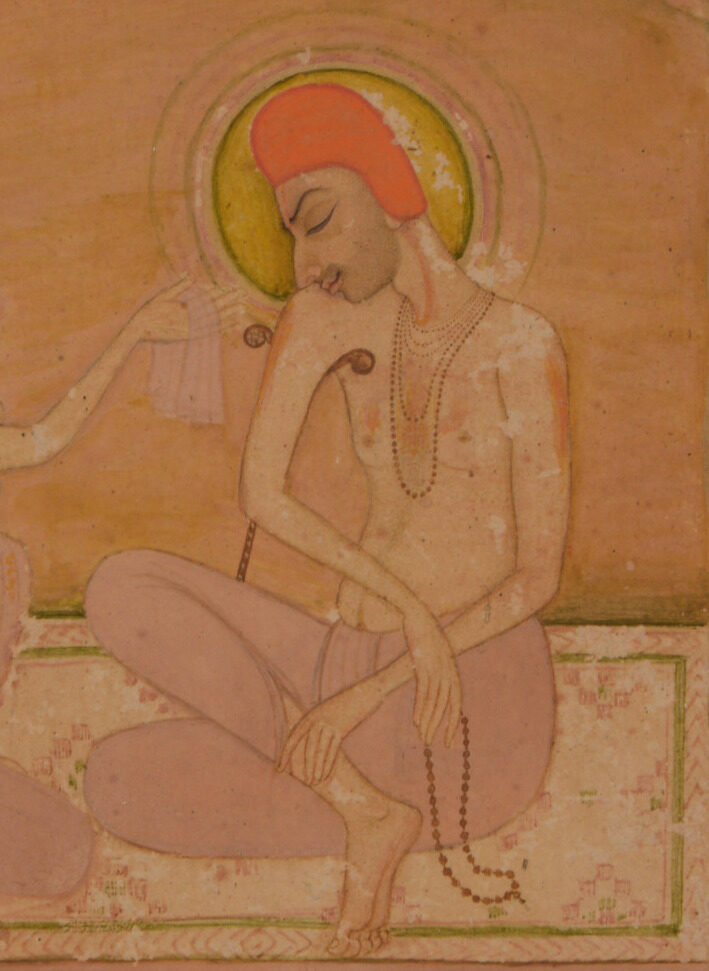 c. 1478 – c. 1583
Surdas
Blind Poet-Singer of Krishna
Krishna Bhakti / Pushtimarg
The blind 16th-century poet-singer whose tender songs of Krishna's childhood — gathered in the Sur Sagar — remain among the most beloved devotional melodies of North India.
Read profile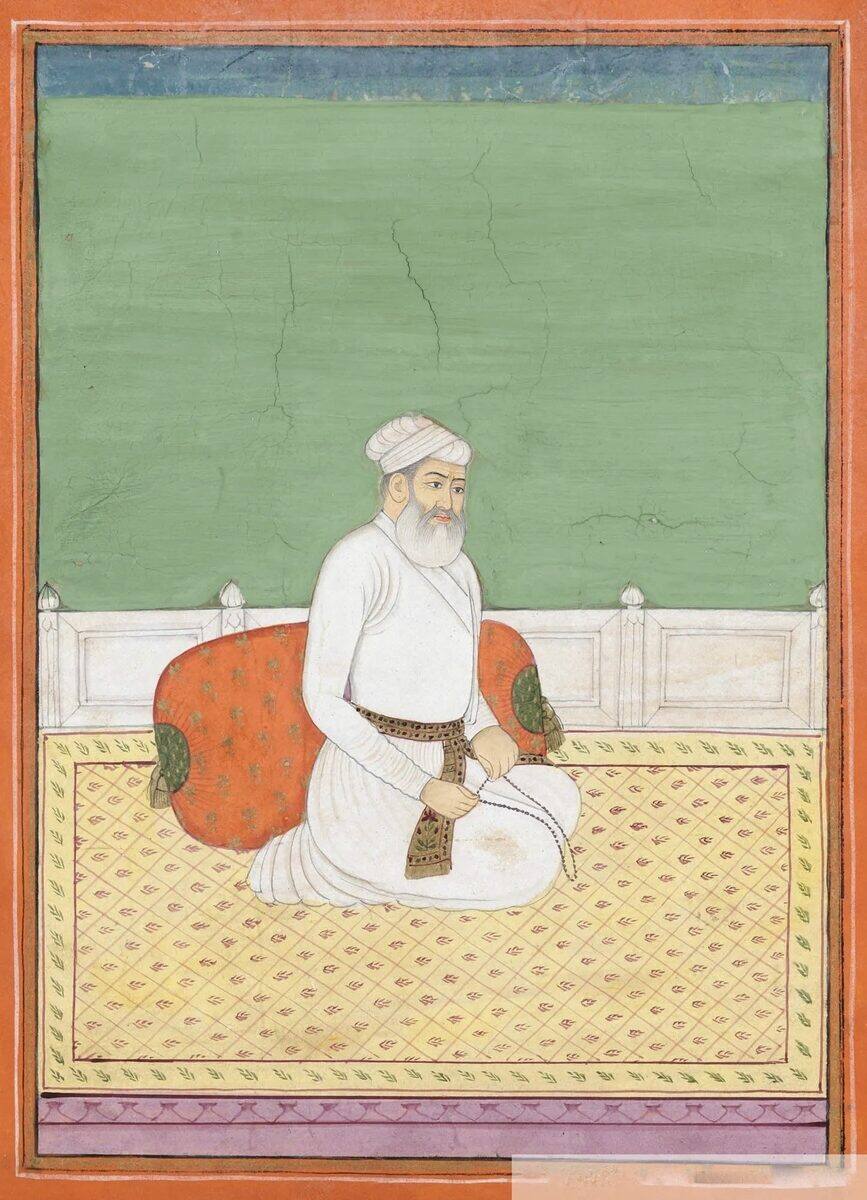 1479 – 1574
Guru Amar Das
Third Sikh Guru & Composer of the Anand Sahib
Sikh
The third Sikh Guru, won to the path by overhearing a sung hymn of Guru Nanak — composer of the Anand Sahib, the "Song of Bliss" sung at the close of every Sikh service, and preserver of the hymn collections that grew into the Guru Granth Sahib.
Read profile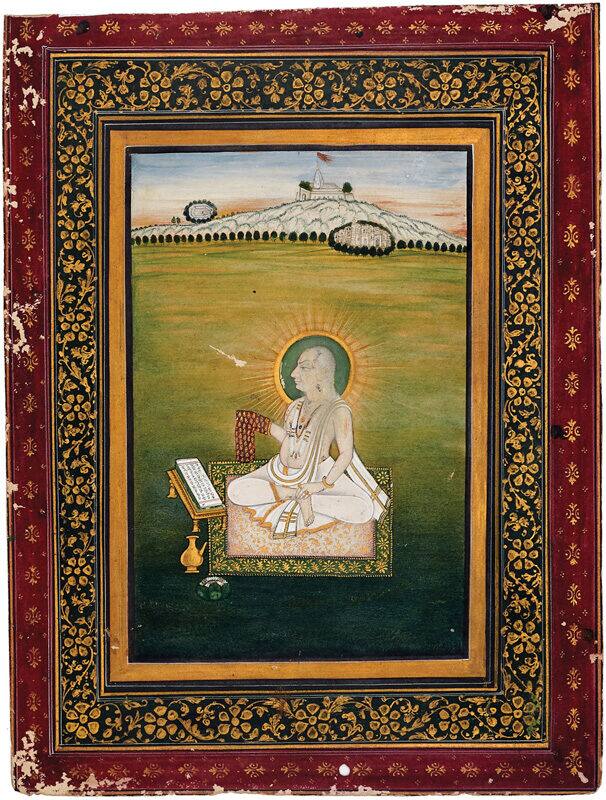 1479 – 1531
Vallabhacharya
Founder of the Pushtimarg, the Path of Grace
Krishna Bhakti / Pushtimarg
The philosopher of divine grace who founded the Pushtimarg — the Krishna-devotion lineage of loving service and song whose poets, led by Surdas, created one of India's great bodies of devotional music.
Read profile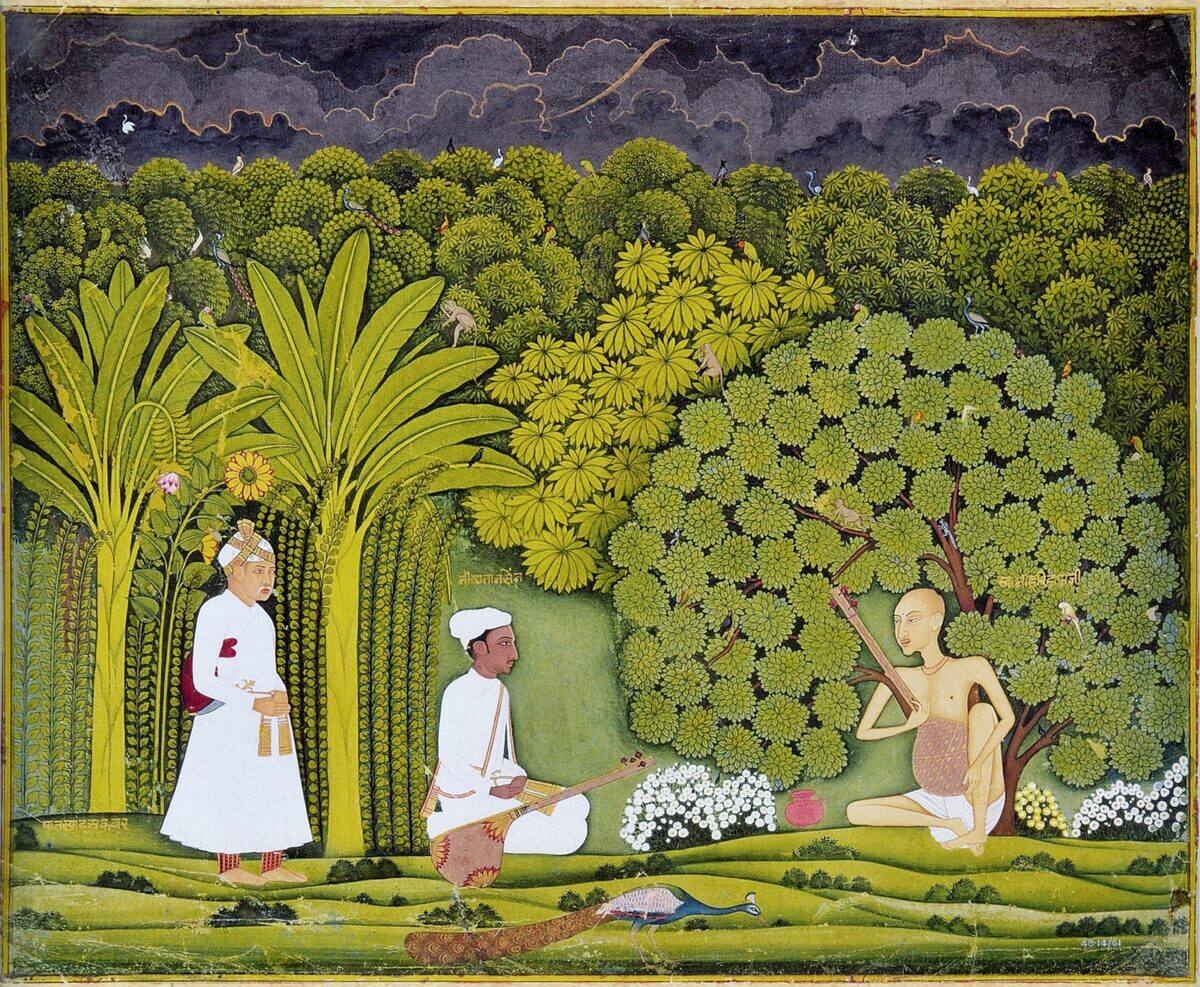 c. 1480 – c. 1573
Swami Haridas
Dhrupad Saint-Musician of Vrindavan
Krishna Bhakti / Dhrupad
The reclusive saint-musician of Vrindavan's Nidhivan grove — revered as the fountainhead of dhrupad devotional music, traditional teacher of the legendary Tansen, and founder of a lineage where music itself is worship.
Read profile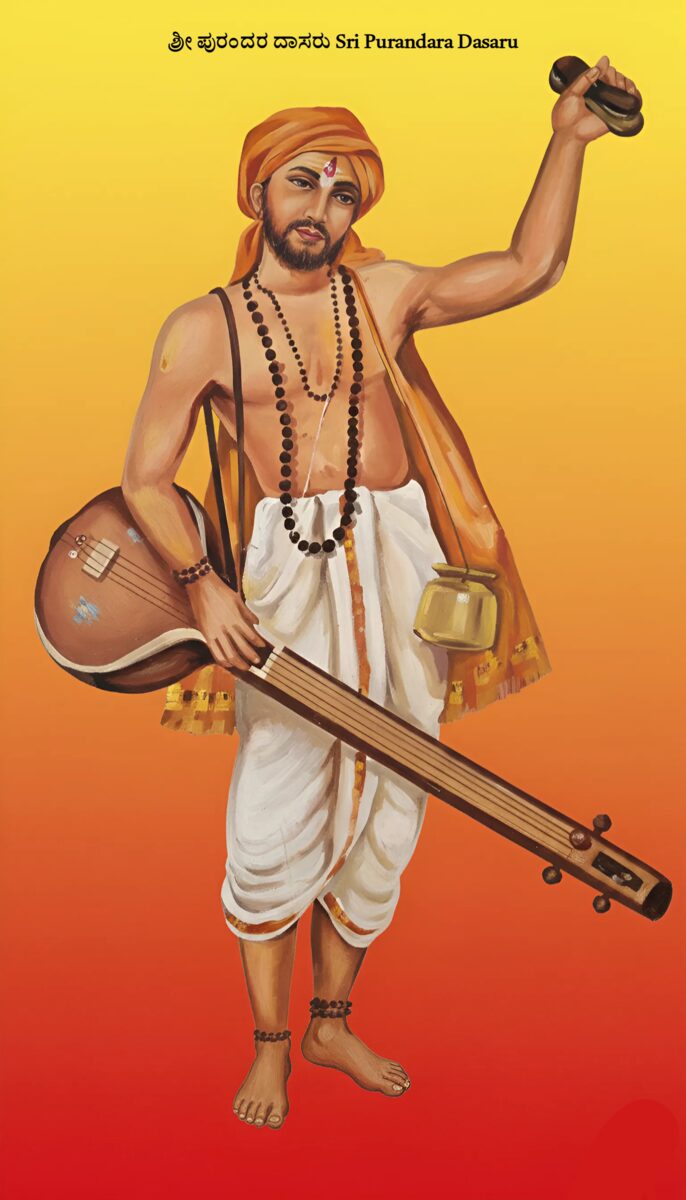 c. 1484 – 1565
Purandara Dasa
Father of Carnatic Music & Wandering Haridasa
Haridasa / Madhva Vaishnava
The gem merchant who gave away his fortune and walked Karnataka with a tanpura — composing thousands of Kannada songs to "Purandara Vittala" and creating the teaching system that earned him the title father of Carnatic music.
Read profile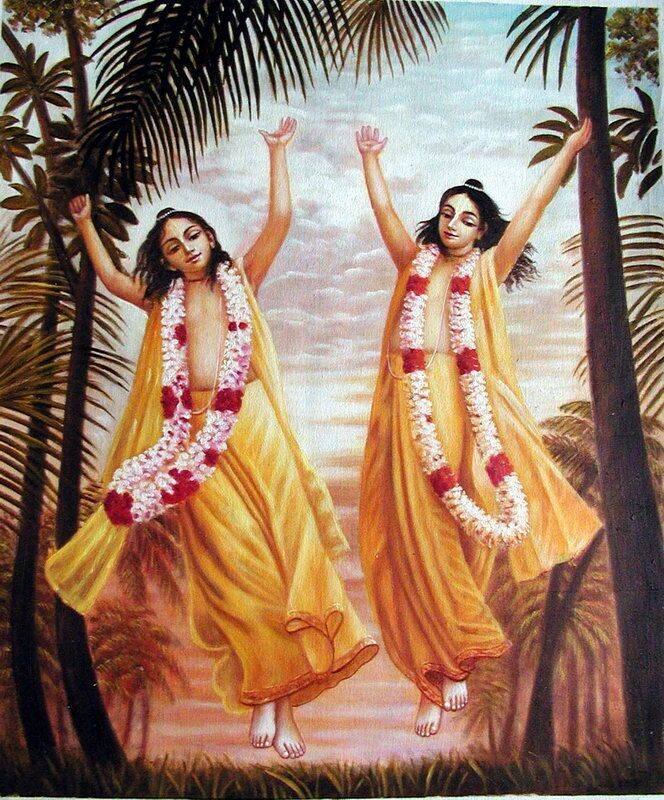 1486 – 1534
Chaitanya Mahaprabhu
Founder of the Sankirtana Movement
Gaudiya Vaishnava
The 16th-century Bengali saint who turned devotional chanting into a public, congregational practice — popularizing the Hare Krishna maha-mantra and the sankirtana at the heart of Kirtan today.
Read profile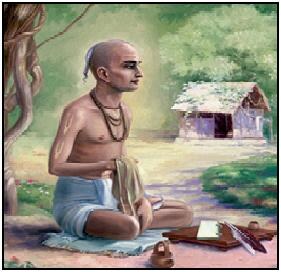 c. 1488 – 1558
Sanatana Goswami
Elder of the Six Goswamis of Vrindavan
Gaudiya Vaishnava / Six Goswamis
The prime minister who traded a sultan's court for a beggar's cloth at Chaitanya's word — elder of the Six Goswamis, author of the Gaudiya tradition's devotional lawbook, and first architect of Vrindavan's temple worship.
Read profile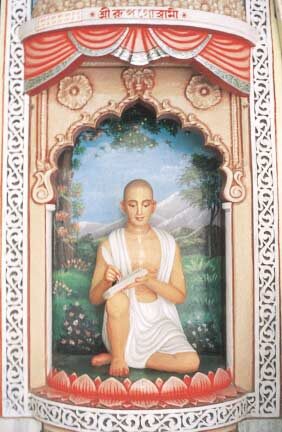 c. 1489 – 1564
Rupa Goswami
Senior of the Six Goswamis of Vrindavan
Gaudiya Vaishnava / Six Goswamis
The minister who left a sultan's court at Chaitanya's word — senior of the Six Goswamis of Vrindavan, mapper of devotion's emotional science in the Bhakti-rasamrita-sindhu, and architect of Vrindavan as the world's kirtan heartland.
Read profile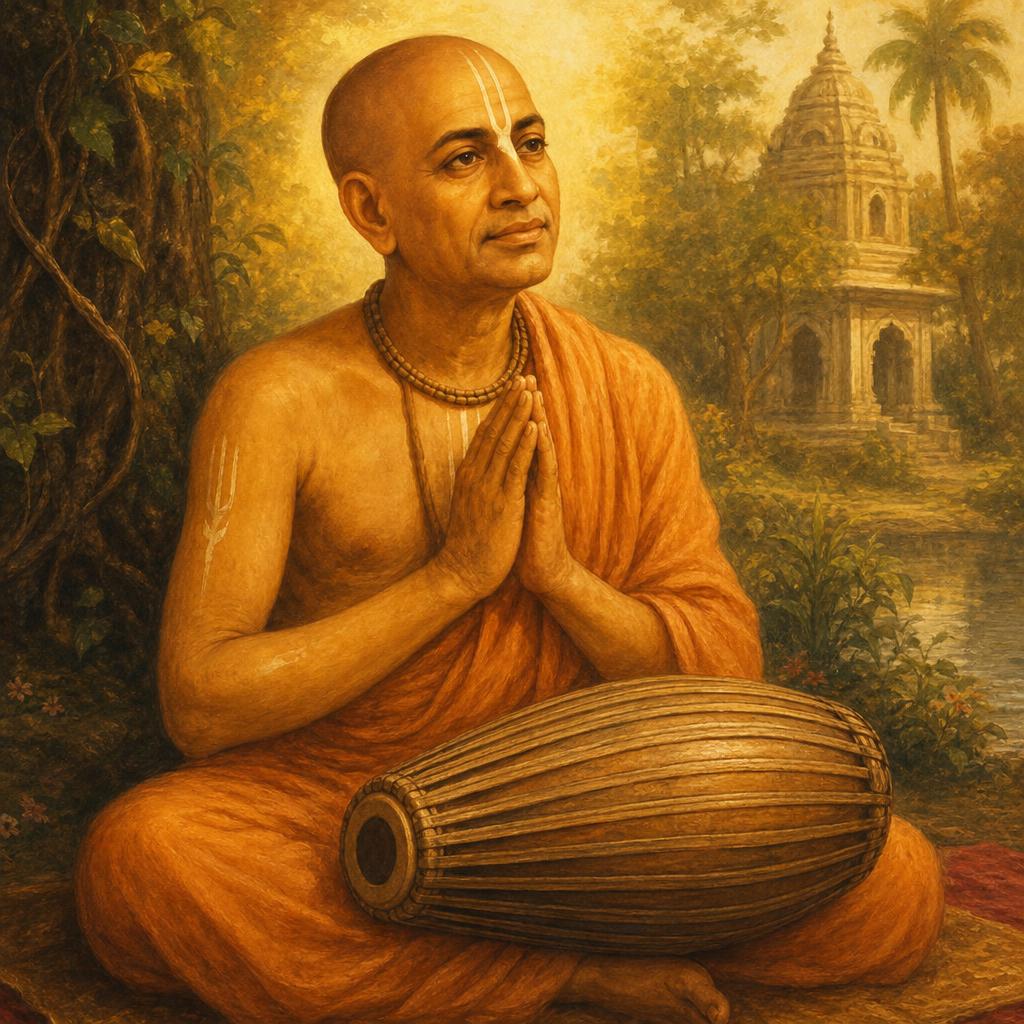 c. 1540 – 1626
Narottama Dasa Thakura
Poet-Saint Who Organized the First Great Gaudiya Festival
Gaudiya Vaishnava
The 16th-century Bengali saint from Kheturi — direct disciple of the Six Goswamis, organizer of the first great Gaudiya gathering, and composer of the padavali kirtans still sung throughout Bengal and Bangladesh today.
Read profile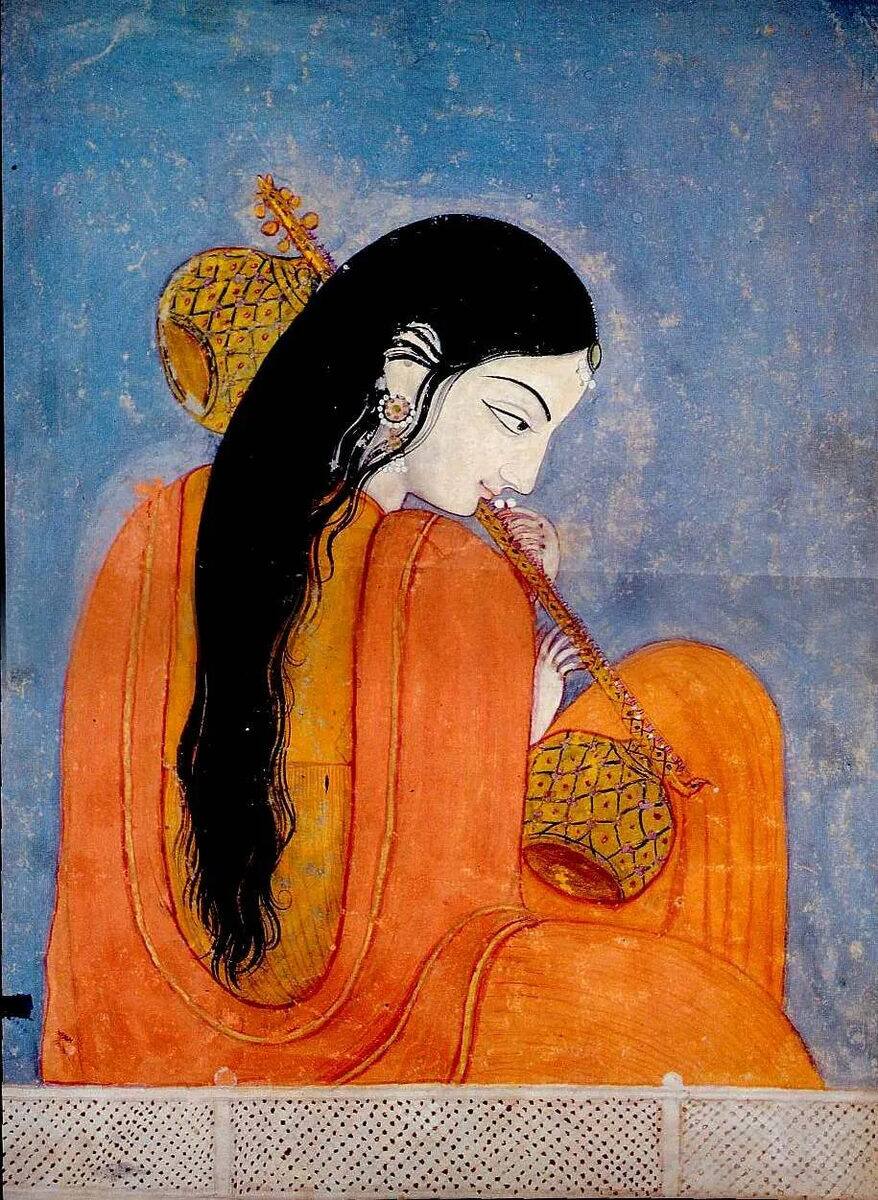 c. 1498 – c. 1547
Mirabai
Bhakti Poet-Saint & Singer of Krishna
Krishna Bhakti / Sant
The 16th-century Rajput princess who renounced palace life for an all-consuming love of Krishna — pouring her devotion into ecstatic songs that remain among the most cherished bhajans sung in Kirtan today.
Read profile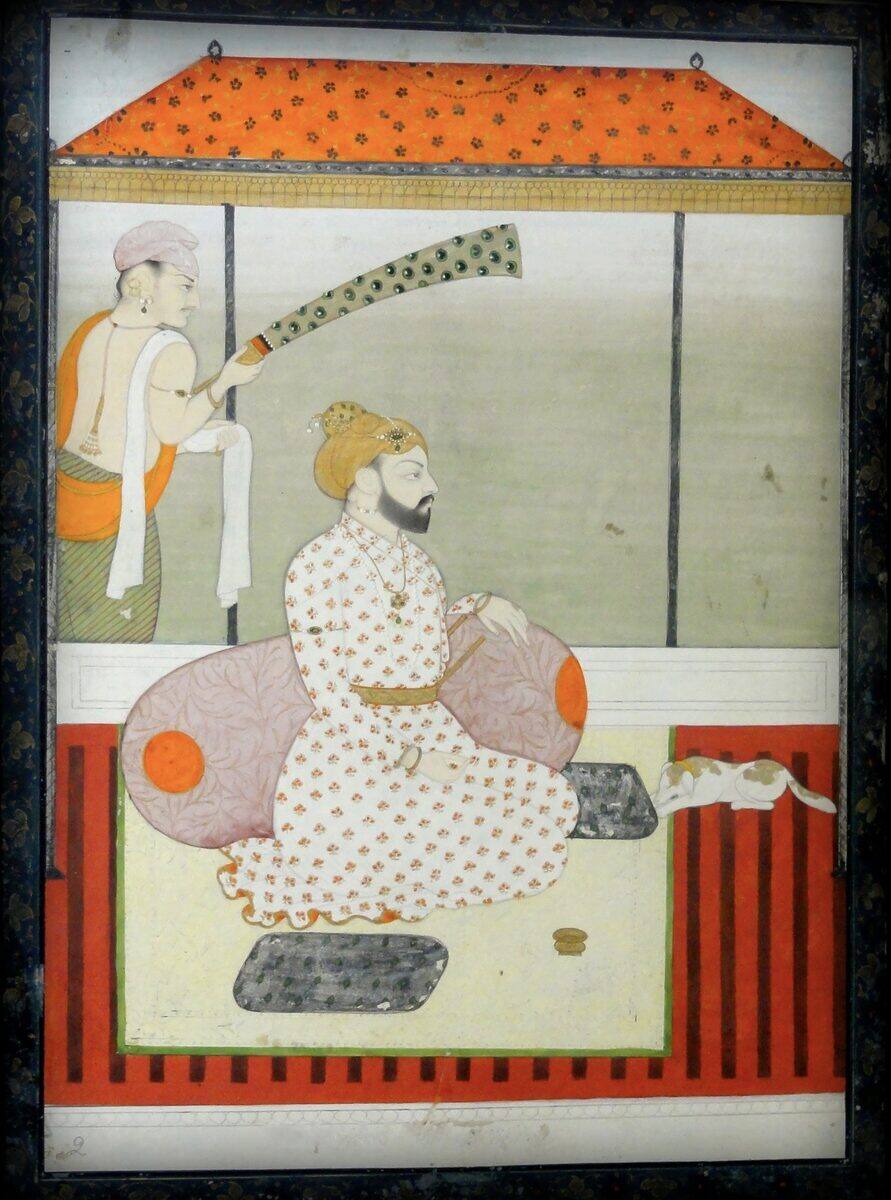 1504 – 1552
Guru Angad
Second Sikh Guru & Standardizer of the Gurmukhi Script
Sikh
The second Sikh Guru, who standardized the Gurmukhi script in which the sung scripture of the Sikhs is written — preserving Guru Nanak's hymns for the kirtan tradition and adding his own verses to the corpus.
Read profile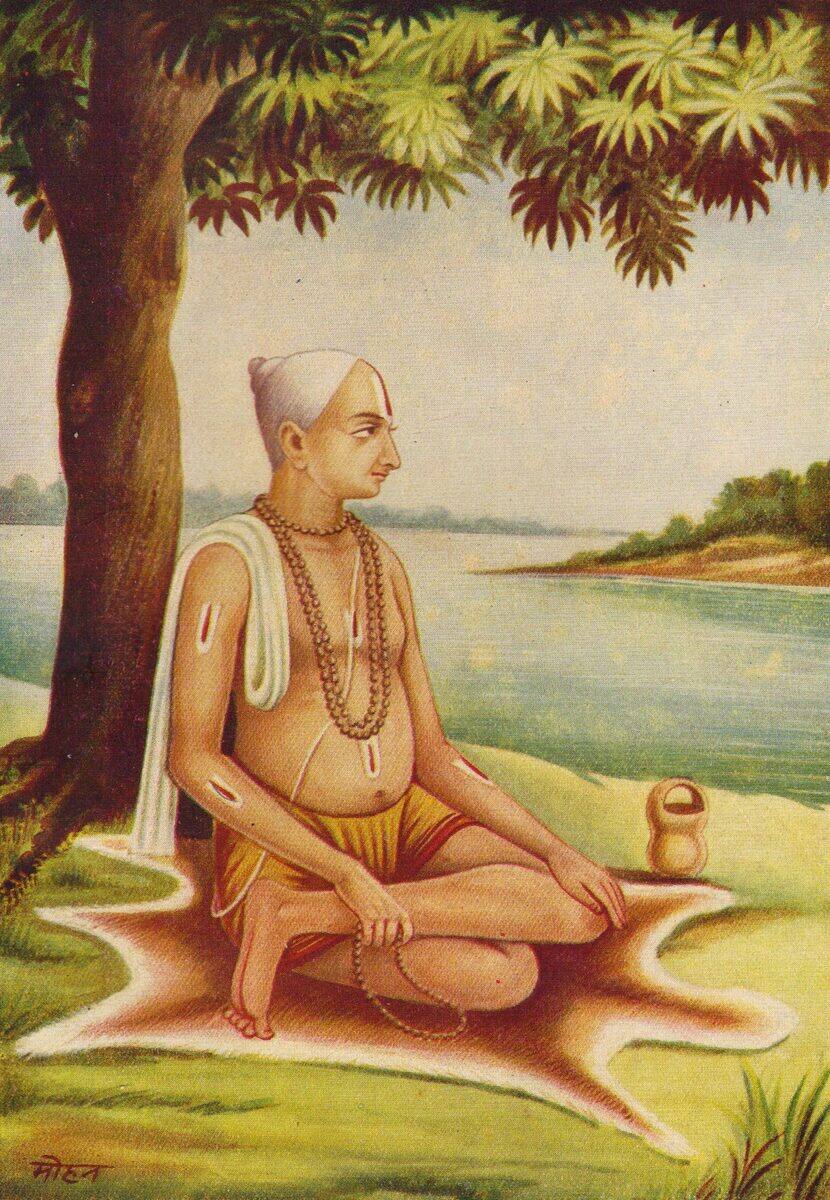 c. 1532 – 1623
Tulsidas
Author of the Ramcharitmanas & Hanuman Chalisa
Rama Bhakti / Sant
The poet-saint who retold the Ramayana in the language of the people and composed the Hanuman Chalisa — songs of Rama and Hanuman sung daily by millions and carried into Western kirtan by artists like Krishna Das.
Read profile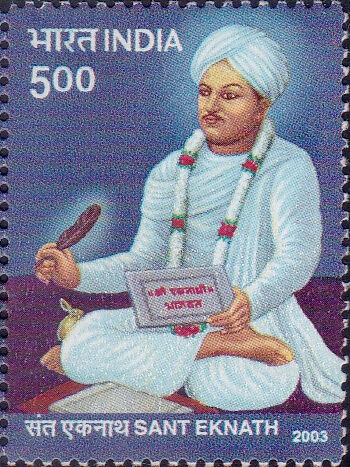 1533 – 1599
Eknath
Scholar-Saint & Kirtan Performer of Paithan
Varkari / Vitthal Bhakti
The householder-saint of Paithan who carried the Varkari song tradition across its darkest century — restoring the Dnyaneshwari, writing the Eknathi Bhagwat, and folding street-theater songs called bharuds into the art of kirtan.
Read profile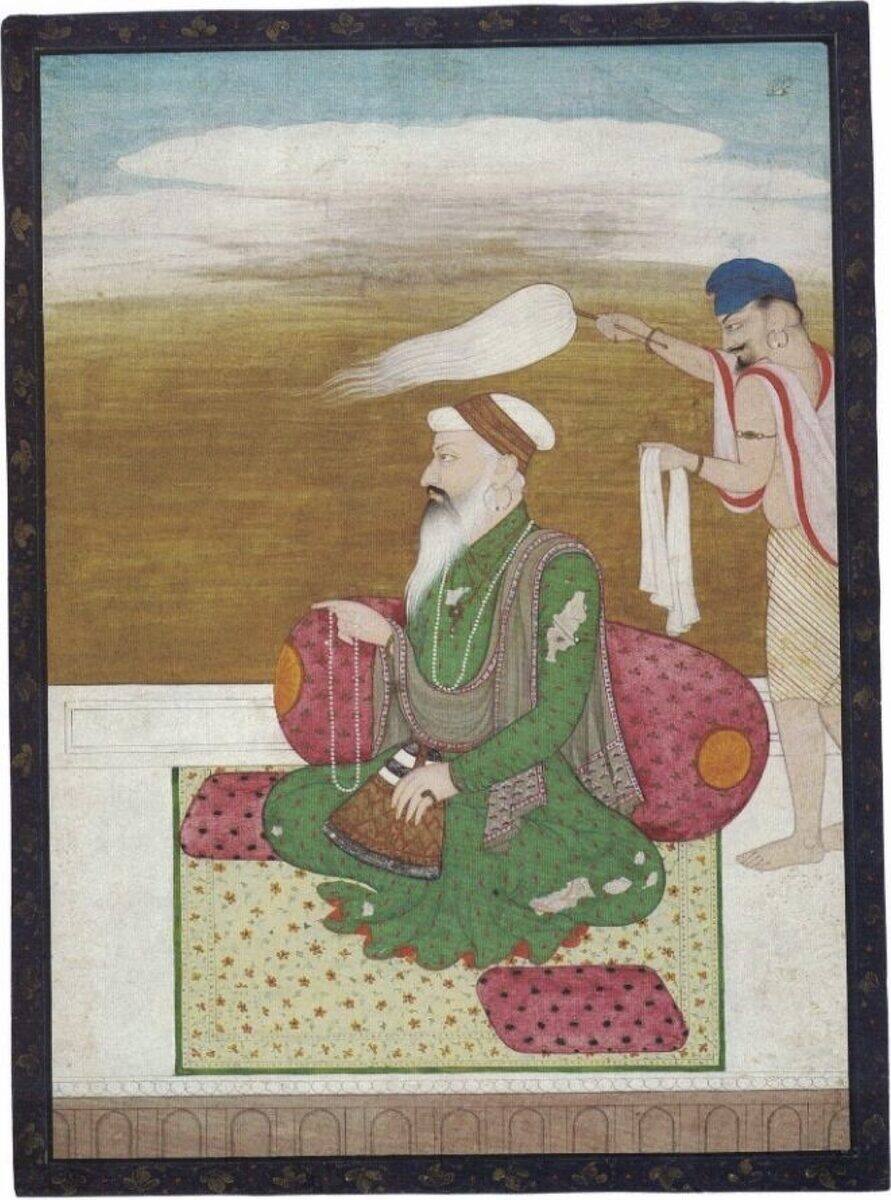 1534 – 1581
Guru Ram Das
Fourth Sikh Guru & Founder of Amritsar
Sikh
The fourth Sikh Guru, who founded the city of Amritsar and composed the Laavan wedding hymn — remembered for his humility and invoked by name in one of the best-loved chants of the Western kirtan world.
Read profile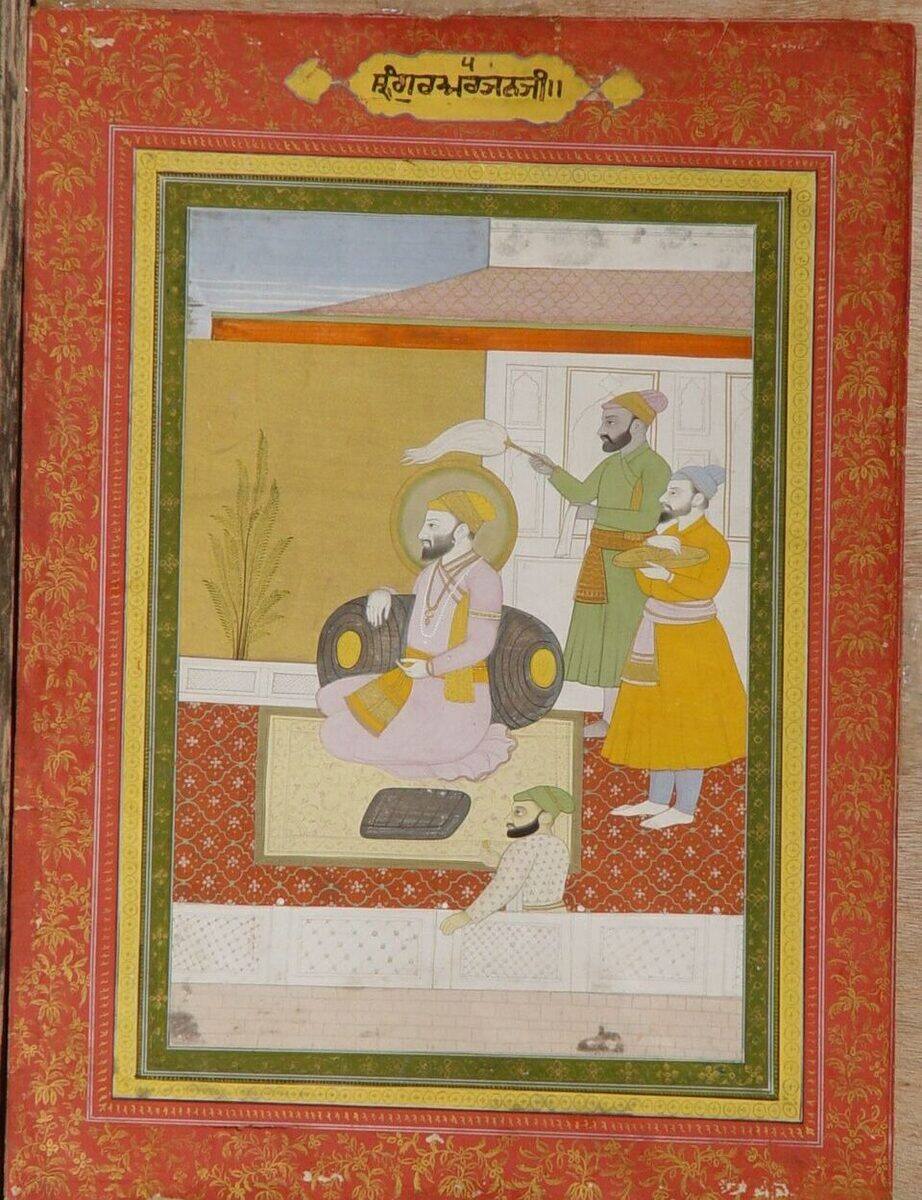 1563 – 1606
Guru Arjan
Compiler of the Adi Granth & Fifth Sikh Guru
Sikh
The fifth Sikh Guru, who built the Harmandir Sahib, compiled the Adi Granth in 1604 — organizing the scripture by the ragas in which its hymns are sung — and became the tradition's first martyr.
Read profile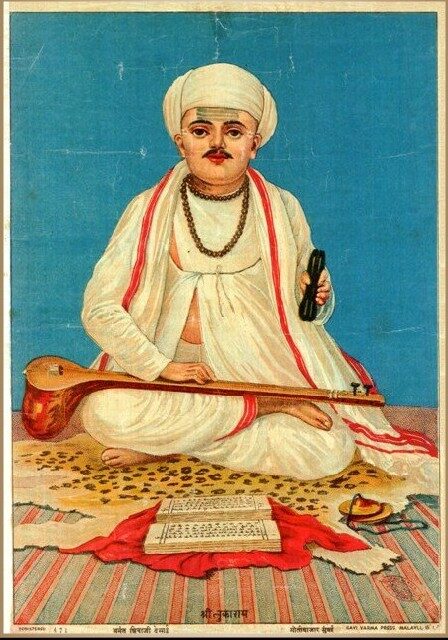 c. 1608 – c. 1649
Tukaram
Varkari Poet-Saint of the Abhang
Varkari / Vitthal Bhakti
The 17th-century Marathi poet-saint whose abhangs to Vitthal gave the Varkari tradition its songbook — devotional verses still sung by pilgrims on the road to Pandharpur.
Read profile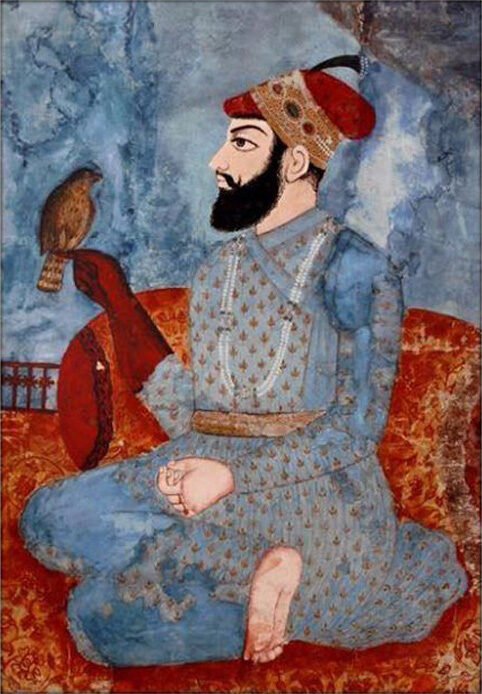 1621 – 1675
Guru Tegh Bahadur
Ninth Sikh Guru & Martyr for Freedom of Faith
Sikh
The ninth Sikh Guru — contemplative poet whose hymns of detachment and fearlessness live in the Guru Granth Sahib, and who gave his life in Delhi defending another community's freedom to worship.
Read profile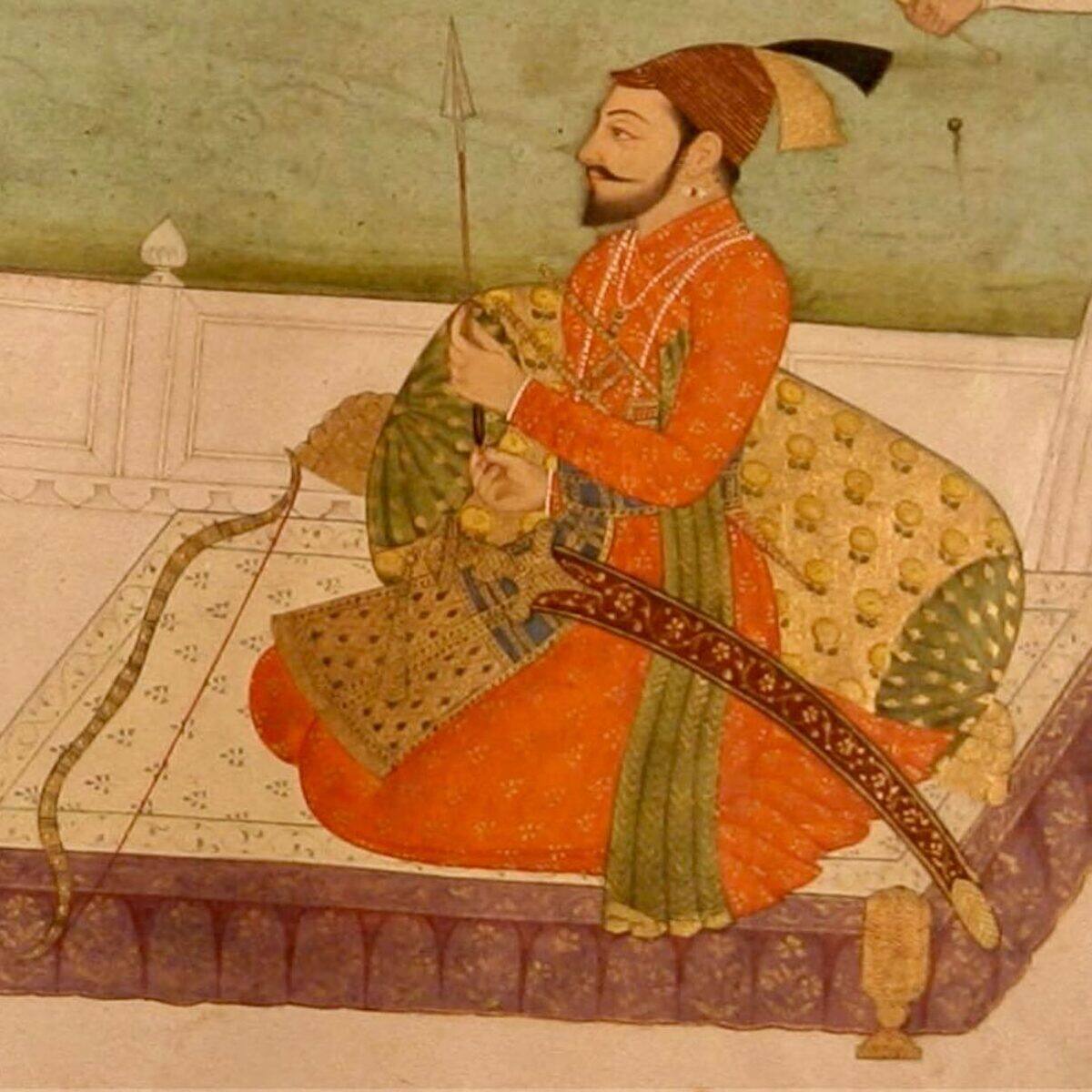 1666 – 1708
Guru Gobind Singh
Tenth Sikh Guru, Poet & Founder of the Khalsa
Sikh
The tenth and last human Sikh Guru — warrior, philosopher, and prodigious sacred poet — who founded the Khalsa and closed the line of living Gurus by enthroning the sung scripture itself as Guru eternal.
Read profile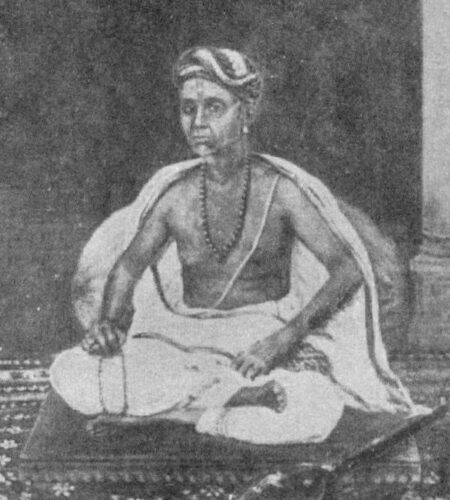 1767 – 1847
Tyagaraja
Saint-Composer of Carnatic Music
Carnatic / Rama Bhakti
South India's greatest saint-composer, who poured a lifetime of Rama-devotion into some 700 songs — and whose divya nama sankirtanas were written precisely so that ordinary people could sing God's name together.
Read profile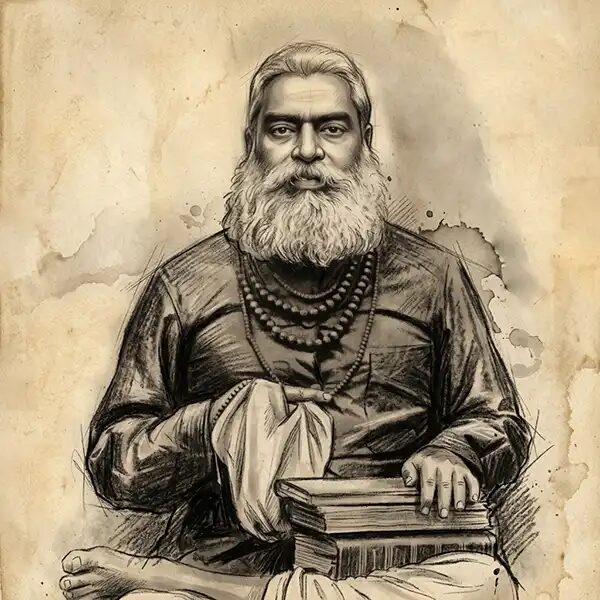 1838 – 1914
Bhaktivinoda Thakura
Reviver of the Gaudiya Tradition
Gaudiya Vaishnava
A 19th-century Bengali magistrate, scholar, and prolific songwriter who revived the Gaudiya Vaishnava tradition, rediscovered Chaitanya’s birthplace, and composed devotional songs still sung in Kirtan.
Read profile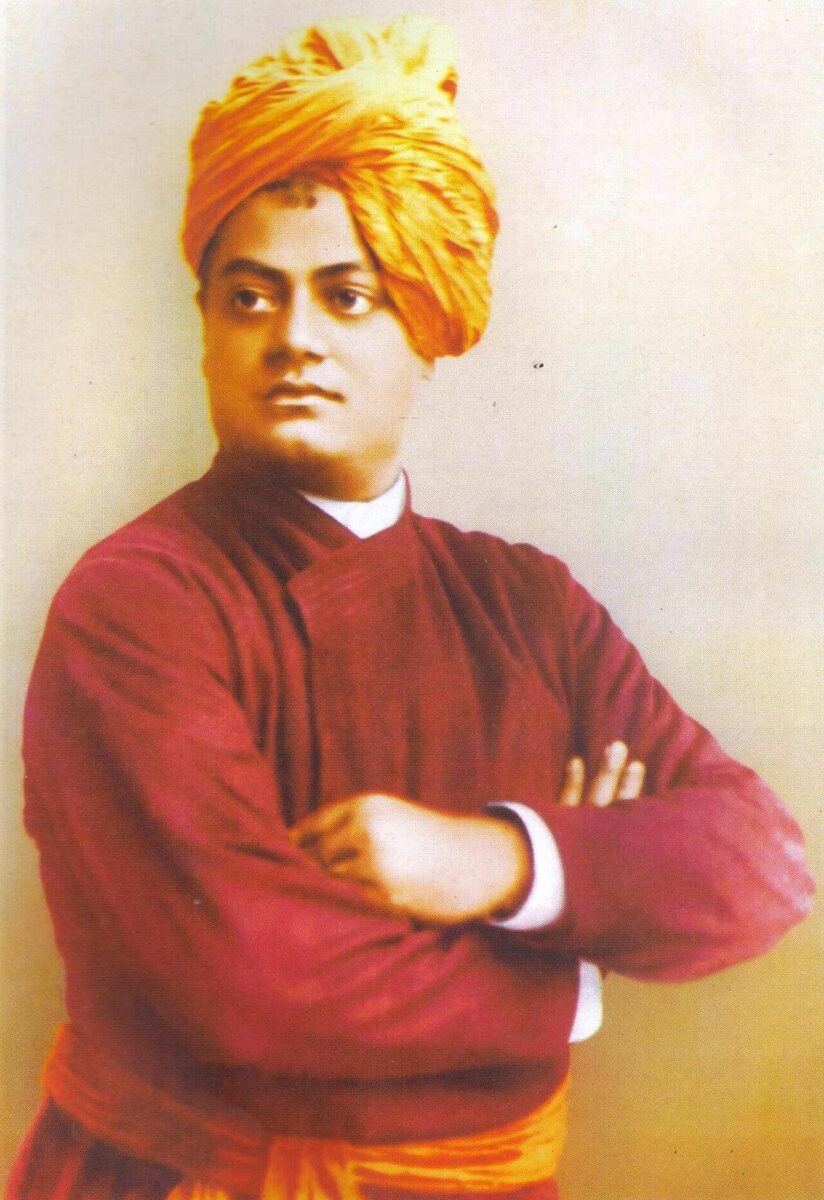 1863 – 1902
Swami Vivekananda
First Ambassador of Vedanta to the West
Vedanta / Yoga
The magnetic monk whose "Sisters and brothers of America" electrified Chicago in 1893 — the first Indian teacher to plant Vedanta and yoga in Western soil, opening the road every later chant and kirtan artist traveled.
Read profile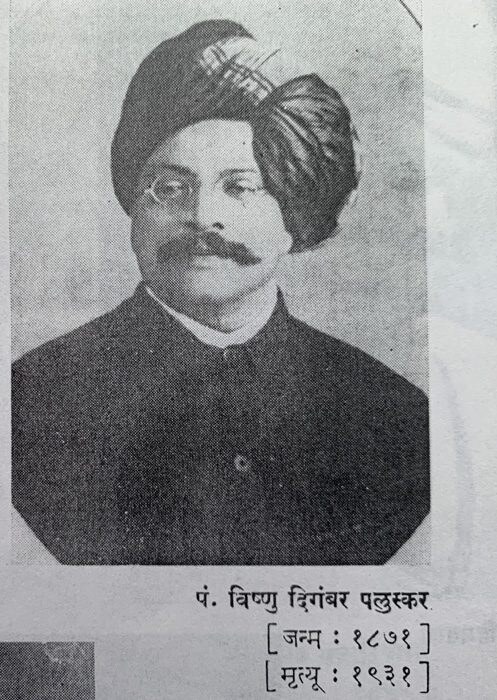 1872 – 1931
Vishnu Digambar Paluskar
Reviver of Devotional Music & Voice of the Ram Dhun
Hindustani / Ram Bhakti
The singer-reformer who carried bhajan out of the temple and onto the public concert stage — founder of the Gandharva Mahavidyalaya and the voice whose Ram dhun, "Raghupati Raghava Raja Ram," became the marching song of a nation.
Read profile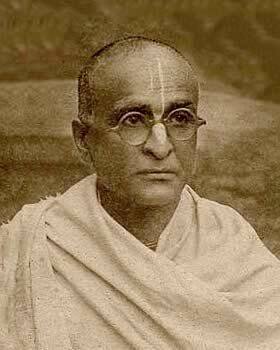 1874 – 1937
Bhaktisiddhanta Sarasvati
Founder of the Gaudiya Math
Gaudiya Vaishnava
The scholar-monk who rebuilt Chaitanya's sankirtana movement into a modern mission of 64 centers — and whose instruction to a young Calcutta disciple to "preach in English" set the Hare Krishna mantra on its journey West.
Read profile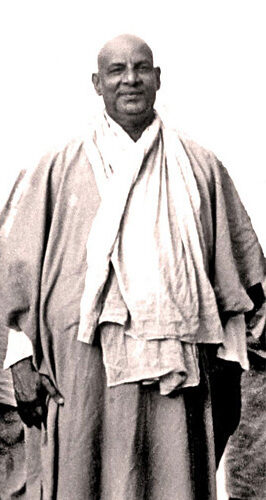 1887 – 1963
Swami Sivananda
Rishikesh Master Who Made Kirtan a Daily Yoga Practice
Yoga / Divine Life Society
The doctor-turned-sage of Rishikesh who prescribed kirtan as medicine for the modern soul — his Divine Life Society made chanting a daily practice, and his disciples carried that song into yoga studios across the West.
Read profile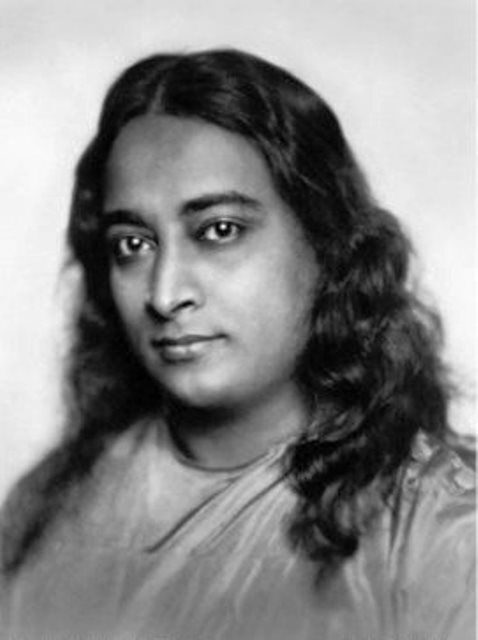 1893 – 1952
Paramahansa Yogananda
Pioneer of Chant in the West
Kriya Yoga
Author of "Autobiography of a Yogi" who brought yoga and devotional chanting to America in the 1920s — famously leading thousands in chant at Carnegie Hall in 1926.
Read profile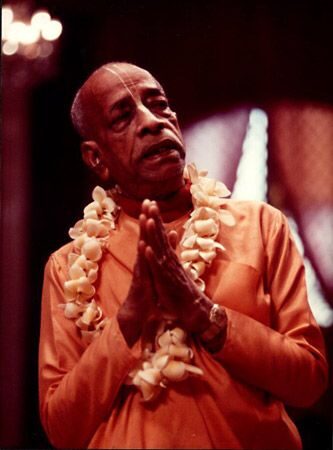 1896 – 1977
A.C. Bhaktivedanta Swami Prabhupada
Founder-Acharya of ISKCON
Gaudiya Vaishnava / ISKCON
The teacher who carried the Hare Krishna maha-mantra to the West — chanting in a New York park in 1966, founding ISKCON, and igniting the global spread of Kirtan.
Read profile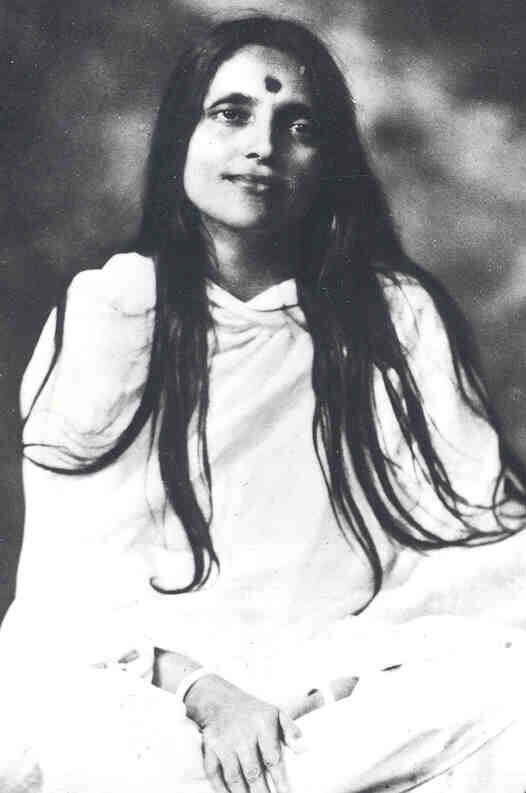 1896 – 1982
Anandamayi Ma
The "Joy-Permeated Mother" of Ecstatic Kirtan
Bhakti / Bengali Devotion
The Bengali saint whose ecstatic absorption in kirtan gave her the name "Joy-Permeated Mother" — one of the most revered spiritual figures of 20th-century India, whose presence introduced countless seekers, East and West, to the power of the sung divine name.
Read profile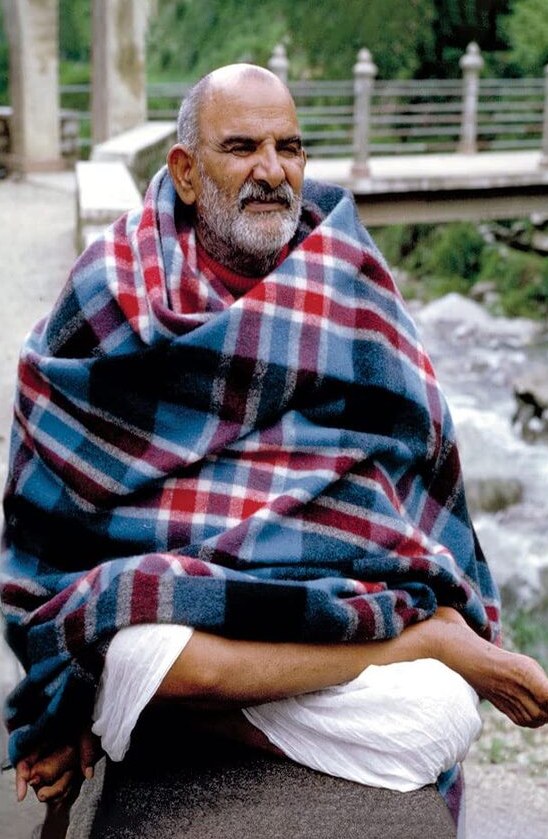 c. 1900 – 1973
Neem Karoli Baba
Guru of the Western Kirtan Generation
Bhakti / Hanuman Devotion
The beloved saint of Kainchi Dham whose Western devotees — among them Ram Dass, Krishna Das, Jai Uttal, and Bhagavan Das — returned home to seed the modern Kirtan movement.
Read profile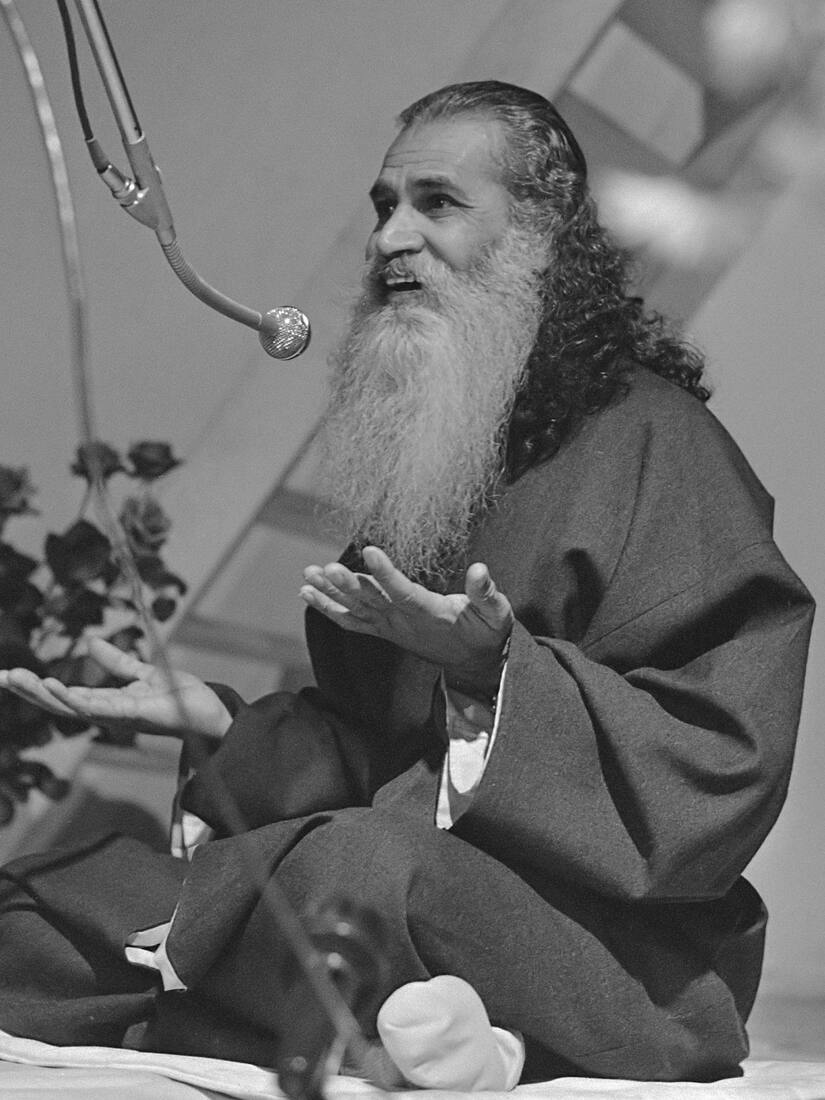 1914 – 2002
Swami Satchidananda
The Woodstock Swami Who Opened a Festival with a Chant
Yoga / Integral Yoga
The Sivananda disciple who opened Woodstock in 1969 by leading half a million people in "Hari Om" — and then spent three decades making chanting a doorway into yoga for mainstream America.
Read profile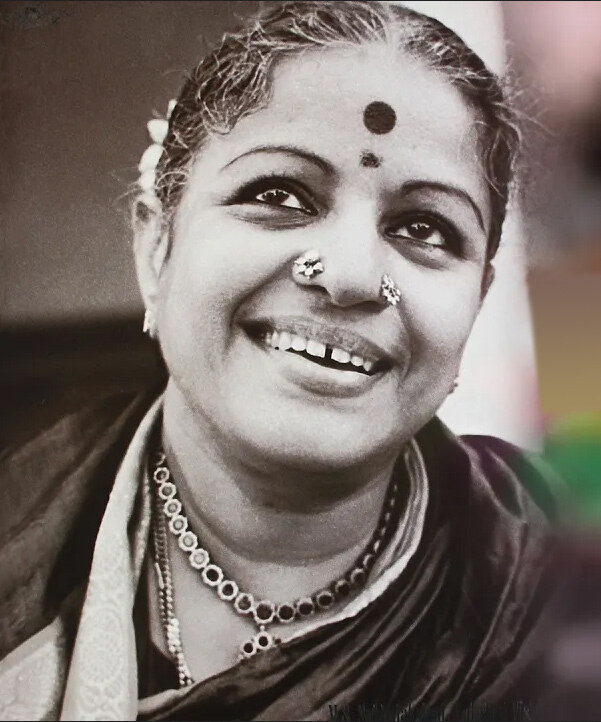 1916 – 2004
M.S. Subbulakshmi
Carnatic Legend Who Carried Bhajan to the World
Carnatic / Bhajan
The voice Gandhi asked for by name and the first musician awarded the Bharat Ratna — the Carnatic legend whose bhajans and sacred recordings still open the day in millions of Indian homes and temples.
Read profile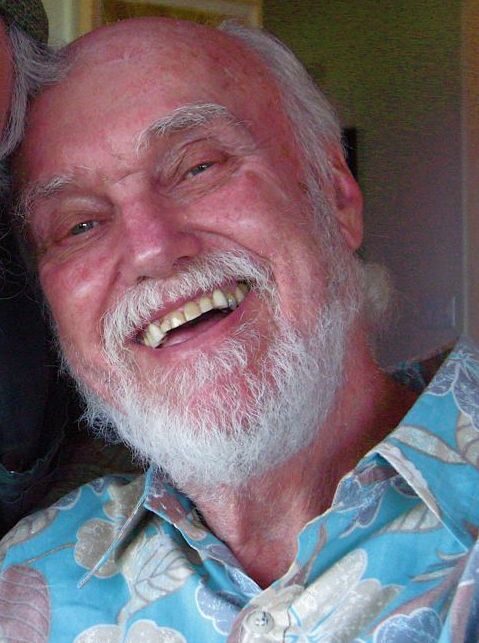 1931 – 2019
Ram Dass
Author of Be Here Now & Bridge to Western Bhakti
Bhakti / Neem Karoli Baba Lineage
The Harvard psychologist who became Neem Karoli Baba's most famous Western devotee — his book Be Here Now turned a generation toward India, and his satsang gave Western kirtan its first family.
Read profile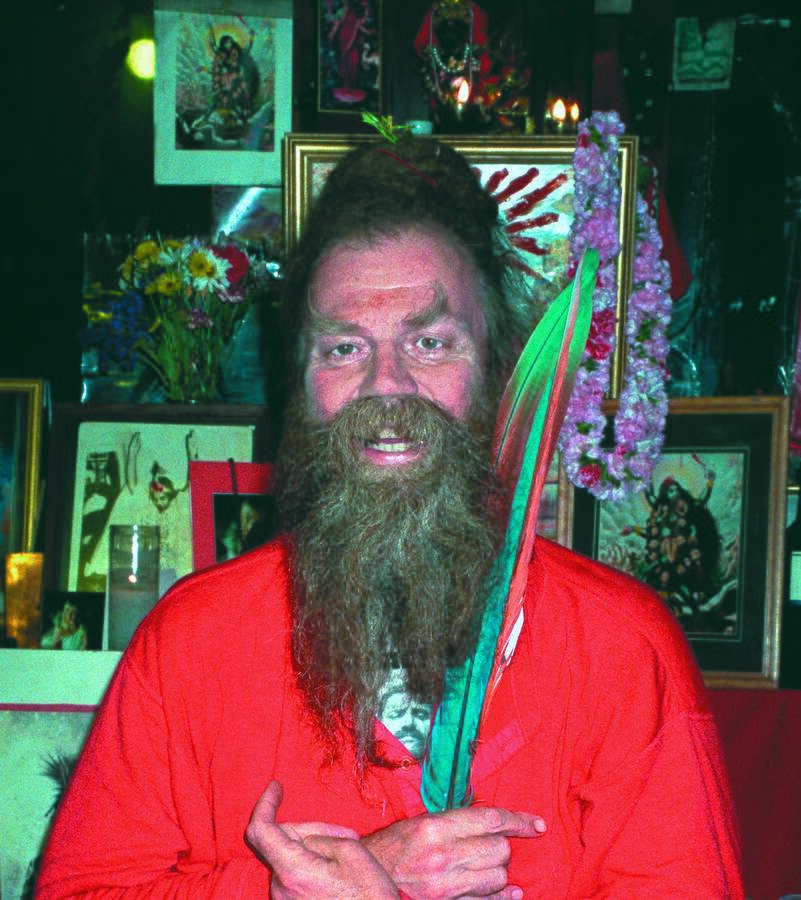 b. 1945
Bhagavan Das
The American Sadhu Who Led Ram Dass to His Guru
Bhakti / Neem Karoli Baba Lineage
The six-and-a-half-foot American sadhu who guided Ram Dass to Neem Karoli Baba in 1967 — and came home to become one of the very first Western voices of kirtan, chanting Sri Ram with his ektara decades before "yoga music" existed.
Read profile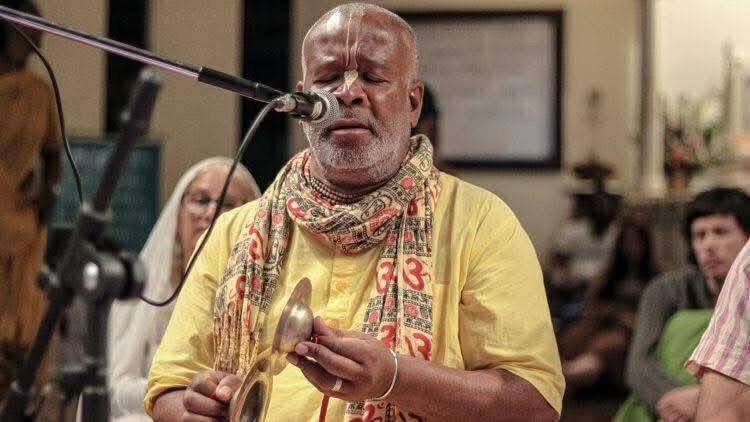 1949 – 2026
Agnideva Dasa
Five-Decade ISKCON Kirtaniya & Keeper of Bengali Bhajan
Gaudiya Vaishnava / ISKCON
The Trinidad-born ISKCON kirtaniya whose voice carried the Hare Krishna maha-mantra through five decades of temple, street, and recording life — preserving the melodic feeling of Bengali bhajan for devotees around the world.
Read profile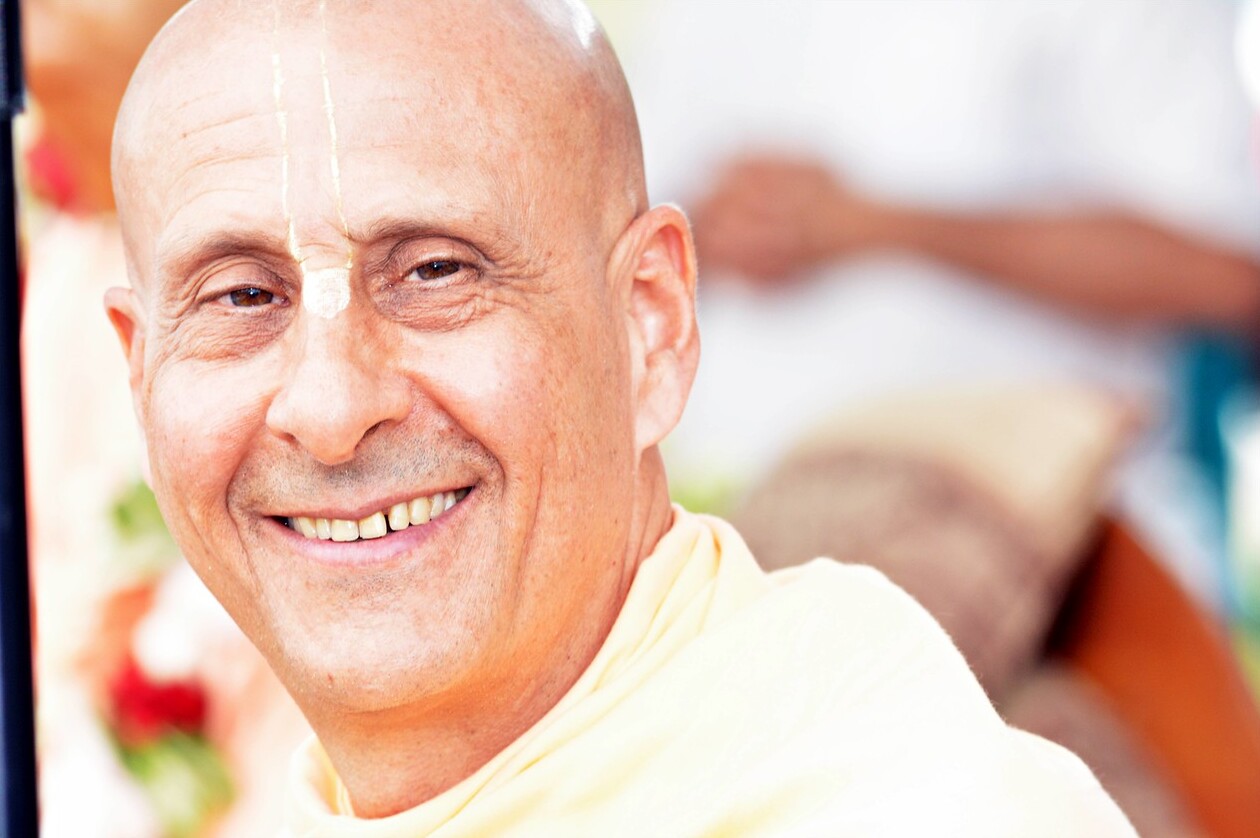 b. 1950
Radhanath Swami
Bhakti Teacher & Author of The Journey Home
Gaudiya Vaishnava / ISKCON
The Chicago-born teenager who hitchhiked overland to India in 1970 and became one of the most beloved living teachers of bhakti — guiding Mumbai's Radha Gopinath community and telling his story in the modern classic The Journey Home.
Read profile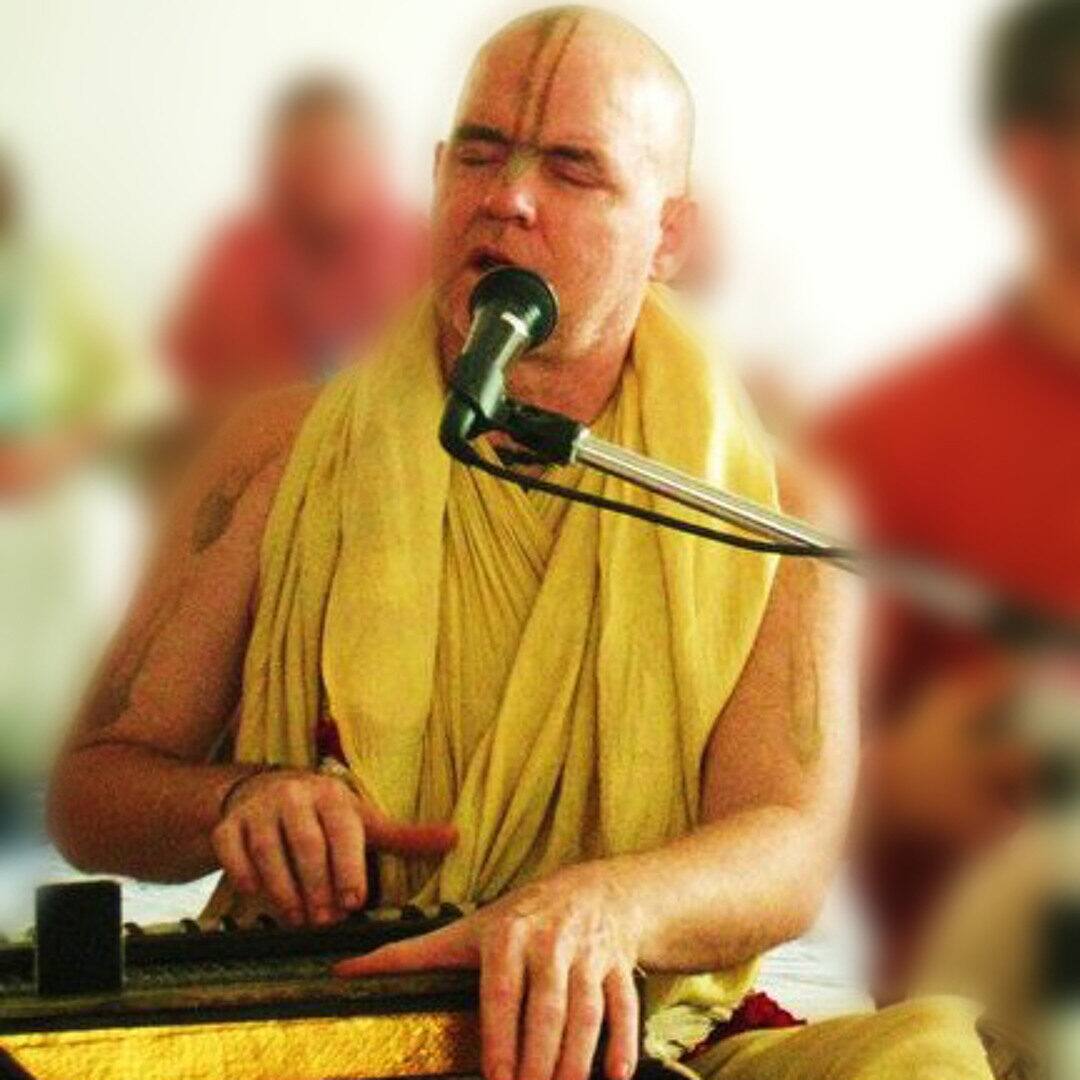 1953 – 2010
Aindra Das
Reviver of Round-the-Clock Kirtan
Gaudiya Vaishnava / ISKCON
The ISKCON devotee whose 24-hour Kirtan in Vrindavan revived a melodic, immersive style of chanting that profoundly shaped the sound of modern Kirtan.
Read profile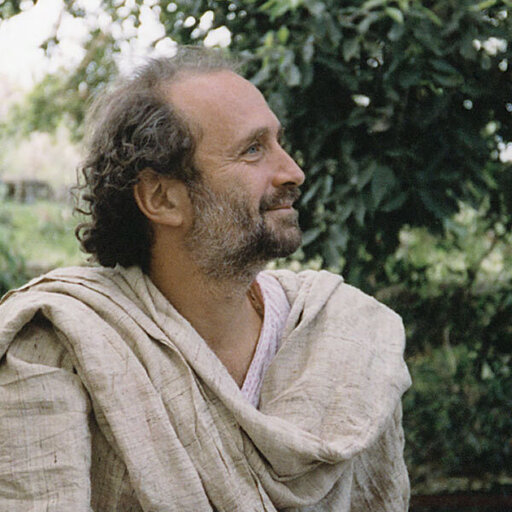 1953 – 2013
Shyamdas
Western Scholar-Kirtaniya of the Path of Grace
Krishna Bhakti / Pushtimarg
The Connecticut-born scholar who spent forty years inside the Pushtimarg lineage of Braj — translating its poetry of divine love and singing its kirtans until he became Western Bhakti's beloved elder.
Read profile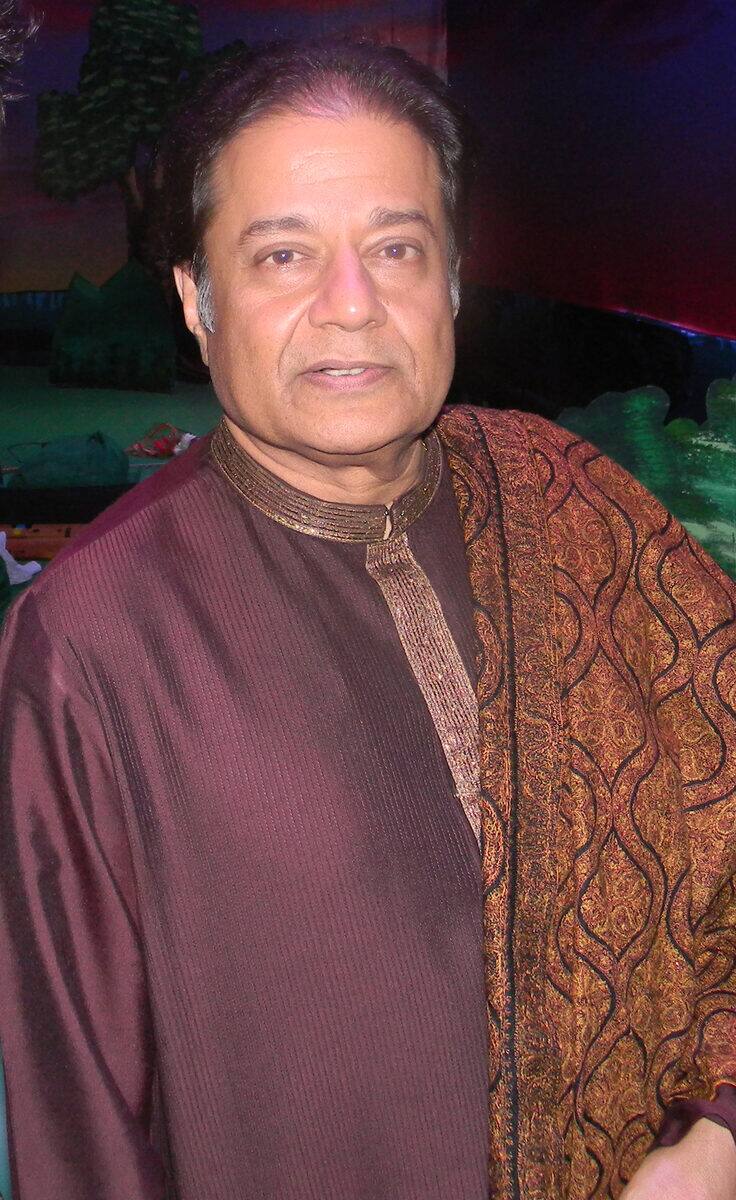 b. 1953
Anup Jalota
"Bhajan Samrat" — Emperor of Bhajan
Hindustani / Bhajan
The most celebrated living voice of the concert bhajan — the "Bhajan Samrat" whose renditions of "Aisi Lagi Lagan" and Mirabai's "Rang De Chunariya" filled halls worldwide and made the bhajan a headline art of its own.
Read profile