
हरे कृष्ण हरे कृष्ण, कृष्ण कृष्ण हरे हरे | हरे राम हरे राम, राम राम हरे हरे ||
Hare Krishna Maha Mantra
Hare Krishna Hare Krishna, Krishna Krishna Hare Hare | Hare Rama Hare Rama, Rama Rama Hare Hare
Listen & Chant Along
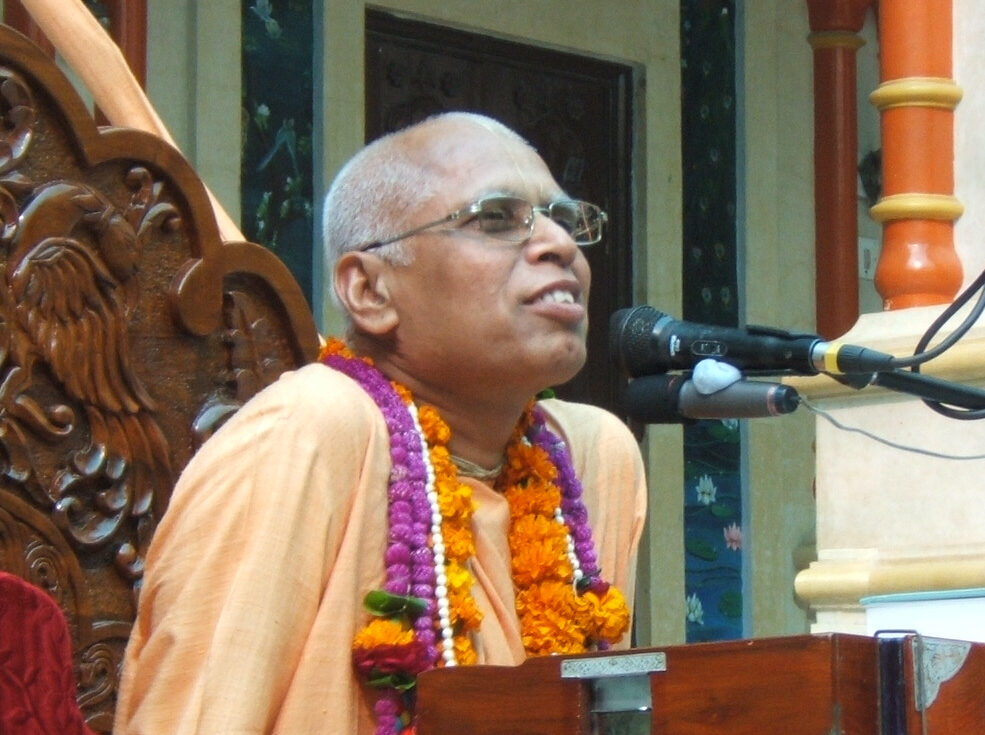
Listen & chant along — performed by Lokanath Swami
"A direct call to the divine energy of Krishna and Rama"
Meaning & Translation
Sanskrit
हरे कृष्ण हरे कृष्ण, कृष्ण कृष्ण हरे हरे | हरे राम हरे राम, राम राम हरे हरे ||
Transliteration
Hare Krishna Hare Krishna, Krishna Krishna Hare Hare | Hare Rama Hare Rama, Rama Rama Hare Hare
Pronunciation
hah-REY krish-nah | hah-REY rah-mah
Deity / Quality Invoked
Krishna
Full Translation
The Maha Mantra — the 'great mantra' — consists of three names of the divine: Hare (the divine energy, or Radha), Krishna (the all-attractive), and Rama (the source of all joy). Chanting it is considered the most potent spiritual practice for this age.
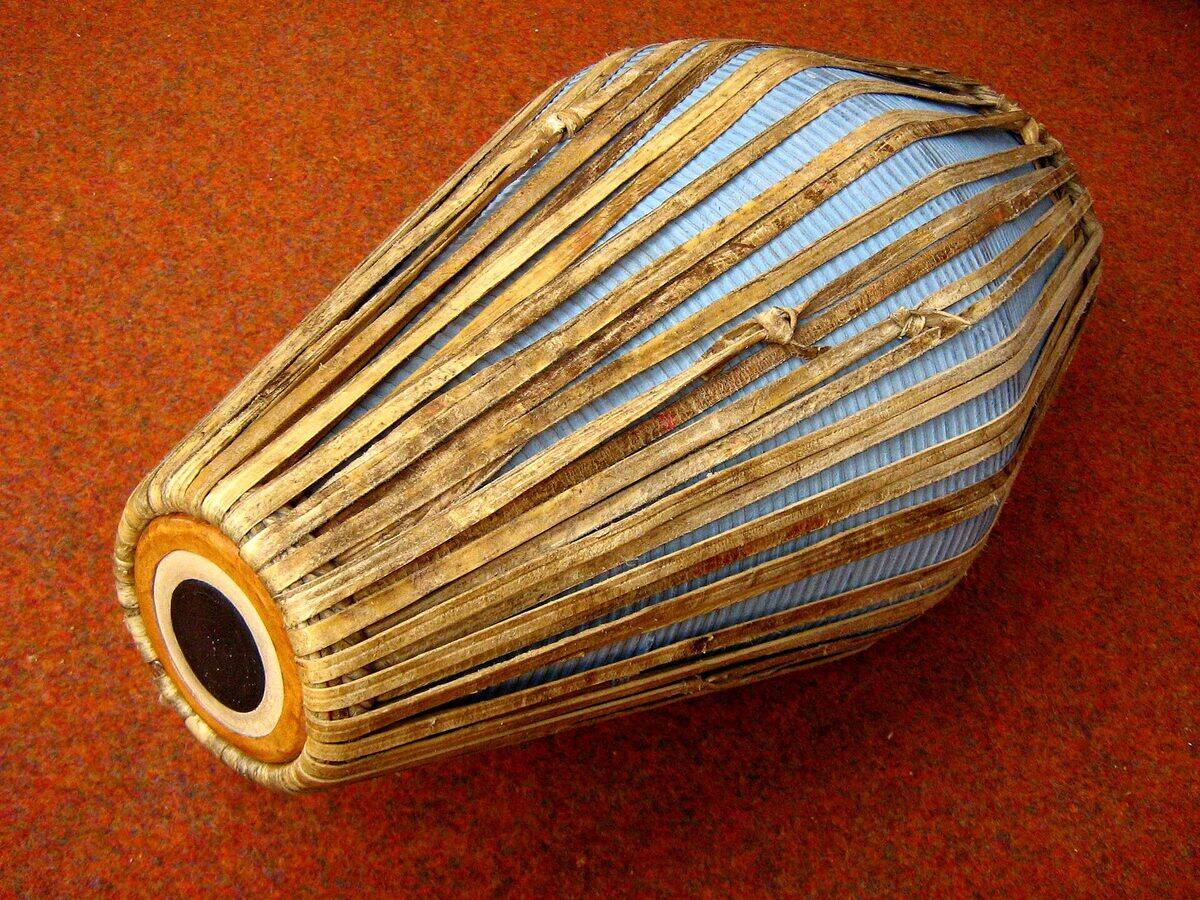
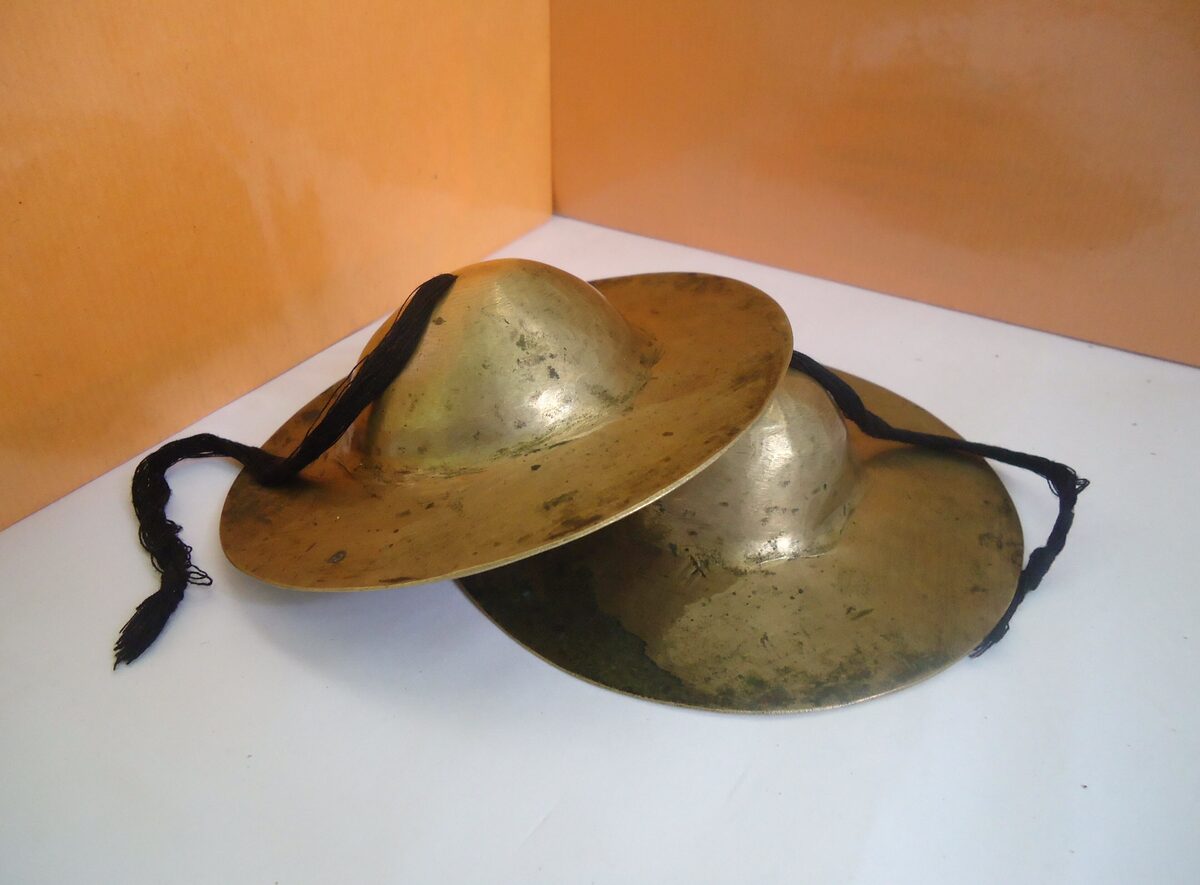
For Leaders
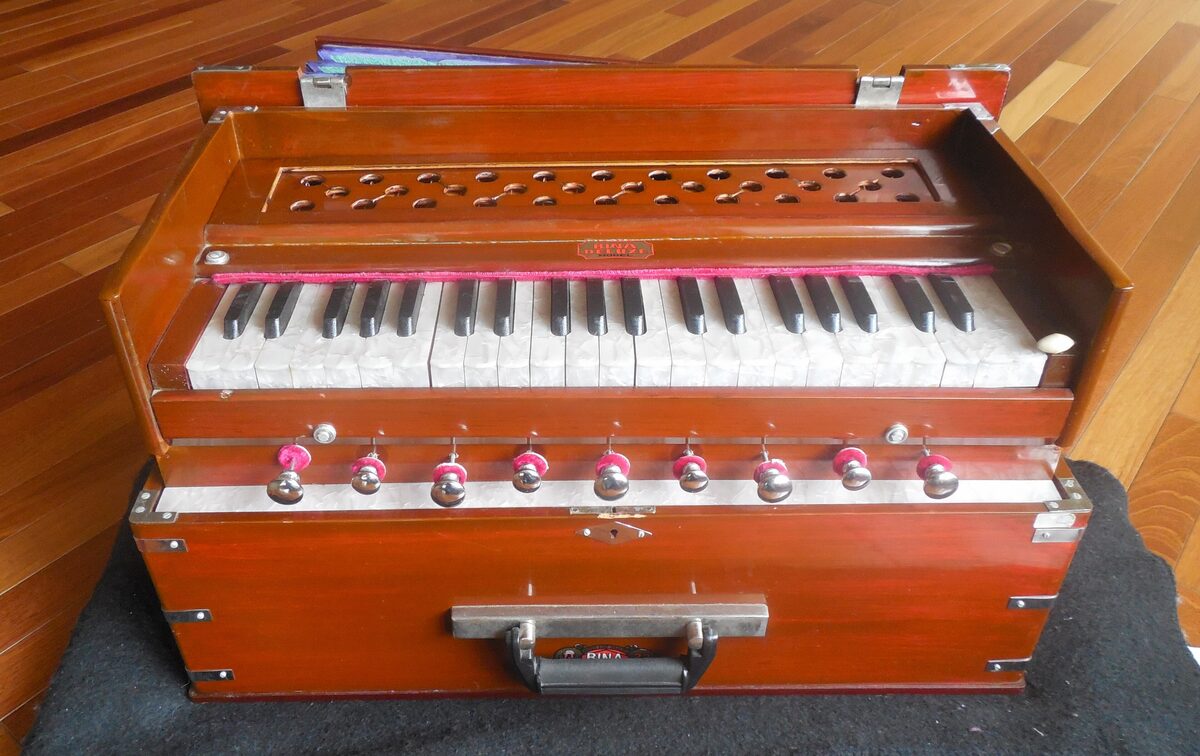
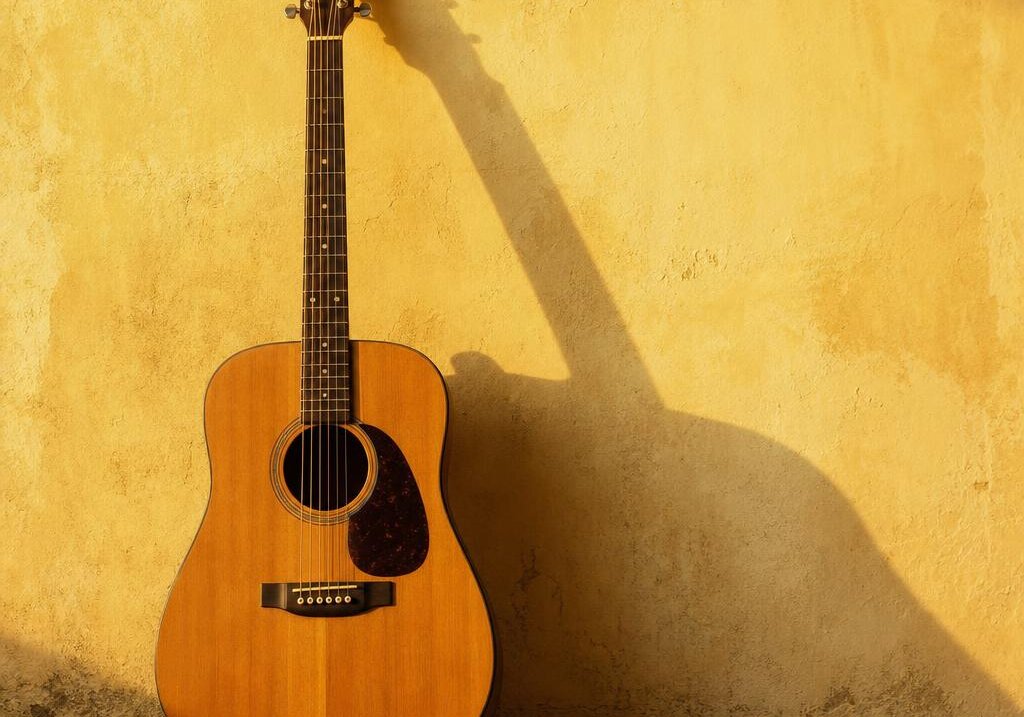
Chords and structure for leading this chant on harmonium or guitar — transcribed from the linked recording. New to leading? Read our guide to leading kirtan →
Original key
Em
Tempo & feel
Start slow (~70 bpm), steady and flowing; build gradually over 10–20 minutes
Chord Chart
Strumming & rhythm (4/4)
D = downstrum, U = upstrum, · = let it ring. the classic kirtan strum; this is the pattern most circles sing this to.
Call
Response
Call & Response Structure
Classic call-and-response: lead each couplet, the circle repeats it identically. Sit on Em through most of each line and lean into D at the line ends. Build tempo and intensity together, then bring it all the way back down and close on a held Em drone.