Mridanga
PercussionBengal / Gaudiya Vaishnava tradition

Mridanga

also known as Khol, Mridangam

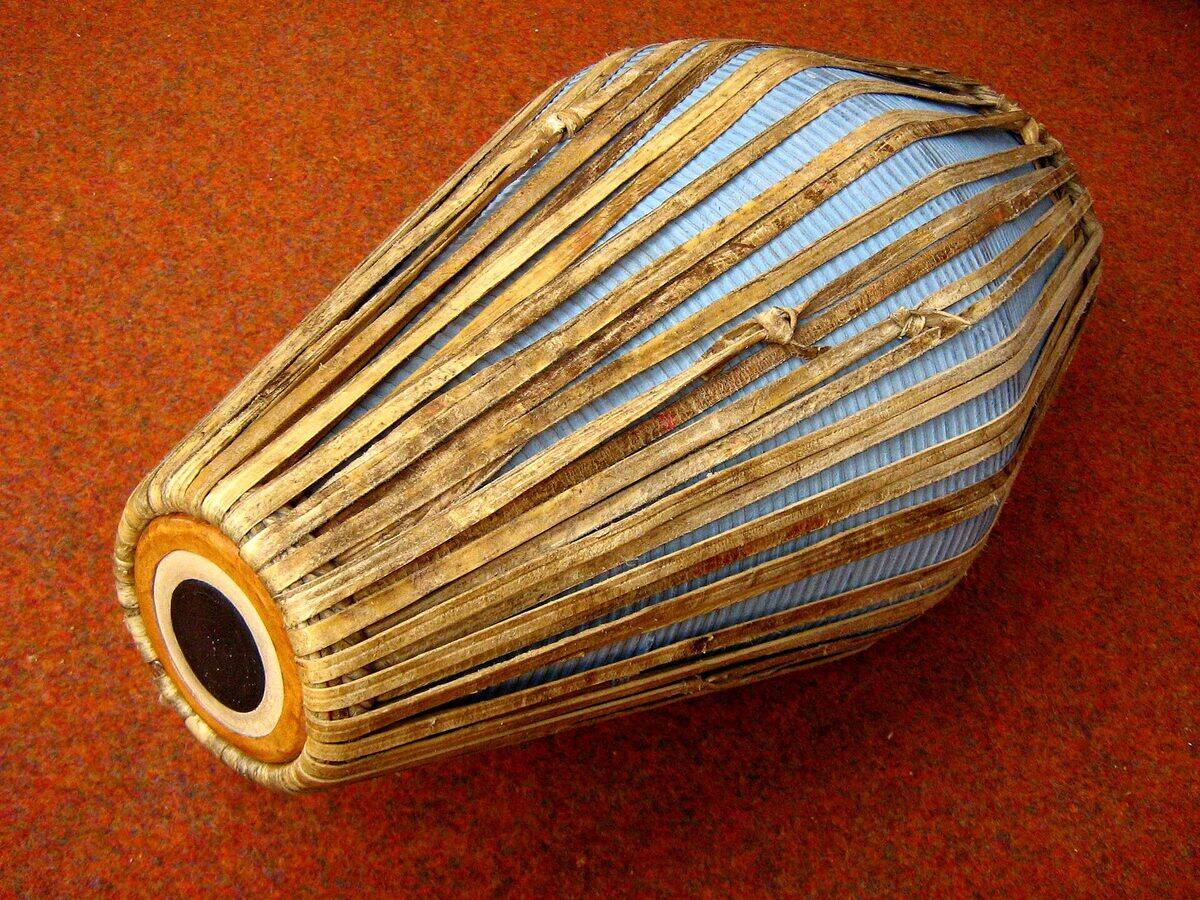
The two-headed clay drum at the rhythmic core of traditional Vaishnava Kirtan.

Share

About the Mridanga

The mridanga (in its Bengali form, the khol) is a double-headed drum with a body of baked clay and two heads of differing size, giving a deep bass on one side and a sharp, high crack on the other. It is the classic drum of Gaudiya Vaishnava Kirtan — the tradition of Chaitanya Mahaprabhu and, later, ISKCON — and drives the rolling, danceable rhythms of congregational chanting. The South Indian mridangam is a related wooden cousin used in Carnatic music. Played hanging from a strap so the musician can dance while drumming, the mridanga's heartbeat is inseparable from Hare Krishna Kirtan.

Its Role in Kirtan

The mridanga is the drum that turned Kirtan into a public movement. Around five hundred years ago Chaitanya Mahaprabhu led chanting parties through the streets of Bengal, and the clay khol — light enough to hang from the shoulder, loud enough to carry outdoors — set the pace as devotees sang and danced behind it. It has anchored Gaudiya Vaishnava kirtan ever since: its high head cracks through massed voices while the bass head rolls underneath, and skilled players dance as they drum. When ISKCON carried Hare Krishna chanting to New York in 1966 the mridanga came too, becoming one of the first Indian devotional instruments Westerners ever heard on a city sidewalk; the movement even developed molded fiberglass versions to survive life on tour. In any traditional Krishna Kirtan today, the mridanga's galloping rhythms are still what pull a crowd to its feet.

See & Hear the Mridanga

Mantras Sung with the Mridanga

Chants traditionally accompanied by the mridanga in kirtan and practice.

Hear It in Practice

Terms in the Glossary

Words from this page, explained in our A–Z reference.

Keep Exploring

Continue Your Journey

All resources