
Bhaktisiddhanta Sarasvati: The Scholar-Monk Who Sent Kirtan West
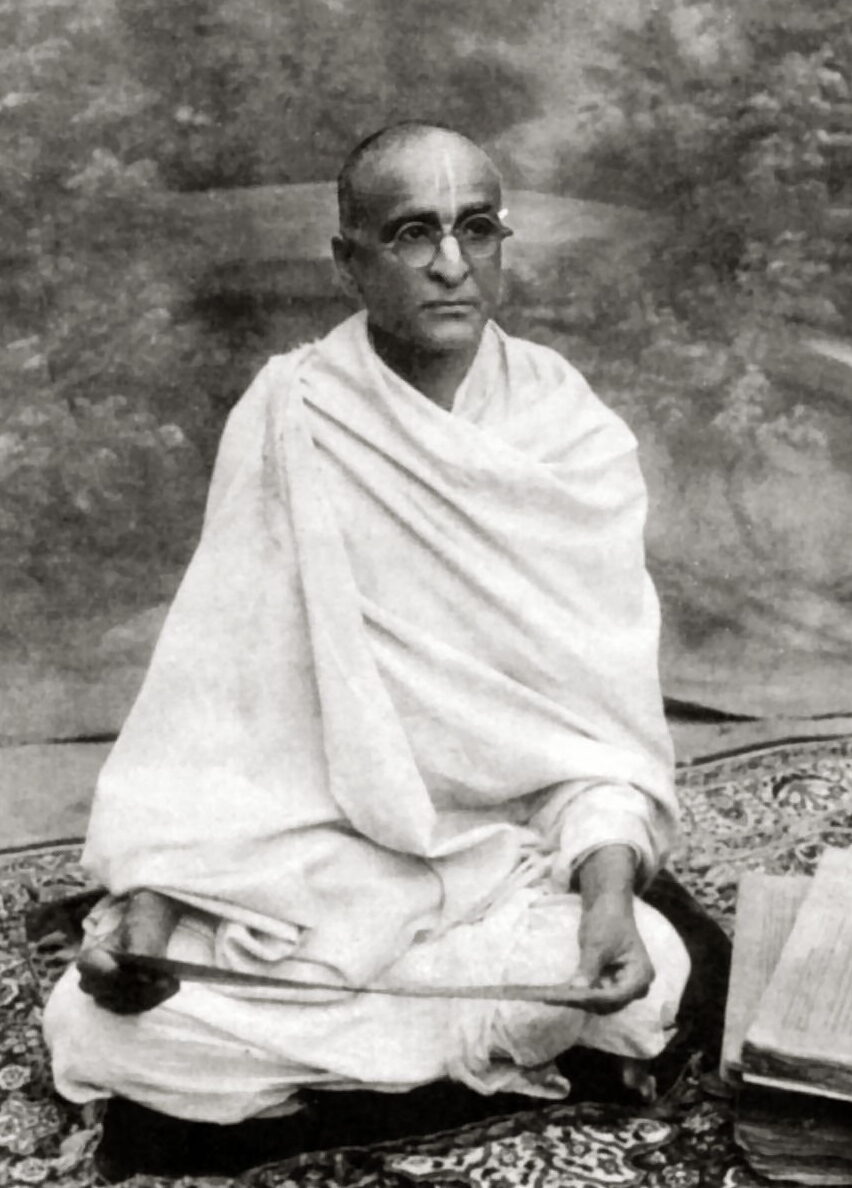
Bhaktisiddhanta Sarasvati was born Bimala Prasad in Puri in 1874, the son of Bhaktivinoda Thakura — the magistrate-saint who had almost single-handedly revived the tradition of Chaitanya Mahaprabhu in Bengal. The boy was a prodigy who devoured Sanskrit, mathematics, and astronomy, earning the title Siddhanta Sarasvati for his learning while still a young man, and a reputation as a "living encyclopedia." He inherited his father's mission whole: to restore Chaitanya's nama-sankirtana — the congregational chanting of the holy names — to intellectual and spiritual respectability.
First, though, he sat down to chant. At Mayapur, Chaitanya's birthplace, he undertook a vow to chant the Hare Krishna Maha Mantra a billion times — close to a decade of some three hundred thousand names a day, counted on beads in a small thatched room. The scholar who could debate any pandit in Bengal grounded his life's work in the same simple practice kirtan rests on today: the name, repeated until it fills everything.
From 1918 he built the Gaudiya Math, a network that grew to sixty-four centers across India with outposts as far as London and Berlin — monasteries devoted to teaching Chaitanya's path of sankirtana with scholarly rigor and thoroughly modern means. He put teachers on trains, teachings on gramophone records, and sacred books on machine presses. The press he loved above all: he called it the brihat mridanga, "the great mridanga" — the traditional clay drum can be heard for a block, he said, but a printed book sounds across oceans and centuries.
The instruction that changed Western music history was given quietly. In 1922, in Calcutta, a young chemist named Abhay Charan De was brought to meet him, and at their very first conversation Bhaktisiddhanta told him he should carry Chaitanya's message to the world in English. The young man took initiation from him in 1933 at Allahabad — and spent three more decades preparing before he sailed for New York in 1965 as Srila Prabhupada. Everything that followed — the chanting under the elm in Tompkins Square Park, the Hare Krishna movement, the mantra's arrival in Western popular culture — flowed from that one instruction.
Bhaktisiddhanta passed away on the first day of 1937, before he could see where his command would lead. But the lineage he rebuilt now sings on every continent: traveling monks initiated in his line, like Sacinandana Swami and Indradyumna Swami, still carry festival kirtan around the world, and The Mayapuris — a band of second-generation Western devotees — take their very name from the holy town where a scholar once sat alone in a thatched room, chanting a billion names.
Terms in the Glossary
Words from this page, explained in our A–Z reference.
Join the Kirtans.com Community
Receive occasional updates — thoughtfully curated devotional music, upcoming gatherings, artist announcements, new resources, and inspiration to support your Bhakti practice.
From This Article
More Articles Like This
Harmonium Basics for Kirtan
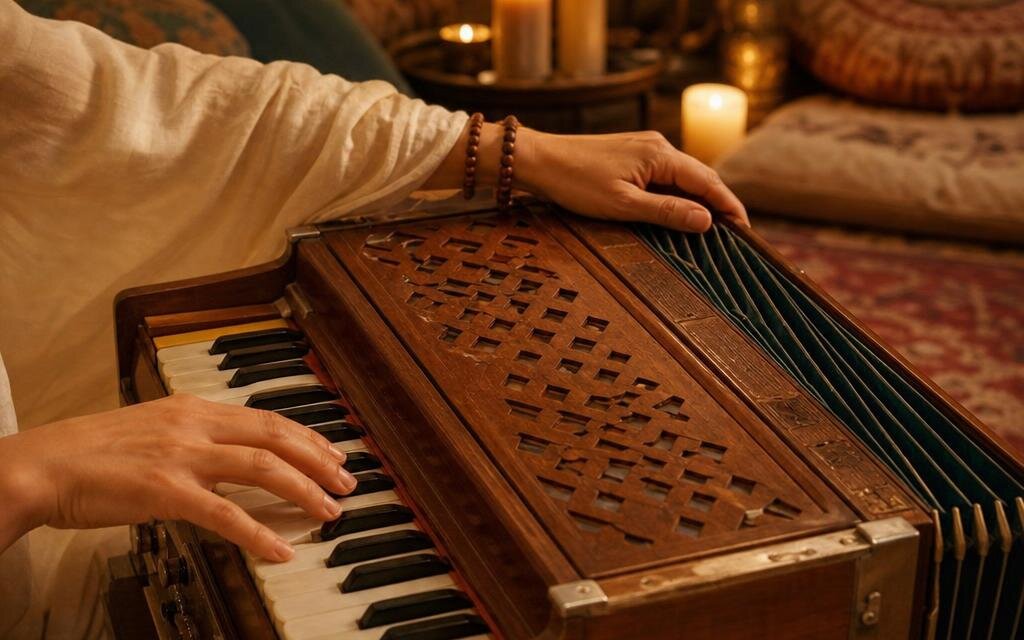
The harmonium asks very little of a beginner: one hand pumps, the other plays, and a drone stop does half the work for you. This guide covers sitting down at the instrument for the first time — bellows, drone, simple right-hand voicings, and how to sing while you play.

How Srila Prabhupada Brought Kirtan to the West
In 1965, a 69-year-old swami crossed the Atlantic on a cargo ship with a suitcase, a pair of kartals, and about seven dollars. Within a year, the sound of the Hare Krishna mantra was ringing out under an elm tree in a New York City park — and Western Kirtan was born.
Continue Reading
Guru Amar Das and the Song of Bliss
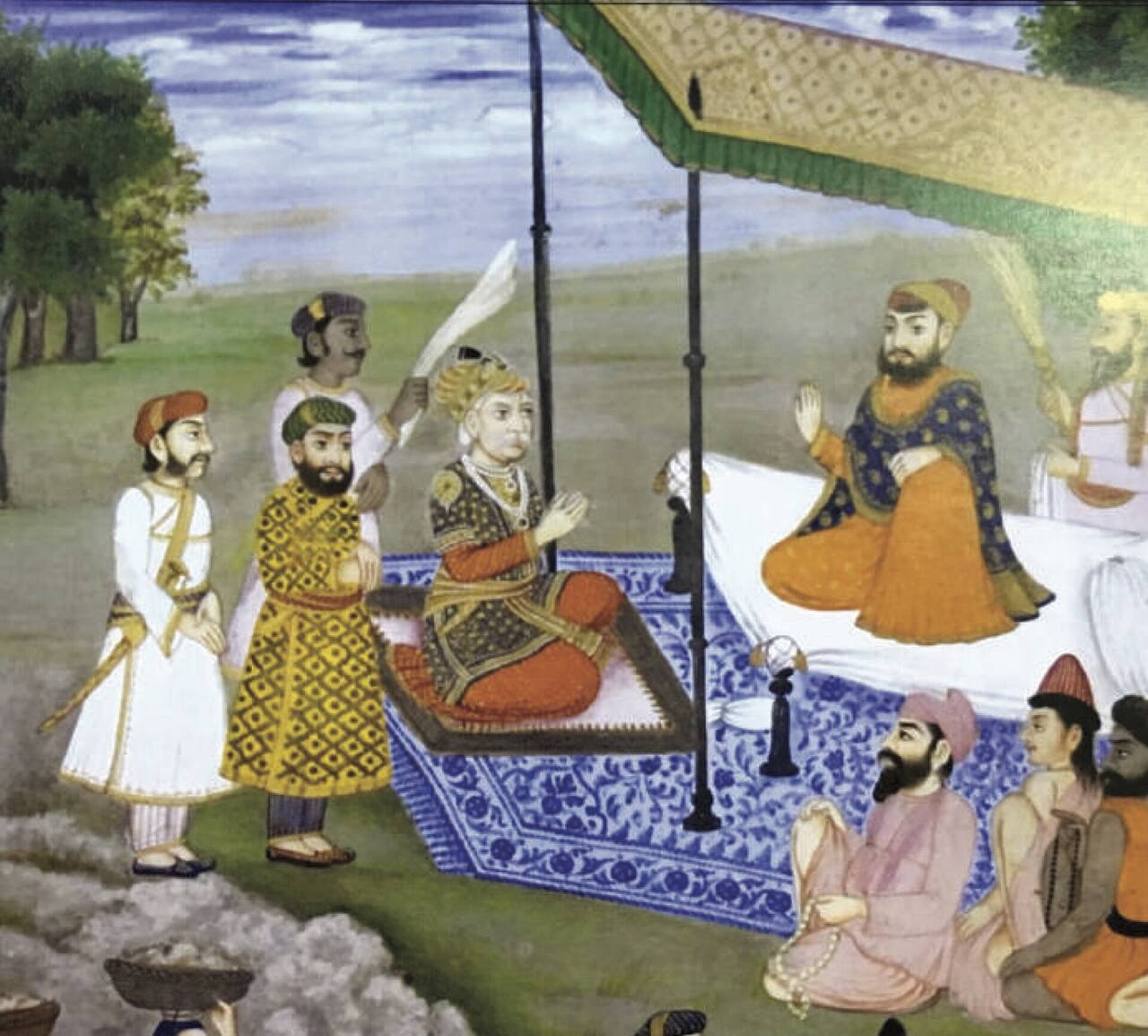
Converted at sixty-two by an overheard hymn, the third Sikh Guru made the free kitchen the tradition's front door — even an emperor sat on the floor to eat — and composed the Anand Sahib, the Song of Bliss that still closes every Sikh service in the world.
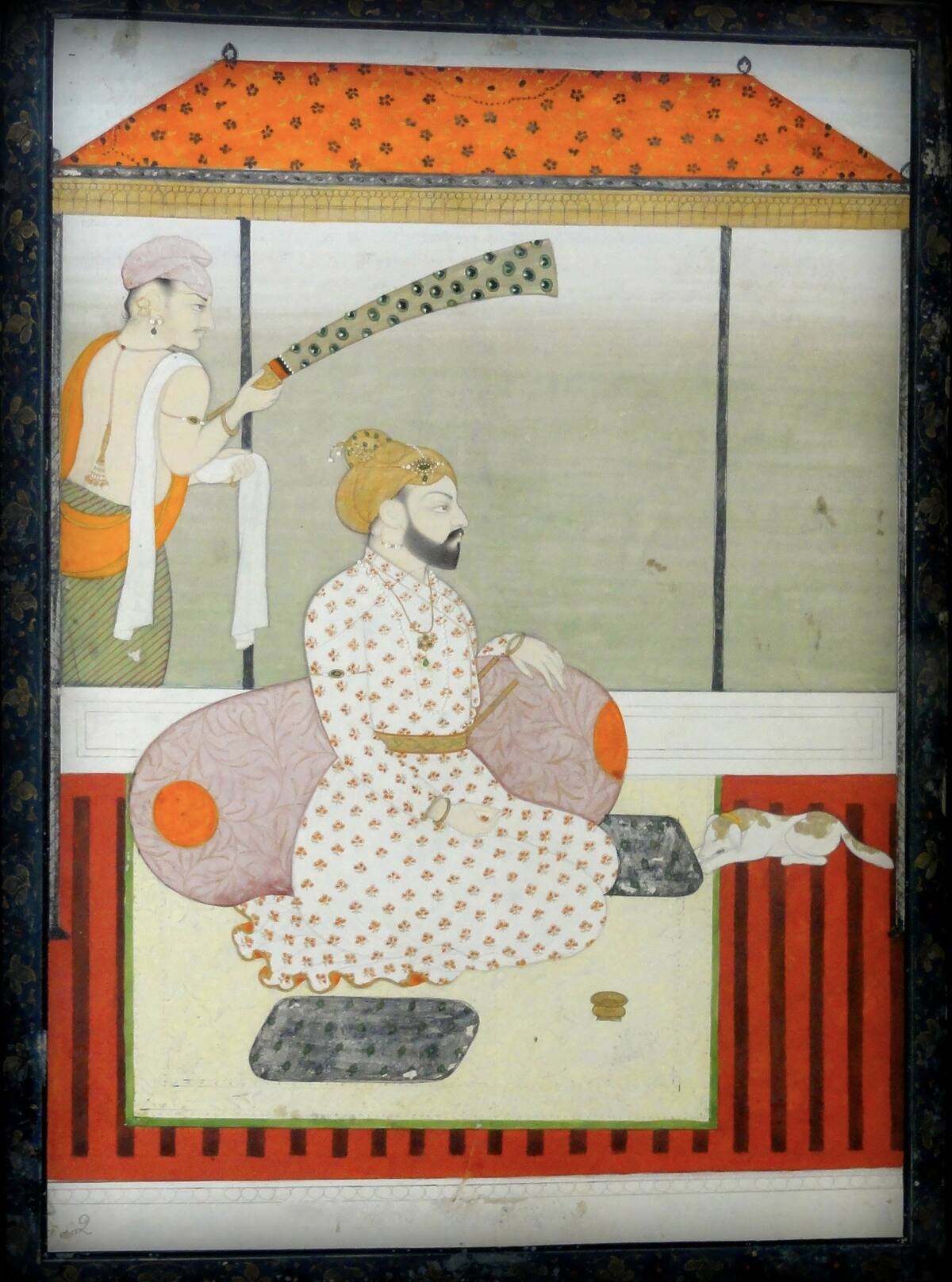
Guru Angad and the Alphabet Built for Song
The second Sikh Guru gave sacred song a script of its own. By standardizing Gurmukhi and collecting Guru Nanak's hymns in it, Guru Angad made sure the melodies would never lose their words — every Gurmukhi chant sung in the West today is written in his letters.
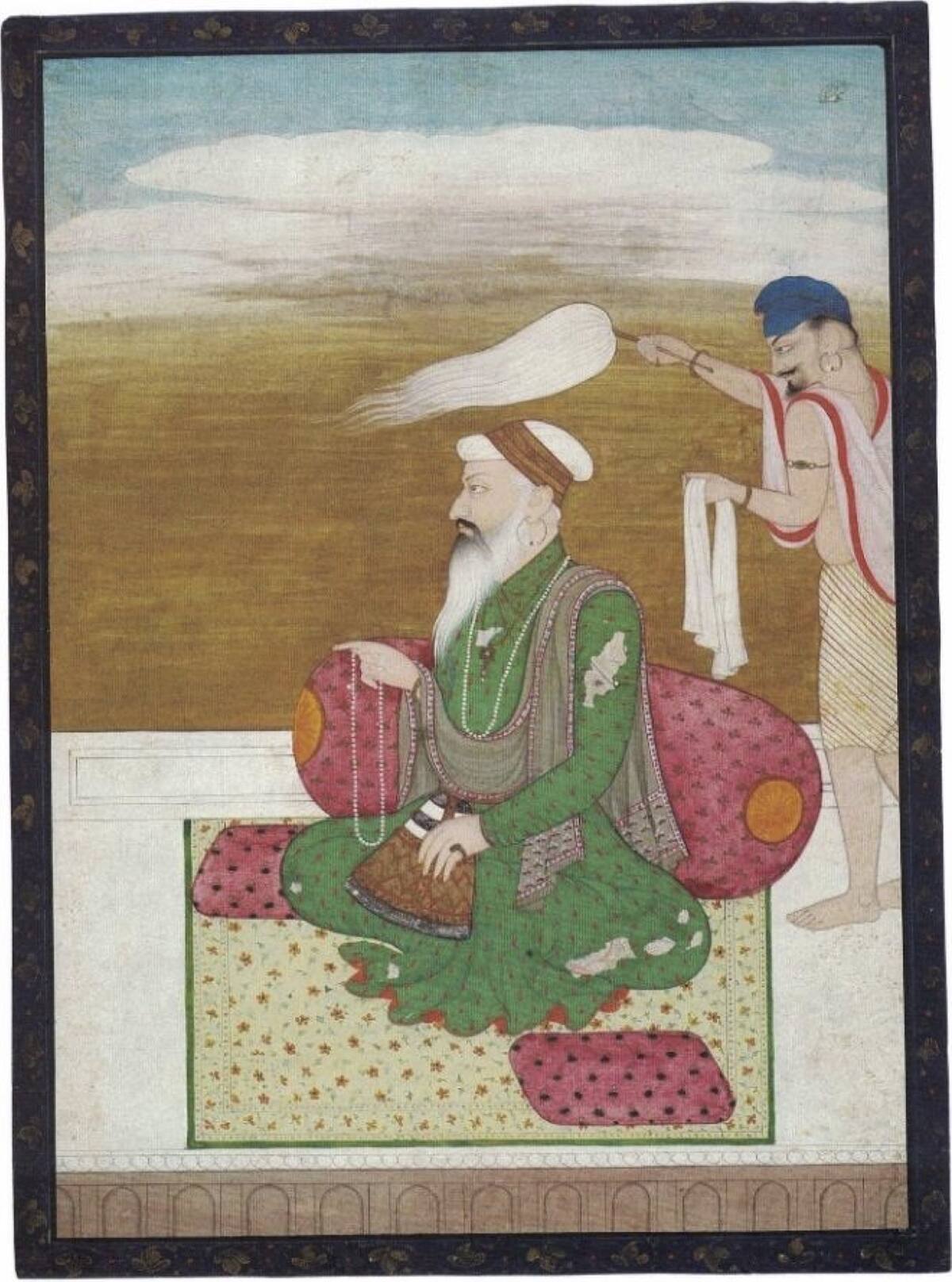
Guru Ram Das and the City of Nectar
An orphan who sold boiled chickpeas became the fourth Sikh Guru, founded Amritsar around a pool of nectar, and wrote the wedding hymns Sikh couples still circle to. Four centuries later, a chant bearing his name is sung in yoga studios around the world.