
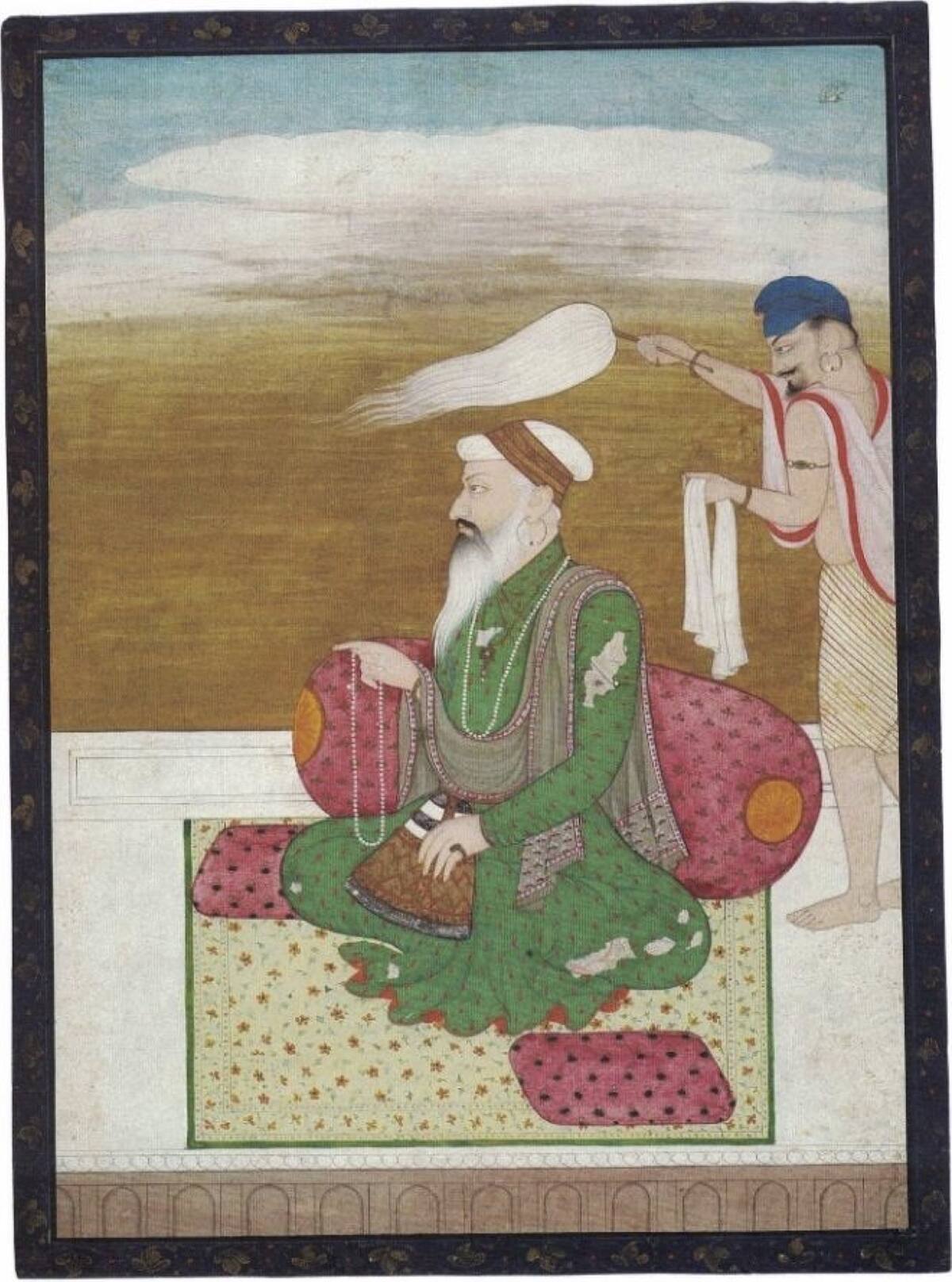
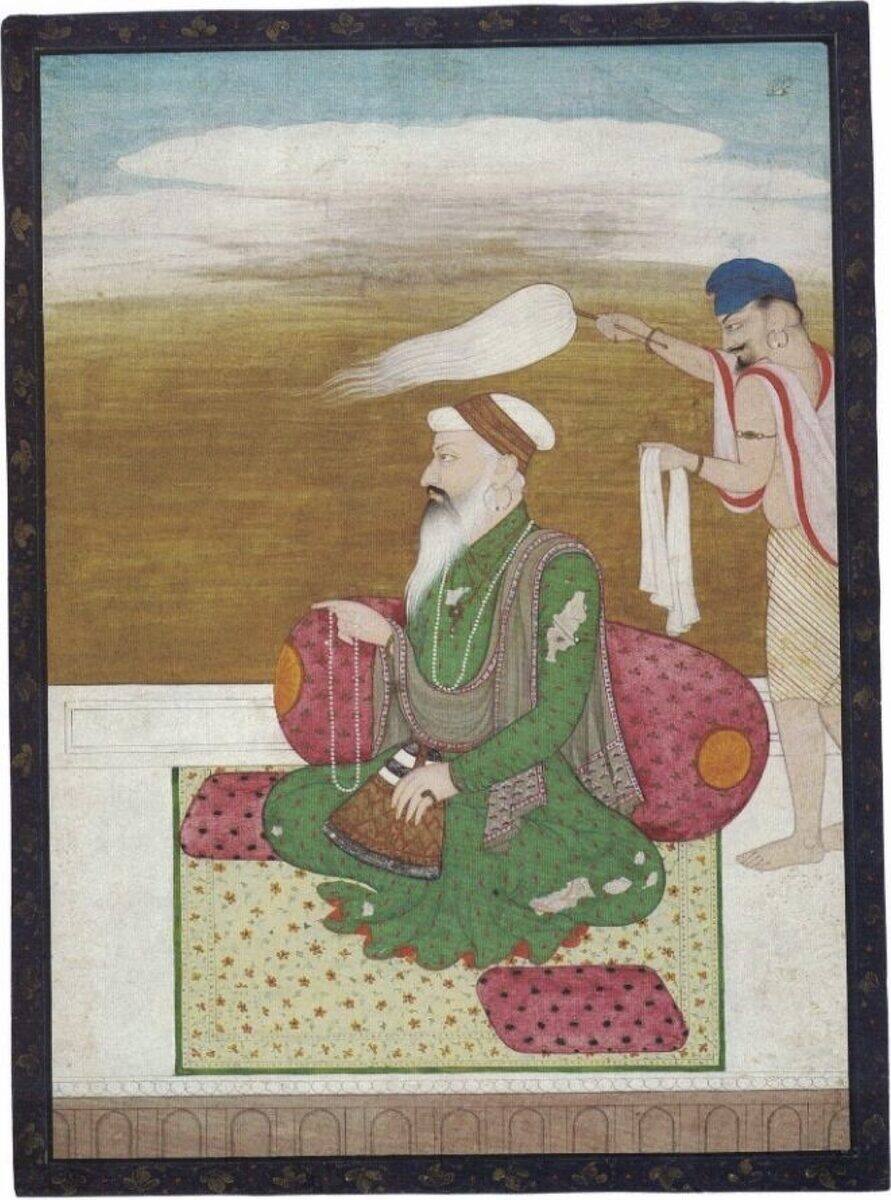
Guru Ram Das and the City of Nectar
Of the ten Sikh Gurus, only one has his name sung, as itself, in yoga studios from Los Angeles to Berlin. The chant — Guru Guru Wahe Guru, Guru Ram Das Guru — honors the fourth Guru, and in the Kundalini-yoga lane of Western chant it is the mantra of healing and humility, the one practitioners reach for when what is needed is grace rather than effort. That a sixteenth-century Punjabi mystic became the West's most-invoked Guru by name is one of the stranger facts of the modern chant movement. The life behind the name makes it less strange: humility was the whole method.
The chickpea seller
He was born Jetha in Lahore in 1534, and his childhood was a study in loss: orphaned at seven, raised by his grandmother in the village of Basarke, selling boiled chickpeas to travelers to keep the household fed. A party of pilgrims bound for Goindwal carried the boy along, and there he attached himself to the household of the third Guru, Guru Amar Das — hauling earth for the great stepwell, serving food in the langar, asking nothing. The Guru noticed. He gave the young man his daughter, Bibi Bhani, in marriage, and even as a son-in-law Jetha kept doing the work of a servant. When the aging Guru tested his sons-in-law by having them build and rebuild mud platforms, tearing each down as unsatisfactory, Jetha alone kept rebuilding without complaint — seven times, tradition says. In 1574 Amar Das passed over his own sons and named Jetha the fourth Guru: Ram Das, "servant of God." The name was a description.
A pool called nectar
Guru Ram Das led the community for only seven years, and spent them founding a city. On land acquired during his father-in-law's lifetime, he began excavating a great bathing tank and invited traders and artisans of every caste and craft to settle around it — the market he seeded is still called Guru ka Bazaar. The settlement was known first as Ramdaspur, the city of Ram Das. The tank he dug was the amrit sarovar, the pool of nectar, and in time the pool gave the city the name the world knows: Amritsar.
He did not live to see what the pool would hold. It was his son and successor, Guru Arjan, who built the Harmandir Sahib — the Golden Temple — at the center of the water, installed the newly compiled scripture inside it, and made the city the tradition's beating heart, where kirtan flows nearly around the clock to this day. But the water came first, and the water was Ram Das's. Every pilgrim who walks the marble parikrama around the sarovar is circling the fourth Guru's work.
The wedding hymns
His poetry had the same builder's practicality. Guru Ram Das composed 638 hymns in thirty ragas — among them some of the tradition's most beloved devotional songs, full of longing for the divine Name, Naam, remembered in every breath. And four of his stanzas became a piece of living social architecture: the Laavan, the four wedding rounds. In the Anand Karaj, the Sikh marriage ceremony, the couple slowly circles the scripture once for each stanza as the ragis sing it — four verses mapping the soul's own marriage to the divine. Nearly every Sikh couple married in the last three centuries has walked their wedding inside a poem by Guru Ram Das. Even the tradition's bards sang of him: the minstrels Satta and Balwand, whose ballad in praise of the Gurus entered the scripture itself, sang dhan dhan Ram Das Gur — "blessed, blessed is Guru Ram Das."
The healer of the Kundalini lane
The Western chapter of his story began four centuries later, when Yogi Bhajan brought Kundalini yoga to North America in 1969 and placed the Guru Ram Das chant near the center of its practice, teaching it as the mantra of healing, protection, and humility — the vibration of the servant-Guru who rebuilt the platform seven times. The Guru Ram Das chant has been recorded across the whole Western Gurmukhi lane since: Harnam has built entire albums around its slow, tidal repetition, and voices like Ajeet have carried it to festival stages and streaming playlists far beyond the yoga world. Sung over a newborn, over a hospital bed, over a room full of strangers on mats — it is, for many Western practitioners, the first Gurmukhi they ever chant, and they are chanting a man's name that means servant.
Guru Ram Das died in 1581, seven years into his Guruship, having chosen his youngest son Arjan as successor — the compiler, the temple-builder, the tradition's first martyr. The lineage's next chapters would be written in scripture and in blood. But its geography was settled by the orphan from Lahore: a city named for nectar, a pool with a temple of music at its center, and a name the world is still singing.
The Sikh Kirtan Lineage · Part 4 of 7
Terms in the Glossary
Words from this page, explained in our A–Z reference.
Join the Kirtans.com Community
Receive occasional updates — thoughtfully curated devotional music, upcoming gatherings, artist announcements, new resources, and inspiration to support your Bhakti practice.
From This Article
Continue Reading
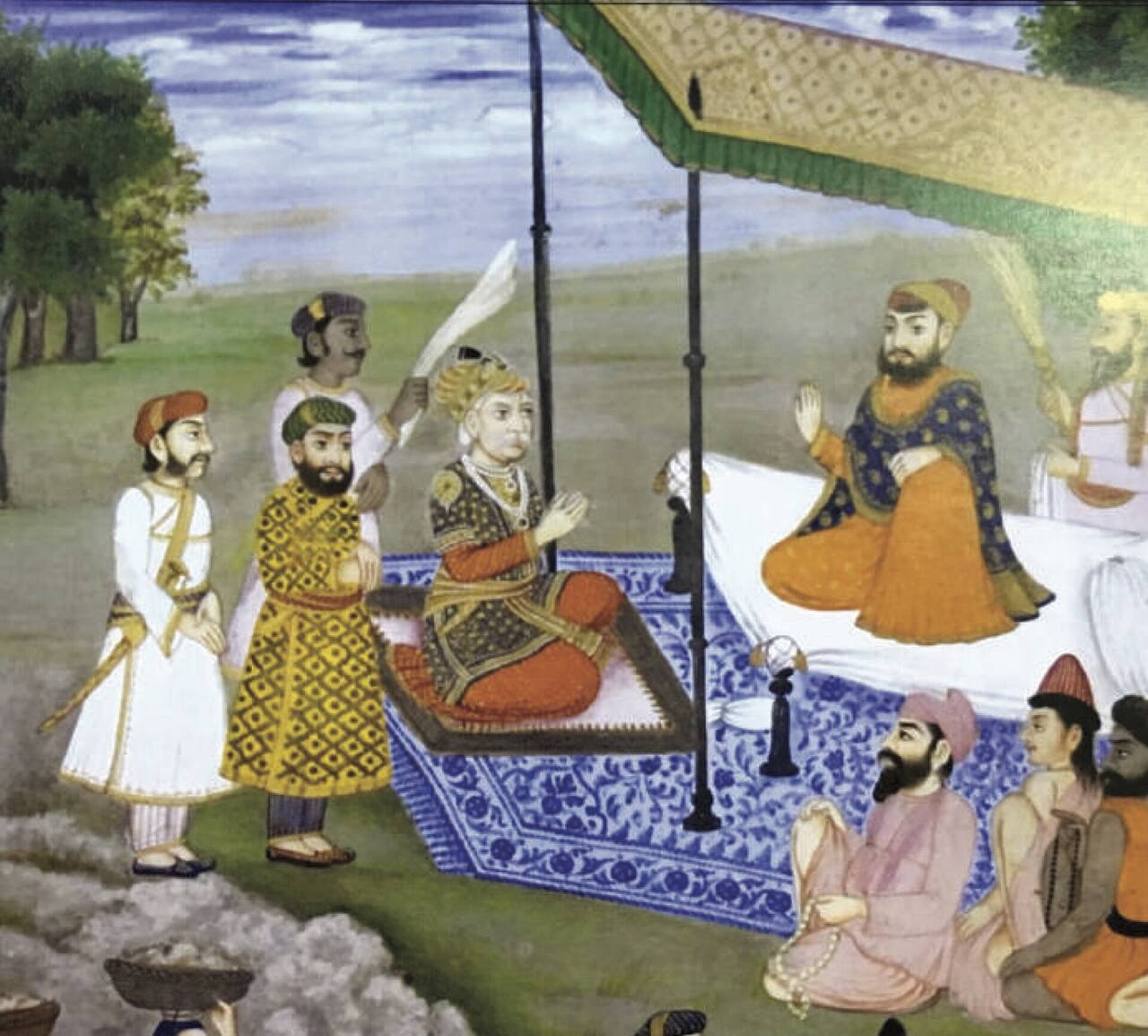
Guru Amar Das and the Song of Bliss
Converted at sixty-two by an overheard hymn, the third Sikh Guru made the free kitchen the tradition's front door — even an emperor sat on the floor to eat — and composed the Anand Sahib, the Song of Bliss that still closes every Sikh service in the world.
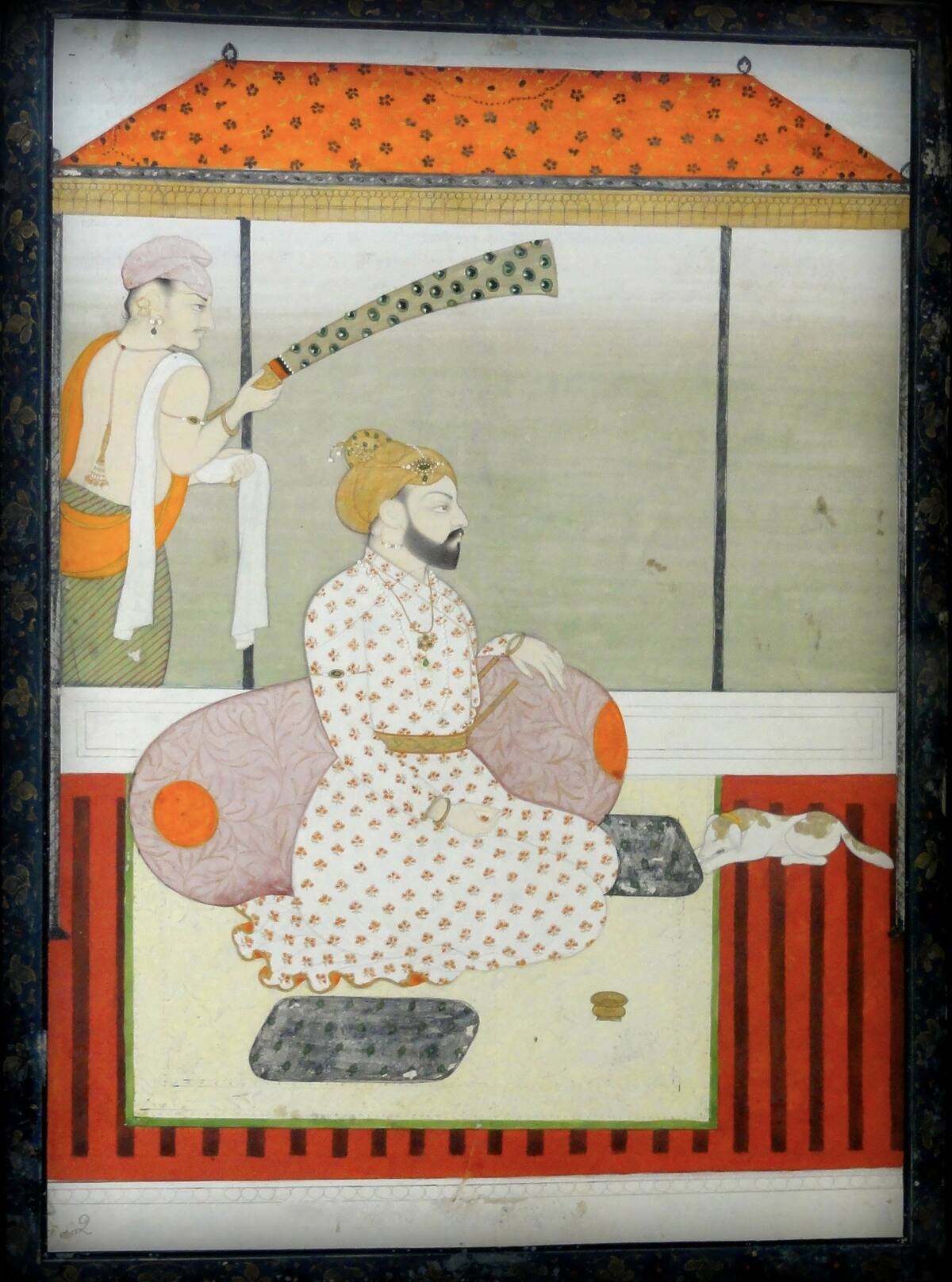
Guru Angad and the Alphabet Built for Song
The second Sikh Guru gave sacred song a script of its own. By standardizing Gurmukhi and collecting Guru Nanak's hymns in it, Guru Angad made sure the melodies would never lose their words — every Gurmukhi chant sung in the West today is written in his letters.
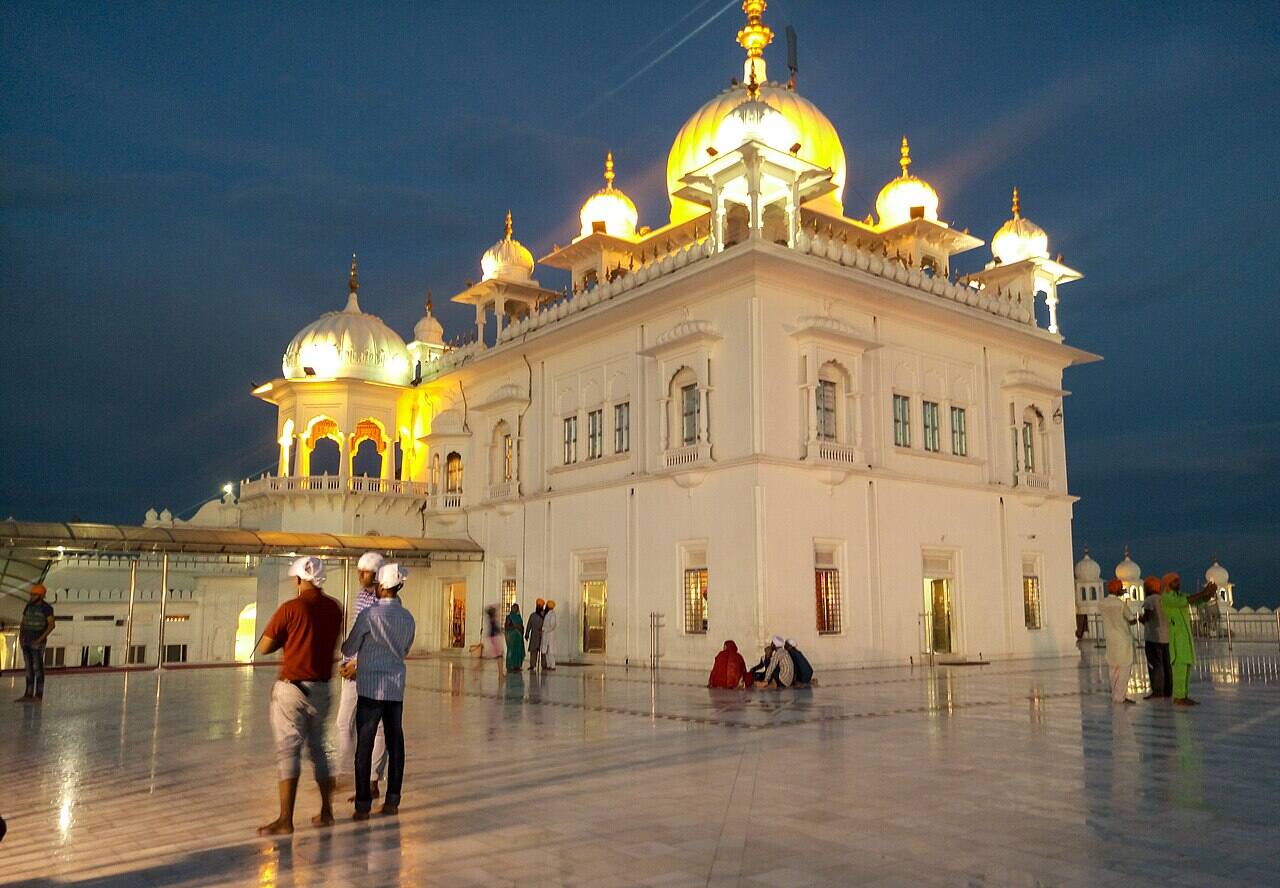
Guru Gobind Singh and the Song That Became the Guru
The tenth Sikh Guru founded the Khalsa, completed the Guru Granth Sahib with his martyred father's hymns — and none of his own — and then enthroned the book of songs as the eternal Guru. Kirtan has been the center of Sikh worship ever since.