
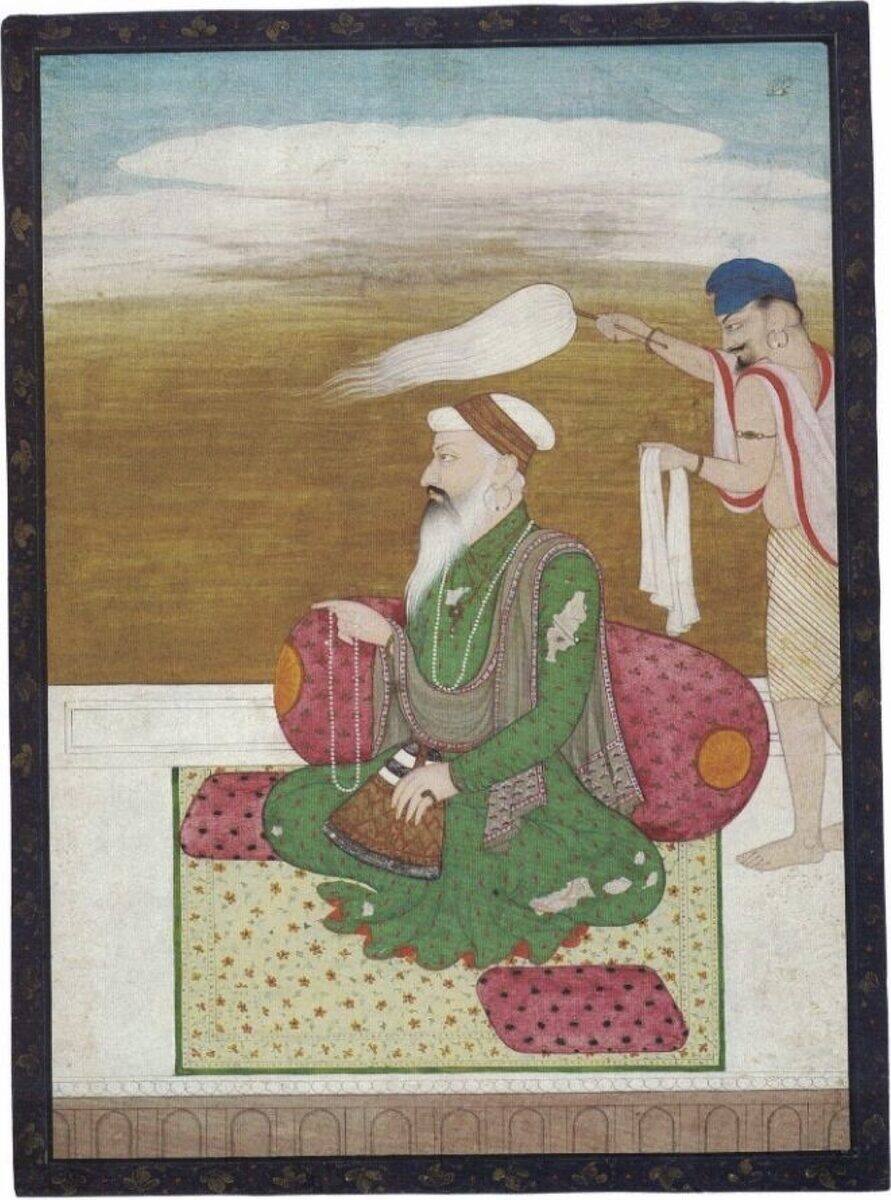
Life & Legacy
Born Bhai Jetha in 1534 in the Chuna Mandi quarter of Lahore, Guru Ram Das was orphaned young and rose from humble beginnings selling boiled grains in the streets. His devotion and tireless service drew him into the household of the third Guru, Guru Amar Das, whose daughter Bibi Bhani he married; in 1574 he was appointed the fourth Guru of the Sikhs. His defining act was founding the town of Ramdaspur around the sacred pool (sarovar) he excavated — the settlement that grew into Amritsar, home of the Harmandir Sahib and the spiritual center of the Sikh world.
Guru Ram Das was also one of the tradition's great sacred poets: 638 of his hymns, composed in thirty ragas, are enshrined in the Guru Granth Sahib, among them the Laavan — the four verses sung at every Sikh wedding (Anand Karaj) to this day — a ceremony sealed with the singing of Guru Amar Das's Anand Sahib. Revered above all for his humility and readiness to serve, he is remembered as an embodiment of grace; in the Kundalini yoga world his name itself became a chant, "Guru Guru Wahe Guru, Guru Ram Das Guru," sung across the West to invoke the humble, healing spirit of the fourth Guru. His youngest son, Guru Arjan, succeeded him and compiled the Adi Granth.