
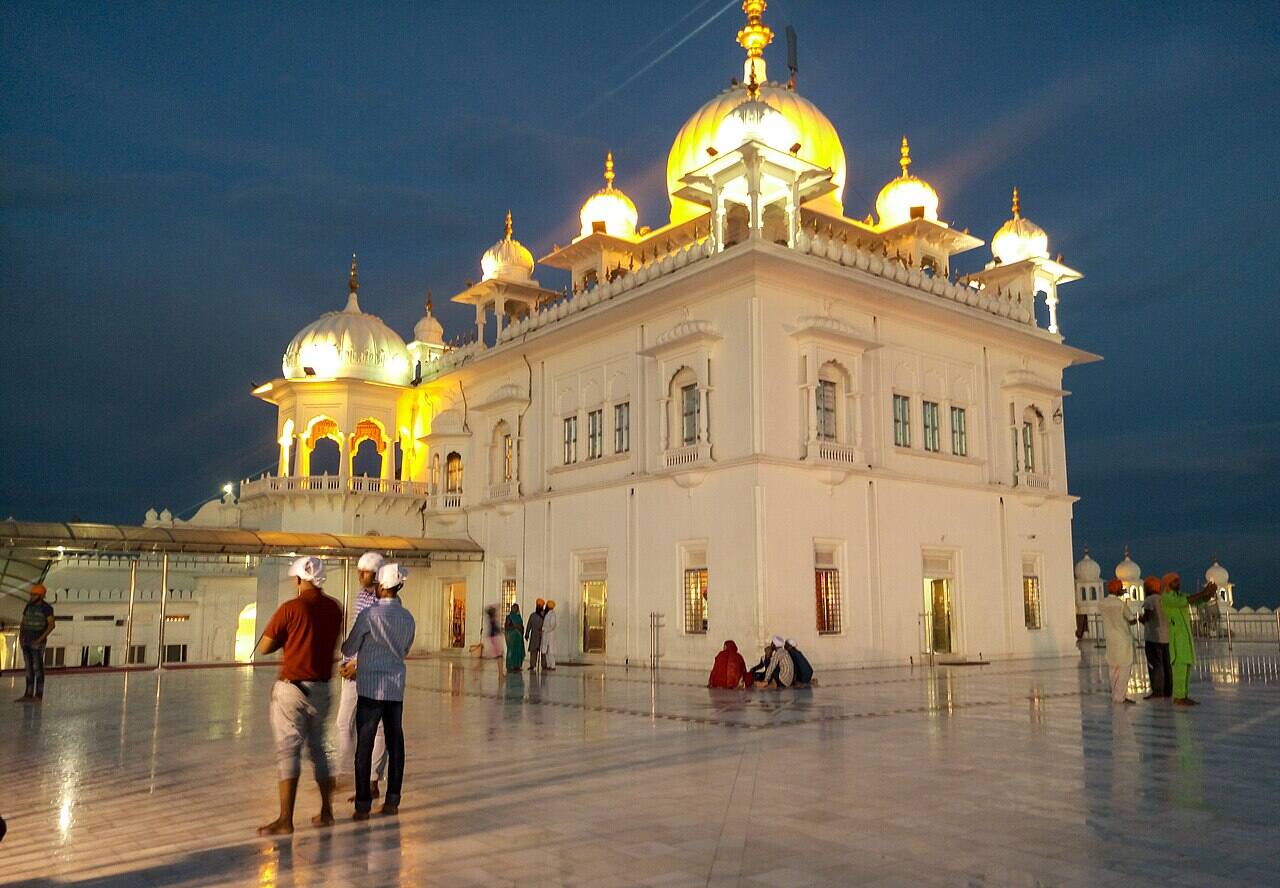
Guru Gobind Singh and the Song That Became the Guru
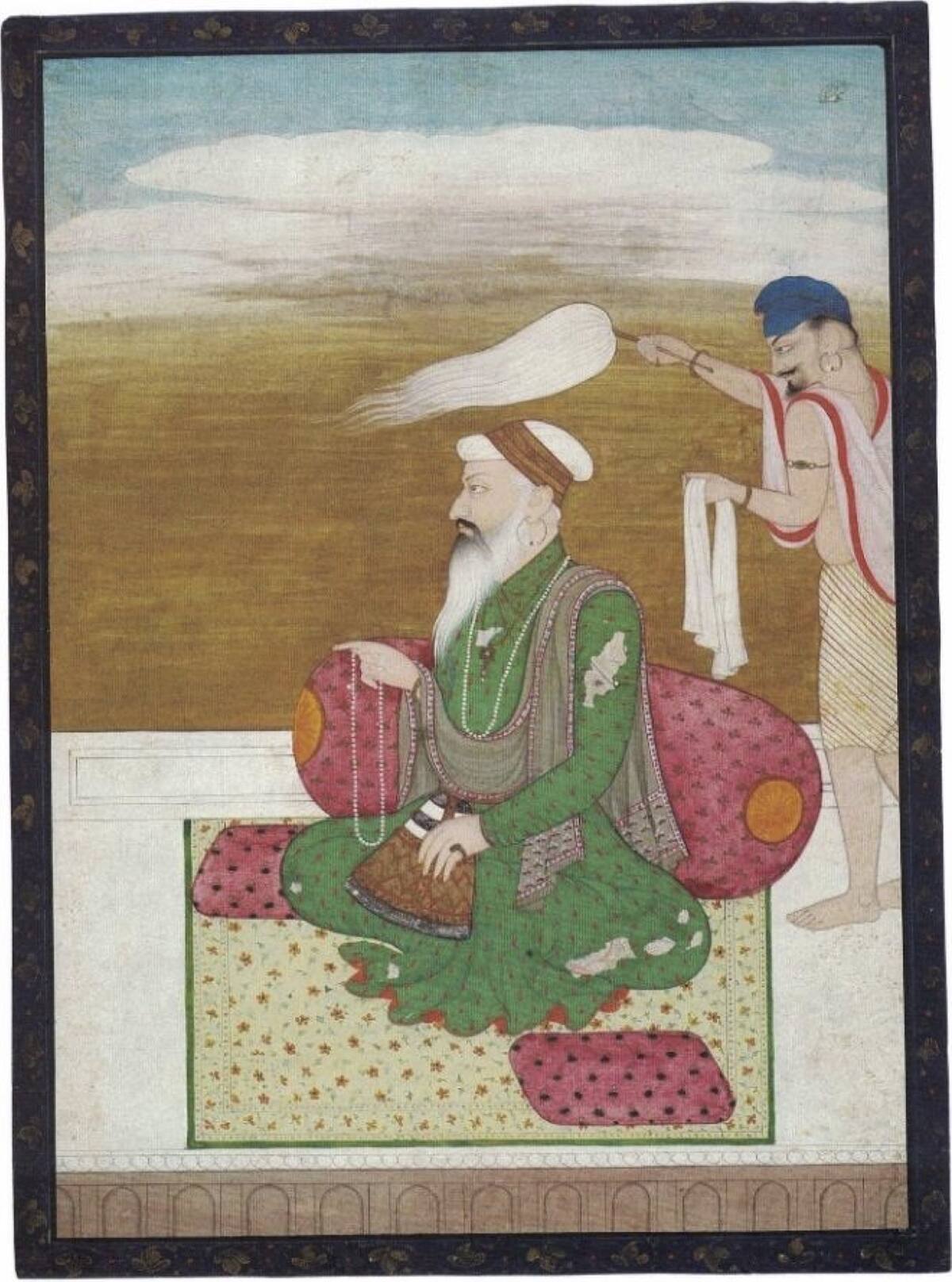
In October 1708, in the town of Nanded in the Deccan, the tenth Sikh Guru lay dying of an assassin's wound. His followers asked the question that had been asked nine times before: who would be Guru after him? His answer changed the history of sacred music. He asked for the scripture — the volume of hymns begun by Guru Nanak and compiled by Guru Arjan, which he himself had completed — to be opened before him, placed five coins and a coconut before it in the traditional gesture of succession, and bowed. From that day there would be no eleventh human Guru. The Guru of the Sikhs would be the Guru Granth Sahib: a book of songs, enthroned as a living teacher. It is, perhaps, the only decision in religious history to make an anthology of poetry the permanent head of a faith — and it is the reason kirtan is not an ornament of Sikh worship but its beating heart.
The man who made that decision was born Gobind Rai in Patna in 1666, the only son of Guru Tegh Bahadur, the ninth Guru. He was nine years old in 1675 when his father was beheaded in Delhi for defending the religious freedom of a community not his own. The boy who inherited the Guruship at nine grew up in Anandpur, the Himalayan foothill town his father had founded, and grew into one of the most extraordinary figures of his age: a poet fluent in Braj, Persian, Sanskrit, and Punjabi; a patron who kept fifty-two poets at his court; an archer and horseman; and a spiritual teacher who would sign his letters as a servant of the divine, never its incarnation.
The defining act of his life came at the spring festival of Vaisakhi in 1699. Before a vast assembly at Anandpur, he asked — sword in hand — for five Sikhs willing to give their heads. One by one, five men stood up: a shopkeeper, a farmer, a tailor, a water-carrier, a barber — men of five different castes from five corners of India. He initiated them as the panj pyare, the five beloved ones, gave them a shared discipline and a shared name, and then knelt and asked them to initiate him — the Guru taking initiation from his own disciples. This was the founding of the Khalsa, the community of the initiated, and its deepest logic was the same as the scripture's: in the sangat, the gathering, hierarchy dissolves. The same conviction had shaped the langar kitchens of shared seva where all castes eat together and the Adi Granth's pages where a weaver's hymns sit beside a king's.
Through the years of war that followed — sieges at Anandpur, the loss of all four of his sons, two in battle and two executed by the governor of Sirhind — Gobind Singh kept writing. His compositions, later gathered in the Dasam Granth, include some of the most rhythmically electric sacred poetry in any language. The Jaap Sahib, his great morning litany, names the Divine in a cascade of hundreds of epithets, and its refrains pulse through the Western chant scene today: the mantra Kal Akaal — "undying, beyond death" — comes from his verses, as does the war-drum affirmation Deh Shiva bar mohe. His poetry does not soothe; it awakens. Where Guru Amar Das sang bliss (the story behind his Song of Bliss is told in Guru Amar Das and the Song of Bliss) and his father sang impermanence, Gobind Singh sang fearlessness — the shabad as a sword drawn against despair.
Yet his most lasting musical act was editorial and humble. At Damdama Sahib around 1705, he dictated the final recension of the scripture from memory, adding the hymns of his martyred father — and not one line of his own. The book he enthroned at Nanded three years later contains the poetry of six Gurus and of Hindu and Muslim saints, ordered by raga, written in Gurmukhi — and nothing by the man who gave it the throne. He placed his father's voice in the canon and kept his own outside it: the last and largest gesture of a life spent insisting that the song matters more than the singer.
Every Sikh practice since flows from that enthronement. The daily singing of Gurbani by ragi musicians in every gurdwara on earth is, formally, the court music of a sovereign who is a book. And when the Western mantra scene found Gurmukhi chant through the Sikh Dharma community — when Snatam Kaur sings Wahe Guru, when Ajeet sets centuries-old lines over quiet modern arrangements, when Simrit or Nirinjan Kaur carries chants like Sat Nam into concert halls — it plugged into a tradition whose highest authority literally is song. That was Guru Gobind Singh's design. He gave the tradition its final shape, gave his sons and his own life defending it, and then gave the last word — forever — to the music.
The Sikh Kirtan Lineage · Part 7 of 7
Terms in the Glossary
Words from this page, explained in our A–Z reference.
Join the Kirtans.com Community
Receive occasional updates — thoughtfully curated devotional music, upcoming gatherings, artist announcements, new resources, and inspiration to support your Bhakti practice.
From This Article
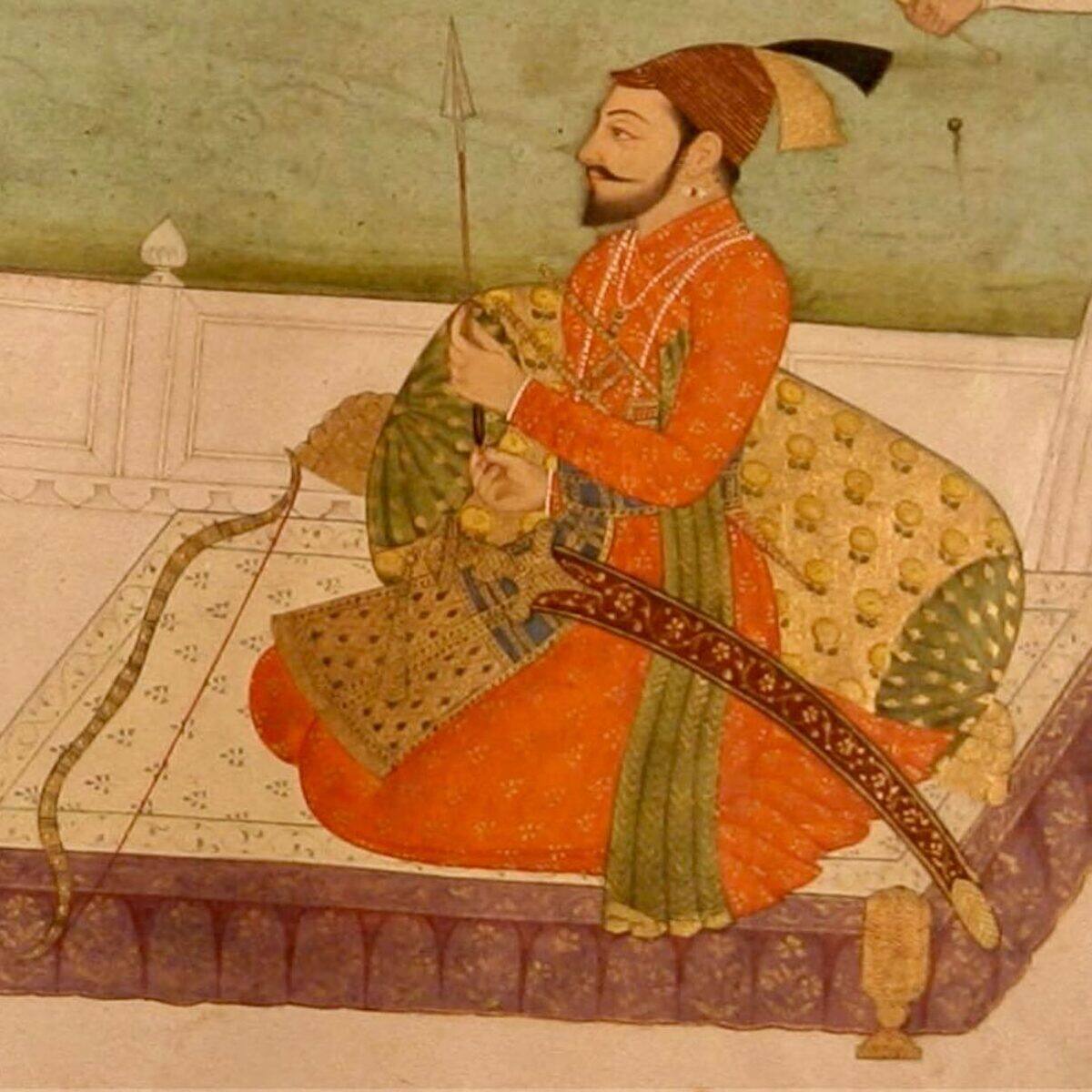
Continue Reading
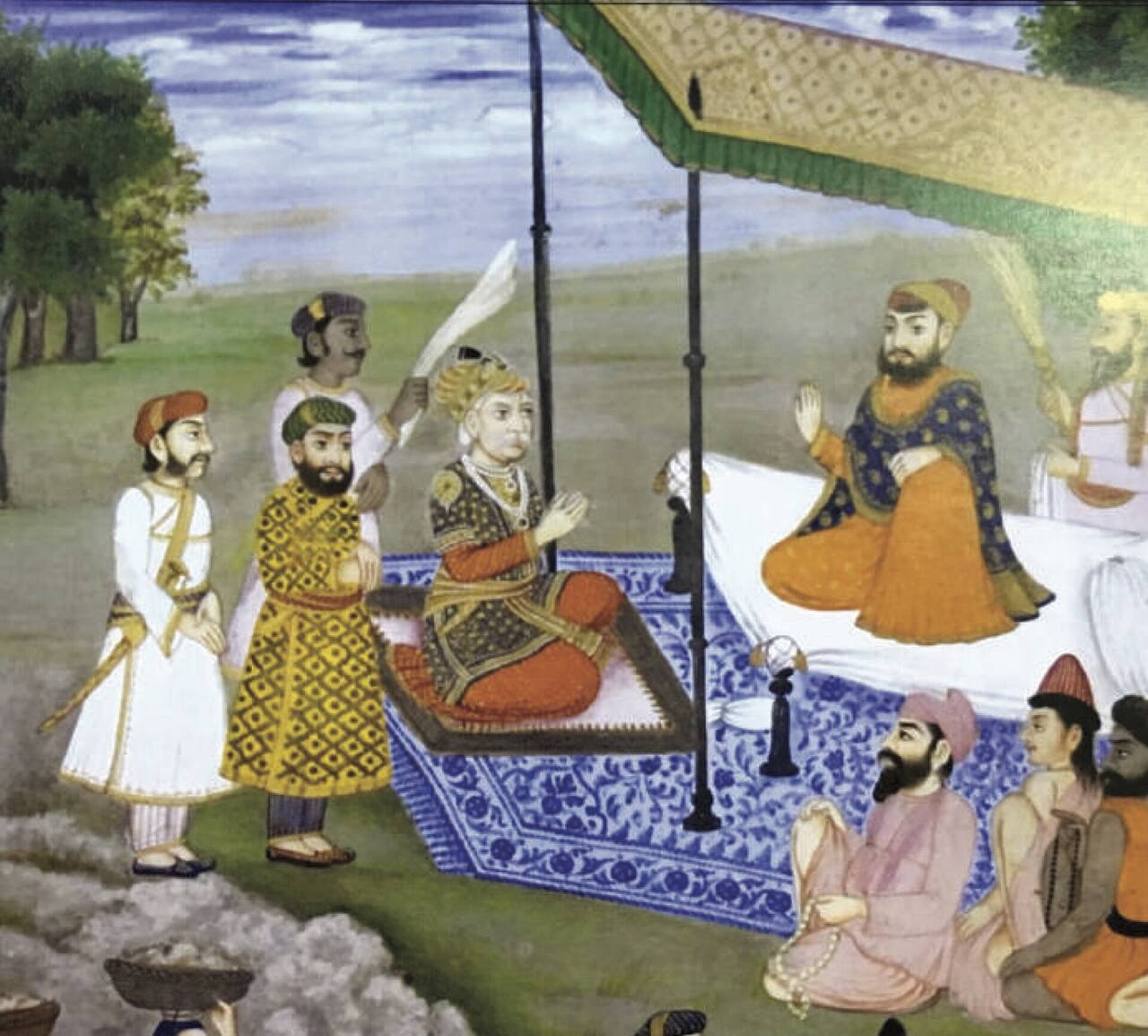
Guru Amar Das and the Song of Bliss
Converted at sixty-two by an overheard hymn, the third Sikh Guru made the free kitchen the tradition's front door — even an emperor sat on the floor to eat — and composed the Anand Sahib, the Song of Bliss that still closes every Sikh service in the world.
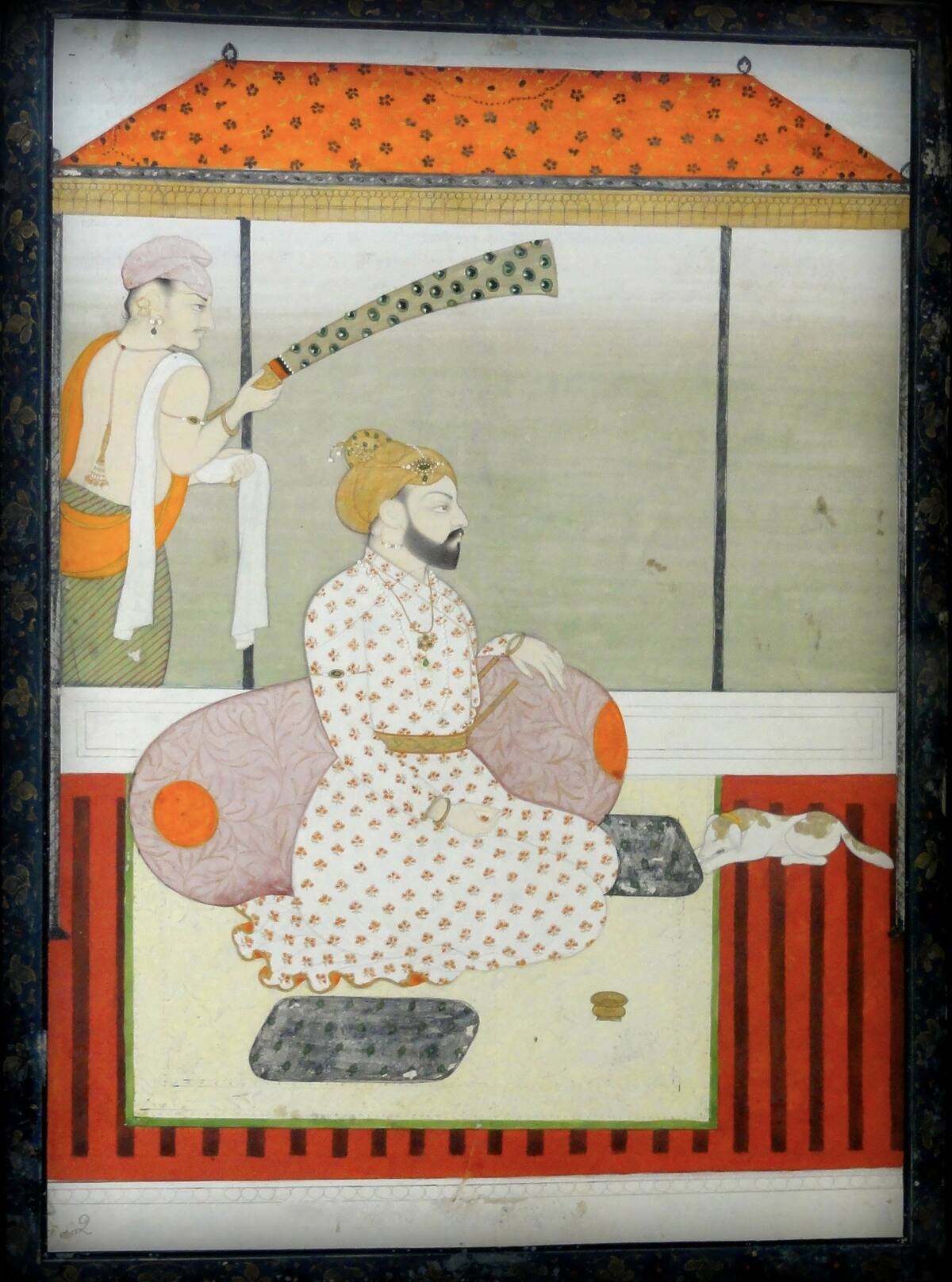
Guru Angad and the Alphabet Built for Song
The second Sikh Guru gave sacred song a script of its own. By standardizing Gurmukhi and collecting Guru Nanak's hymns in it, Guru Angad made sure the melodies would never lose their words — every Gurmukhi chant sung in the West today is written in his letters.
Guru Ram Das and the City of Nectar
An orphan who sold boiled chickpeas became the fourth Sikh Guru, founded Amritsar around a pool of nectar, and wrote the wedding hymns Sikh couples still circle to. Four centuries later, a chant bearing his name is sung in yoga studios around the world.