
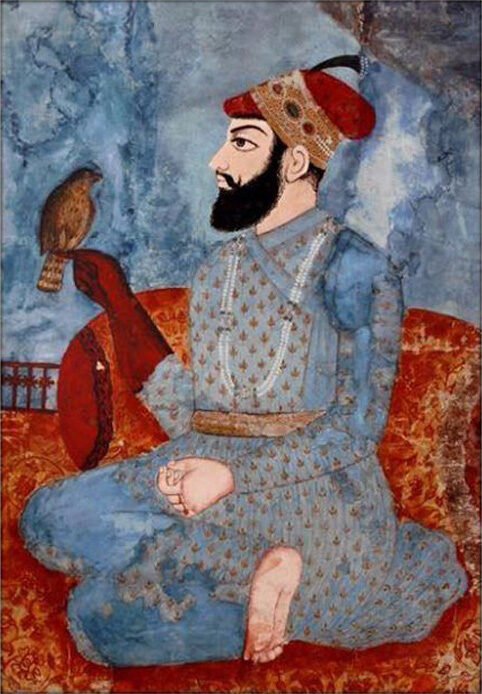
Life & Legacy
Guru Tegh Bahadur was born in 1621 in Amritsar, youngest son of the warrior Guru Hargobind. After distinguishing himself in battle as a young man, he withdrew into two decades of meditation and inward practice at Bakala before being revealed as the ninth Guru in 1664. He traveled widely — through Punjab, Bengal, and Assam — strengthening far-flung Sikh congregations, digging wells, and founding the town of Anandpur Sahib in the Himalayan foothills.
His hymns are among the most tender and austere in Sikh scripture: 115 compositions woven into the Guru Granth Sahib, meditations on impermanence, detachment, and the refuge of the divine Name — sung to this day in kirtan wherever the scripture is sung. In them the Guru's counsel is constant: fear no one, and frighten no one.
He sealed that teaching with his life. When Kashmiri Pandits facing forced conversion under Emperor Aurangzeb sought his protection, Tegh Bahadur stood in their defense and was arrested. Refusing to abandon his faith or their cause, he was publicly beheaded in Delhi in 1675 — at the site now marked by Gurdwara Sis Ganj Sahib. His martyrdom for the religious freedom of a community not his own earned him the name "Hind di Chadar," the shield of India, and shaped his son Guru Gobind Singh's founding of the Khalsa.