
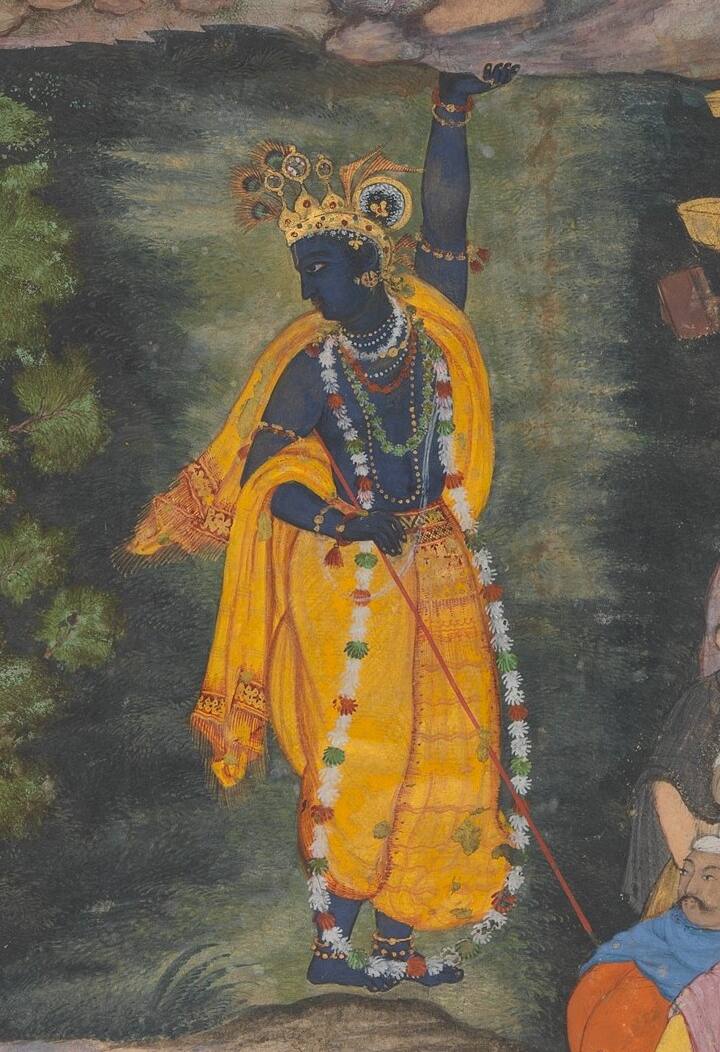
Krishna is the blue-skinned, flute-playing cowherd of Vrindavan — and for most of the Bhakti tradition, he is not one god among many but the all-attractive face of the Divine itself. His name comes from the Sanskrit root krish, "to draw" or "to attract": Krishna is the one who pulls hearts toward him the way his flute pulled the cowherd girls of Vrindavan out of their houses at dusk.
His stories fill the Bhagavata Purana and the Mahabharata. As a child he is the butter thief, the mischievous darling of the village. As a youth he dances the rasa lila with Radha and the gopis on the banks of the Yamuna — the tradition's great image of the soul's love affair with God. And on the battlefield of Kurukshetra he becomes the teacher, speaking the Bhagavad Gita to the archer Arjuna: the classic manual of yoga, devotion, and selfless action.
In the sixteenth century, Chaitanya Mahaprabhu swept through Bengal teaching that in this age the simplest and most powerful spiritual practice is to sing Krishna's names together — and that movement, carried west by Srila Prabhupada in 1966, is a direct ancestor of the Kirtan you'll hear in yoga studios today. The Hare Krishna maha-mantra is Krishna's mantra, and it remains the most-sung chant in the world.
In Traditional Art
Krishna is almost always shown with skin the color of a rain cloud — deep blue or blue-black — dressed in yellow silk (pitambara), with a peacock feather in his crown and a garland of forest flowers. He stands in a relaxed, cross-legged pose playing the bamboo flute, often beside a cow or under a kadamba tree, with the river Yamuna nearby. When shown with Radha at his side, the pair together represent divine love itself.
In Kirtan
More kirtans are addressed to Krishna than to any other deity. The Hare Krishna maha-mantra, "Govinda Jaya Jaya," "Radhe Govinda," and countless other chants call him by his many names — each name remembered as a doorway into one of his stories. Gaudiya Vaishnava teaching holds that Krishna and his name are not different: to sing the name is to be in his company. That idea — the name as the presence — is the theological heart of Kirtan.
Mantras Sung to Krishna
Hare Krishna Maha Mantra
"A direct call to the divine energy of Krishna and Rama"
Govinda Jaya Jaya
"Victory to Govinda, the tender of cows and keeper of souls"
Radhe Govinda
"A call to the divine love of Radha and Krishna"
Om Namo Bhagavate Vasudevaya
""I bow to the divine Vasudeva (Krishna), who dwells within all beings""
Jaya Radha Madhava
"A tender Gaudiya bhajan adoring Krishna as Radha's beloved, at play in the groves of Vrindavan"
Govinda Damodara Madhaveti
"The beloved refrain of the Govinda Damodara Stotram — a sweet, continuous calling of three names of Krishna: Govinda, Damodara, and Madhava."
Govinda Gopala
"A gentle, melodic chant of two beloved names of Krishna — Govinda, who gives joy and tends the cows, land, and senses, and Gopala, the cowherd boy of Vrindavan."
Devakinandana Gopala
"Krishna, beloved son of Devaki, protector of the cows"
Jai Jai Radha Raman Hari Bol
"Glory to Radha Raman — sing the names of Hari!"
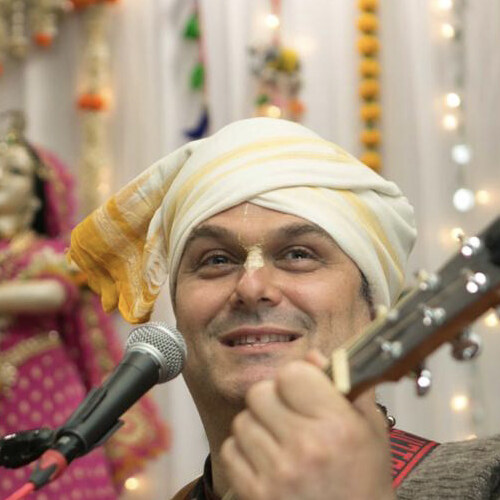
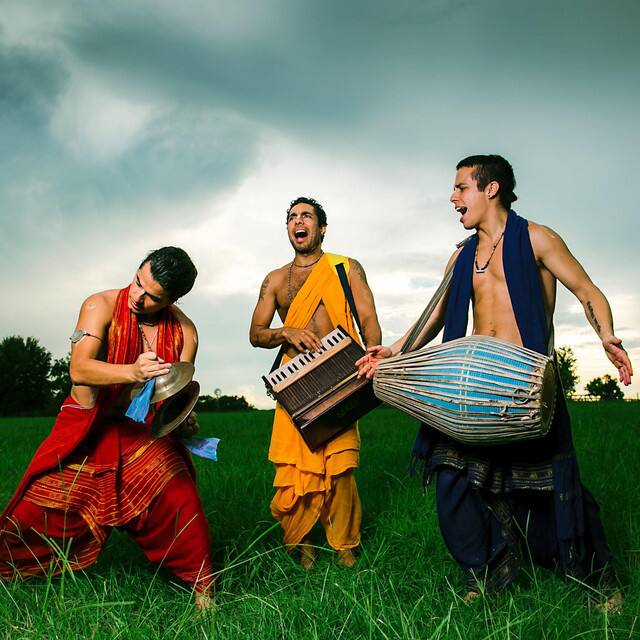
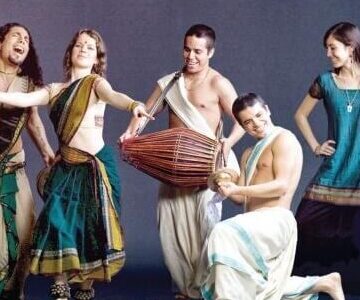
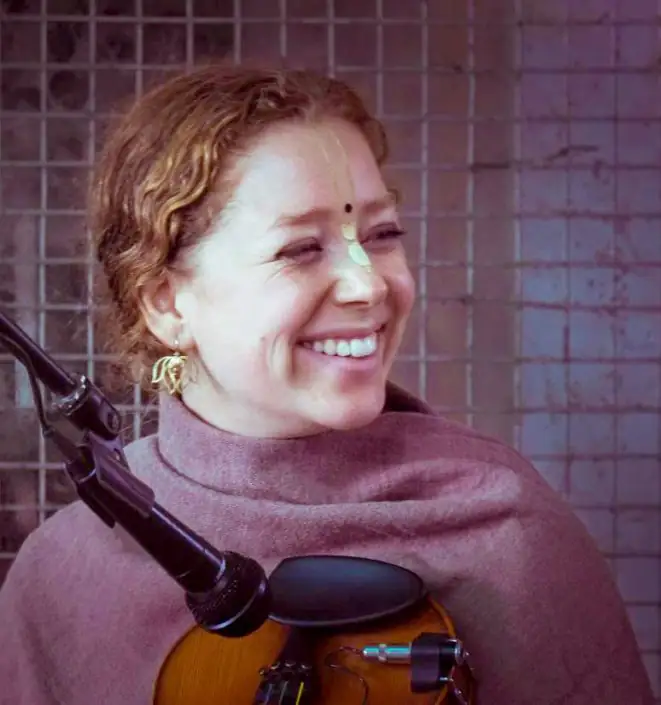
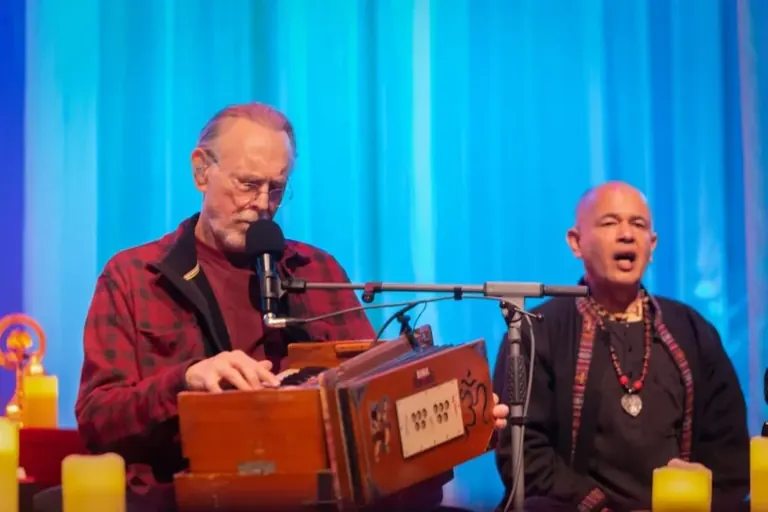
Artists Who Chant to Krishna

Saints & Pioneers of This Devotion
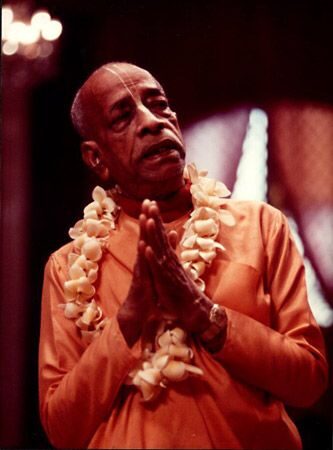
A.C. Bhaktivedanta Swami Prabhupada
Founder-Acharya of ISKCON · 1896 – 1977
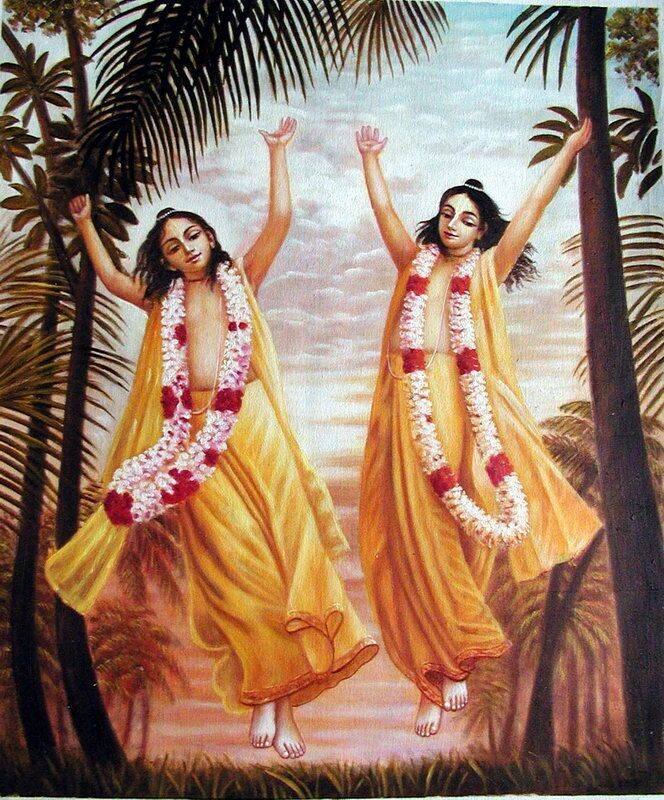
Chaitanya Mahaprabhu
Founder of the Sankirtana Movement · 1486 – 1534
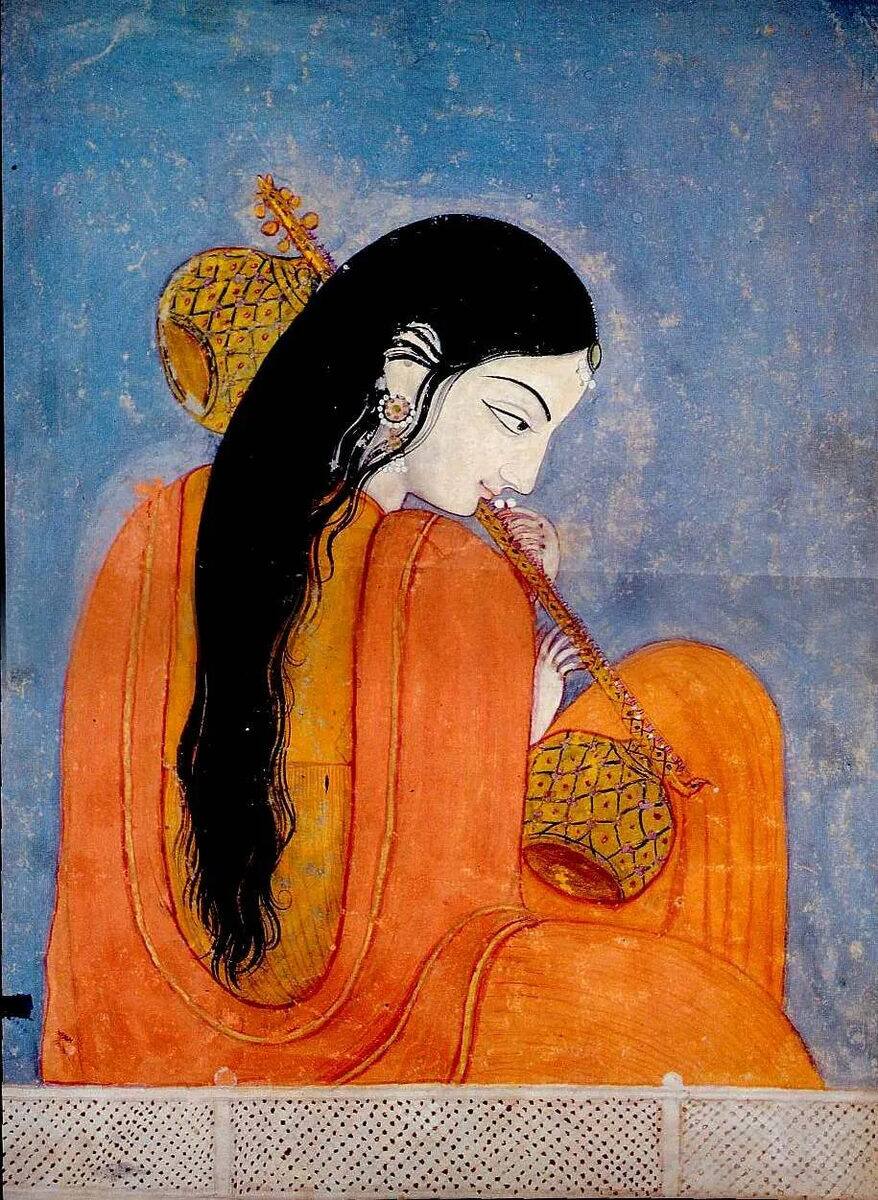
Mirabai
Bhakti Poet-Saint & Singer of Krishna · c. 1498 – c. 1547
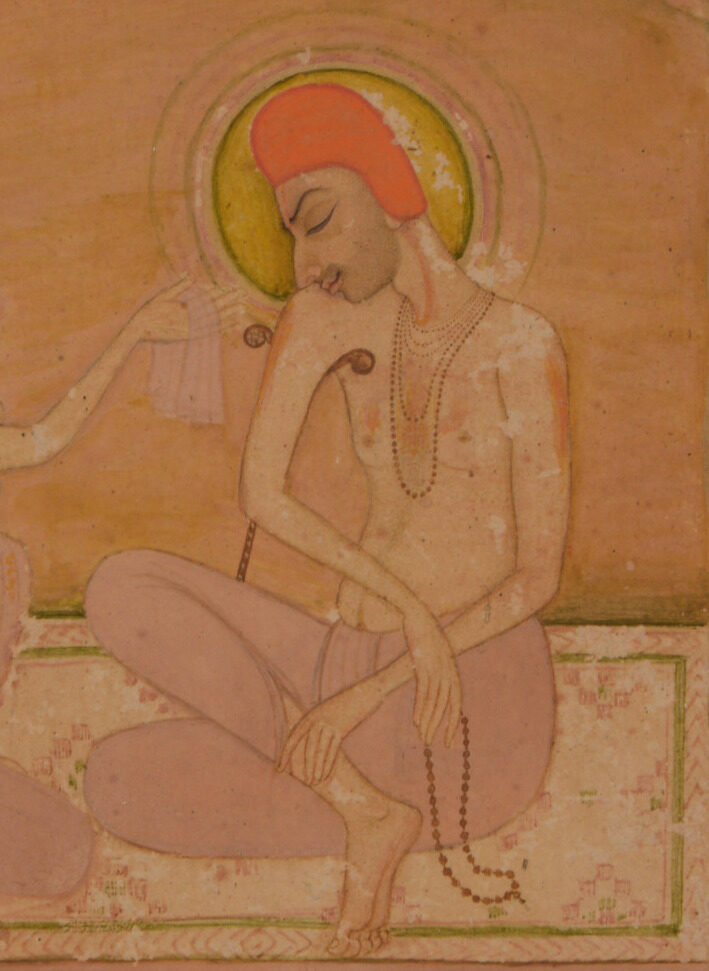
Surdas
Blind Poet-Singer of Krishna · c. 1478 – c. 1583
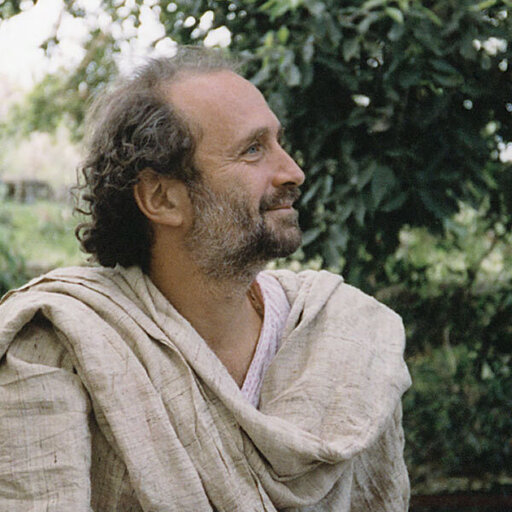
Shyamdas
Western Scholar-Kirtaniya of the Path of Grace · 1953 – 2013