

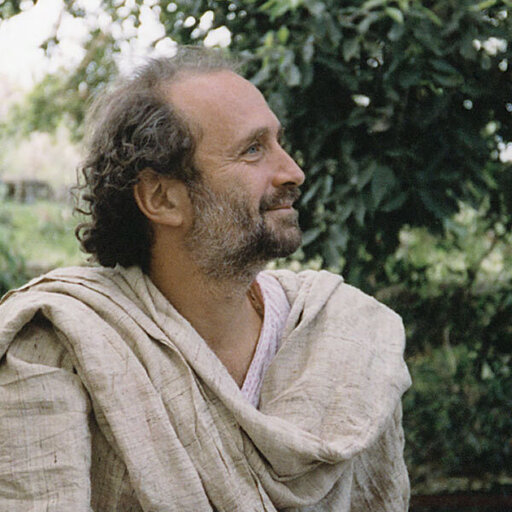
Shyamdas: The American Scholar Who Sang Krishna's Songs
In the early 1970s, a Connecticut teenager named Stephen Schaffer stepped off the seeker's trail in the Braj region of North India — the land of Vrindavan and Govardhan hill, where every grove and pond remembers Krishna — and simply stayed. He took initiation in the Pushtimarg, the Path of Grace founded five centuries earlier by Vallabhacharya, received the name Shyamdas, and gave the tradition the rest of his life.
What set Shyamdas apart was that he went in through both doors at once: scholarship and song. He mastered Sanskrit, Hindi, and Braj Bhasha — the honeyed dialect of Krishna's homeland — well enough to translate the lineage's core texts: Vallabhacharya's philosophy of grace, the stories of the tradition's great devotees, and the poetry of the Ashtachhap singers, among them the blind bard Surdas. Volumes like The Ocean of Grace opened a literature to English readers that had never crossed the language line.
And then he would pick up the harmonium. Shyamdas's kirtan was pure Braj — leaping, story-laced, overflowing with the moods of the haveli singing tradition, where music is offered to Krishna through every watch of the day. As Western kirtan blossomed in the 1990s and 2000s, he became its scholarly conscience and its uncle: leading annual retreats in Braj, sharing festival stages and recordings with Krishna Das, and teaching a generation of Western chant leaders where their songs actually came from.
He died in January 2013, after a motorcycle accident in Goa, and the grief that moved through the kirtan world measured what he had become. The Shyamdas Foundation continues to publish his translations, recordings, and teachings. His life remains the standard answer to a question Western Bhakti keeps asking itself: how deep can a Westerner really go? All the way, if you stay.
Terms in the Glossary
Words from this page, explained in our A–Z reference.
Join the Kirtans.com Community
Receive occasional updates — thoughtfully curated devotional music, upcoming gatherings, artist announcements, new resources, and inspiration to support your Bhakti practice.
From This Article
Continue Reading
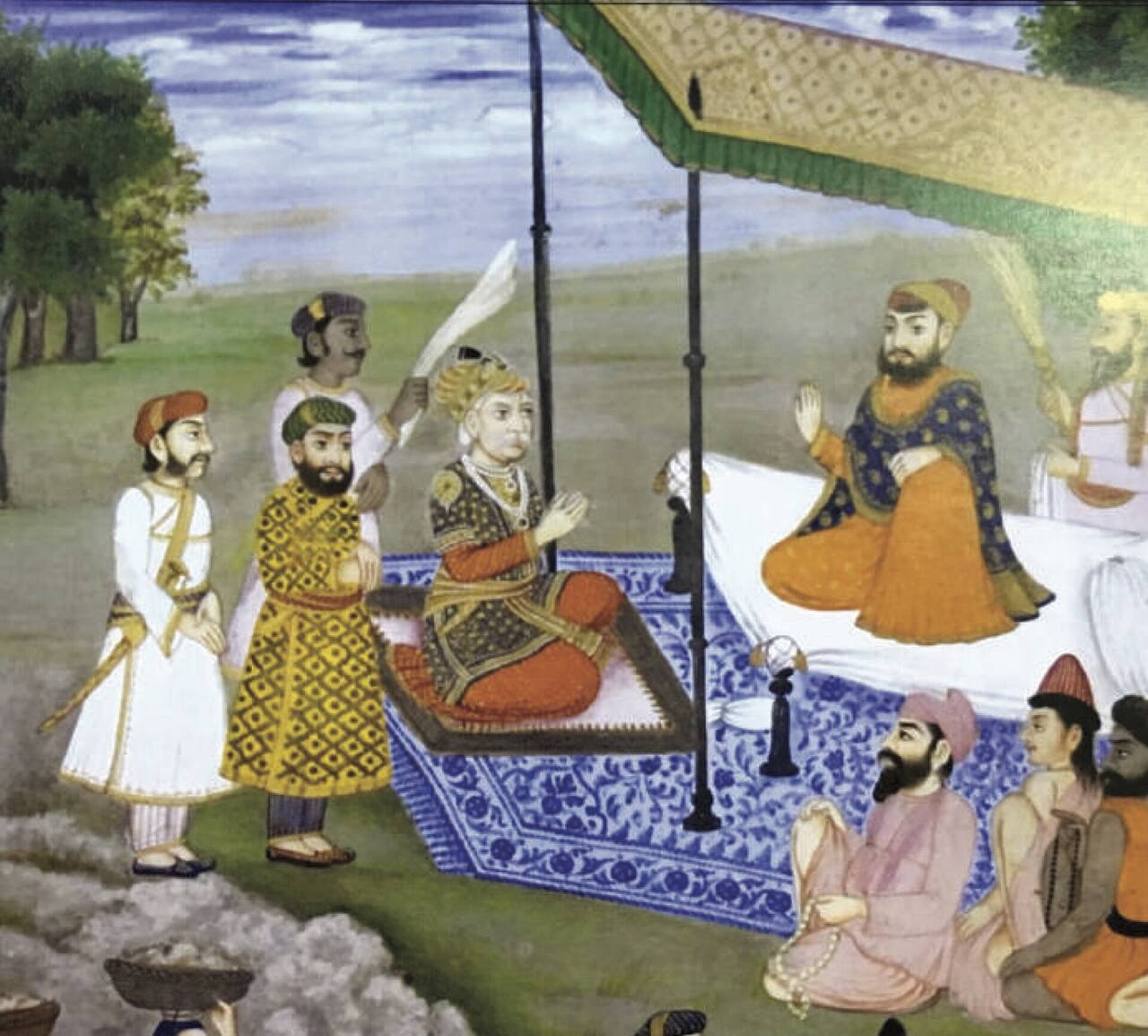
Guru Amar Das and the Song of Bliss
Converted at sixty-two by an overheard hymn, the third Sikh Guru made the free kitchen the tradition's front door — even an emperor sat on the floor to eat — and composed the Anand Sahib, the Song of Bliss that still closes every Sikh service in the world.
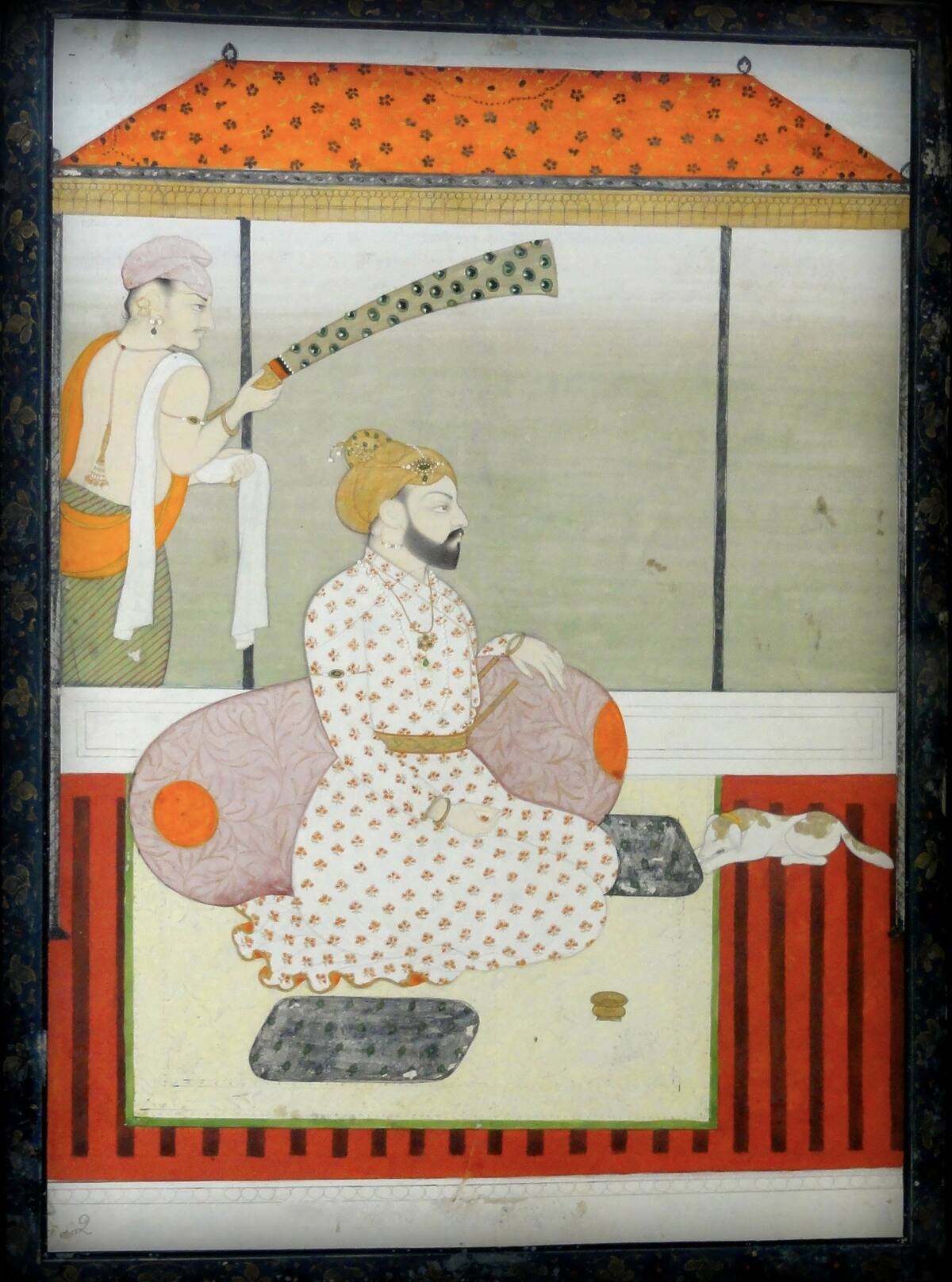
Guru Angad and the Alphabet Built for Song
The second Sikh Guru gave sacred song a script of its own. By standardizing Gurmukhi and collecting Guru Nanak's hymns in it, Guru Angad made sure the melodies would never lose their words — every Gurmukhi chant sung in the West today is written in his letters.
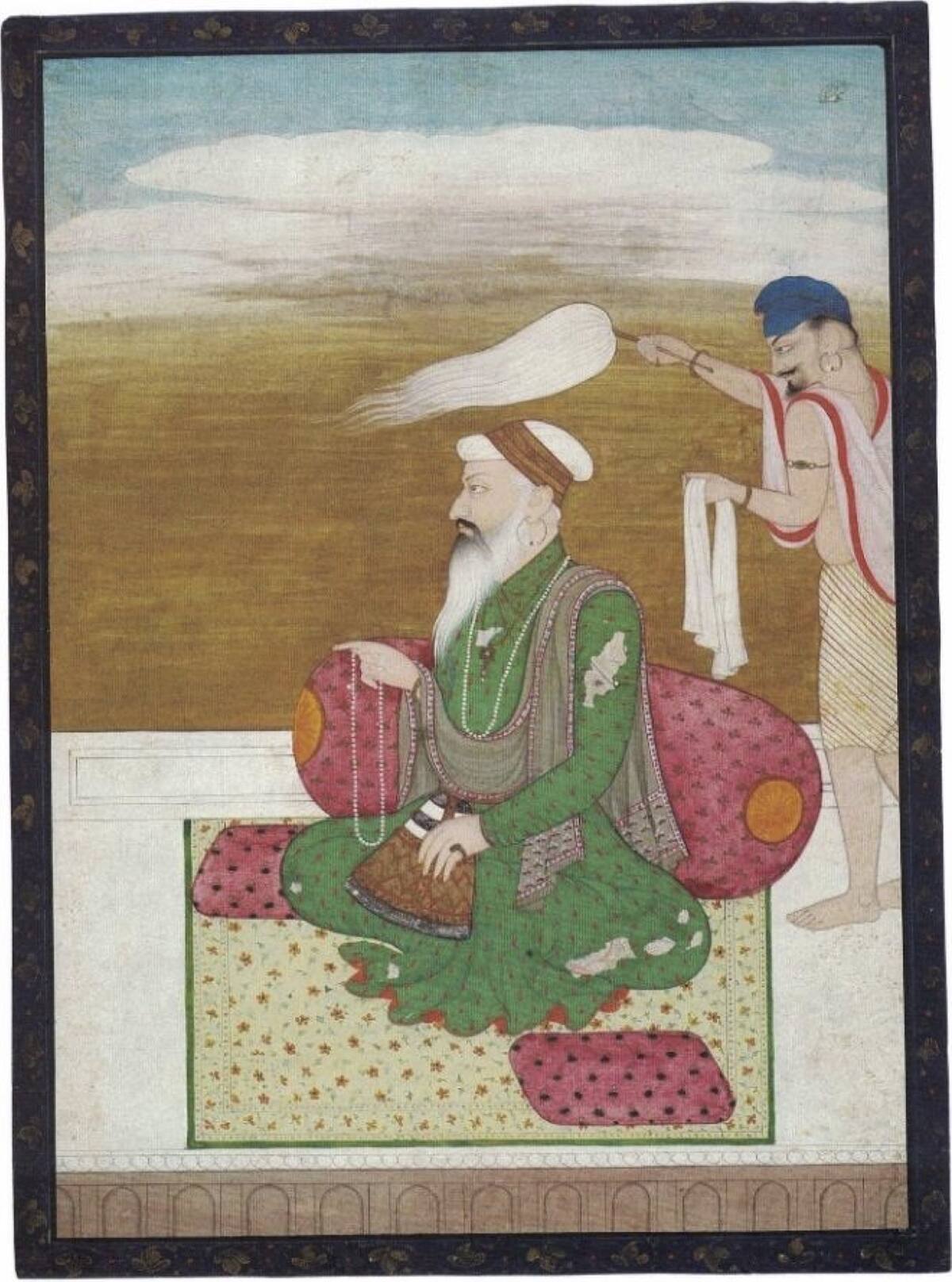
Guru Ram Das and the City of Nectar
An orphan who sold boiled chickpeas became the fourth Sikh Guru, founded Amritsar around a pool of nectar, and wrote the wedding hymns Sikh couples still circle to. Four centuries later, a chant bearing his name is sung in yoga studios around the world.