
Five hundred years ago in Bengal, Chaitanya Mahaprabhu took devotional chanting out of the temple and into the street. Leading ecstatic processions of singers and dancers behind the clay mridanga drum and brass kartals, he taught that in this age the simplest path to the Divine is sankirtana — the congregational chanting of the holy names, above all the Hare Krishna maha-mantra.
His followers built one of the richest devotional cultures in India. The Six Goswamis of Vrindavan — among them Rupa Goswami and Sanatana Goswami — mapped the theology of divine love; centuries later Bhaktivinoda Thakura renewed the tradition and dreamed of its songs being sung in Western lands, and his son Bhaktisiddhanta Sarasvati trained the missionaries to make it happen.
The one who did was Srila Prabhupada, who sailed to New York in 1965 and, beneath a tree in Tompkins Square Park, led the first public Hare Krishna chanting in the West. The ISKCON movement he founded made the maha-mantra one of the most recognized sacred sounds on earth, and kirtaniyas like Aindra Das later re-ignited its 24-hour kirtan culture in Vrindavan itself.
Today this stream is among the most vibrant in the Western Kirtan world. Artists raised in or shaped by the tradition — Jahnavi Harrison, Radhika Das, Gaura Vani, The Mayapuris, and the Kirtaniyas among them — carry its rolling mridanga rhythms and Radha-Krishna poetry onto stages and into yoga studios worldwide, singing chants like Jaya Radha Madhava and Radhe Govinda much as they have been sung in Bengal for five centuries.
Pioneers of This Lineage
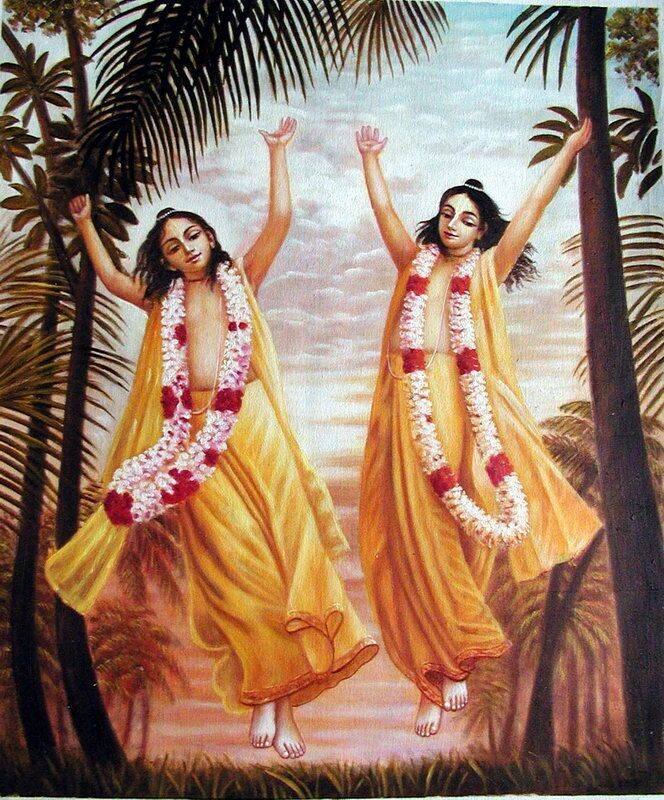
Chaitanya Mahaprabhu
Founder of the Sankirtana Movement · 1486 – 1534
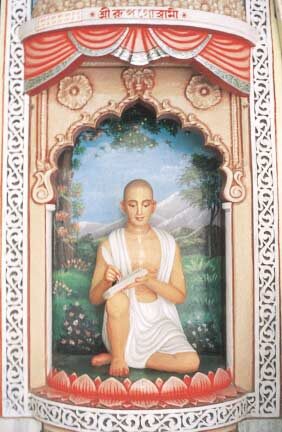
Rupa Goswami
Senior of the Six Goswamis of Vrindavan · c. 1489 – 1564
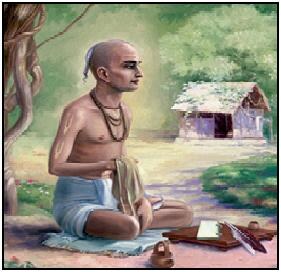
Sanatana Goswami
Elder of the Six Goswamis of Vrindavan · c. 1488 – 1558
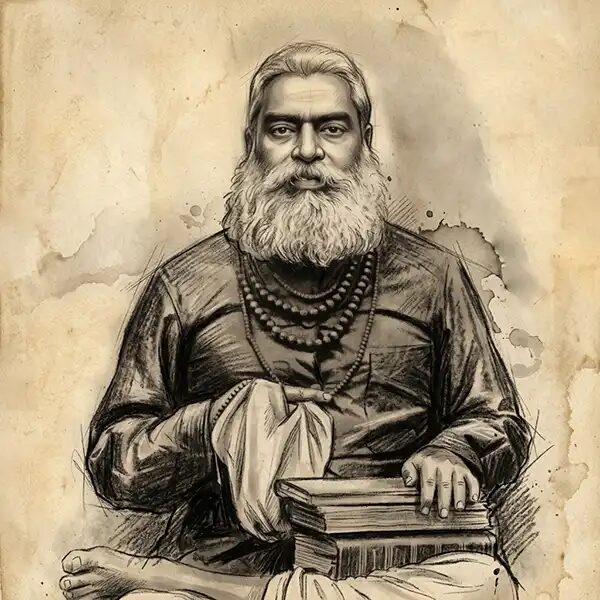
Bhaktivinoda Thakura
Reviver of the Gaudiya Tradition · 1838 – 1914
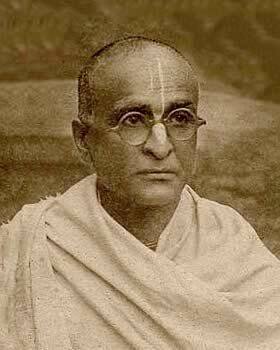
Bhaktisiddhanta Sarasvati
Founder of the Gaudiya Math · 1874 – 1937
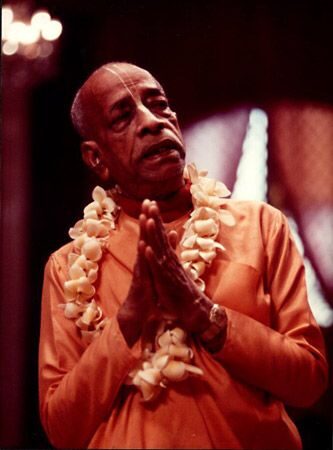
A.C. Bhaktivedanta Swami Prabhupada
Founder-Acharya of ISKCON · 1896 – 1977
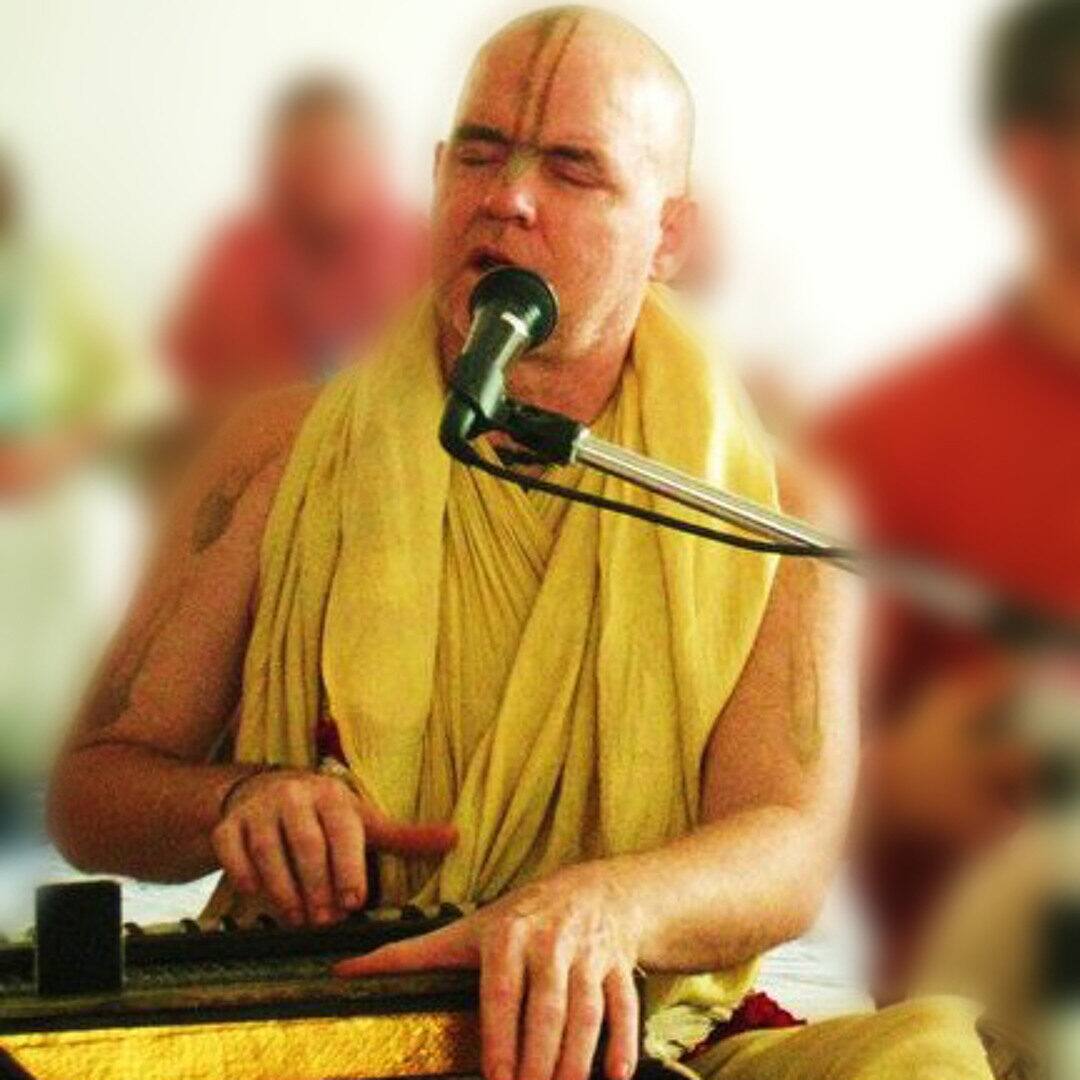
Aindra Das
Reviver of Round-the-Clock Kirtan · 1953 – 2010
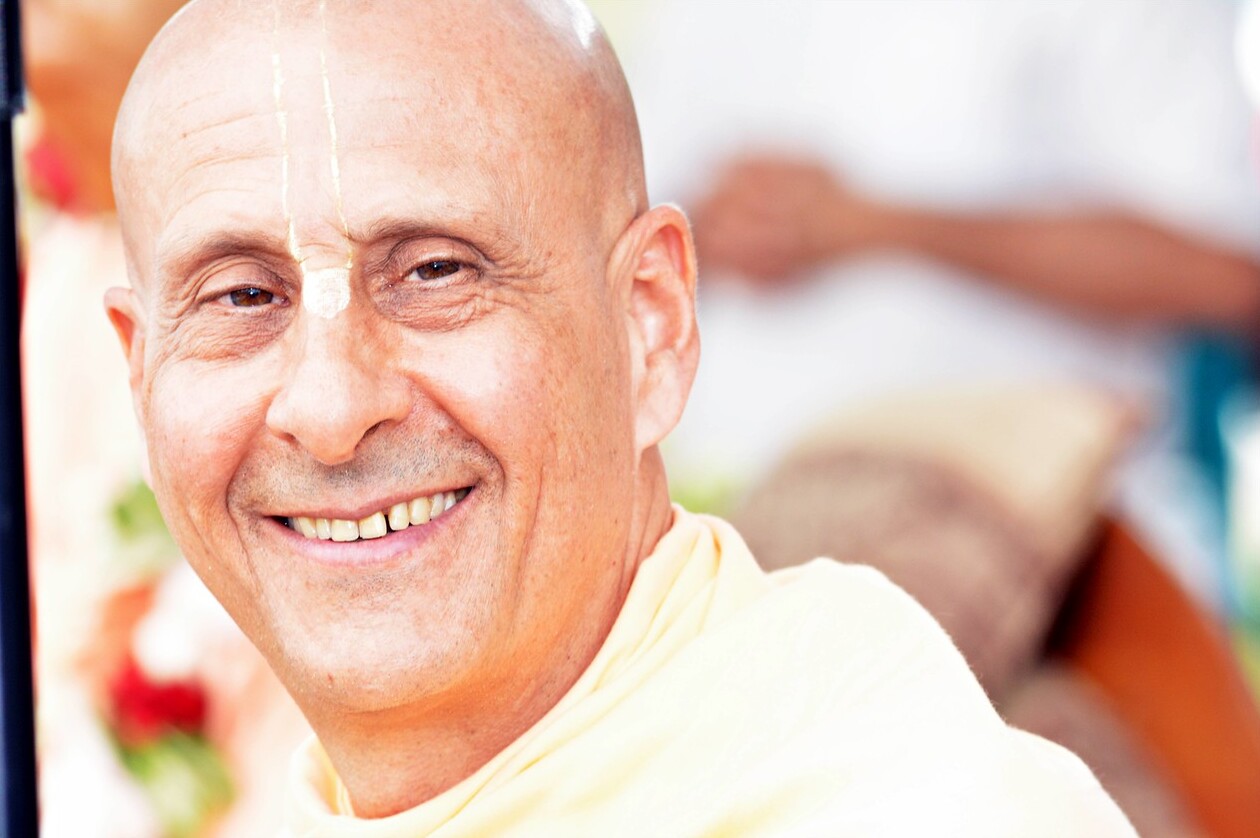
Radhanath Swami
Bhakti Teacher & Author of The Journey Home · b. 1950
Chants of This Tradition
Hare Krishna Maha Mantra
"A direct call to the divine energy of Krishna and Rama"
Jaya Radha Madhava
"A tender Gaudiya bhajan adoring Krishna as Radha's beloved, at play in the groves of Vrindavan"
Gauranga Karuna Koro
"A heartfelt plea to Chaitanya Mahaprabhu (Gauranga) for mercy upon the fallen"
Govinda Damodara Madhaveti
"The beloved refrain of the Govinda Damodara Stotram — a sweet, continuous calling of three names of Krishna: Govinda, Damodara, and Madhava."
Radhe Govinda
"A call to the divine love of Radha and Krishna"
Shri Radhe
"Calling the name of Radha, the embodiment of pure devotion"
Govinda Jaya Jaya
"Victory to Govinda, the tender of cows and keeper of souls"
Devakinandana Gopala
"Krishna, beloved son of Devaki, protector of the cows"
Artists Carrying It Forward
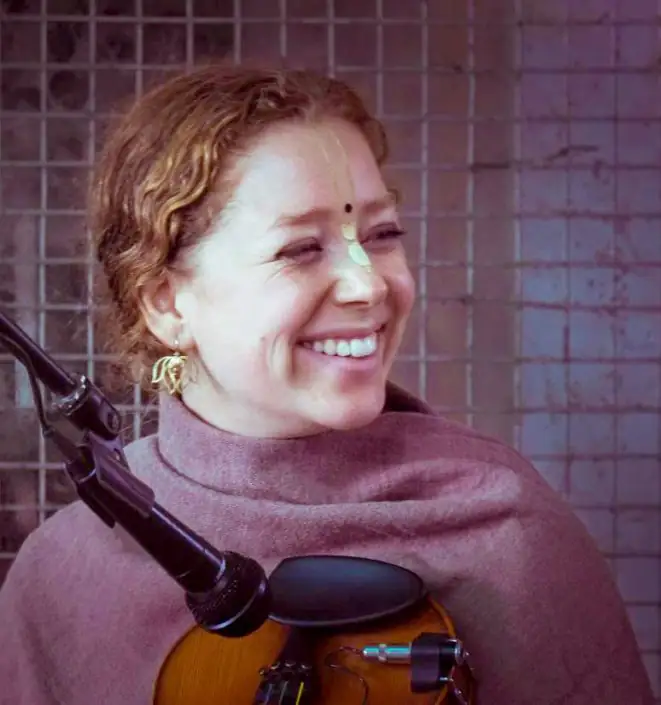
Jahnavi Harrison
London, UK
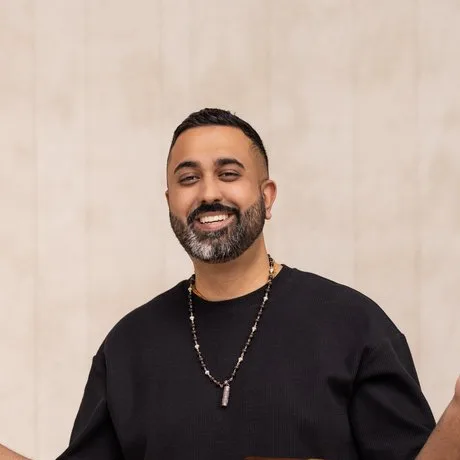
Radhika Das
London, UK
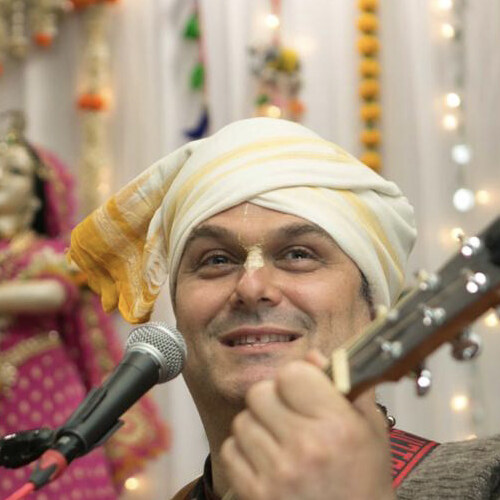
Gaura Vani
Washington, D.C., USA
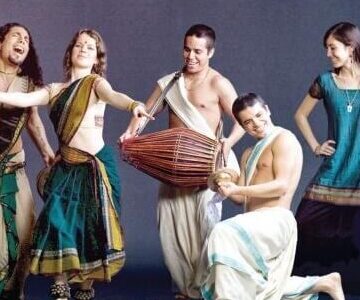
Kirtaniyas
California, USA
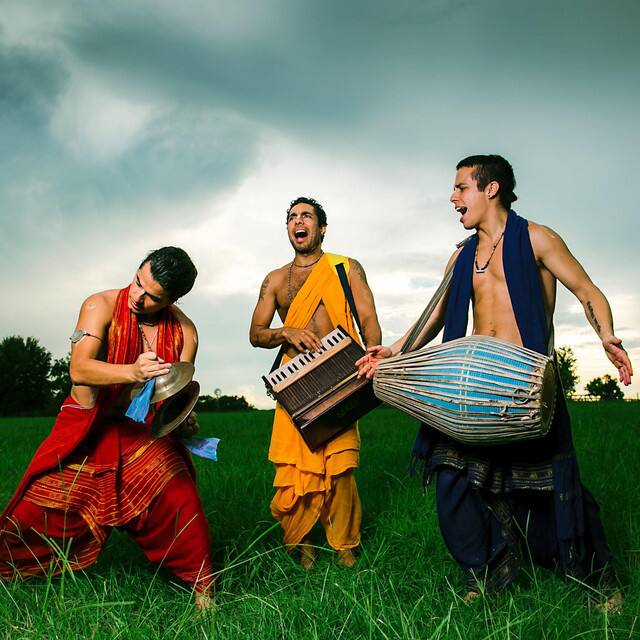
The Mayapuris
Alachua, USA / Mayapur & Vrindavan, India
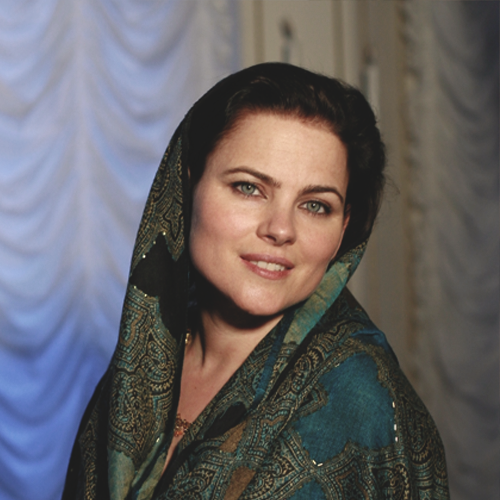
Karnamrita Dasi
USA
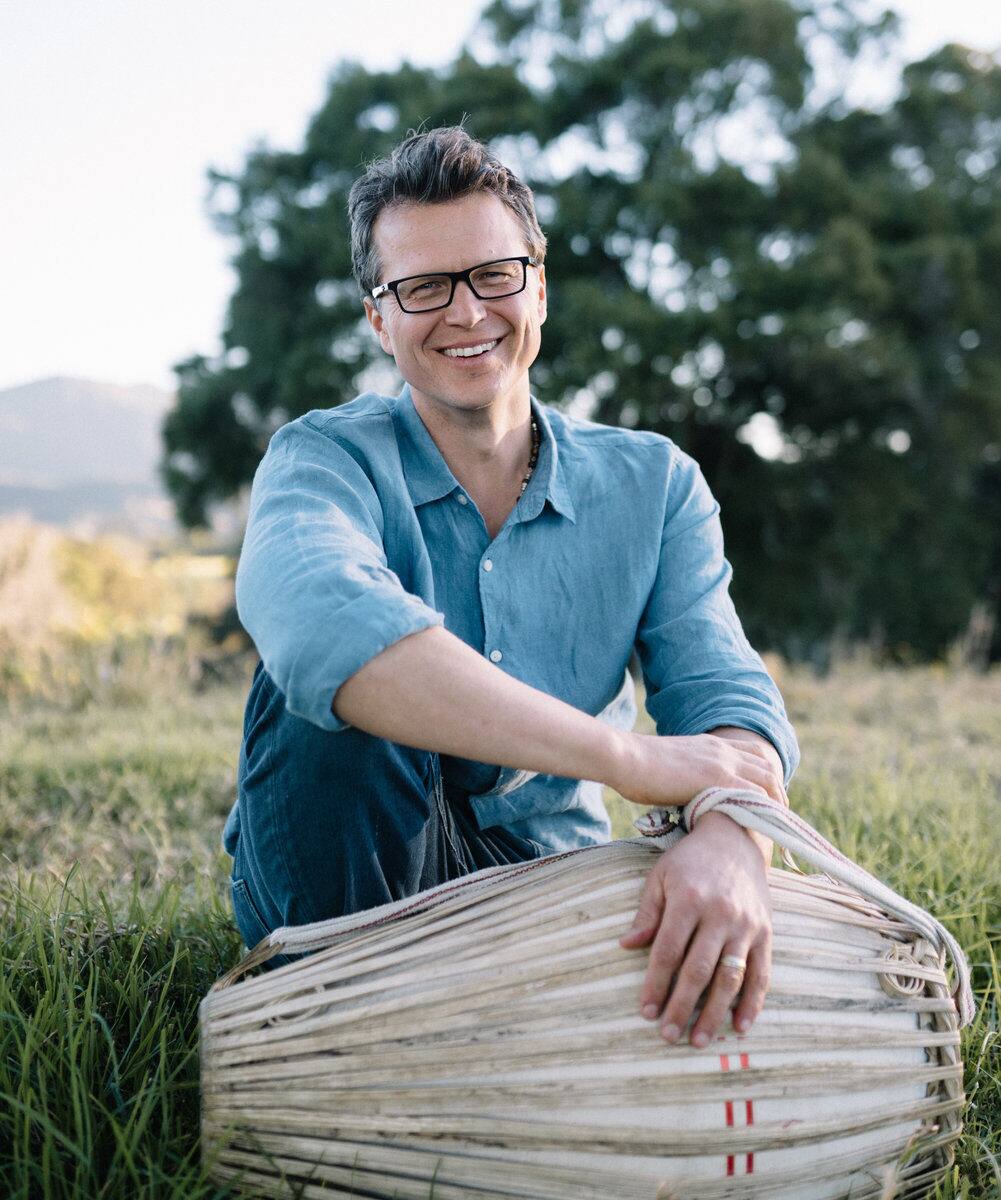
Madi Das
Melbourne, Australia
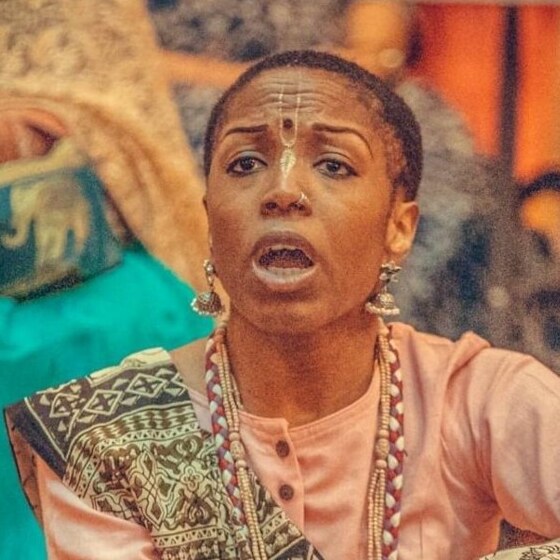
Acyuta Gopi
Brooklyn, USA / Mayapur, India
Key Terms to Know
Sankirtana
Congregational chanting of the holy names together — the public, communal form of kirtan championed by Chaitanya Mahaprabhu.
Harinam
The holy names of Hari (Krishna) — and the practice of chanting them, considered the most accessible spiritual practice of this age.
Japa
Quiet, repetitive recitation of a mantra, usually counted on a 108-bead mala — the meditative, individual counterpart to congregational kirtan.
Mridanga
A two-headed clay or wood drum central to traditional kirtan, especially in the Gaudiya Vaishnava tradition.
Kartal
Hand cymbals that keep the rhythmic pulse of kirtan, ranging from small finger cymbals to larger brass pairs.
Prasad
Food or other offerings first given to the Divine and then shared among devotees, carrying grace back to all who receive it.
Vaishnava
A devotee of Vishnu and his forms such as Krishna and Rama — the tradition from which much of today's kirtan flows.
Lila
The divine play — the idea that creation and the deeds of the Divine unfold as a spontaneous, joyful game rather than grim necessity.