
Western Kirtan is the youngest stream on this site — and the reason the site exists. In barely sixty years, call-and-response chanting has traveled from Indian temples and Himalayan ashrams into yoga studios, festivals, and living rooms across Europe, the Americas, and beyond. It is not a single lineage but a confluence: several Indian streams arrived by different roads and merged into a recognizably Western way of chanting — heartfelt, informal, open to everyone in the room.
The road was opened long before the first Western chant album. Swami Vivekananda introduced Vedanta to America in 1893; Paramahansa Yogananda had thousands of Americans chanting "O God Beautiful" at Carnegie Hall in 1926; and Swami Sivananda's disciples — among them Swami Satchidananda, who opened Woodstock in 1969 with a chant — made mantra part of the young Western yoga world.
Then came the two great transmissions of the 1960s. In 1965 Srila Prabhupada sailed to New York and led the first public Hare Krishna chanting in the West beneath a tree in Tompkins Square Park — the story of the Gaudiya Vaishnava stream. A few years later, a circle of young Americans found their way to Neem Karoli Baba in the Himalayan foothills. Ram Dass carried the message home in Be Here Now; Bhagavan Das, Krishna Das, and Jai Uttal carried the practice — the harmonium-led Ram bhajan and Hanuman Chalisa of the North Indian Bhakti stream — and, beginning in the yoga studios of the 1990s, turned it into the template for the Western chant gathering.
A third stream arrived through the Sikh-rooted Kundalini yoga community. When Yogi Bhajan began teaching Kundalini yoga in America in 1969, the 3HO community he founded wove Gurmukhi chants like Ong Namo Guru Dev Namo and Sat Nam into daily practice; a generation raised in it — Snatam Kaur above all — became some of the most beloved voices in Western sacred music. The deeper roots of that chant stream are told on the Sikh Gurbani Kirtan page.
Today Western Kirtan has a sound of its own: guitars and cellos alongside harmonium and kartals, English verses woven around Sanskrit mantra, and an ethos in which the room — not the stage — is the point. Artists like Deva Premal & Miten, Dave Stringer, Wah!, and MC Yogi each carry it in their own idiom. Explore the full artist directory to meet the people singing it now, or start with a chant — Om Namah Shivaya, Sita Ram, or Lokah Samastah Sukhino Bhavantu are beloved doorways in.
Pioneers of This Lineage
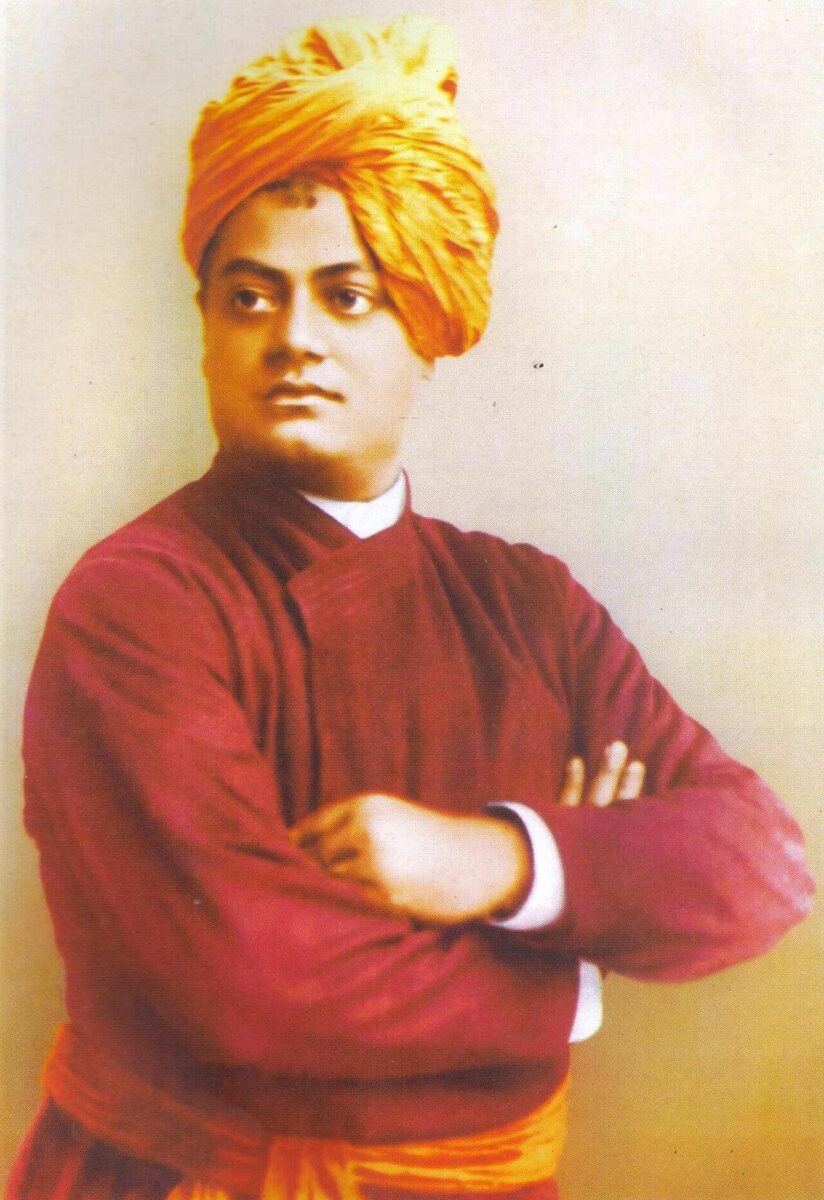
Swami Vivekananda
First Ambassador of Vedanta to the West · 1863 – 1902
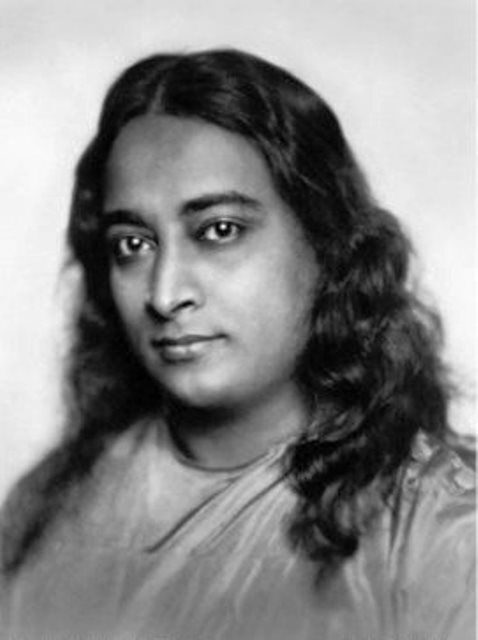
Paramahansa Yogananda
Pioneer of Chant in the West · 1893 – 1952
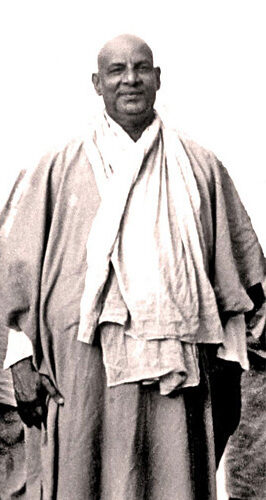
Swami Sivananda
Rishikesh Master Who Made Kirtan a Daily Yoga Practice · 1887 – 1963
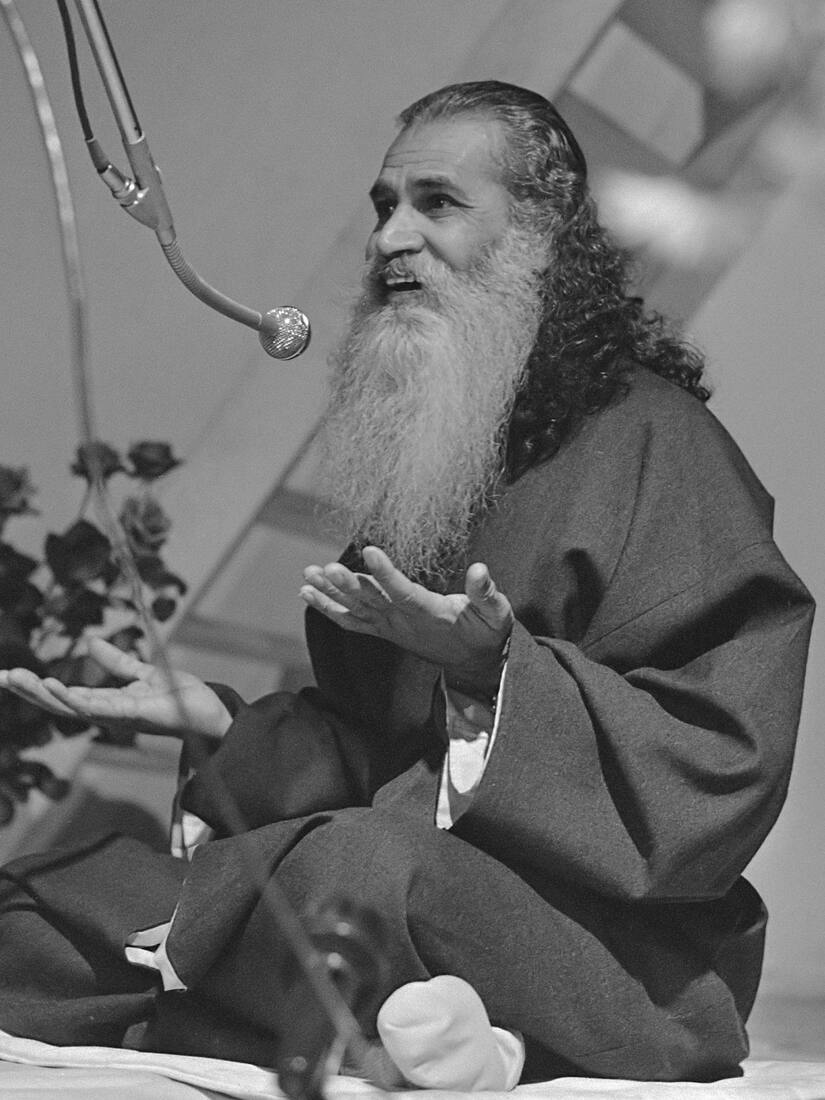
Swami Satchidananda
The Woodstock Swami Who Opened a Festival with a Chant · 1914 – 2002
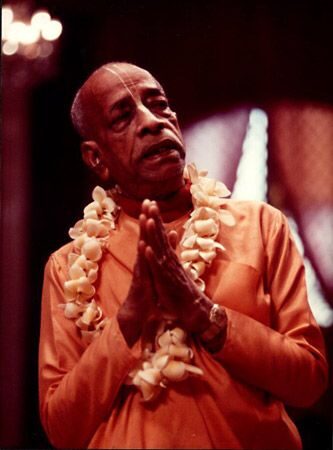
A.C. Bhaktivedanta Swami Prabhupada
Founder-Acharya of ISKCON · 1896 – 1977
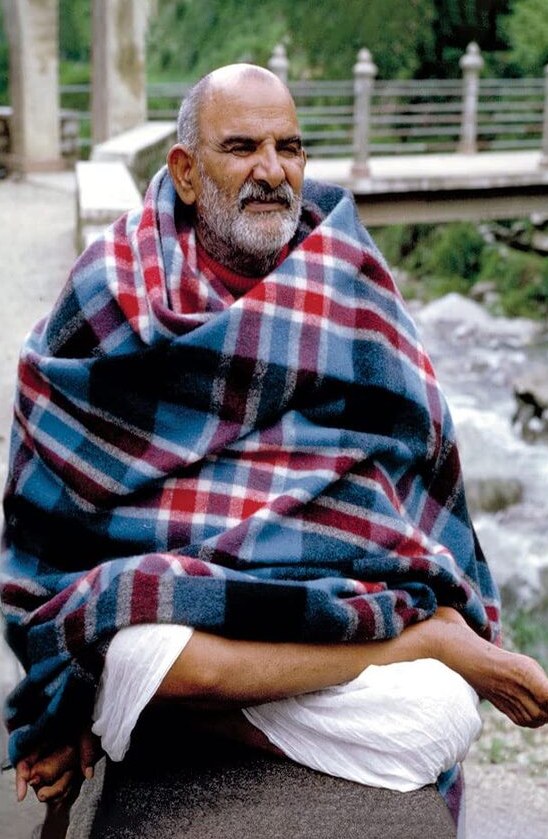
Neem Karoli Baba
Guru of the Western Kirtan Generation · c. 1900 – 1973
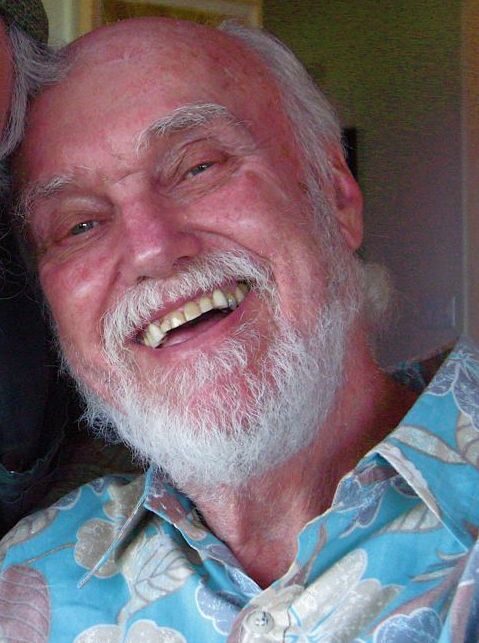
Ram Dass
Author of Be Here Now & Bridge to Western Bhakti · 1931 – 2019
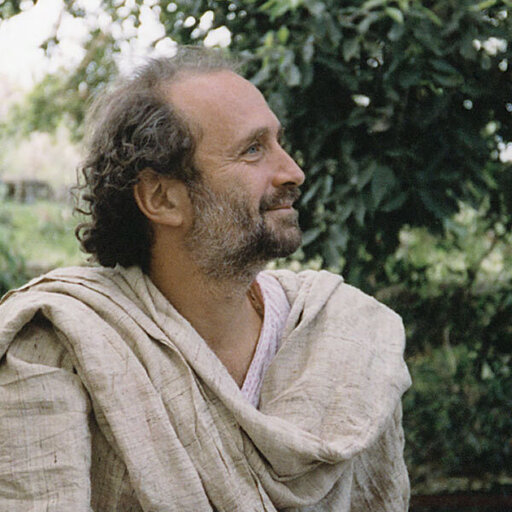
Shyamdas
Western Scholar-Kirtaniya of the Path of Grace · 1953 – 2013
Chants of This Tradition
Hare Krishna Maha Mantra
"A direct call to the divine energy of Krishna and Rama"
Om Namah Shivaya
"I bow to Shiva, the auspicious one within"
Sita Ram
"A tender call to Ram and his beloved Sita"
Baba Hanuman
"A joyful invocation of Hanuman — "I bow again and again to Anjani's son""
Lokah Samastah Sukhino Bhavantu
"May all beings everywhere be happy and free"
Ong Namo Guru Dev Namo
"I bow to the creative wisdom; I bow to the divine teacher within."
Sat Nam
"Truth is my name — truth is my identity"
Om Gam Ganapataye Namaha
"Salutations to Ganesha, the remover of obstacles"
Artists Carrying It Forward
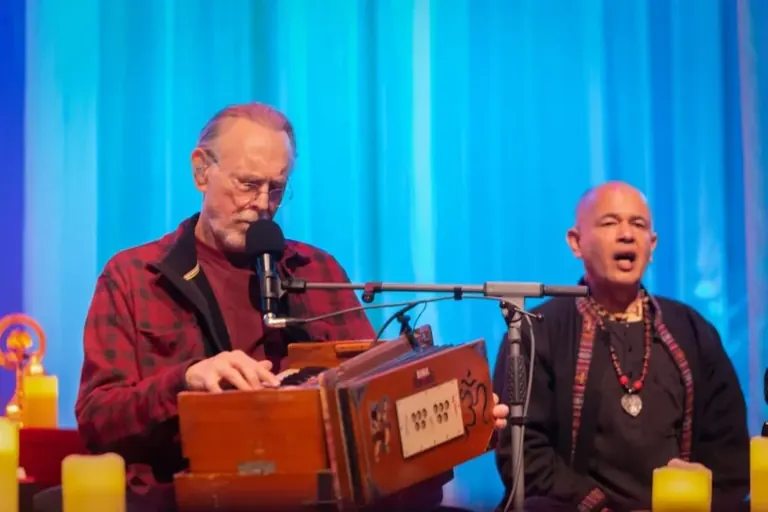
Krishna Das
New York, USA
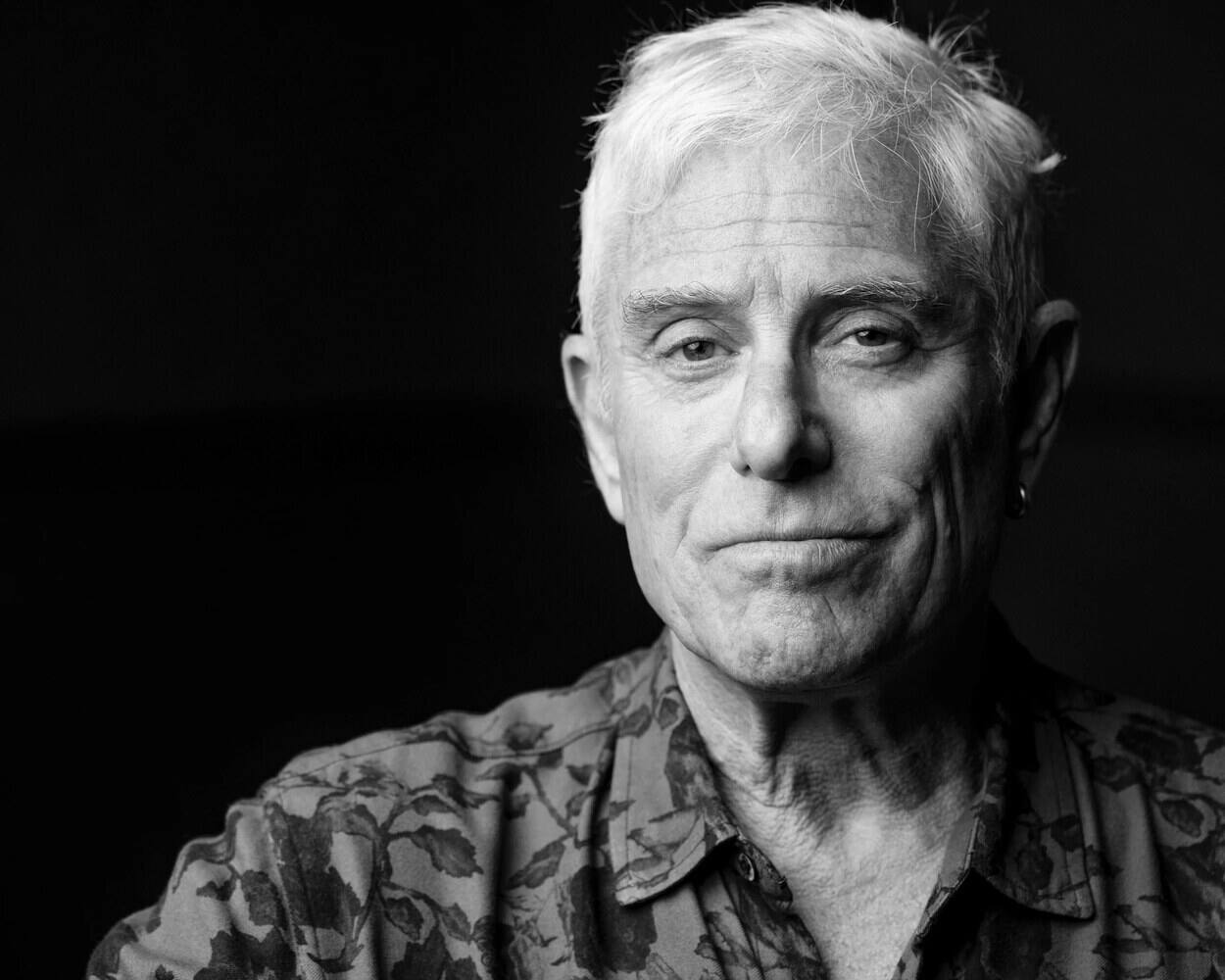
Jai Uttal
California, USA
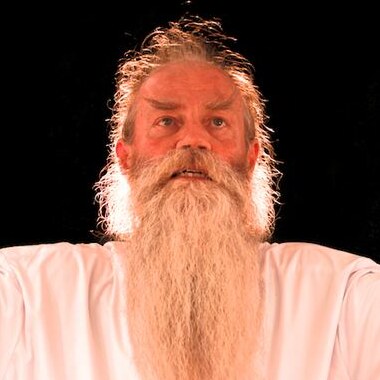
Bhagavan Das
Stevens Point, Wisconsin, USA
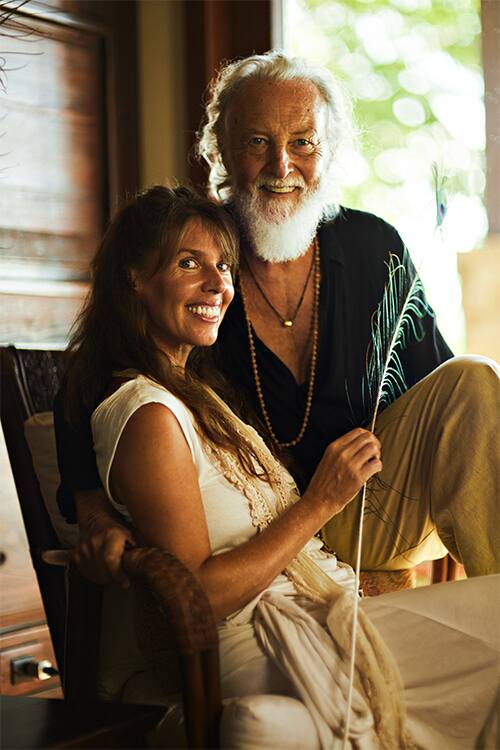
Deva Premal & Miten
Germany / International
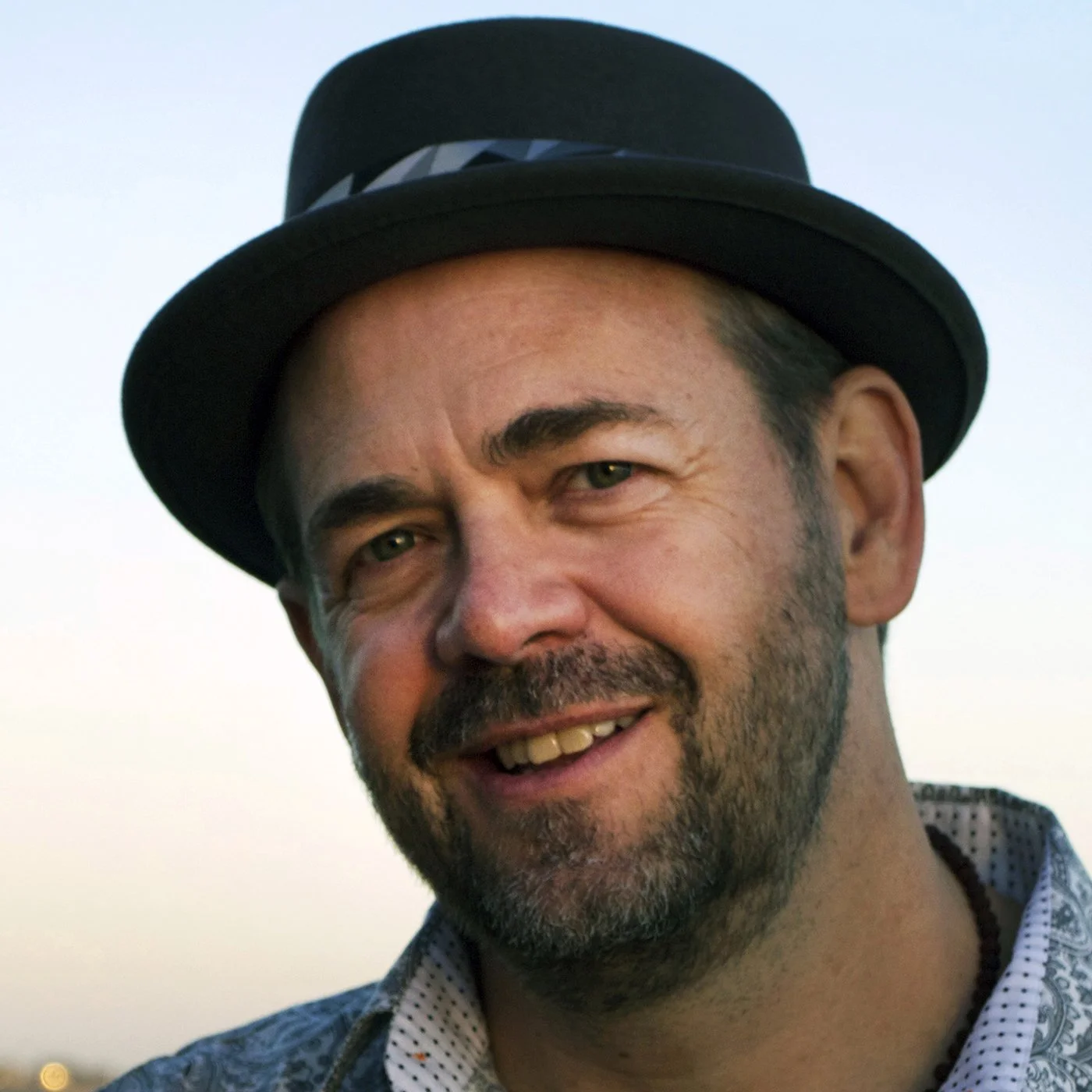
Dave Stringer
Los Angeles, USA
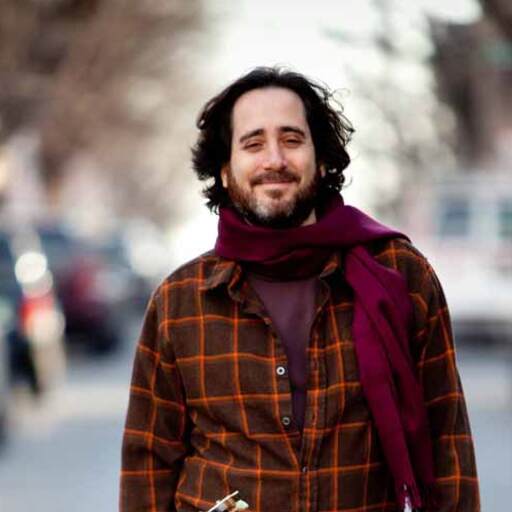
David Newman (Durga Das)
Pennsylvania, USA

Wah!
Vermont, USA
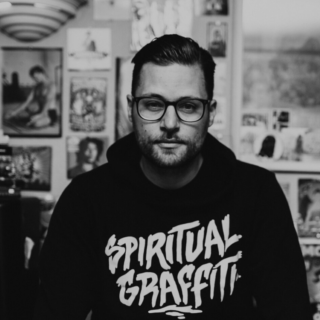
MC Yogi
California, USA
Key Terms to Know
Kirtan
Call-and-response devotional chanting of sacred names and mantras — the communal, musical heart of the Bhakti path.
Bhakti
Loving devotion to the Divine — the heart of kirtan and the central path of the Bhakti movement, prizing love and surrender over ritual and status.
Mantra
A sacred sound, word, or phrase — literally a 'tool of the mind' — repeated to focus awareness and invoke the Divine.
Satsang
The company of truth — a gathering of seekers to chant, study, and keep one another oriented toward the Divine.
Harinam
The holy names of Hari (Krishna) — and the practice of chanting them, considered the most accessible spiritual practice of this age.
Japa
Quiet, repetitive recitation of a mantra, usually counted on a 108-bead mala — the meditative, individual counterpart to congregational kirtan.
Sadhana
Dedicated spiritual practice — the daily, disciplined effort, such as chanting, that carries a seeker toward realization.
Seva
Selfless service offered without expectation of reward — devotion expressed through action.
Related Reading
Ram Dass: Be Here Now and the Birth of Western Kirtan
Article