
In the Sikh tradition, kirtan is not an accessory to worship — it is worship. Guru Nanak, the tradition's founder, traveled for decades singing his revelations while his Muslim companion Bhai Mardana played the rabab; song and scripture were one from the first note. The hymns of the Gurus — Gurbani, "the Guru's word" — are set in specific ragas and sung daily by trained ragi musicians in gurdwaras around the world.
Each of the early Gurus deepened the musical foundation: Guru Angad standardized the Gurmukhi script so the hymns could be sung precisely; Guru Amar Das composed the Anand Sahib, the song of bliss; Guru Ram Das founded Amritsar and gave the tradition some of its most beloved melodies; and Guru Arjan compiled the Adi Granth — a scripture organized by raga, sealed with his own martyrdom. Guru Tegh Bahadur added his spare, unflinching hymns before giving his life for freedom of worship, and Guru Gobind Singh enthroned the scripture itself as the living Guru — which is why the holiest place in Sikhism is a building filled with music. The middle chapters of that lineage are told in full in Guru Angad and the Alphabet Built for Song, Guru Amar Das and the Song of Bliss, and Guru Ram Das and the City of Nectar.
Gurmukhi chant reached the West by its own road. When Kundalini yoga arrived in America in the late 1960s, the 3HO and Sikh Dharma communities wove chants drawn from and inspired by the Sikh tradition into daily practice: Ong Namo Guru Dev Namo, the Mool Mantar, Sat Nam, and the healing chant Ra Ma Da Sa. How that chant stream became part of the wider Western scene is told on the Western Kirtan page.
A generation raised in those communities became some of the most beloved voices in Western sacred music: Snatam Kaur, the Grammy-winning ensemble White Sun, Simrit, Nirinjan Kaur, Ajeet, and Mirabai Ceiba each carry Gurbani and Gurmukhi mantra forward in their own voice — singing lines first set to music five centuries ago.
Pioneers of This Lineage
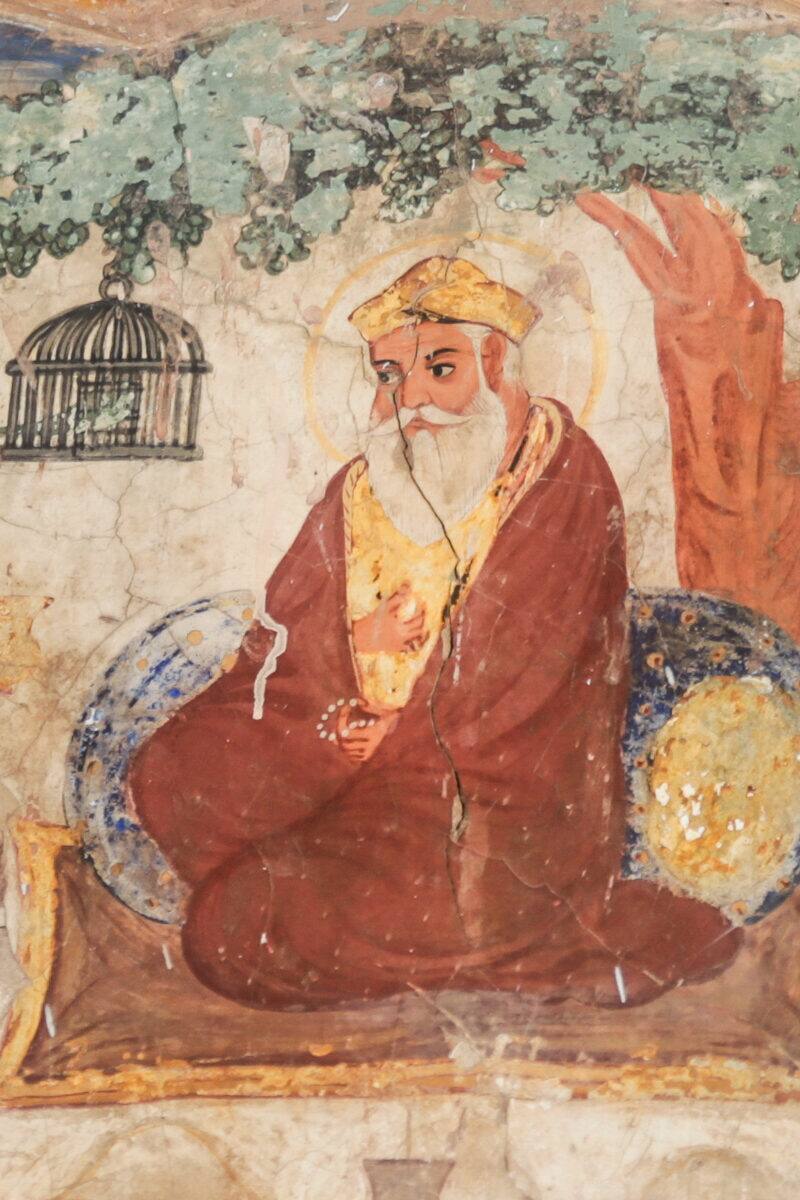
Guru Nanak
Founder of Sikhi & Devotional Singer · 1469 – 1539
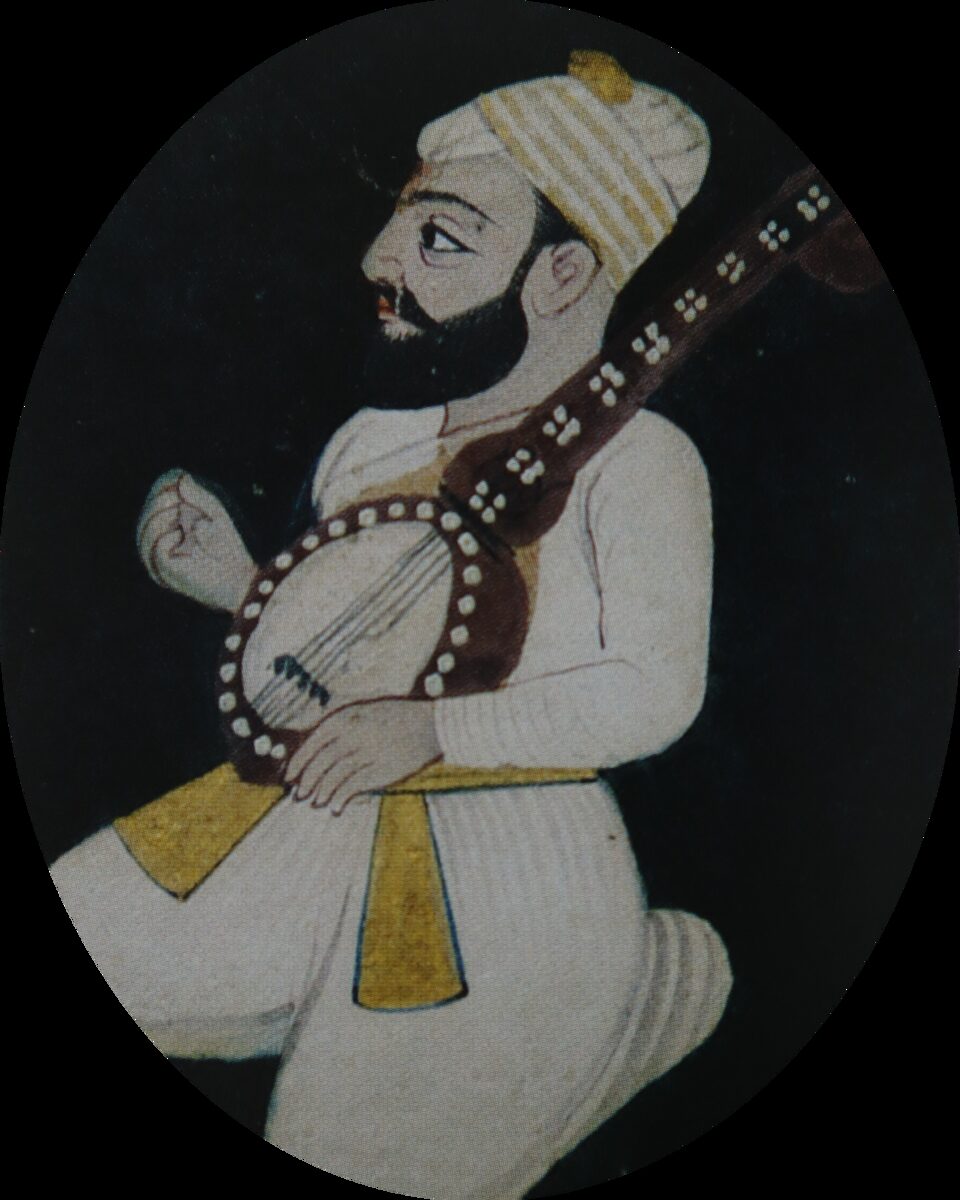
Bhai Mardana
First Sikh Kirtan Musician & Rabab Player · c. 1459 – 1534
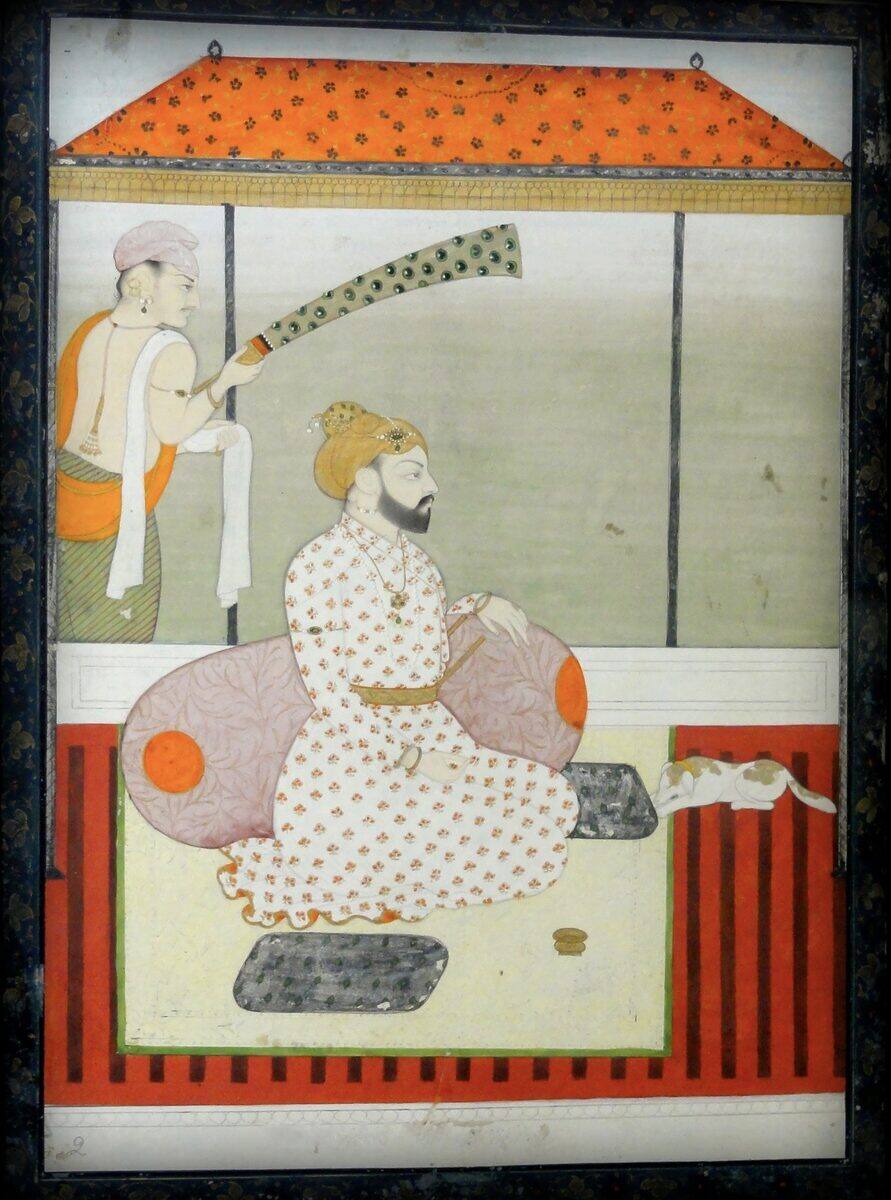
Guru Angad
Second Sikh Guru & Standardizer of the Gurmukhi Script · 1504 – 1552
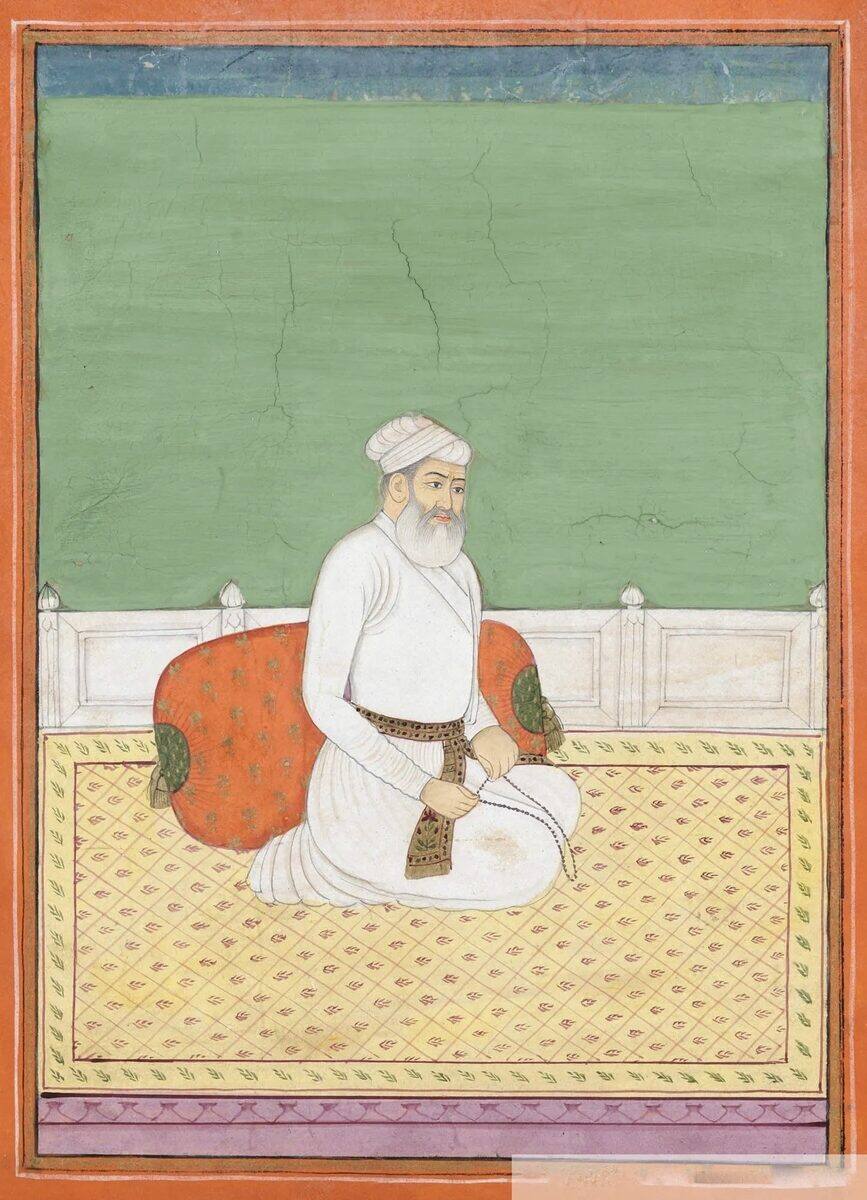
Guru Amar Das
Third Sikh Guru & Composer of the Anand Sahib · 1479 – 1574
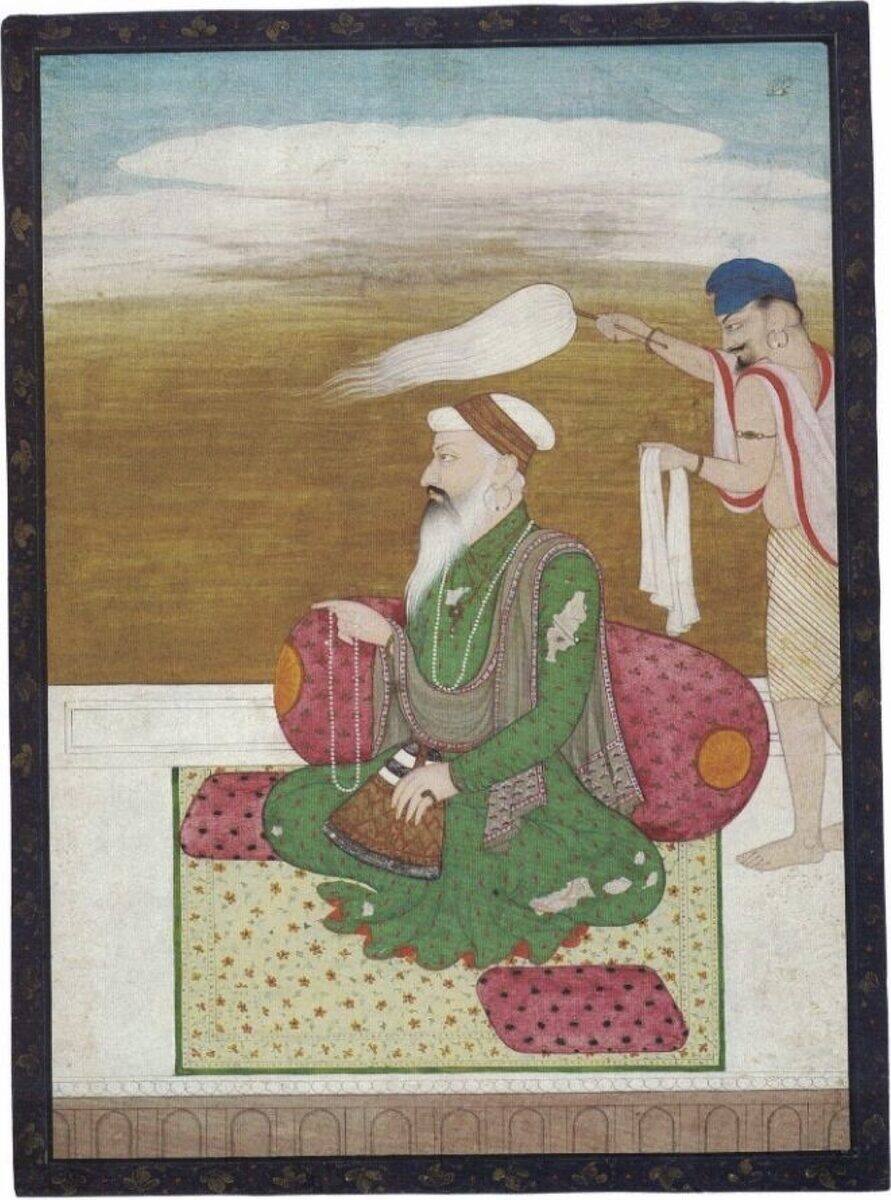
Guru Ram Das
Fourth Sikh Guru & Founder of Amritsar · 1534 – 1581
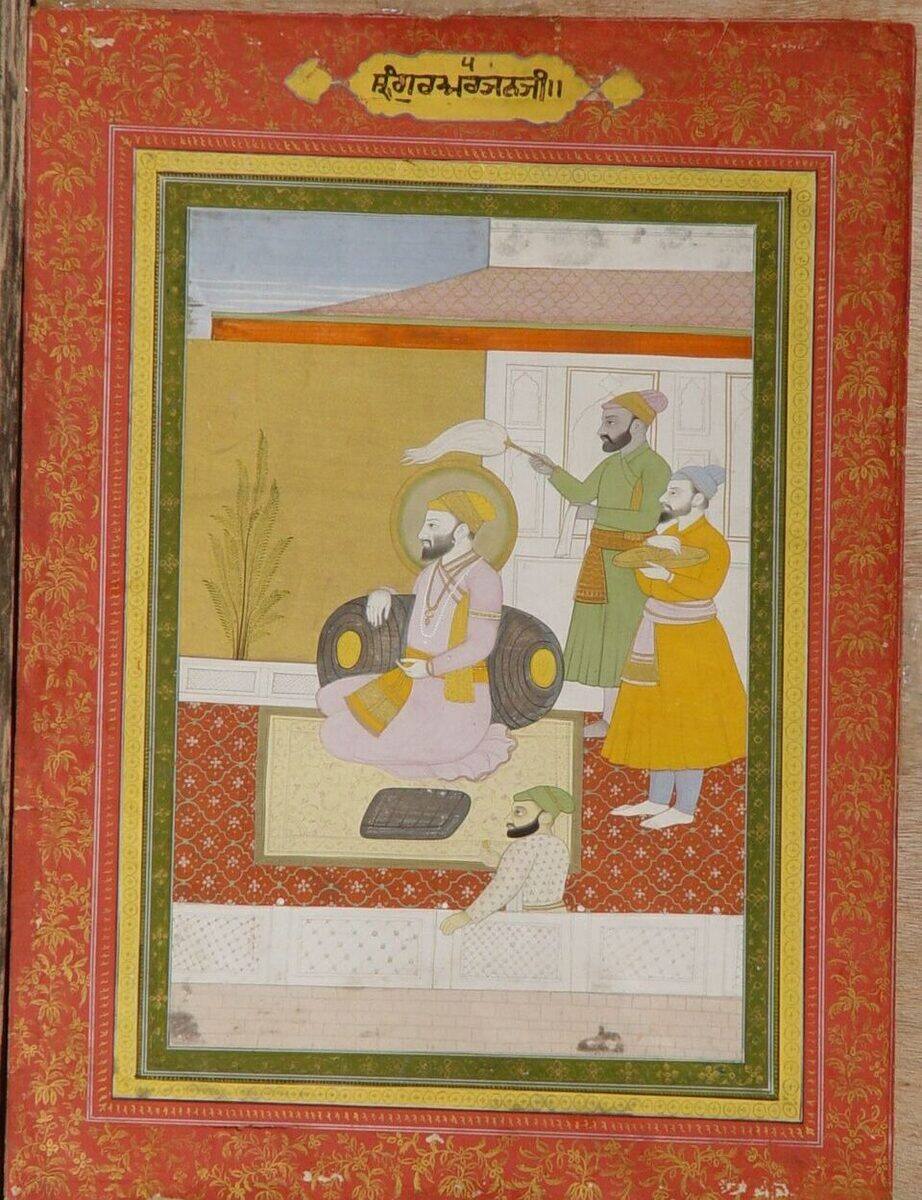
Guru Arjan
Compiler of the Adi Granth & Fifth Sikh Guru · 1563 – 1606
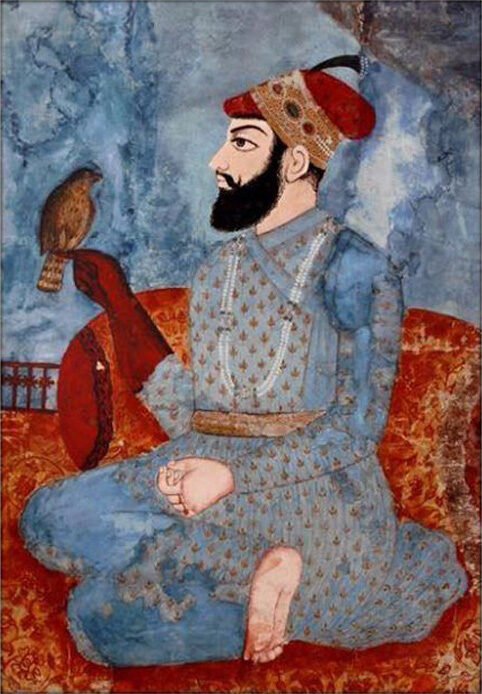
Guru Tegh Bahadur
Ninth Sikh Guru & Martyr for Freedom of Faith · 1621 – 1675
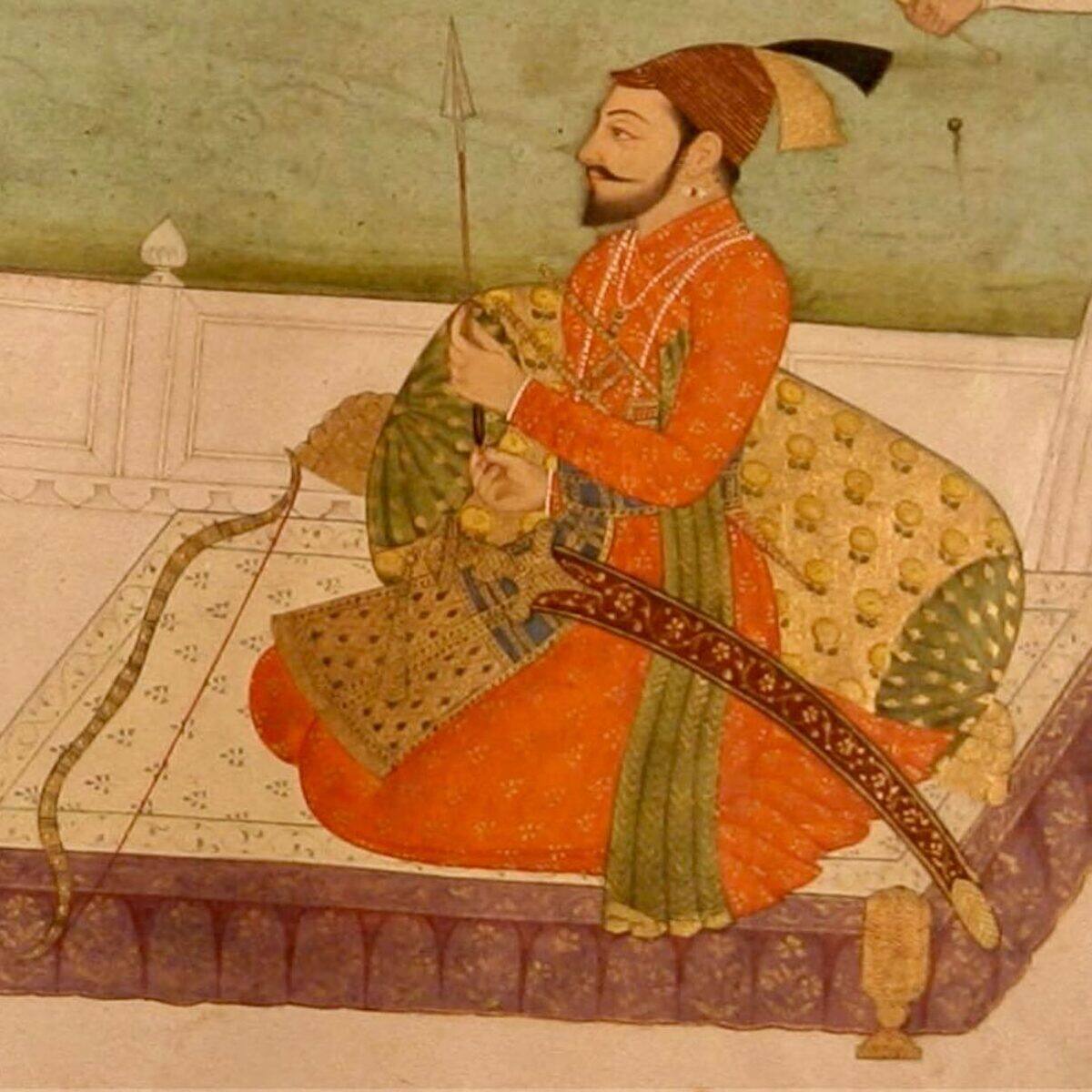
Guru Gobind Singh
Tenth Sikh Guru, Poet & Founder of the Khalsa · 1666 – 1708
Chants of This Tradition
Mool Mantar
"One Creator, whose Name is Truth — the opening verse of the Guru Granth Sahib"
Ong Namo Guru Dev Namo
"I bow to the creative wisdom; I bow to the divine teacher within."
Guru Ram Das
"A mantra of humility and healing invoking the grace of Guru Ram Das."
Ra Ma Da Sa Sa Say So Hung
"The Kundalini "Siri Gaitri" mantra for healing — Sun, Moon, Earth, Infinity"
Aad Guray Nameh
"A Sikh mantra of protection — bowing to the primal, eternal, and true wisdom"
Sat Nam
"Truth is my name — truth is my identity"
Wahe Guru Wahe Jio
"Ecstatic wonder at the Divine — great beyond words is the Guru, beloved of my soul"
Ang Sang Waaheguru
"The Divine is with me, in every limb and cell of my being."
Artists Carrying It Forward

Snatam Kaur
Colorado, USA

Ajeet
Ireland

Nirinjan Kaur
Los Angeles, USA

Mirabai Ceiba
Germany
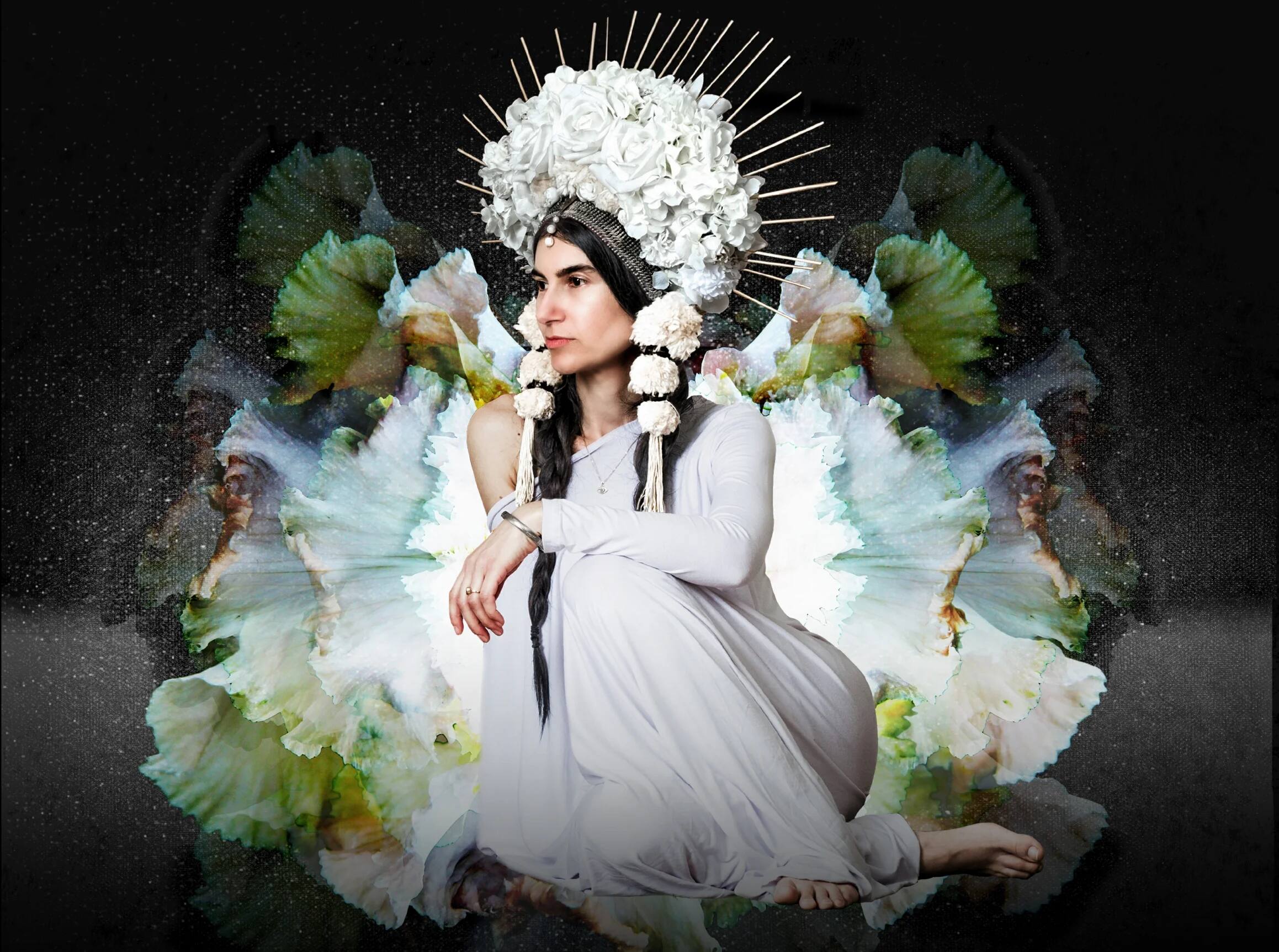
Simrit
Nevada City, California, USA
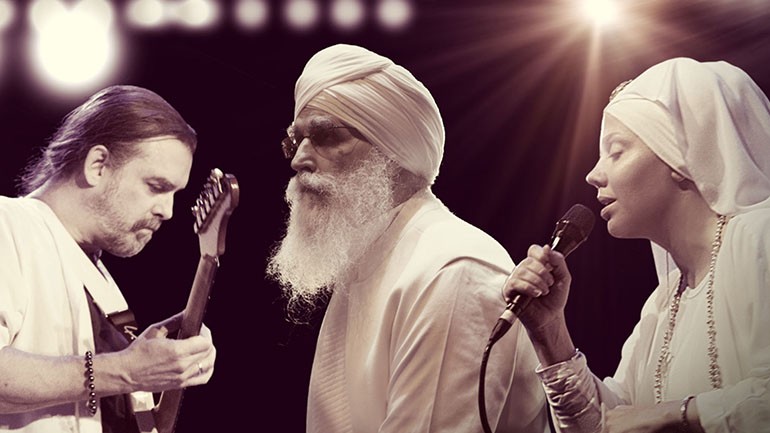
White Sun
Los Angeles, California, USA

Jai-Jagdeesh
Connecticut, USA / Northern India
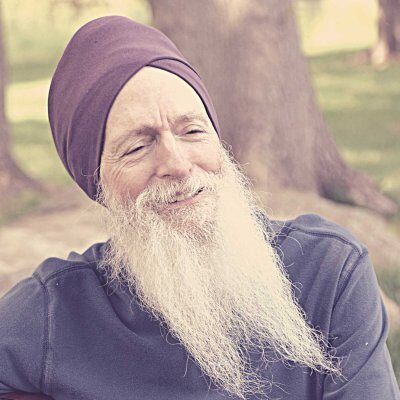
GuruGanesha Singh
Herndon, Virginia, USA
Key Terms to Know
Gurbani
The Guru's Word — the compositions of the Sikh Gurus and saints enshrined in the Guru Granth Sahib, organized by raga and meant to be sung as shabad kirtan.
Shabad
The sacred Word — a hymn of the Guru Granth Sahib sung as kirtan. In the Sikh tradition the shabad itself, not the singer, is the living vessel of the Divine.
Wahe Guru
An exclamation of wonder at the Divine — "Wondrous is the Guru" who carries us from darkness to light. As the gurmantar it is the central mantra of Sikh remembrance, repeated in meditation and song.
Gurmukhi
"From the mouth of the Guru" — the script in which the Guru Granth Sahib is written and the sacred script of Sikh chant, standardized by the second Guru, Guru Angad.
Gurdwara
"The door of the Guru" — a Sikh house of worship where the Guru Granth Sahib is enthroned and its hymns are sung as kirtan, open to all and serving free community meals (langar).
Naam
The Divine Name — the vibration by which the One is known and remembered. Its loving remembrance (naam simran) is the heart of the path Guru Nanak taught.
Ragi
A trained Sikh musician who sings Gurbani in its prescribed raags at the gurdwara, traditionally in an ensemble (jatha) of three with harmonium and tabla — and historically with bowed instruments like the rabab, dilruba, and taus.
Rabab
A plucked stringed instrument of Central and South Asia. Bhai Mardana, Guru Nanak's lifelong companion, accompanied his hymns on the rabab — making it the first instrument of Sikh kirtan.