
When most Westerners picture a Kirtan — a leader behind a harmonium, a tabla keeping the cycle, a room singing the names of Ram or Krishna back in call-and-response — they are picturing the North Indian, or Hindustani, stream of Bhakti music. It is less a single school than a vast river system: the medieval sant poets singing in the languages ordinary people actually spoke, the temple songs of the Braj country where Krishna spent his childhood, and the raga-based art music of North India all feed into it.
Its saints are some of the most beloved figures in Indian devotional history. Mirabai sang her love for Krishna in defiance of royal convention; Tulsidas retold the story of Ram in verses still sung in temples every day; Surdas poured out songs to the child Krishna; and Kabir and Ravidas sang of a God beyond form altogether. In Vrindavan, Swami Haridas offered dhrupad — the oldest surviving Hindustani vocal style — to God alone, while Vallabhacharya's Pushtimarg temples raised devotional song into a round-the-clock musical offering. Centuries later, Vishnu Digambar Paluskar carried Ram bhajan onto the public concert stage and into India's independence movement.
The chants of this stream lean toward Ram, Sita, Hanuman, and Krishna: Sri Ram Jai Ram, Sita Ram, the Hanuman Chalisa, and Raghupati Raghava Raja Ram — the bhajan Gandhi's prayer meetings made world-famous.
This is also the stream that most directly seeded Western Kirtan. The devotees who gathered around Neem Karoli Baba in the Himalayan foothills — among them the young Americans who became Krishna Das, Jai Uttal, and Bhagavan Das — learned Ram bhajan and Hanuman chalisa in this idiom and carried its harmonium-led, call-and-response form home, where it became the template for the Western chant gathering — a story told in full on the Western Kirtan page.
Pioneers of This Lineage
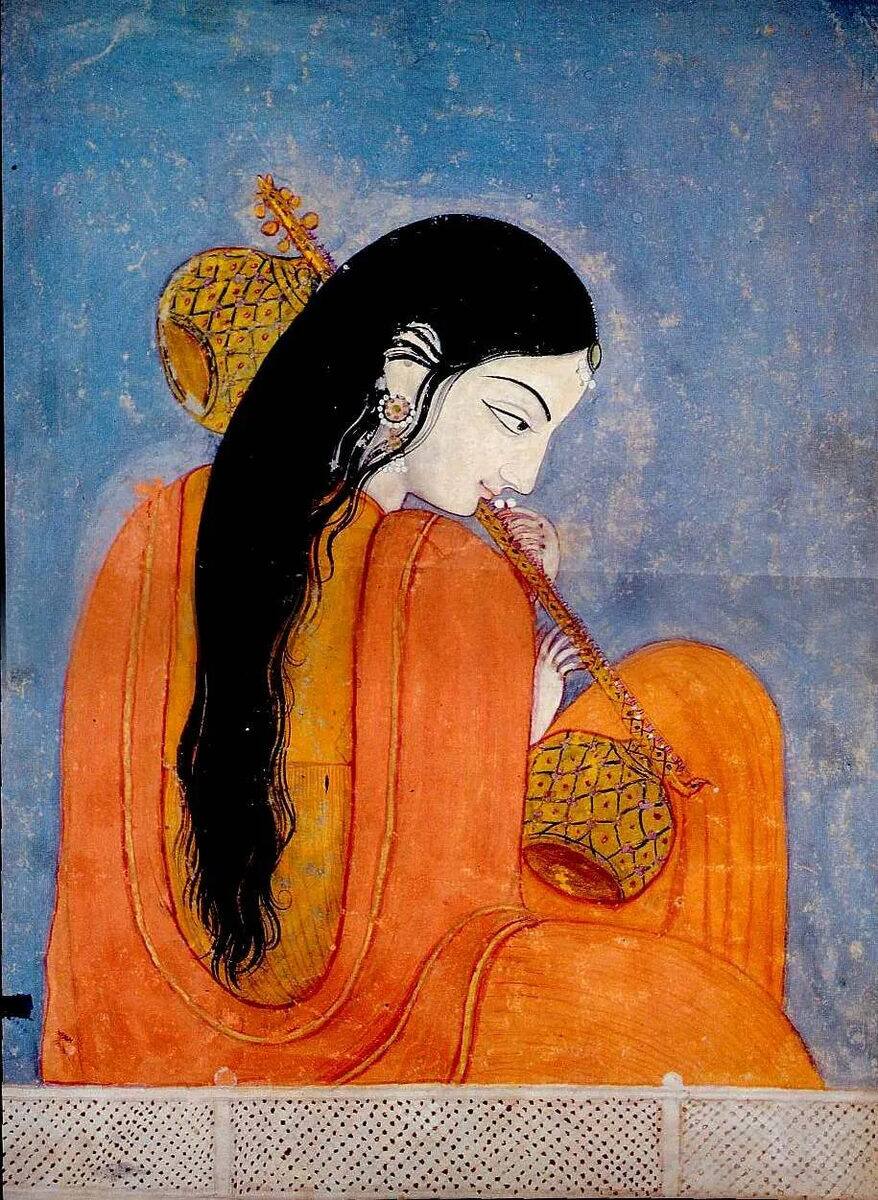
Mirabai
Bhakti Poet-Saint & Singer of Krishna · c. 1498 – c. 1547
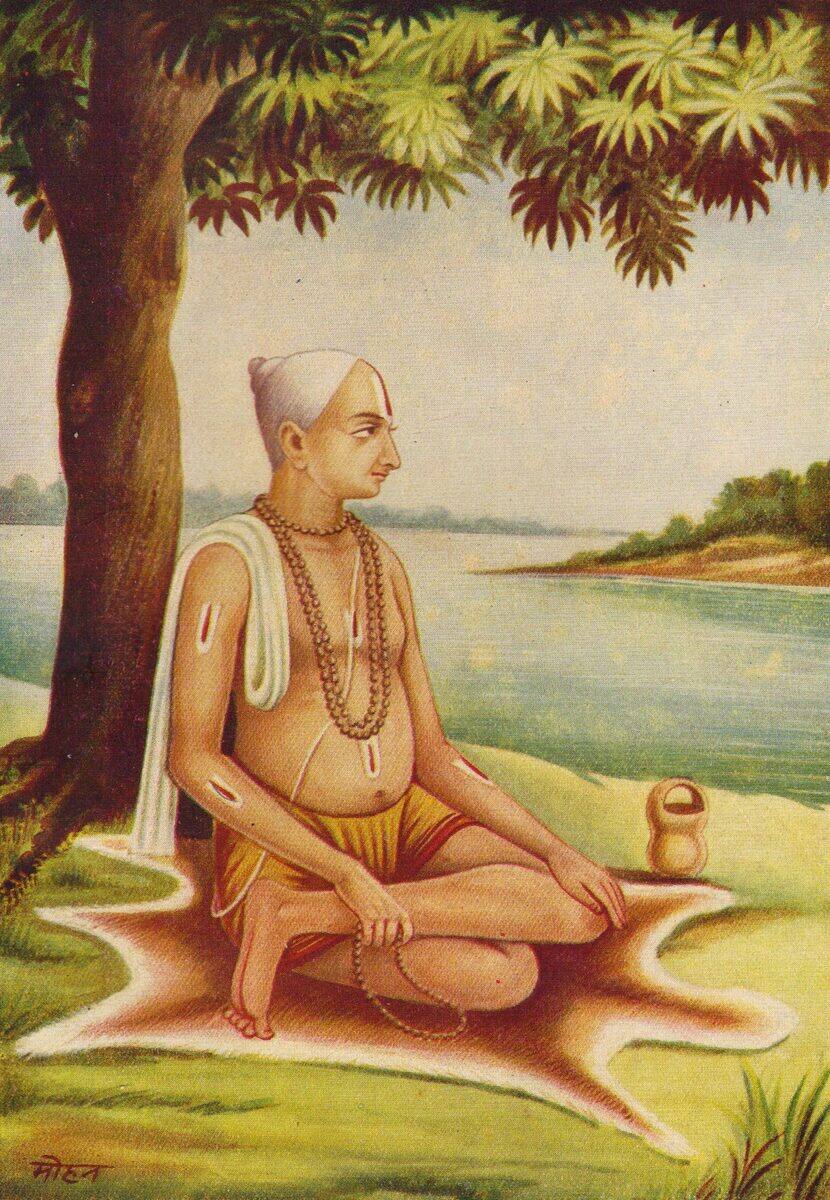
Tulsidas
Author of the Ramcharitmanas & Hanuman Chalisa · c. 1532 – 1623
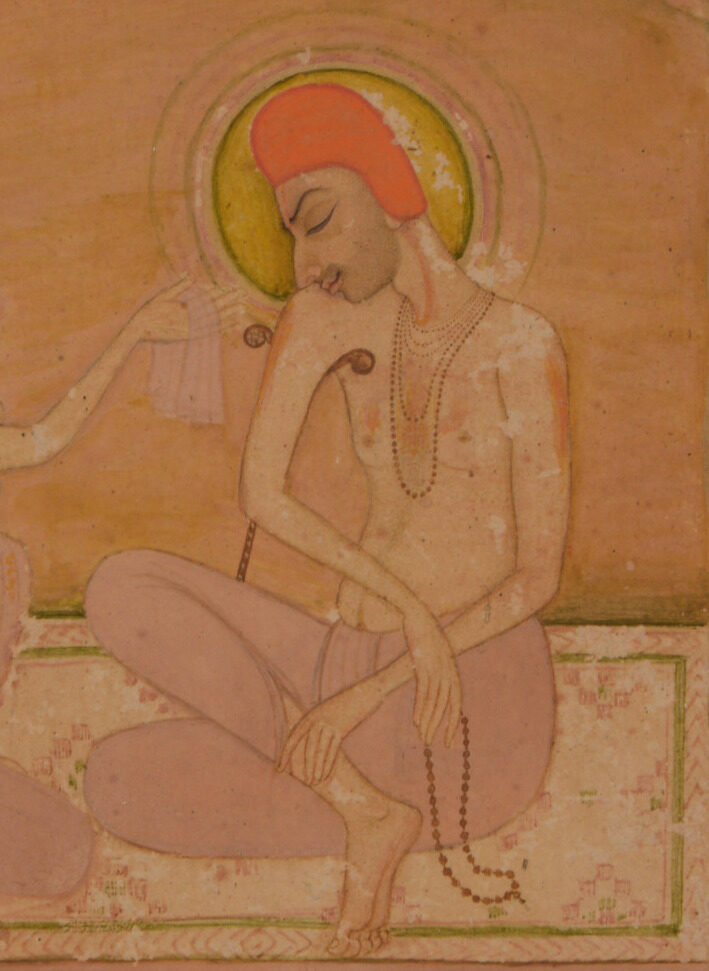
Surdas
Blind Poet-Singer of Krishna · c. 1478 – c. 1583
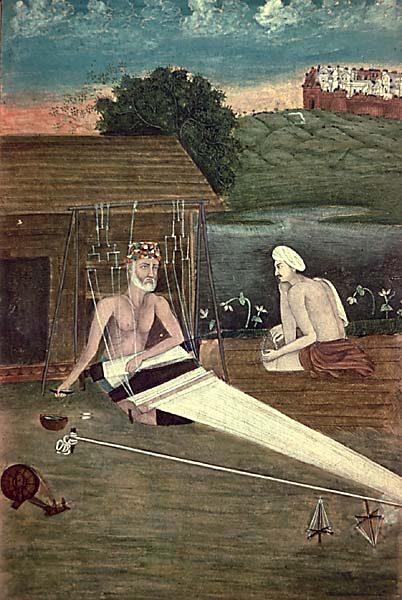
Kabir
Mystic Poet-Saint of the Sant Tradition · c. 1440 – c. 1518
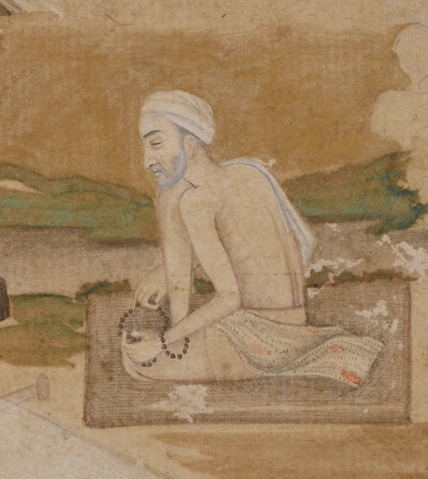
Ravidas
Cobbler-Saint & Poet of Radical Equality · c. 1450 – c. 1520
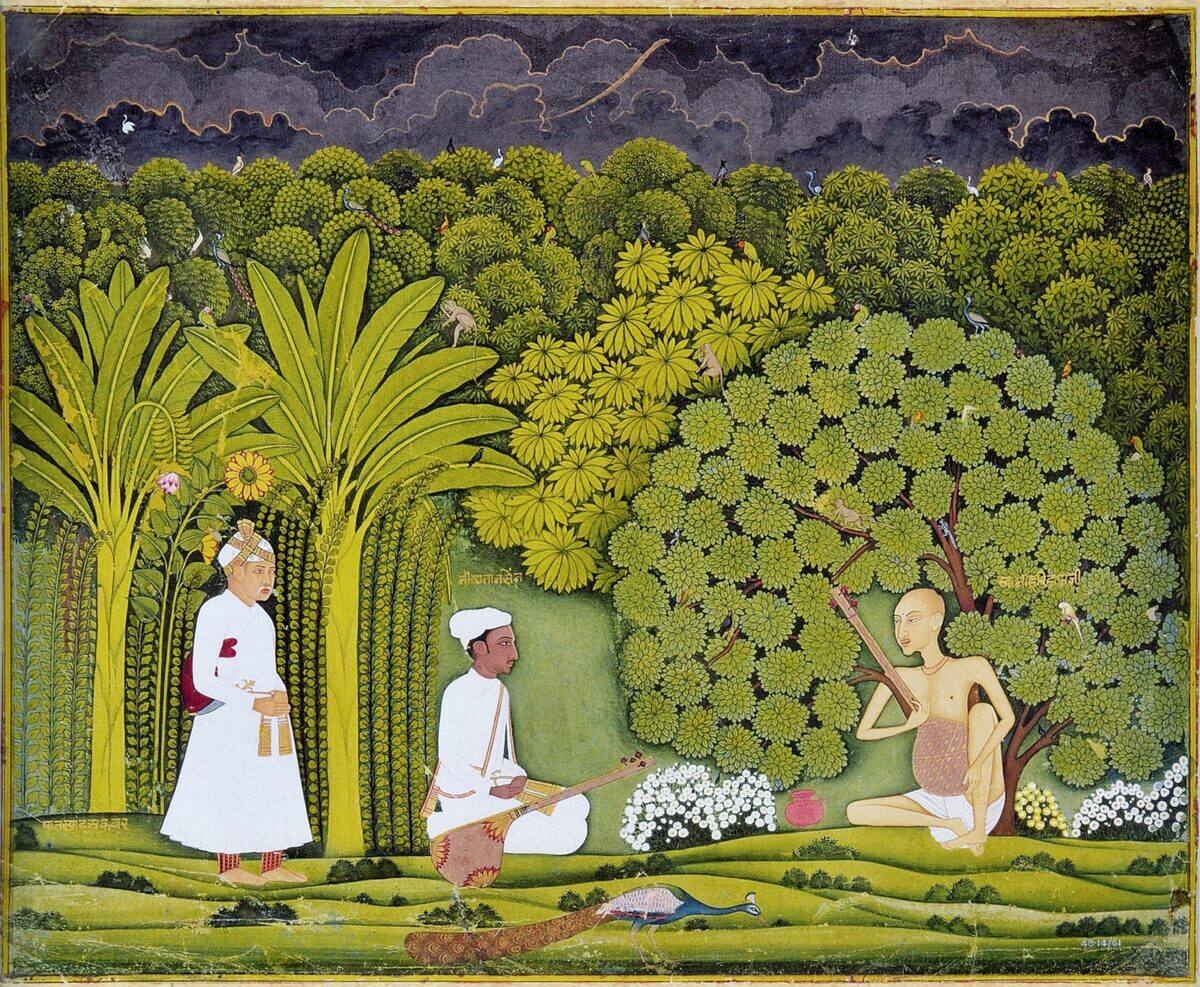
Swami Haridas
Dhrupad Saint-Musician of Vrindavan · c. 1480 – c. 1573
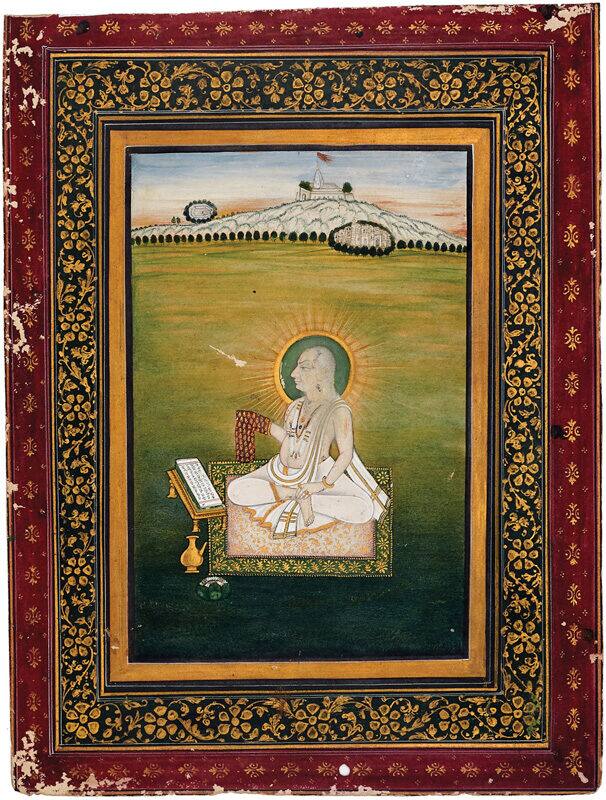
Vallabhacharya
Founder of the Pushtimarg, the Path of Grace · 1479 – 1531
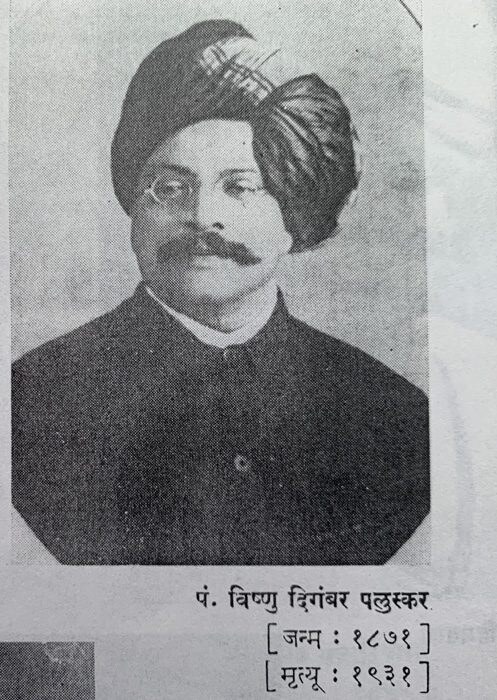
Vishnu Digambar Paluskar
Reviver of Devotional Music & Voice of the Ram Dhun · 1872 – 1931
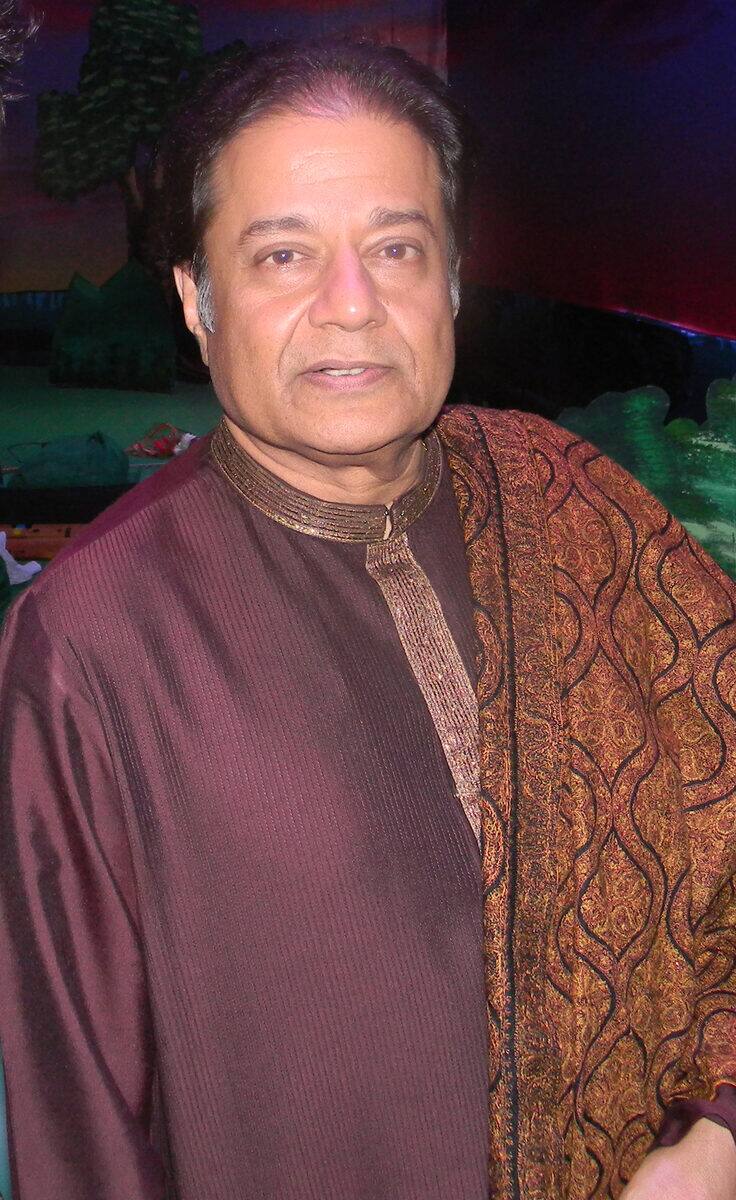
Anup Jalota
"Bhajan Samrat" — Emperor of Bhajan · b. 1953
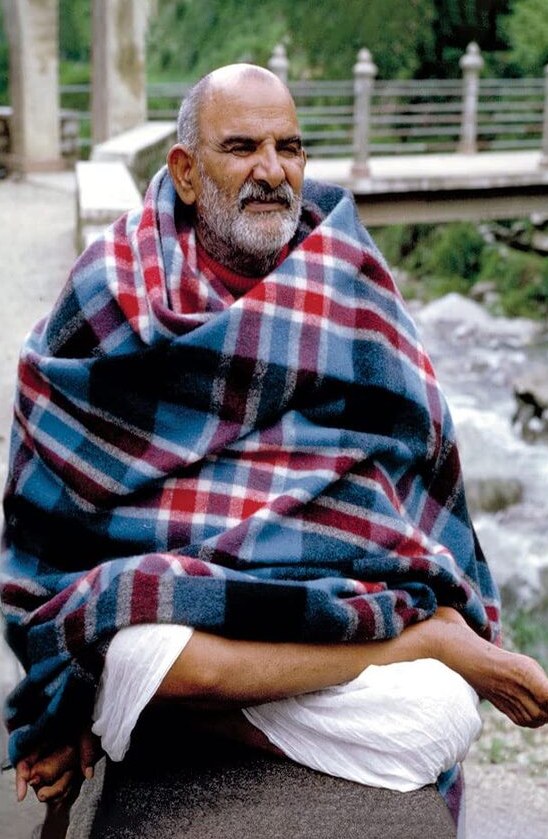
Neem Karoli Baba
Guru of the Western Kirtan Generation · c. 1900 – 1973
Chants of This Tradition
Sri Ram Jai Ram
"Victory to Ram, the divine ideal of righteousness"
Sita Ram
"A tender call to Ram and his beloved Sita"
Raghupati Raghava Raja Ram
"A beloved praise of Lord Rama, "purifier of the fallen""
Hanuman Chalisa
"A 40-verse hymn of praise to Hanuman, lord of devotion and strength"
Baba Hanuman
"A joyful invocation of Hanuman — "I bow again and again to Anjani's son""
Jaya Siya Ram
"A joyful victory chant to Sita and Ram together, with praise for Hanuman, their mighty devotee"
Om Sri Rama Jaya Rama Jaya Jaya Rama
"Om — glory to Rama; victory, victory to Rama"
Bolo Ram
"A call-to-chant in Hindi: "Sing the name of Ram!" — an invitation into the joy of the divine name"
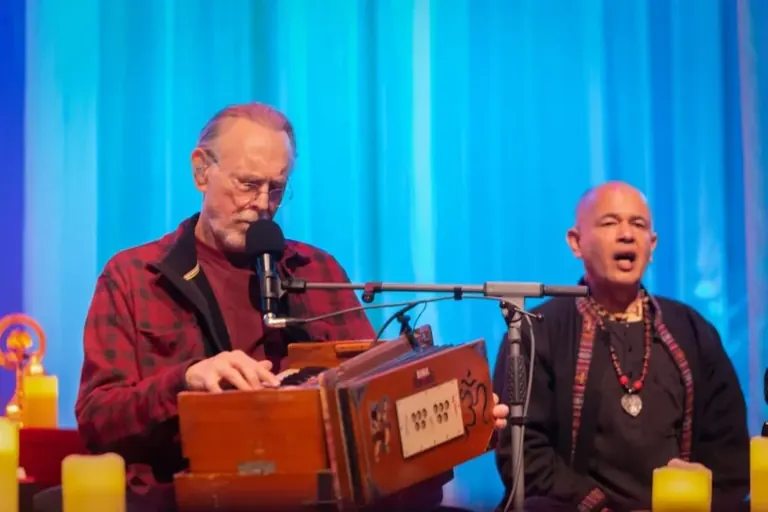
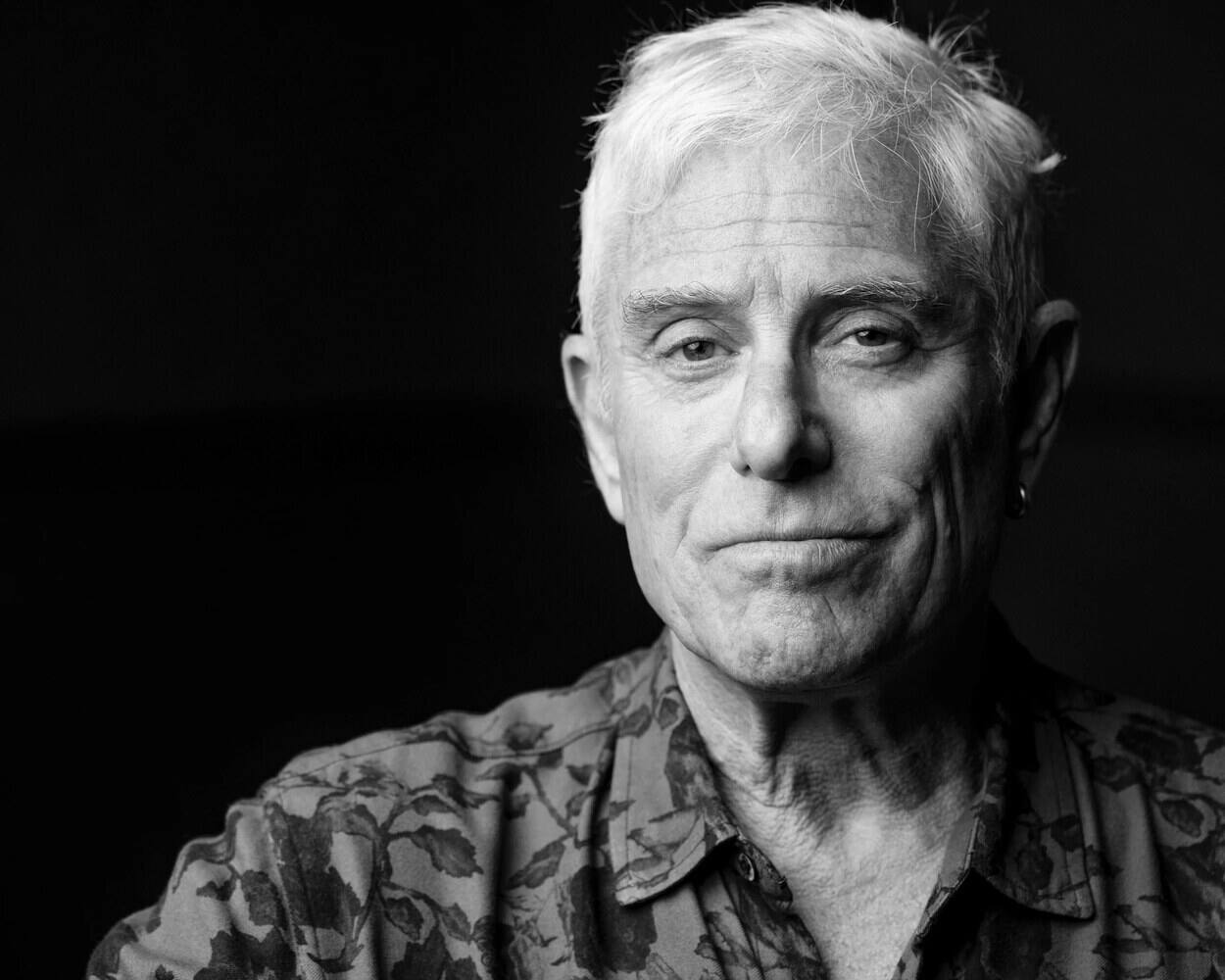
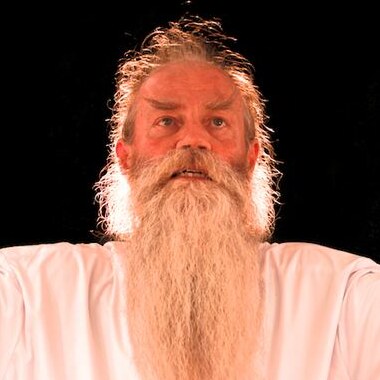
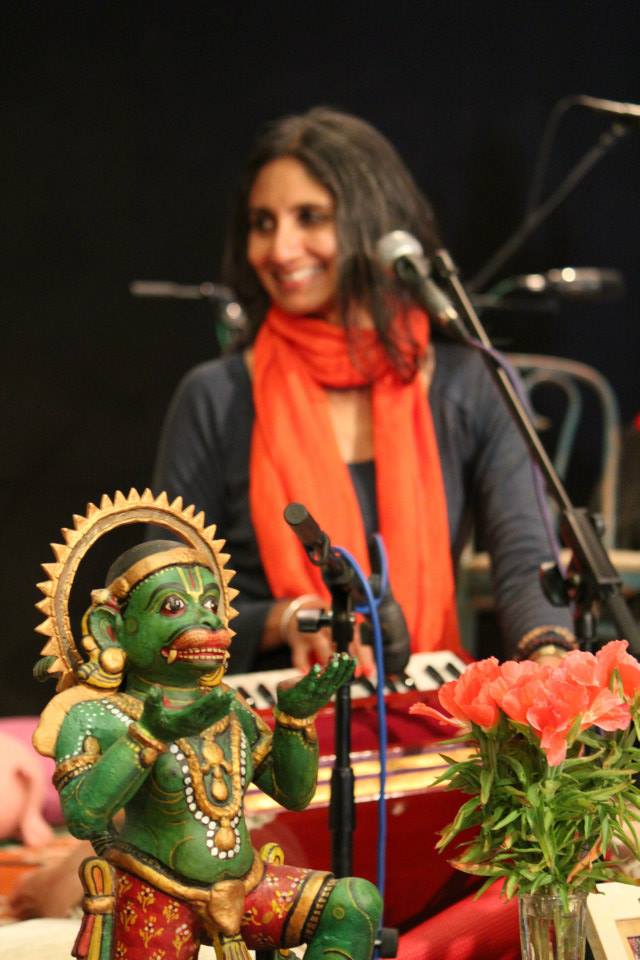
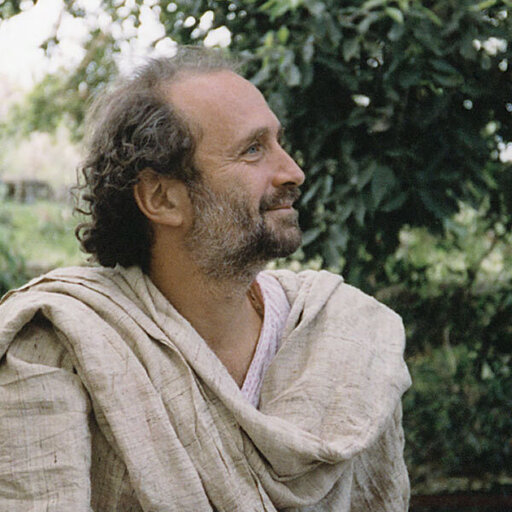
Artists Carrying It Forward
Key Terms to Know
Bhajan
A devotional song, often more melodic and personal than congregational kirtan, sharing the same root: to share in, to adore.
Dhun
A simple, endlessly repeatable devotional melody carrying a divine name — "Raghupati Raghava Raja Ram" is the most famous. Sitting between bhajan and kirtan, the dhun asks nothing of the singer but repetition: no verses to learn, just the Name riding a tune anyone can join.
Raga
A melodic framework of Indian classical music — a palette of notes and moods that shapes how a chant is sung.
Pada
A short devotional song-verse of the bhakti poets — a refrain followed by stanzas, sealed with the poet's signature name in the final line. The padas of Surdas, Mirabai, and Narsinh Mehta gave the bhajan its classic shape.
Nirguna
"Without attributes" — the Divine as formless, imageless reality beyond every name and shape. Nirguna bhakti is the devotion of Sant poets like Kabir and Ravidas, whose songs address a Beloved who cannot be pictured, only sung to.
Saguna
"With attributes" — the Divine embraced in beloved form and quality: Krishna's flute, Rama's bow, the Mother's embrace. Most bhajan and kirtan is saguna devotion, singing to a God the heart can picture, adore, and address by name.
Satsang
The company of truth — a gathering of seekers to chant, study, and keep one another oriented toward the Divine.
Harinam
The holy names of Hari (Krishna) — and the practice of chanting them, considered the most accessible spiritual practice of this age.