
Life & Legacy
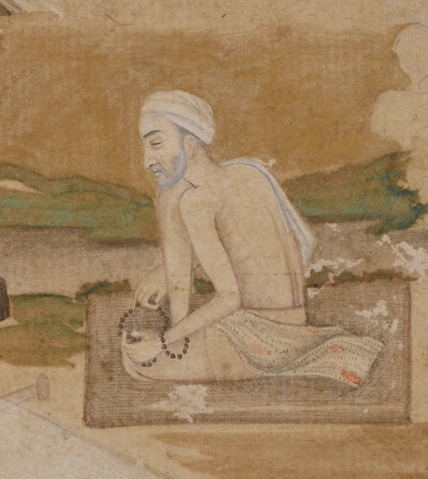
Ravidas was born in the fifteenth century near Varanasi into a leather-working chamar family — a community consigned to the bottom of the caste order — and he never left the trade, mending shoes even as his songs spread across North India. He belonged to the same Sant milieu of Varanasi as Kabir, singing a nirguna devotion aimed at the formless Divine, in plain language that ordinary people could carry home. His fame reached royal courts: tradition holds that Mirabai, the Rajput princess-saint, honored him as her guru, and songs attributed to her name him with reverence. His hymn of Begampura imagines a city with no sorrow, no toll, and no caste — sung from the margins, centuries ahead of its time. When the Sikh scripture was compiled, forty of his hymns were included, and his birthday, Guru Ravidass Jayanti, remains a major festival across Punjab and beyond.