
Meaning & Translation
Sanskrit
जय सिया राम | जय बजरंगबली हनुमान
Transliteration
Jaya Siya Rama | Jaya Bajrangabali Hanuman
Pronunciation
JAI-yah SEE-yah RAHM, JAI-yah bahj-rahng-bah-LEE hah-noo-MAHN
Deity / Quality Invoked
Rama
Full Translation
Jaya Siya Ram celebrates the divine couple as one: "Siya" is the beloved folk name for Sita, and calling "Siya Ram" honors her first, inseparable from Ram. The second line hails Hanuman as Bajrangbali — "the strong one with limbs like a thunderbolt" — the perfect servant whose whole being is devotion to Sita and Ram. Together the lines hold the full circle of Bhakti: the divine pair and the devotee who lives only to serve them.
Spiritual Significance
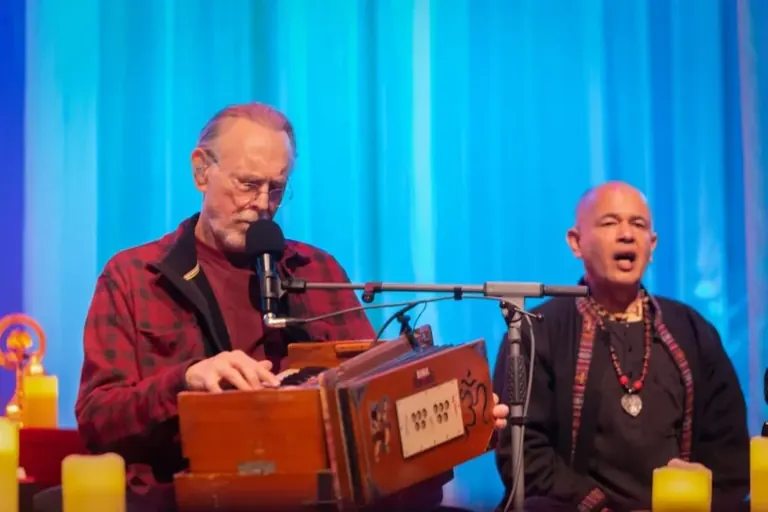
Chanting "Siya Ram" is a practice of seeing the divine everywhere — in North India devotees greet one another with "Jai Siya Ram," turning everyday meetings into remembrance. Adding Hanuman's name invokes the strength and humility to serve what one loves. Krishna Das pairs this chant with a rhythm he calls the Ring Song, letting the names build from tenderness into ecstatic celebration.
Cultural Context & History
The greeting "Jai Siya Ram" echoes through the Ramayana devotional culture of North India, especially the Ramcharitmanas tradition of Tulsidas, where Sita's name is always sounded before Ram's. In the lineage of Neem Karoli Baba — whose temples ring with Sita Ram Kirtan — the chant traveled west, and Krishna Das recorded it as "Ring Song / Jaya Siya Ram" on his 2008 album Flow of Grace.
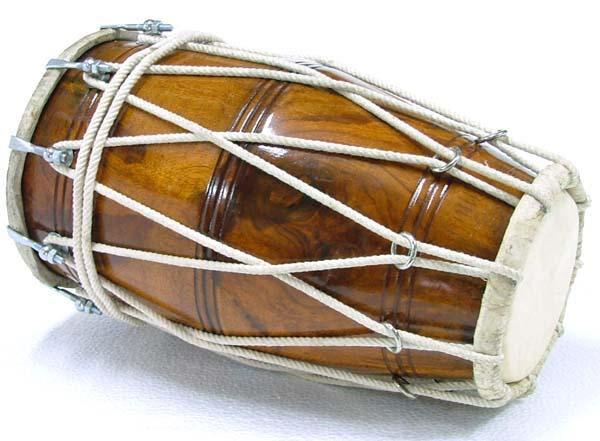
Traditionally Accompanied By
For Leaders
Chords and structure for leading this chant on harmonium or guitar — transcribed from the linked recording. New to leading? Read our guide to leading kirtan →
Original key
C
Tempo & feel
Upbeat and playful (~118 bpm) with a light two-beat bounce
Chord Chart
Strumming & rhythm (4/4)
D = downstrum, U = upstrum, · = let it ring. quick and light: brush the classic strum; accent 1 only, or it runs away.
Call
Response
Call & Response Structure
A two-chord C–G romp; the response repeats the call exactly (sing each line twice per round), so the circle locks in fast. The G lands on "Jai Jai" every time — that snap is the engine of the chant. Takes double-time handclaps happily in the final rounds.
Terms in the Glossary
Words from this page, explained in our A–Z reference.