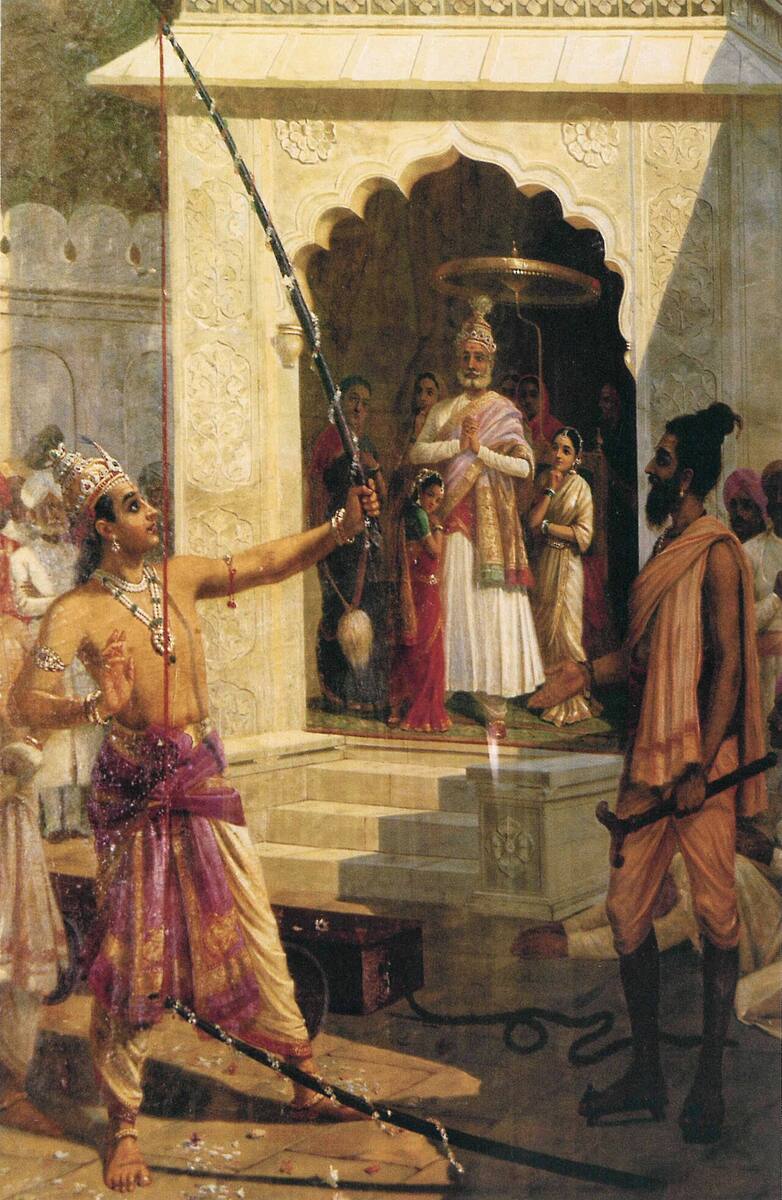
Rama is the hero of the Ramayana, one of the two great epics of India: the prince of Ayodhya who is exiled to the forest for fourteen years, whose wife Sita is abducted by the demon king Ravana, and who — with his brother Lakshmana and the monkey hero Hanuman — crosses the sea to bring her home. For the tradition, Rama is Vishnu himself born as a human being, and his life is the picture of dharma: integrity, loyalty, and duty held steady under impossible circumstances.
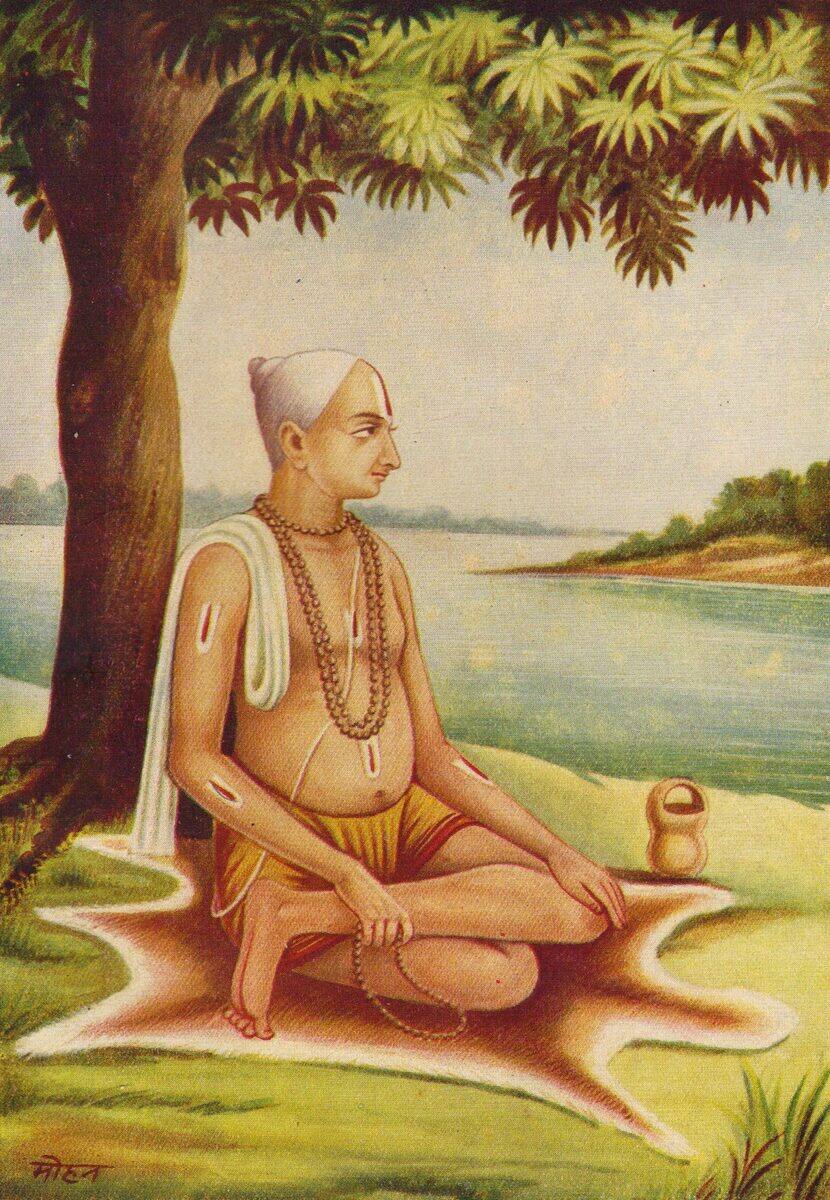
But it is Rama's name, even more than his story, that shaped devotional history. "Ram" is among the shortest and most repeated mantras in India — Gandhi's lifelong practice and reportedly his dying word. The sixteenth-century poet Tulsidas, who retold the epic in Hindi as the Ramcharitmanas, taught that in this age the name of Rama is even more powerful than Rama himself.
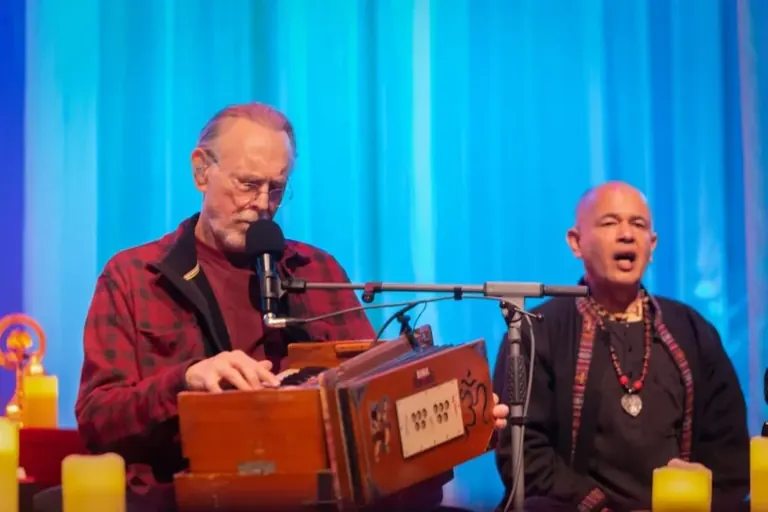
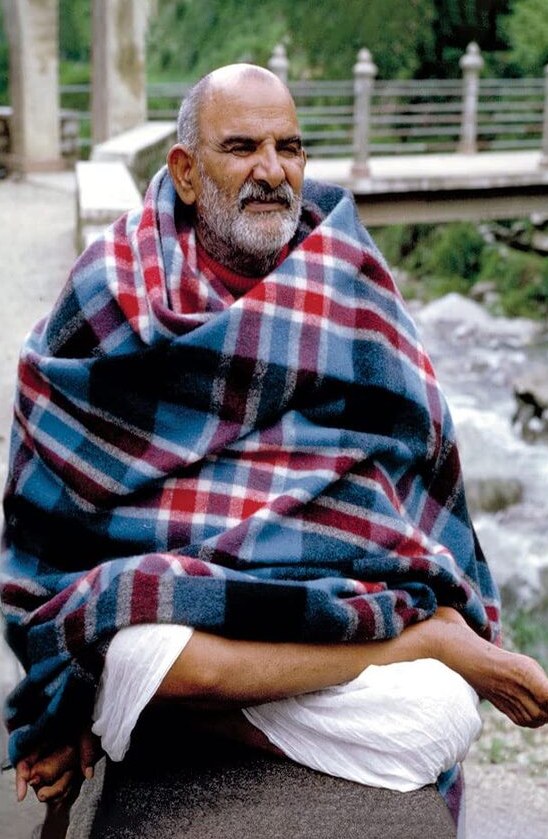
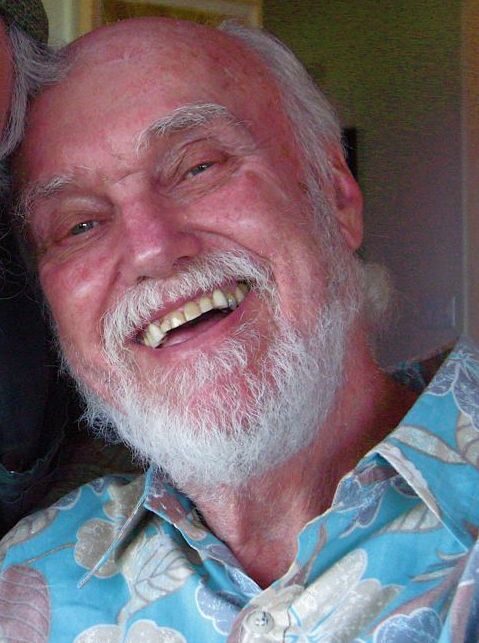
Western Kirtan inherited a special love for Ram chanting through the lineage of Neem Karoli Baba — the north Indian saint whose constant utterance was "Ram Ram" — and his American students, including Ram Dass, Krishna Das, and Jai Uttal. That is why "Sri Ram Jai Ram" and "Sita Ram" are among the first chants many Western practitioners ever learn.
In Traditional Art
Rama is depicted as a regal, bow-carrying prince with green or blue skin, standing tall and serene. The classic grouping shows him with Sita at his side, Lakshmana beside him, and Hanuman kneeling at his feet — together they form the Ram Parivar, the divine family, one of the most beloved images in Indian art.
In Kirtan
Ram chants are a backbone of Western Kirtan: "Sri Ram Jai Ram," "Sita Ram," "Raghupati Raghava Raja Ram." The names of Rama and Sita are almost always sung together — the tradition treats their names as inseparable, the divine masculine and feminine in one breath. Because Neem Karoli Baba's devotees carried these chants west, a Ram kirtan often carries a distinctly heart-of-the-guru feeling for Western singers.
Mantras Sung to Rama
Raghupati Raghava Raja Ram
"A beloved praise of Lord Rama, "purifier of the fallen""
Sri Ram Jai Ram
"Victory to Ram, the divine ideal of righteousness"
Sita Ram
"A tender call to Ram and his beloved Sita"
Jaya Siya Ram
"A joyful victory chant to Sita and Ram together, with praise for Hanuman, their mighty devotee"
Om Sri Rama Jaya Rama Jaya Jaya Rama
"Om — glory to Rama; victory, victory to Rama"
Bolo Ram
"A call-to-chant in Hindi: "Sing the name of Ram!" — an invitation into the joy of the divine name"
Ramachandra
"A tender song of Rama's names: Ramachandra, "Rama lovely as the moon," and Narayana the divine dancer"