
Ask what the difference is between a bhajan and a kirtan and you touch one of the most useful distinctions in Indian devotional music. Both are bhakti — music offered to the Divine — but they move differently. A kirtan is congregational call-and-response: a leader sings a line of the divine names and the room sings it back, and the repetition itself is the practice. A bhajan is a song: a composed devotional piece with verses, usually carried by a single voice, in which melody and poetry do the devotional work. In a kirtan everyone is the choir; in a bhajan the room mostly listens, hearts following the singer. In practice the two forms flow into each other constantly — a bhajan's refrain can open out into call-and-response, and many gatherings hold both.
The bhajan's great age was the medieval Bhakti movement, when the sant poets set devotion in the languages people actually spoke. Mirabai's songs to Krishna, Surdas's padas of the child Krishna, Tulsidas's Ram verses, and Kabir's nirguna songs of a formless God are still the heart of the repertoire five centuries on. In Gujarat, Narsinh Mehta wrote "Vaishnava Jana To" — the bhajan Gandhi loved above all others — while Raghupati Raghava Raja Ram, sung at Gandhi's prayer meetings, shows how porous the line is: a bhajan by form, chanted by whole crowds like a kirtan. In the twentieth century, singers like Anup Jalota carried the bhajan onto the concert stage and into millions of homes.
Related but distinct is the Sufi stream of Islamic devotional song — the ecstatic qawwali of South Asia and the remembrance practice of zikr — which shares the bhajan's devotional intensity while belonging to its own tradition and repertoire.
For Western chanters the distinction matters mostly as orientation: most of what happens at a Western chant gathering is kirtan, but the melodies, the dhuns, and much of the poetry flow straight out of the bhajan tradition — especially the North Indian Bhakti stream whose saints wrote the songs. The gentle repetition of Twameva Mata or Hari Om at the close of an evening is the bhajan spirit at work inside a kirtan room.
Pioneers of This Lineage
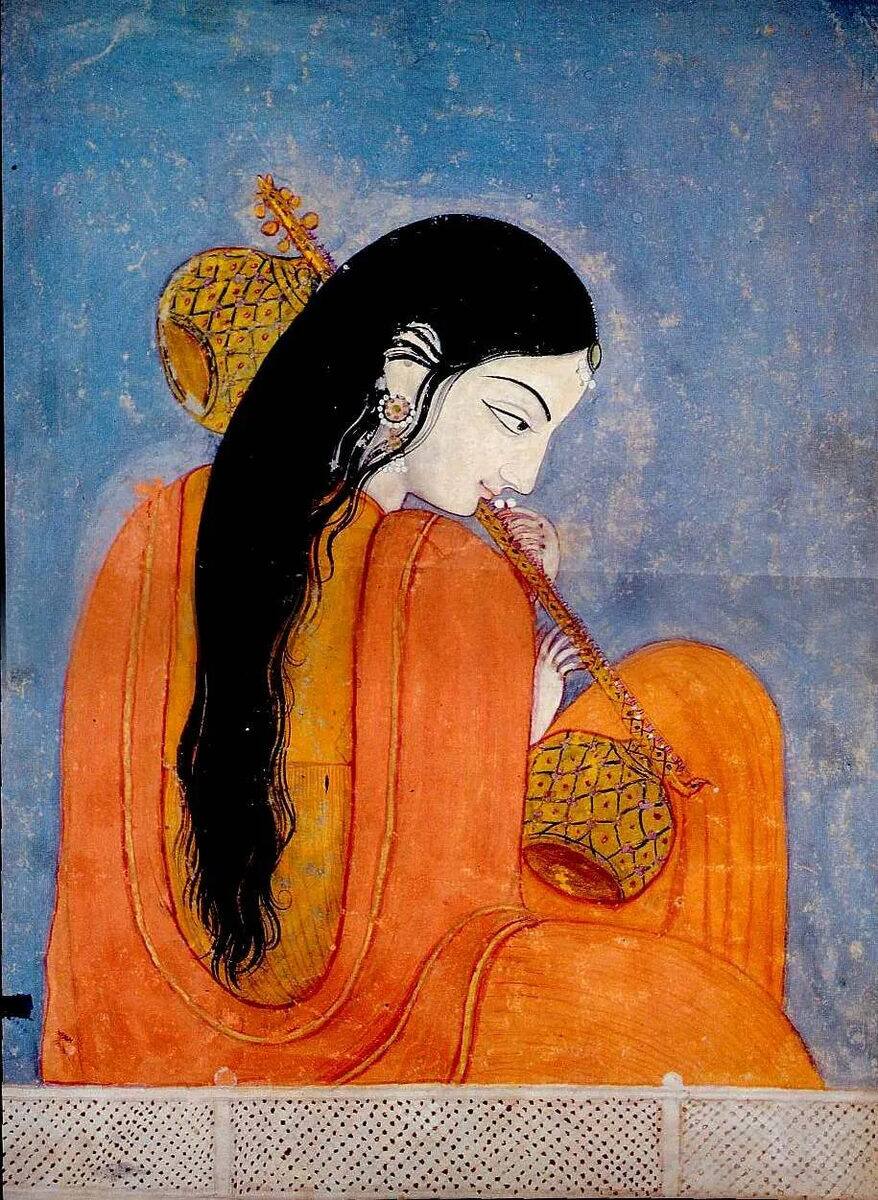
Mirabai
Bhakti Poet-Saint & Singer of Krishna · c. 1498 – c. 1547
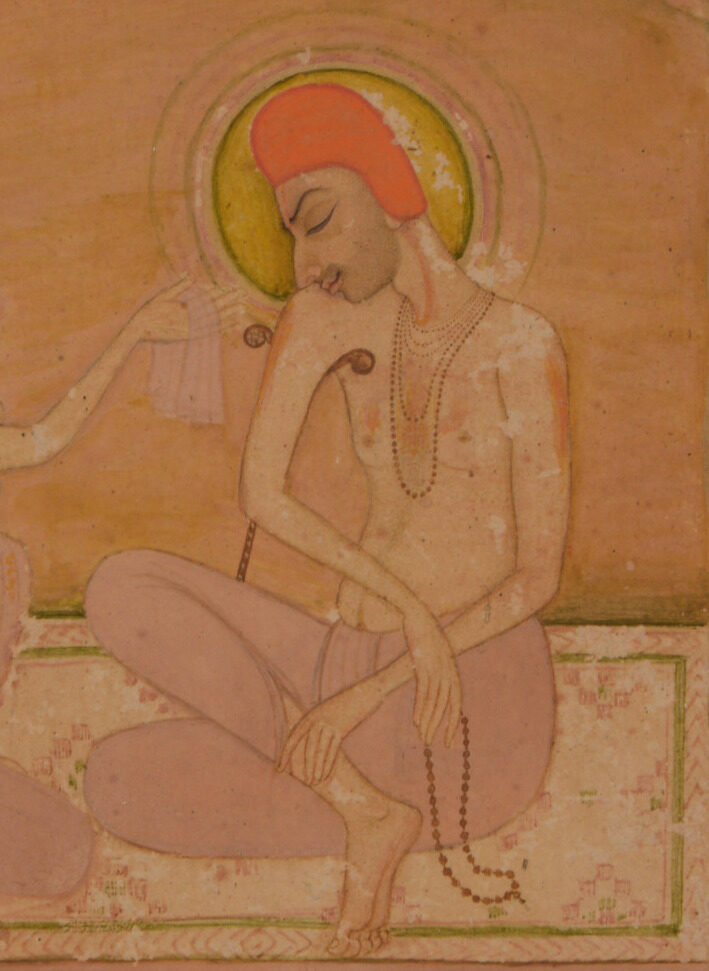
Surdas
Blind Poet-Singer of Krishna · c. 1478 – c. 1583
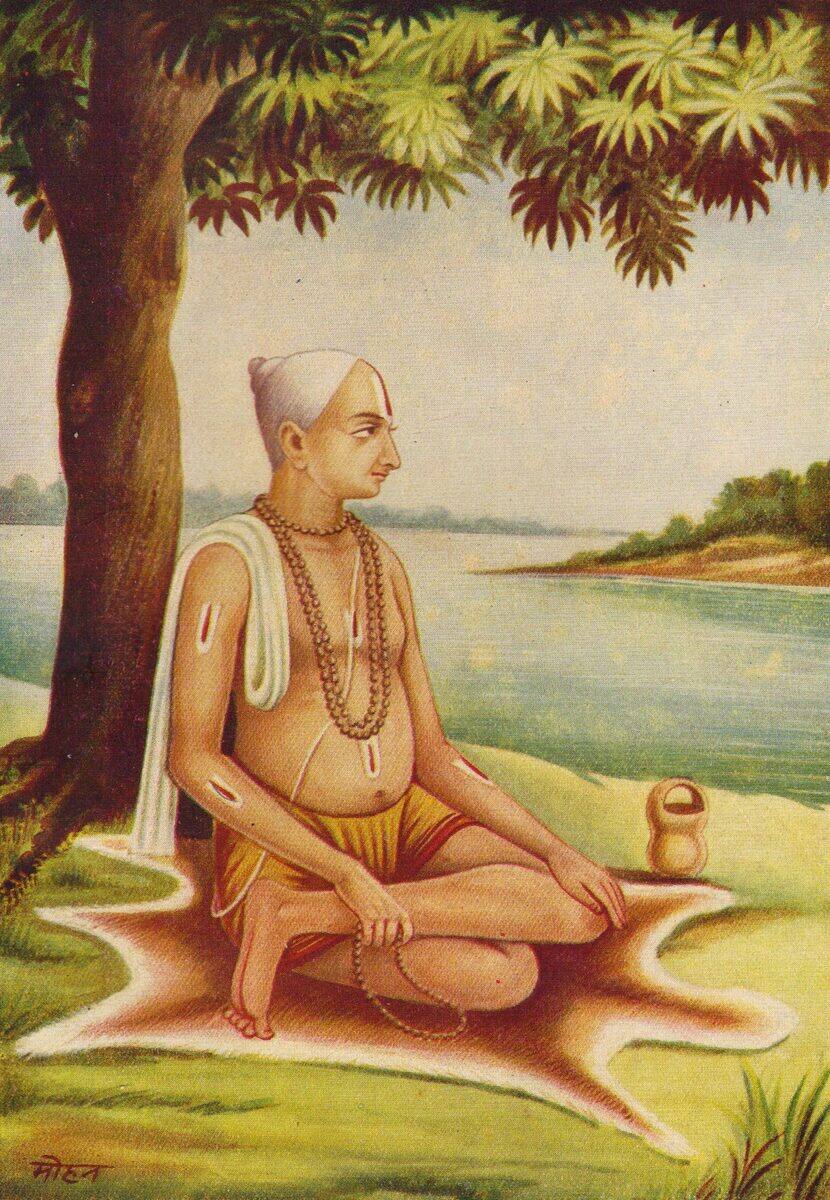
Tulsidas
Author of the Ramcharitmanas & Hanuman Chalisa · c. 1532 – 1623
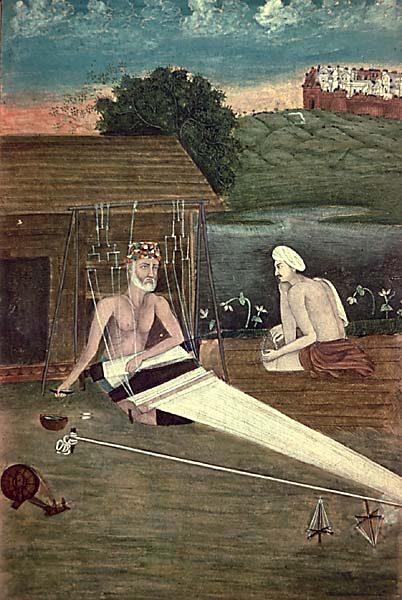
Kabir
Mystic Poet-Saint of the Sant Tradition · c. 1440 – c. 1518
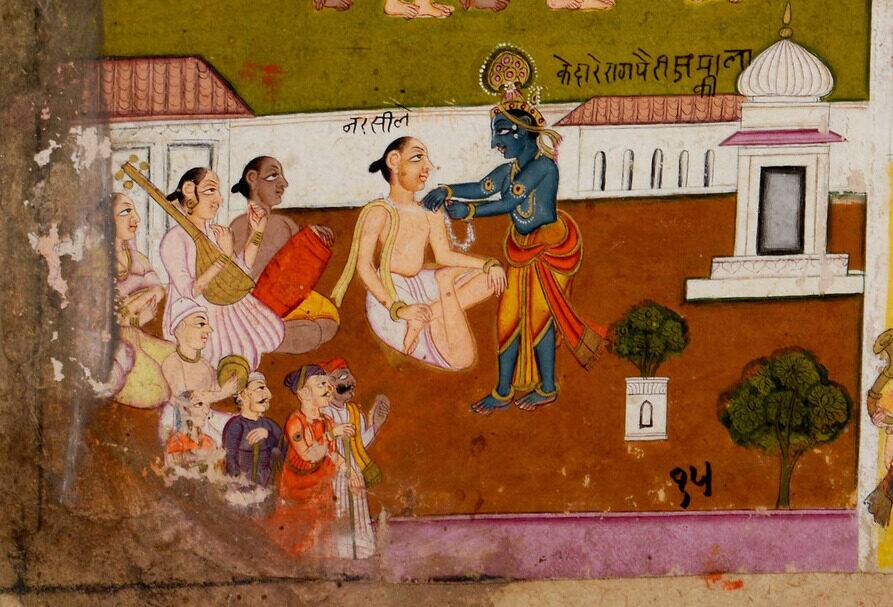
Narsinh Mehta
Adi Kavi of Gujarat & Author of "Vaishnava Jana To" · 1414 – 1488
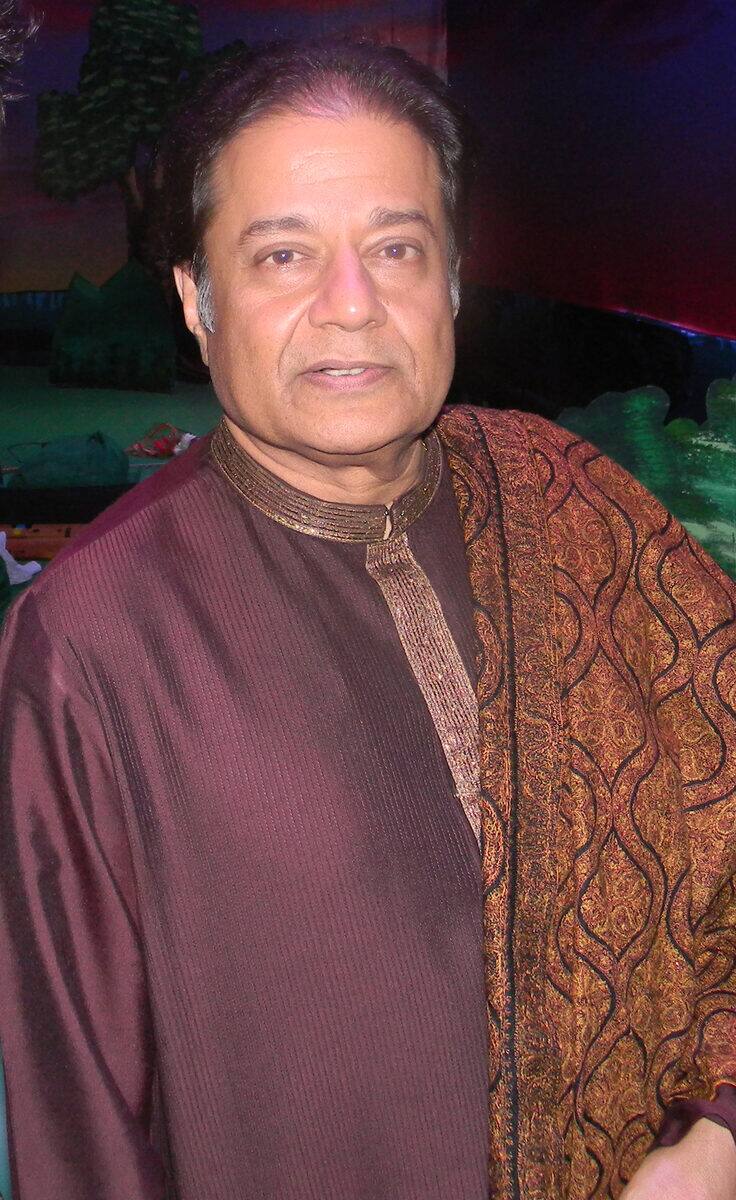
Anup Jalota
"Bhajan Samrat" — Emperor of Bhajan · b. 1953
Chants of This Tradition
Key Terms to Know
Bhajan
A devotional song, often more melodic and personal than congregational kirtan, sharing the same root: to share in, to adore.
Kirtan
Call-and-response devotional chanting of sacred names and mantras — the communal, musical heart of the Bhakti path.
Bhakti
Loving devotion to the Divine — the heart of kirtan and the central path of the Bhakti movement, prizing love and surrender over ritual and status.
Pada
A short devotional song-verse of the bhakti poets — a refrain followed by stanzas, sealed with the poet's signature name in the final line. The padas of Surdas, Mirabai, and Narsinh Mehta gave the bhajan its classic shape.
Dhun
A simple, endlessly repeatable devotional melody carrying a divine name — "Raghupati Raghava Raja Ram" is the most famous. Sitting between bhajan and kirtan, the dhun asks nothing of the singer but repetition: no verses to learn, just the Name riding a tune anyone can join.
Nirguna
"Without attributes" — the Divine as formless, imageless reality beyond every name and shape. Nirguna bhakti is the devotion of Sant poets like Kabir and Ravidas, whose songs address a Beloved who cannot be pictured, only sung to.
Saguna
"With attributes" — the Divine embraced in beloved form and quality: Krishna's flute, Rama's bow, the Mother's embrace. Most bhajan and kirtan is saguna devotion, singing to a God the heart can picture, adore, and address by name.
Aarti
A devotional ceremony in which a lamp of ghee or camphor is offered before the deity while bells ring and devotees sing — often the joyful close of a kirtan.