

Neem Karoli Baba: The Quiet Guru Behind Western Kirtan
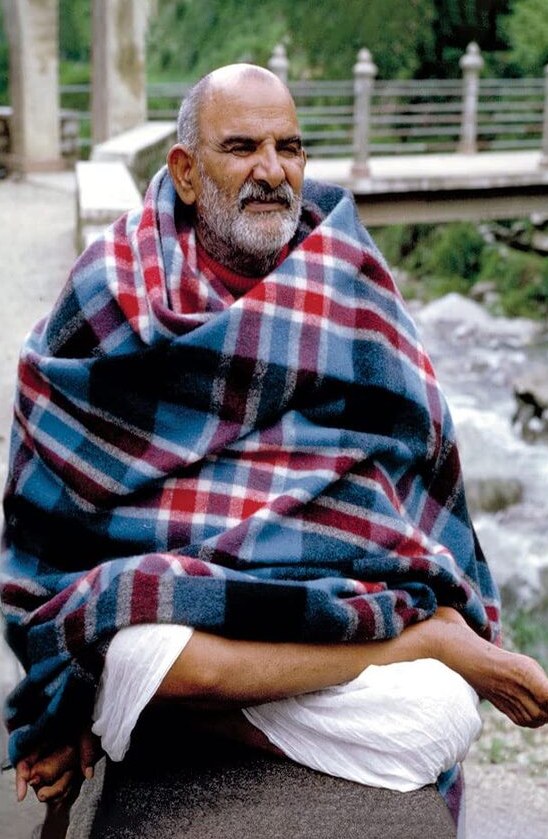
Neem Karoli Baba — known to his devotees simply as Maharaj-ji — was a devotee of Hanuman who taught almost nothing in the formal sense. Wrapped in a plaid blanket, he gave no lectures and founded no philosophy. His instruction was disarmingly simple: love everyone, serve everyone, feed everyone, remember God. In 1964 he established his ashram at Kainchi, tucked into a bend of a mountain road in the Kumaon foothills of the Himalayas.
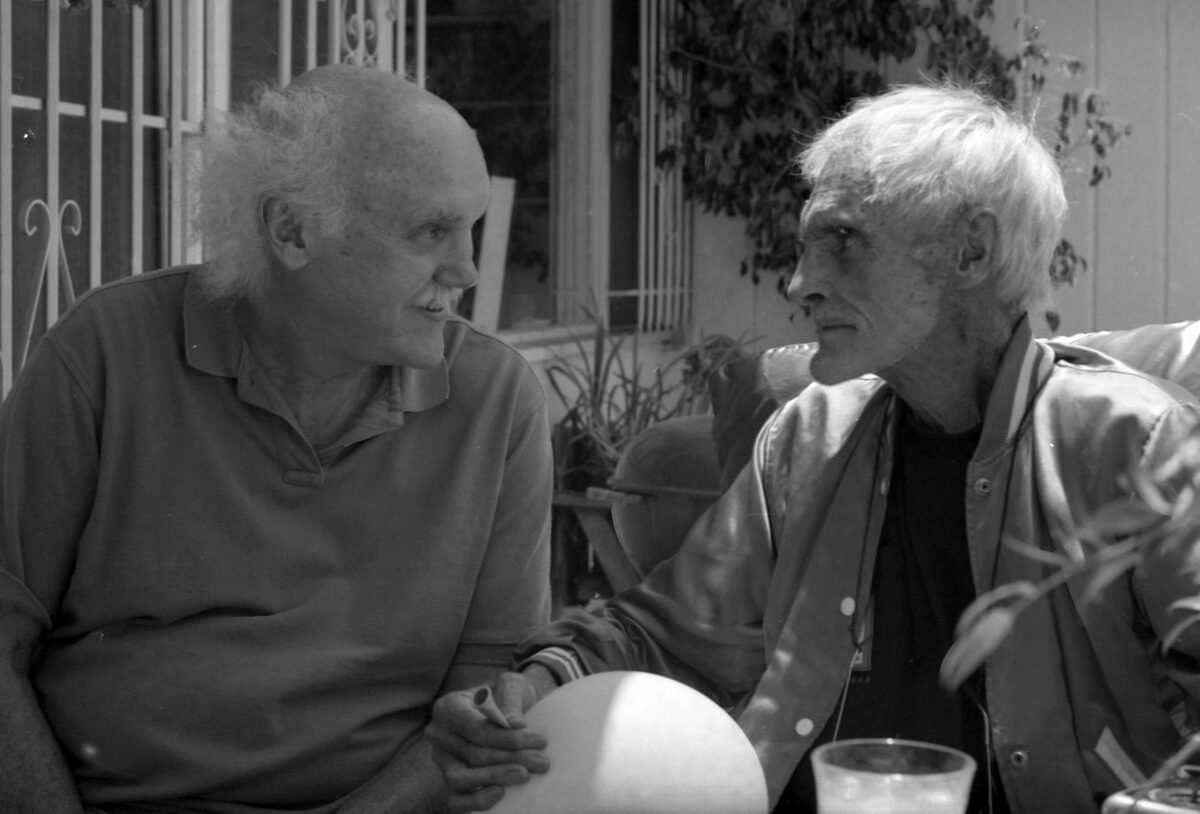
In the late 1960s, Western seekers began finding their way to him. Among the first was Bhagavan Das, a young American sadhu who in 1967 led Harvard-professor-turned-seeker Richard Alpert up into the hills to meet Maharaj-ji. Alpert became Ram Dass, and his 1971 book "Be Here Now" carried the story of this blanket-wrapped saint to millions of readers — quietly redirecting a generation from psychedelics toward devotion.
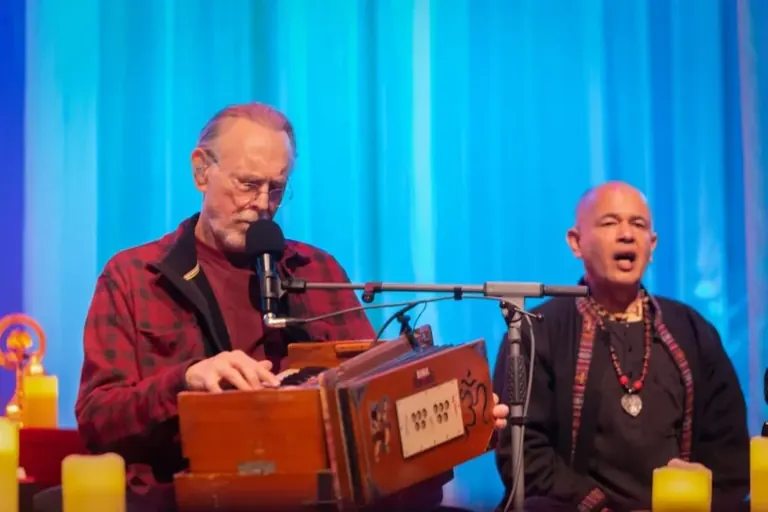
Among the young Westerners who followed were two musicians whose lives were remade at Kainchi. Jeffrey Kagel spent years with Maharaj-ji and returned home as Krishna Das, eventually turning his grief and devotion into the gravelly call-and-response chanting that has filled halls worldwide. Jai Uttal likewise found in Maharaj-ji the wellspring of a lifetime of Bhakti music. Both still describe everything they sing as an offering to him, and singers like Nina Rao, Krishna Das's longtime chanting partner, carry the same thread forward.
The practice closest to that lineage is the chanting of the divine names of Ram — above all Sri Ram Jai Ram, beloved of Hanuman and of Maharaj-ji's devotees to this day. Neem Karoli Baba left his body in Vrindavan on September 11, 1973, but through the music of his Western children, his darshan continues every time a room full of strangers sings the Name together.
Terms in the Glossary
Words from this page, explained in our A–Z reference.
Join the Kirtans.com Community
Receive occasional updates — thoughtfully curated devotional music, upcoming gatherings, artist announcements, new resources, and inspiration to support your Bhakti practice.
From This Article
Continue Reading
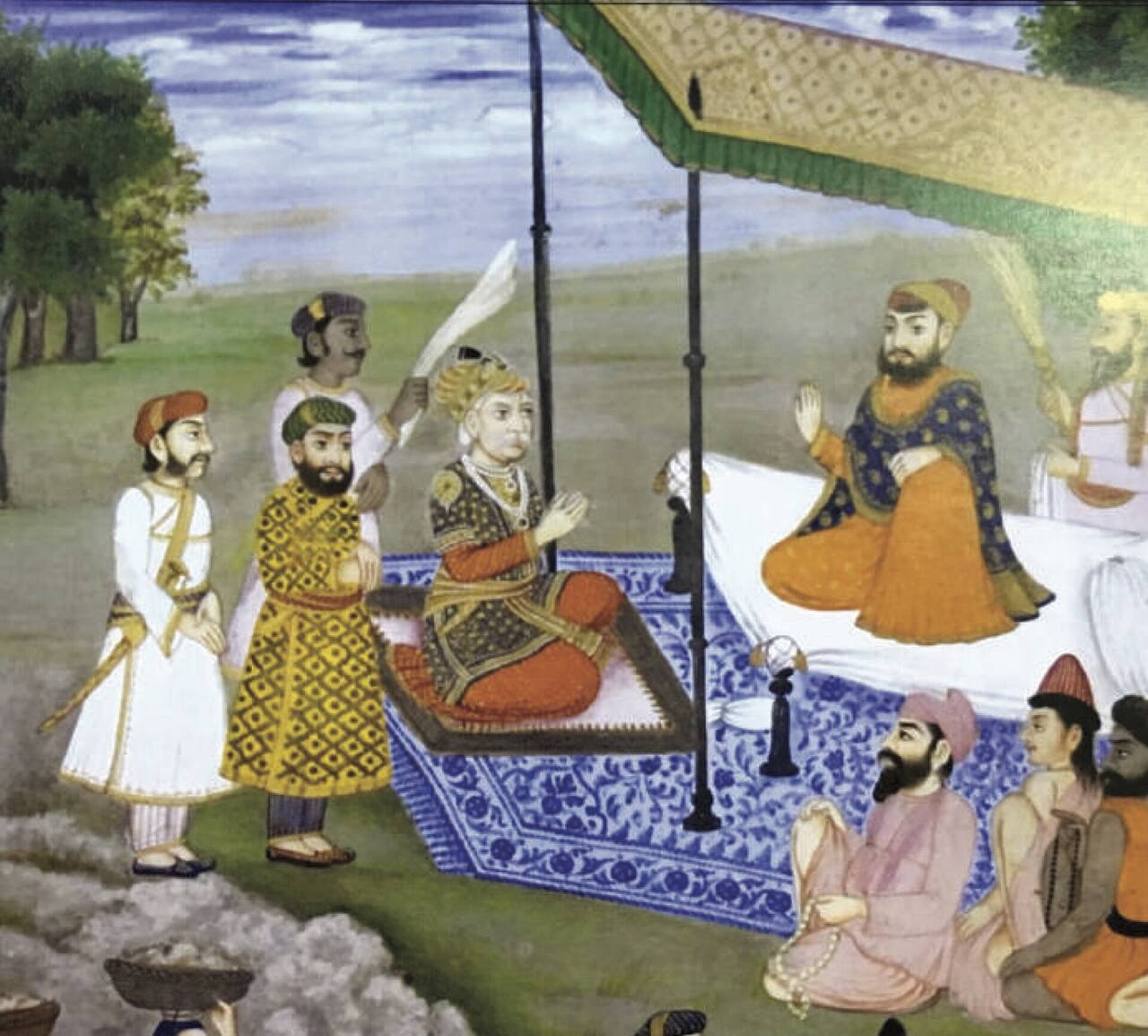
Guru Amar Das and the Song of Bliss
Converted at sixty-two by an overheard hymn, the third Sikh Guru made the free kitchen the tradition's front door — even an emperor sat on the floor to eat — and composed the Anand Sahib, the Song of Bliss that still closes every Sikh service in the world.
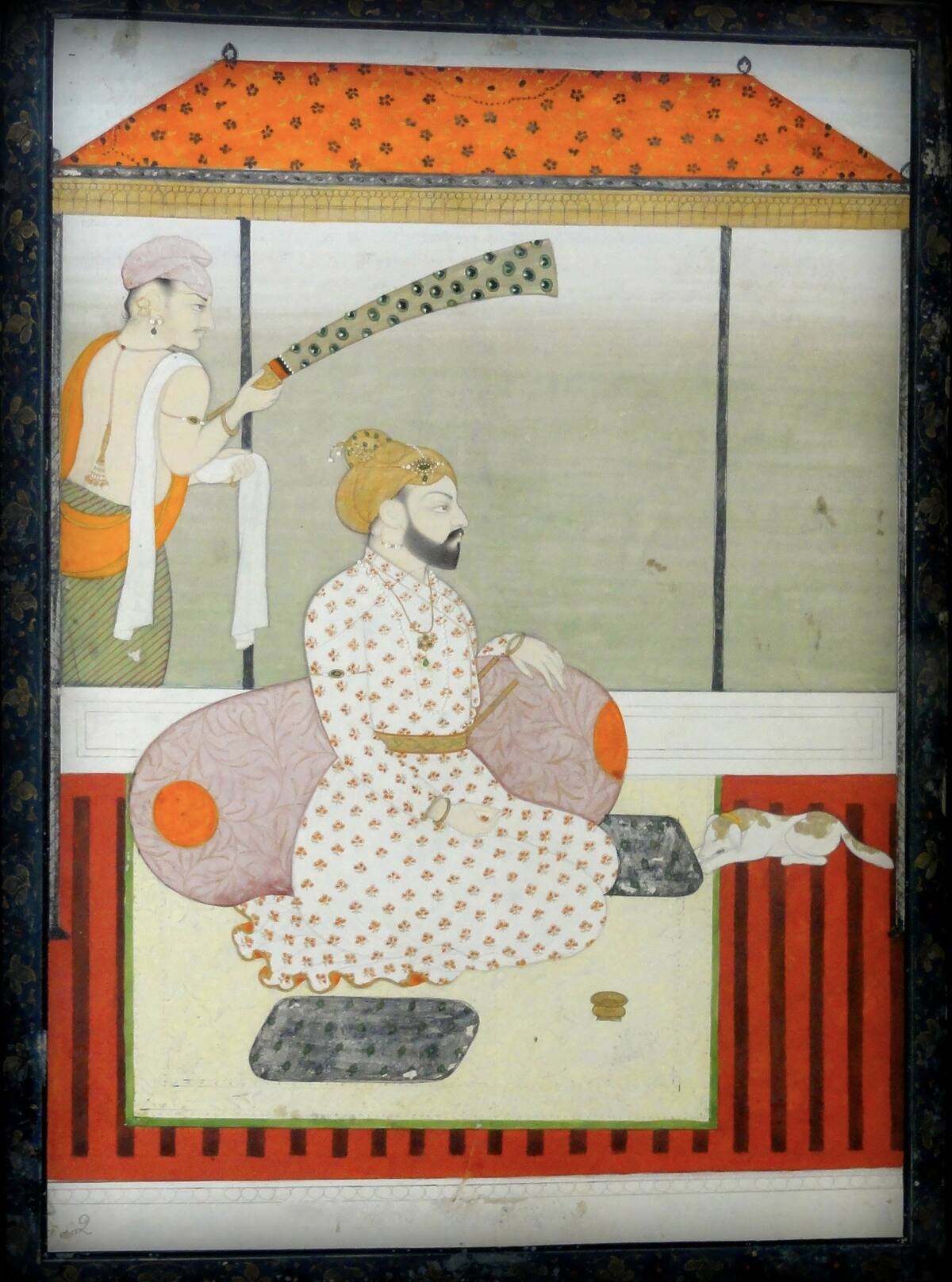
Guru Angad and the Alphabet Built for Song
The second Sikh Guru gave sacred song a script of its own. By standardizing Gurmukhi and collecting Guru Nanak's hymns in it, Guru Angad made sure the melodies would never lose their words — every Gurmukhi chant sung in the West today is written in his letters.
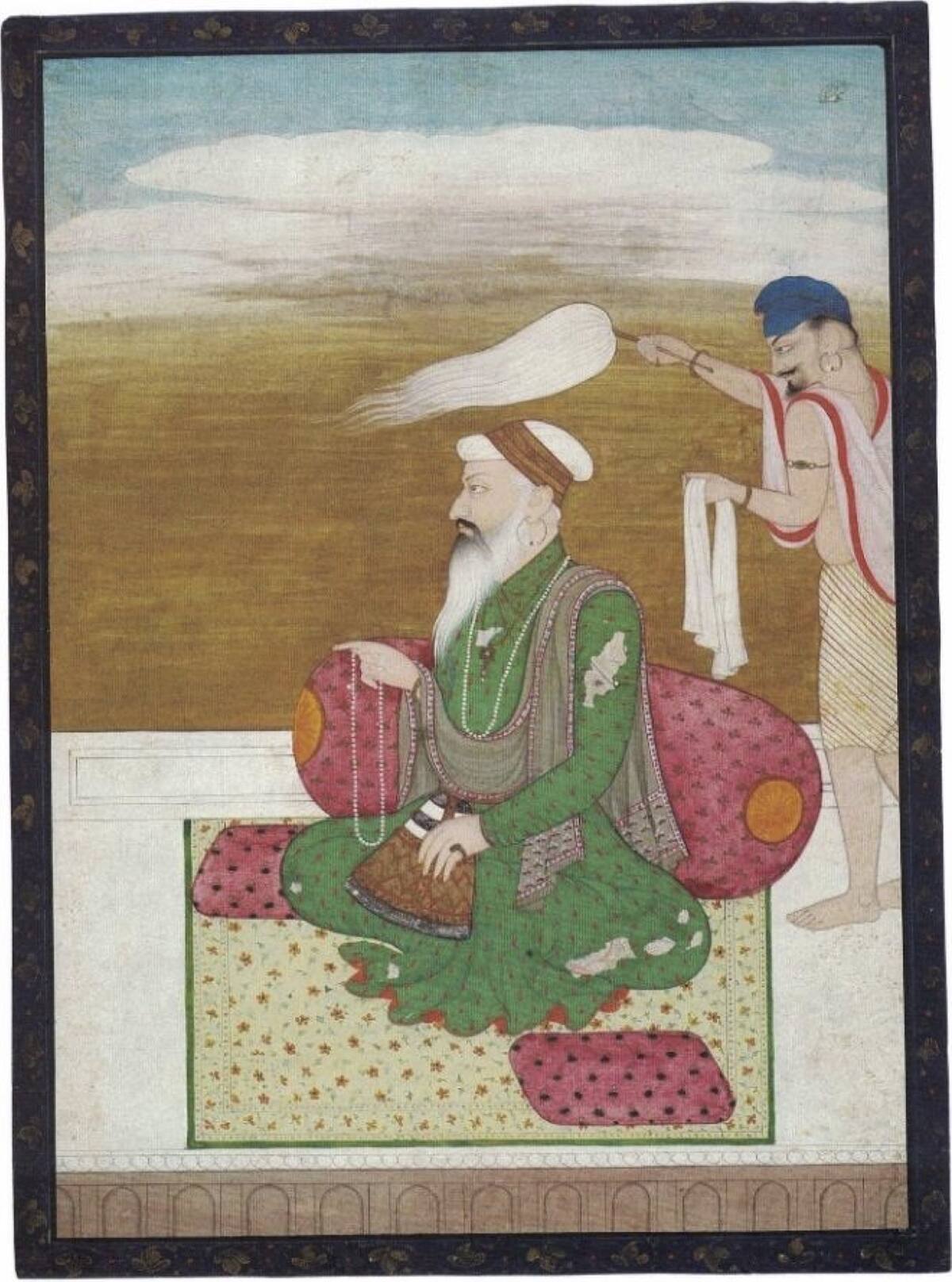
Guru Ram Das and the City of Nectar
An orphan who sold boiled chickpeas became the fourth Sikh Guru, founded Amritsar around a pool of nectar, and wrote the wedding hymns Sikh couples still circle to. Four centuries later, a chant bearing his name is sung in yoga studios around the world.