

The Difference Between Kirtan, Mantra, and Bhajan
Kirtan is specifically a call-and-response format of devotional chanting — a dialogue between leader and community. The repetitive structure is intentional: it allows the mind to settle and the heart to open progressively.
Mantra is a sacred sound, syllable, or phrase used for meditation and spiritual practice. Mantras can be chanted aloud in Kirtan, whispered as japa on a mala, or held silently in meditation. They are considered vehicles of consciousness — not just words, but living vibrations. The Sikh-rooted mantra tradition has its own contemporary voices — Ajeet, Mirabai Ceiba, and Jai-Jagdeesh all craft studio mantra music meant for repeated, meditative listening.
Bhajan is a form of Hindu devotional song — usually more structured and lyrical than Kirtan, with verses and choruses that tell a devotional story or express the heart's longing for the divine. Bhajans are sometimes sung in Kirtan gatherings, though Kirtan itself is typically simpler and more repetitive. Karnamrita Dasi, trained in Indian classical singing, moves fluidly between bhajan and Kirtan — a beautiful illustration of how the forms differ and overlap.
For a deeper dive into the bhajan — its history, the pada form, the saguna and nirguna currents, and the great voices from Mirabai to M.S. Subbulakshmi — see What Is a Bhajan? Inside India's Tradition of Devotional Song.
Terms in the Glossary
Words from this page, explained in our A–Z reference.
Join the Kirtans.com Community
Receive occasional updates — thoughtfully curated devotional music, upcoming gatherings, artist announcements, new resources, and inspiration to support your Bhakti practice.
Continue Reading
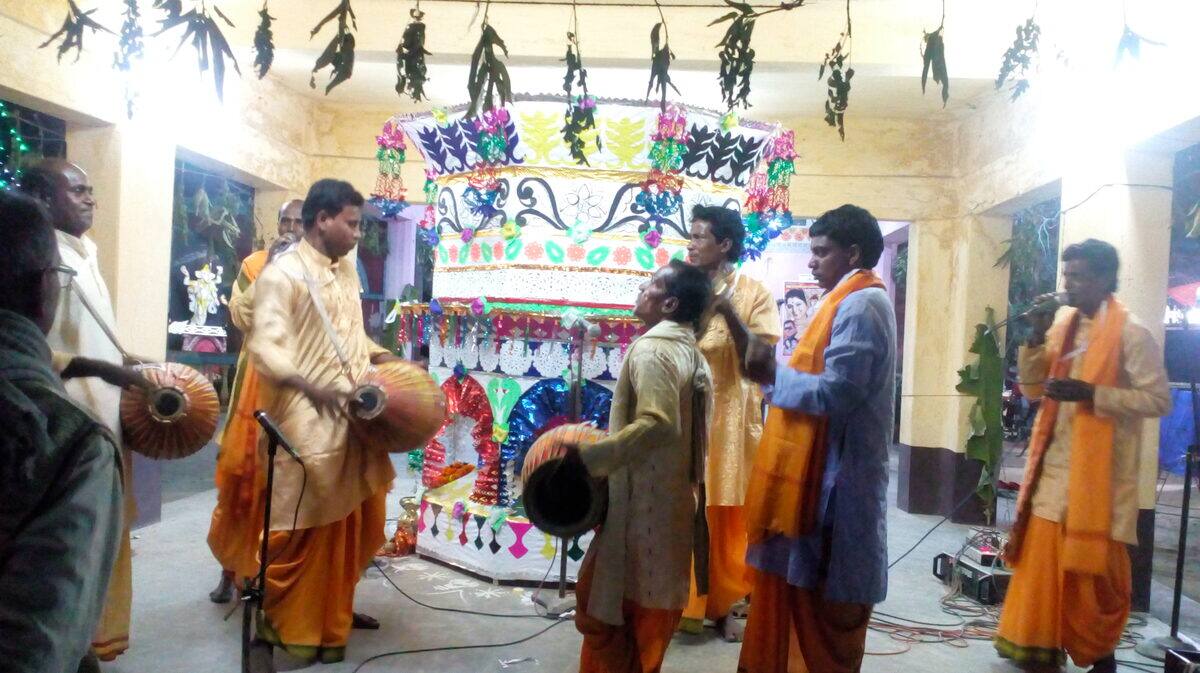
Regional Traditions of Kirtan: One Practice, Many Living Streams
The Kirtan you hear in a Western yoga studio is one branch of a much older tree. Four great regional streams — North Indian Bhakti, South Indian Carnatic song, Bengali Gaudiya Vaishnava sankirtan, and Sikh Gurbani Kirtan — each shaped the practice in its own way, and each is still very much alive.
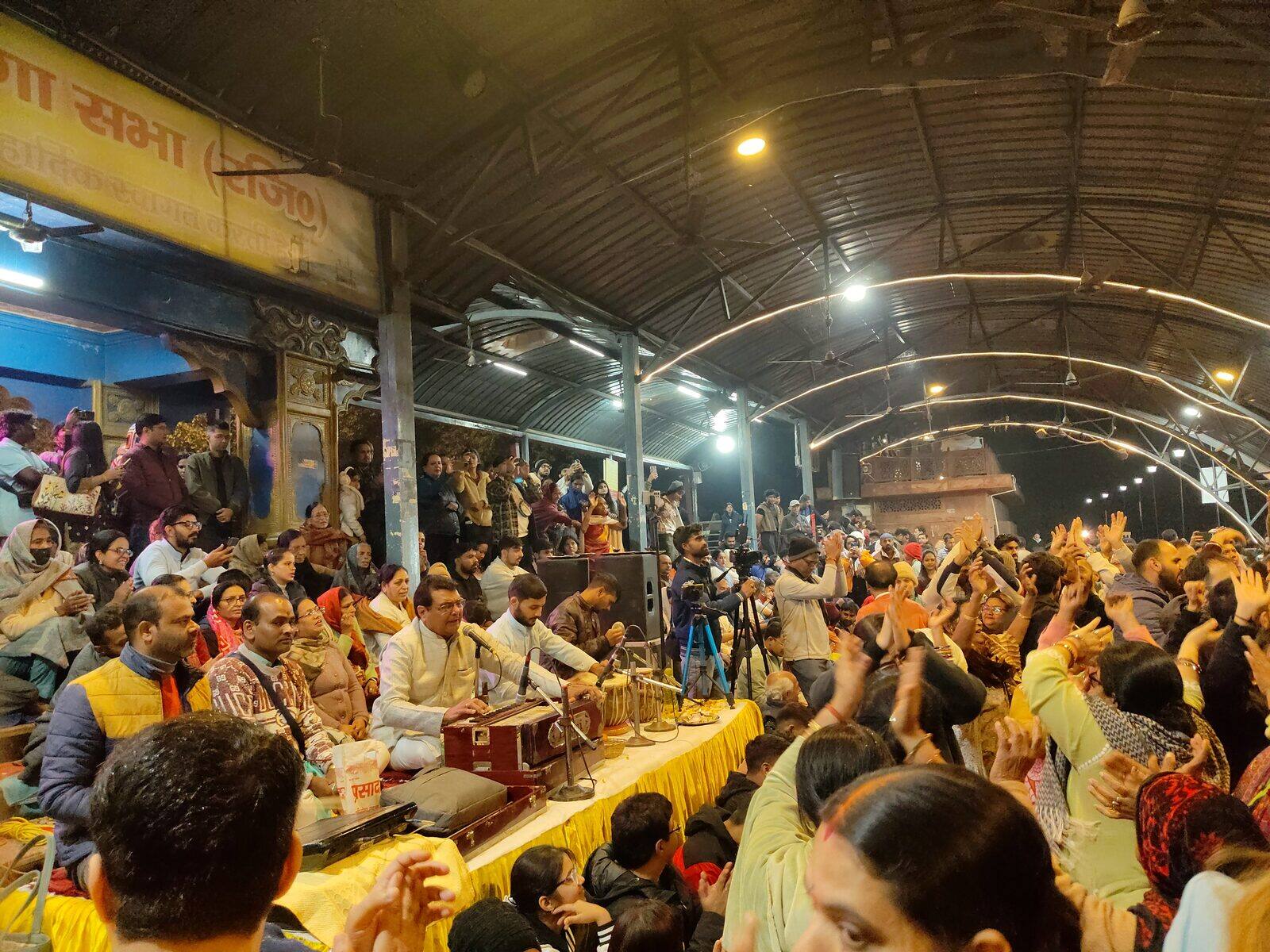
What Is a Bhajan? Inside India's Tradition of Devotional Song
Before there were kirtan halls, there were bhajans — intimate devotional songs poured out by poet-saints in the languages of the people. Here is the story of the bhajan: where it came from, how it works, how it differs from kirtan, and the voices that carried it from temple courtyards to the world stage.
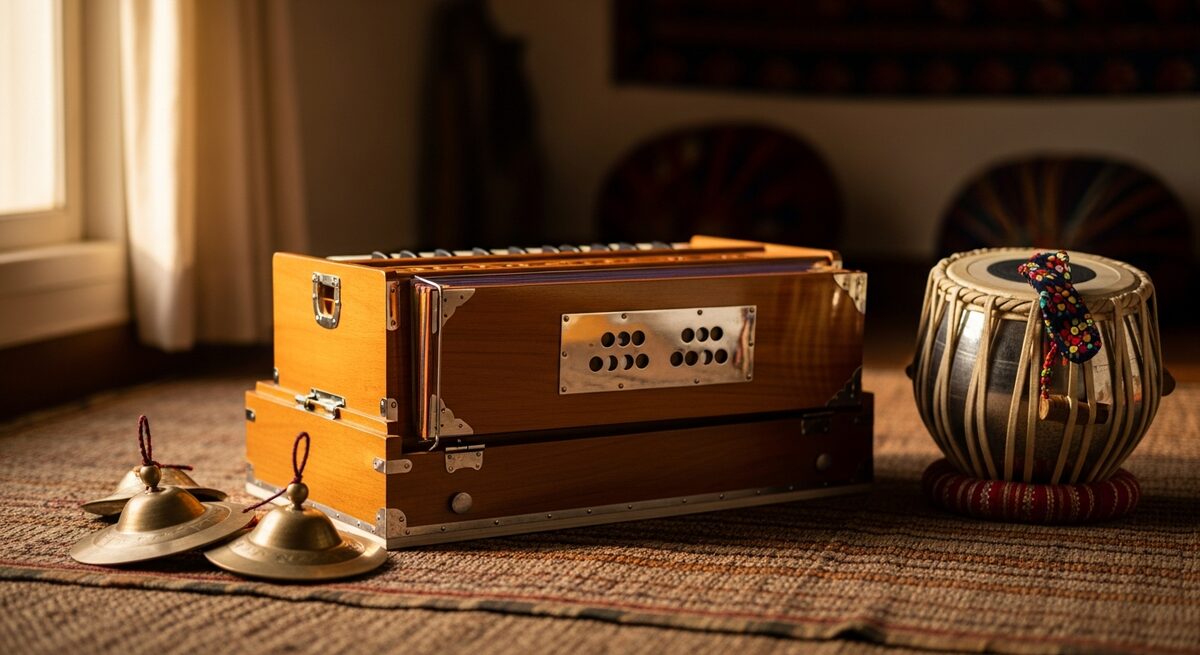
Kirtan Instruments: Harmonium, Tabla, Kartals, and More
The instruments of Kirtan are not mere accompaniments — each one carries its own tradition, its own sound-world, and its own way of supporting the chant. Here's an introduction to the core instruments of the Kirtan ensemble.