

Kirtan and Bhakti Yoga: The Path of Devotion
The Bhagavad Gita describes four primary paths of yoga: Jnana (knowledge), Karma (action), Raja (meditation), and Bhakti (devotion). Of these, the path of Bhakti has been described by saints, sages, and mystics across traditions as the most accessible — and the most complete.
Bhakti yoga is not about suppressing the emotions or transcending them. It is about redirecting them — offering the full force of the human heart toward the divine. Love, longing, gratitude, grief — in Bhakti practice, all of these become fuel for spiritual awakening rather than obstacles to it.
Kirtan is the primary technology of Bhakti. The chant becomes a vessel that carries the devotee across the ocean of ordinary experience into something more vast and luminous.
A new generation of voices is carrying this path forward. Jahnavi Harrison, raised in a Bhakti community in England, weaves Sanskrit prayer with classical training; Radhika Das has brought packed-out Kirtan to London's yoga scene; Gaura Vani tells the tradition's stories alongside its songs; and Acyuta Gopi carries the devotional lineage of her Bhakti upbringing into gatherings across the world.
Terms in the Glossary
Words from this page, explained in our A–Z reference.
Join the Kirtans.com Community
Receive occasional updates — thoughtfully curated devotional music, upcoming gatherings, artist announcements, new resources, and inspiration to support your Bhakti practice.
From This Article

Continue Reading
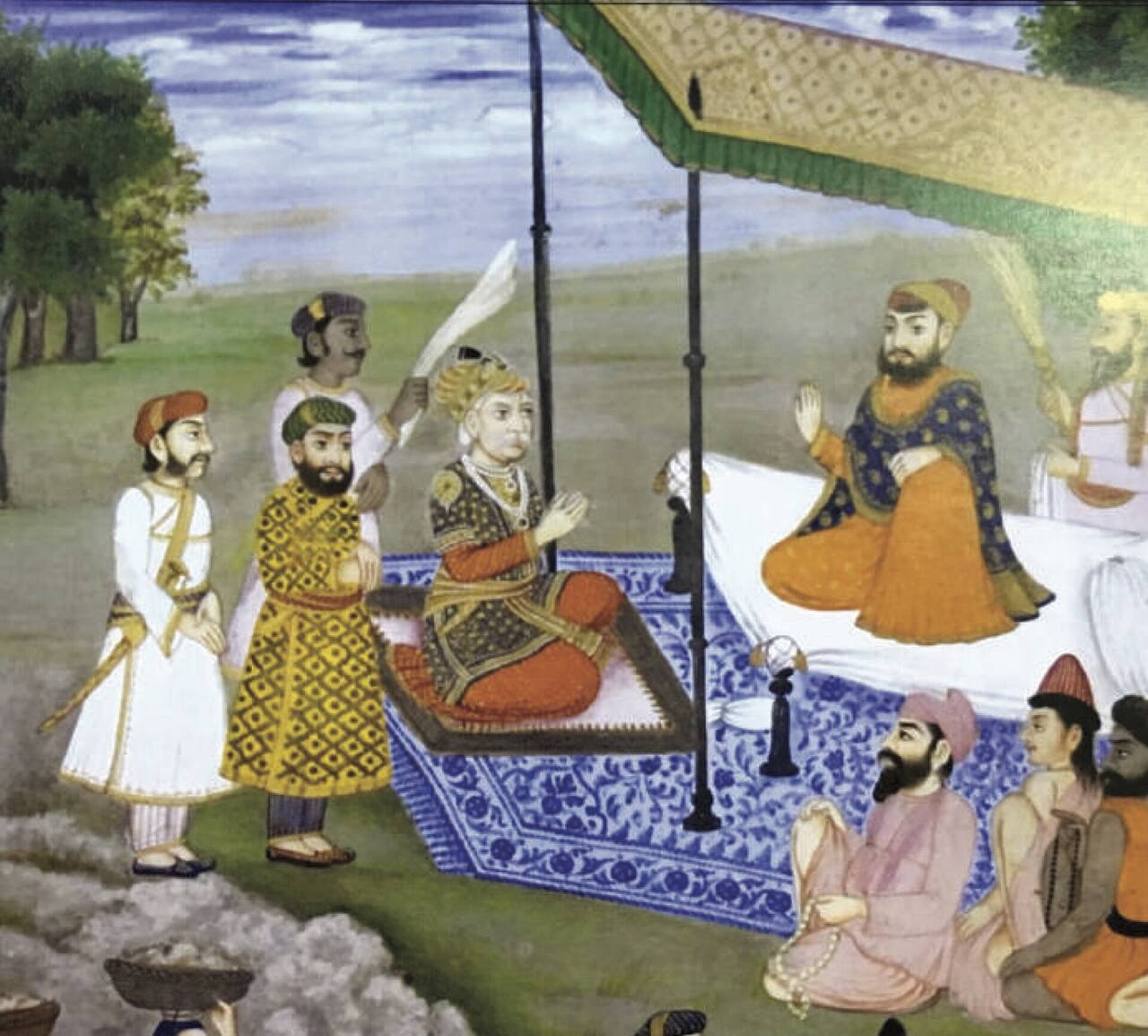
Guru Amar Das and the Song of Bliss
Converted at sixty-two by an overheard hymn, the third Sikh Guru made the free kitchen the tradition's front door — even an emperor sat on the floor to eat — and composed the Anand Sahib, the Song of Bliss that still closes every Sikh service in the world.
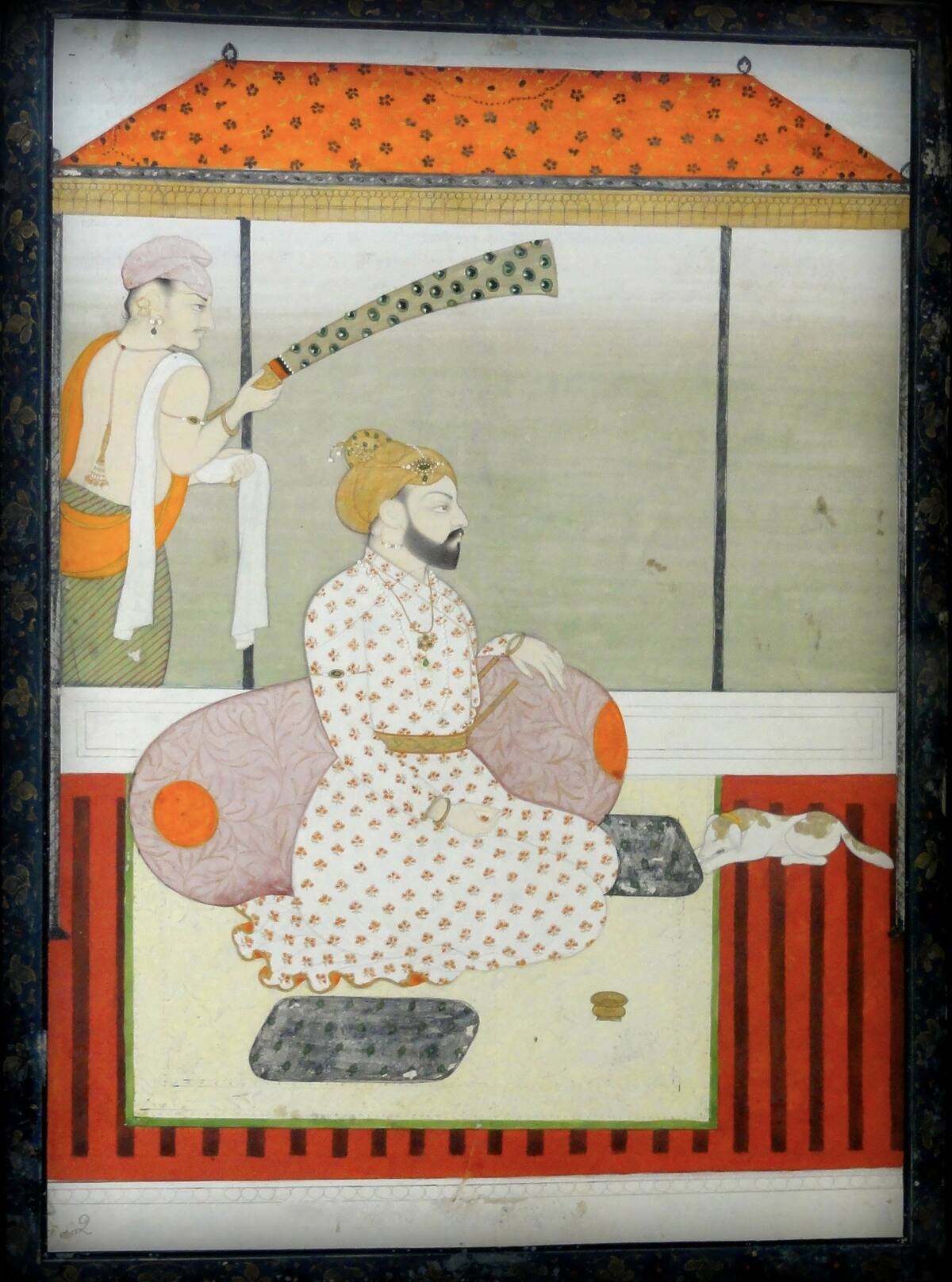
Guru Angad and the Alphabet Built for Song
The second Sikh Guru gave sacred song a script of its own. By standardizing Gurmukhi and collecting Guru Nanak's hymns in it, Guru Angad made sure the melodies would never lose their words — every Gurmukhi chant sung in the West today is written in his letters.
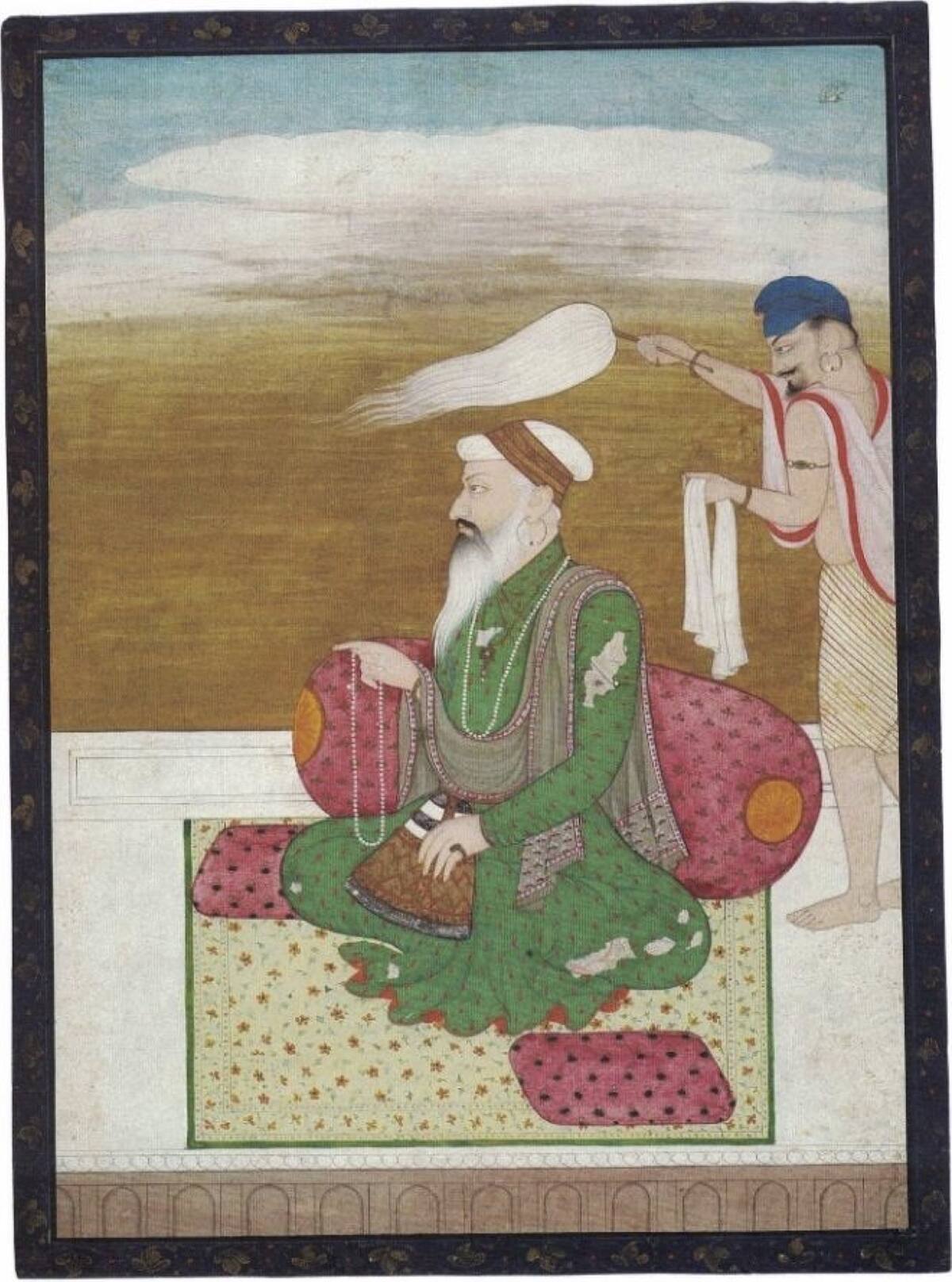
Guru Ram Das and the City of Nectar
An orphan who sold boiled chickpeas became the fourth Sikh Guru, founded Amritsar around a pool of nectar, and wrote the wedding hymns Sikh couples still circle to. Four centuries later, a chant bearing his name is sung in yoga studios around the world.