

The Spiritual Meaning of Kirtan: Why Sacred Sound Opens the Heart
The Bhakti traditions of India teach that we live in an age — the Kali Yuga — in which the path of devotion through sacred sound is the most accessible and potent spiritual practice. The Sanskrit word 'Bhakti' means devotion, love, and participation — and Kirtan is perhaps its most direct expression.
When we chant a mantra or sacred name, we are not just making noise. According to Vedic understanding, sound carries consciousness. The sacred names — Ram, Krishna, Durga, Om — are not mere labels for divine concepts. They are the living presence of the divine in vibrational form.
This is why the effects of Kirtan often surprise first-timers. People come expecting a pleasant musical experience and leave having touched something they cannot quite explain — a quality of openness, of relief, of joy that has nothing to do with the logical mind.
Teachers who bridge the scholarly and devotional sides of this understanding are worth seeking out. Shyam Das spent decades immersed in India's Pushtimarg lineage — the Path of Grace founded by Vallabhacharya — and translated its poetry of divine love (his life story is told on our Shyamdas pioneer page); Sacinandana Swami writes and teaches extensively on the inner landscape of the holy name; and Bhagavan Das, one of the earliest Western voices of Nada yoga, has taught for over fifty years that sound itself is the teacher.
Terms in the Glossary
Words from this page, explained in our A–Z reference.
Join the Kirtans.com Community
Receive occasional updates — thoughtfully curated devotional music, upcoming gatherings, artist announcements, new resources, and inspiration to support your Bhakti practice.
From This Article


Continue Reading
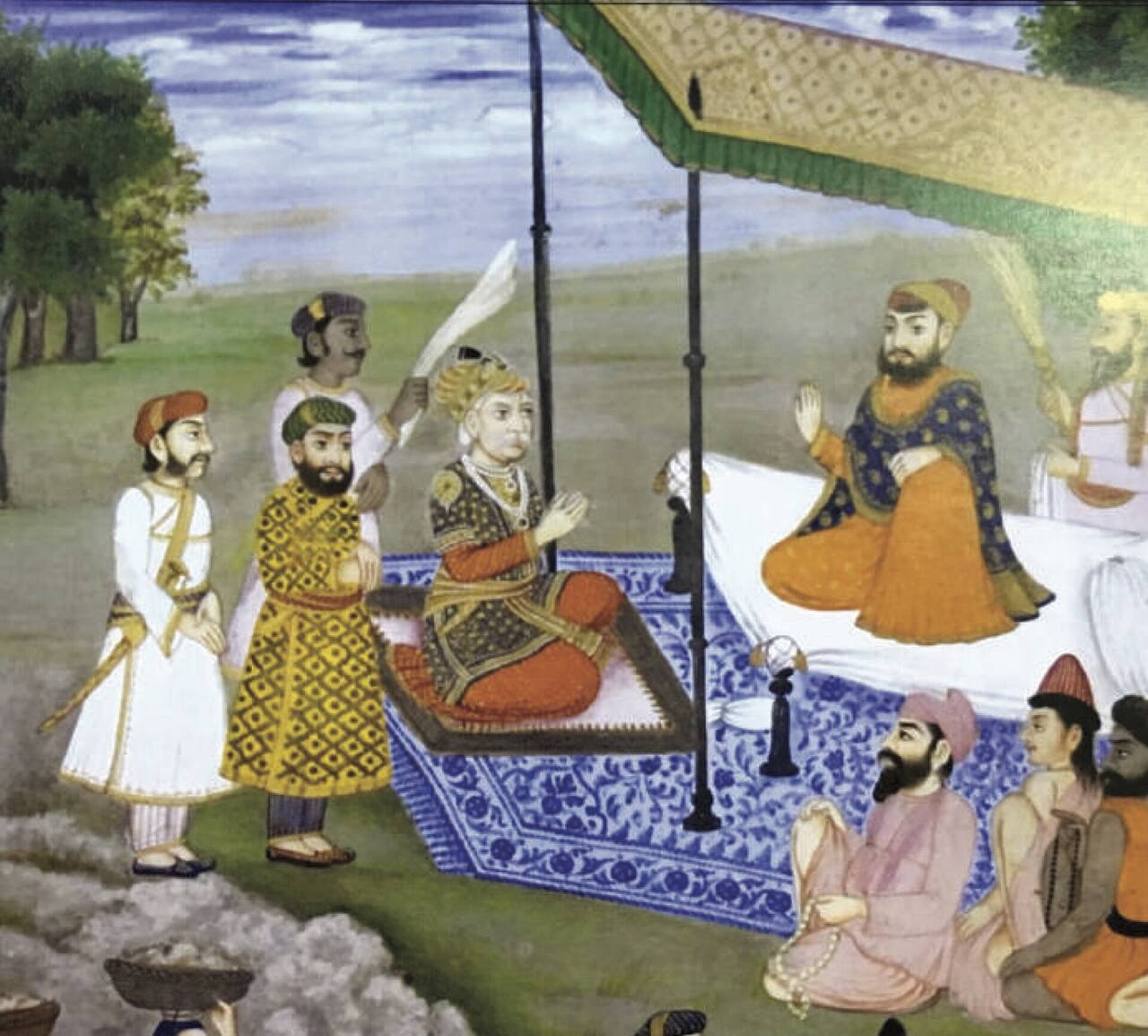
Guru Amar Das and the Song of Bliss
Converted at sixty-two by an overheard hymn, the third Sikh Guru made the free kitchen the tradition's front door — even an emperor sat on the floor to eat — and composed the Anand Sahib, the Song of Bliss that still closes every Sikh service in the world.
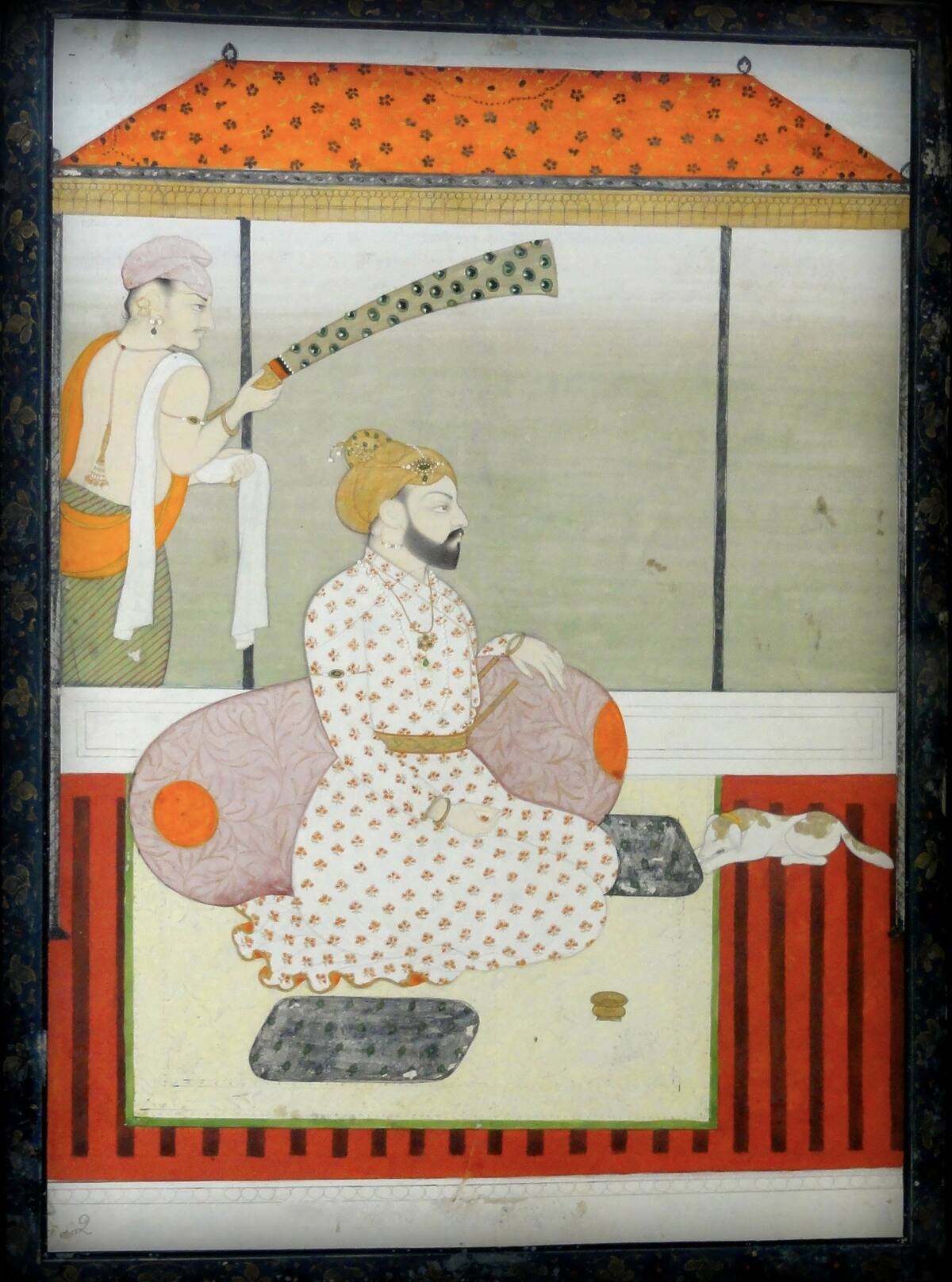
Guru Angad and the Alphabet Built for Song
The second Sikh Guru gave sacred song a script of its own. By standardizing Gurmukhi and collecting Guru Nanak's hymns in it, Guru Angad made sure the melodies would never lose their words — every Gurmukhi chant sung in the West today is written in his letters.
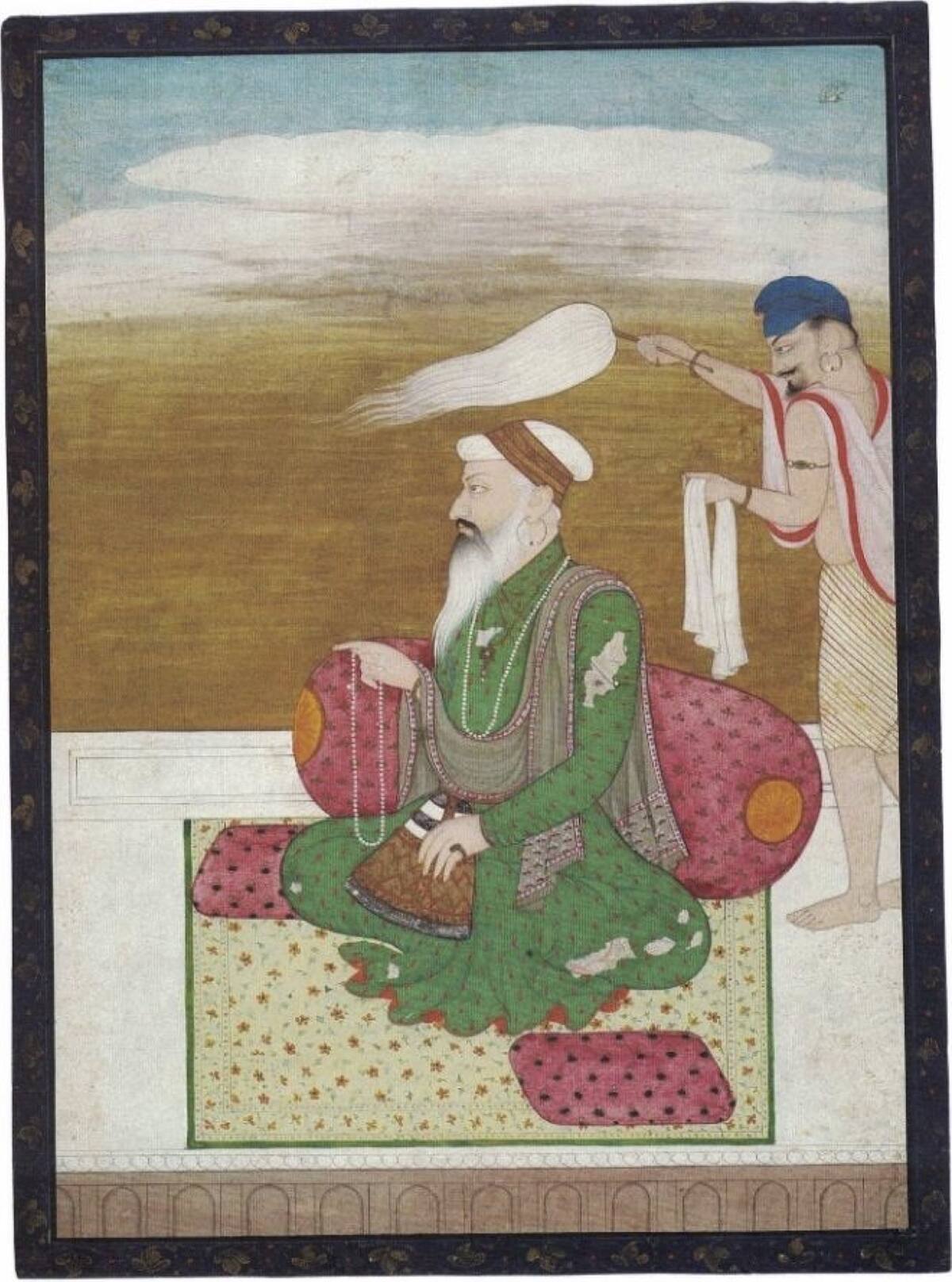
Guru Ram Das and the City of Nectar
An orphan who sold boiled chickpeas became the fourth Sikh Guru, founded Amritsar around a pool of nectar, and wrote the wedding hymns Sikh couples still circle to. Four centuries later, a chant bearing his name is sung in yoga studios around the world.