
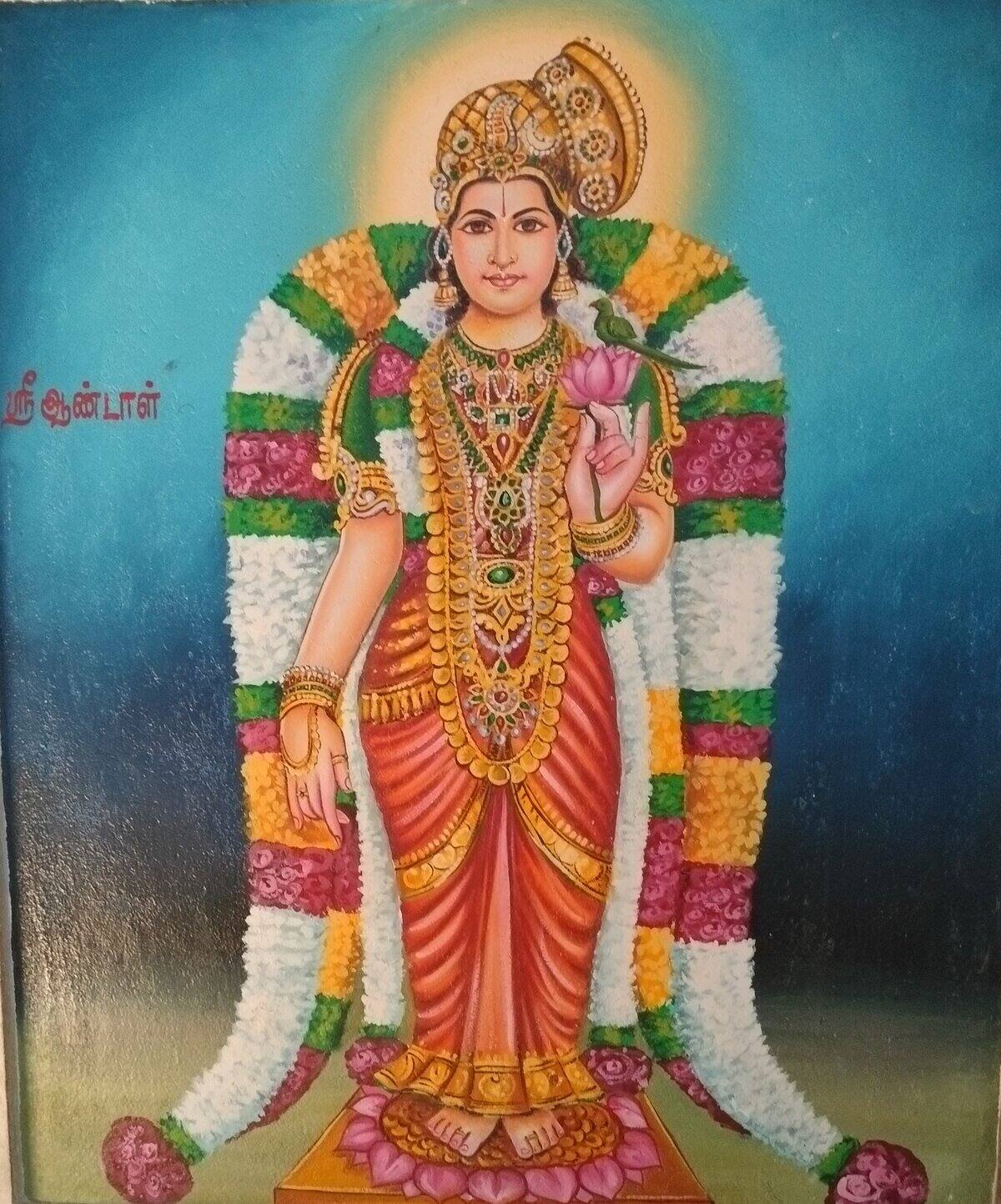
Andal: The Girl Who Wore the Garland First
Tradition tells that Andal was found as an infant beneath a tulsi plant in the temple garden of Srivilliputhur, deep in the Tamil south, and raised by the garden's keeper — the poet-saint Periyalvar. He named her Kotai. The girl grew up so completely in love with Vishnu that she would secretly wear the flower garlands her father wove for the deity, standing before a mirror and imagining herself the Lord's bride, before the flowers were sent on to the altar.
When Periyalvar discovered this he was horrified — a worn garland is no longer fit to offer. But the story goes that the Lord himself refused any garland Kotai had not worn first. Srivilliputhur still honors her by the name the episode earned her: Sudikkodutta Nachiyar, "the lady who gave what she had worn." It is one of the most beloved images in all of bhakti — devotion so complete that it makes the offering sweeter, not less pure.
Her masterpiece is the Tiruppavai: thirty Tamil verses sung as a vow-song for the sacred month of Margazhi, from mid-December to mid-January, in which a band of girls wake one another before dawn to bathe and call on the name of Narayana. Across South India those thirty verses are still sung at first light in temples and homes every winter — a living practice of communal, sung devotion that has continued for some twelve hundred years, which makes the Tiruppavai one of the oldest devotional song-cycles on earth still in daily congregational use. In the twentieth century, M.S. Subbulakshmi's recordings carried it into millions of homes. The name the Tiruppavai calls on at dawn is the same divine name that Om Namo Narayanaya carries into kirtan halls today.
Her second work, the Nachiyar Tirumoli, is a cycle of 143 verses of unveiled longing for her divine Beloved. She refused every earthly marriage, declaring she would wed only Ranganatha, the reclining Vishnu of Srirangam — and tradition holds that she merged into the deity there while still in her teens. The tradition counts her among the twelve Alvars, the poet-saints whose Tamil hymns are the wellspring of South Indian Vaishnava devotion — and she is the only woman among them, honored as an incarnation of the earth goddess Bhudevi, with shrines of her own in temples across the south.
Andal gave woman-voiced devotion its earliest full flowering — seven centuries before Mirabai sang her fearless love for Krishna in the north. And the lineage she opened has never closed: every time a woman takes her seat at the harmonium and leads a room full of voices — as Acyuta Gopi, Jahnavi Harrison, Gaura Mani, and Karnamrita Dasi do today — the girl who wore the garland first is somewhere in the song.
Terms in the Glossary
Words from this page, explained in our A–Z reference.
Join the Kirtans.com Community
Receive occasional updates — thoughtfully curated devotional music, upcoming gatherings, artist announcements, new resources, and inspiration to support your Bhakti practice.
From This Article
Continue Reading
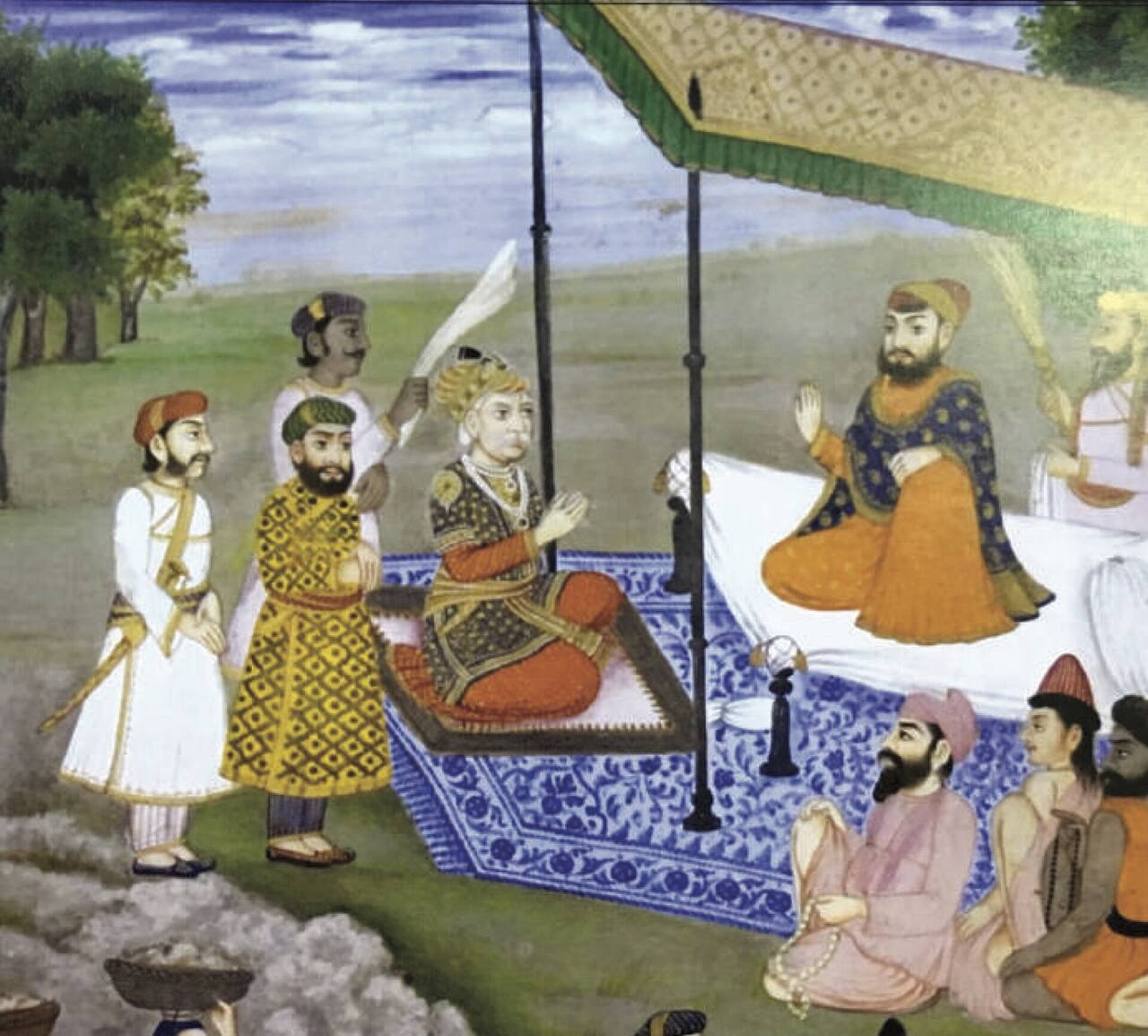
Guru Amar Das and the Song of Bliss
Converted at sixty-two by an overheard hymn, the third Sikh Guru made the free kitchen the tradition's front door — even an emperor sat on the floor to eat — and composed the Anand Sahib, the Song of Bliss that still closes every Sikh service in the world.
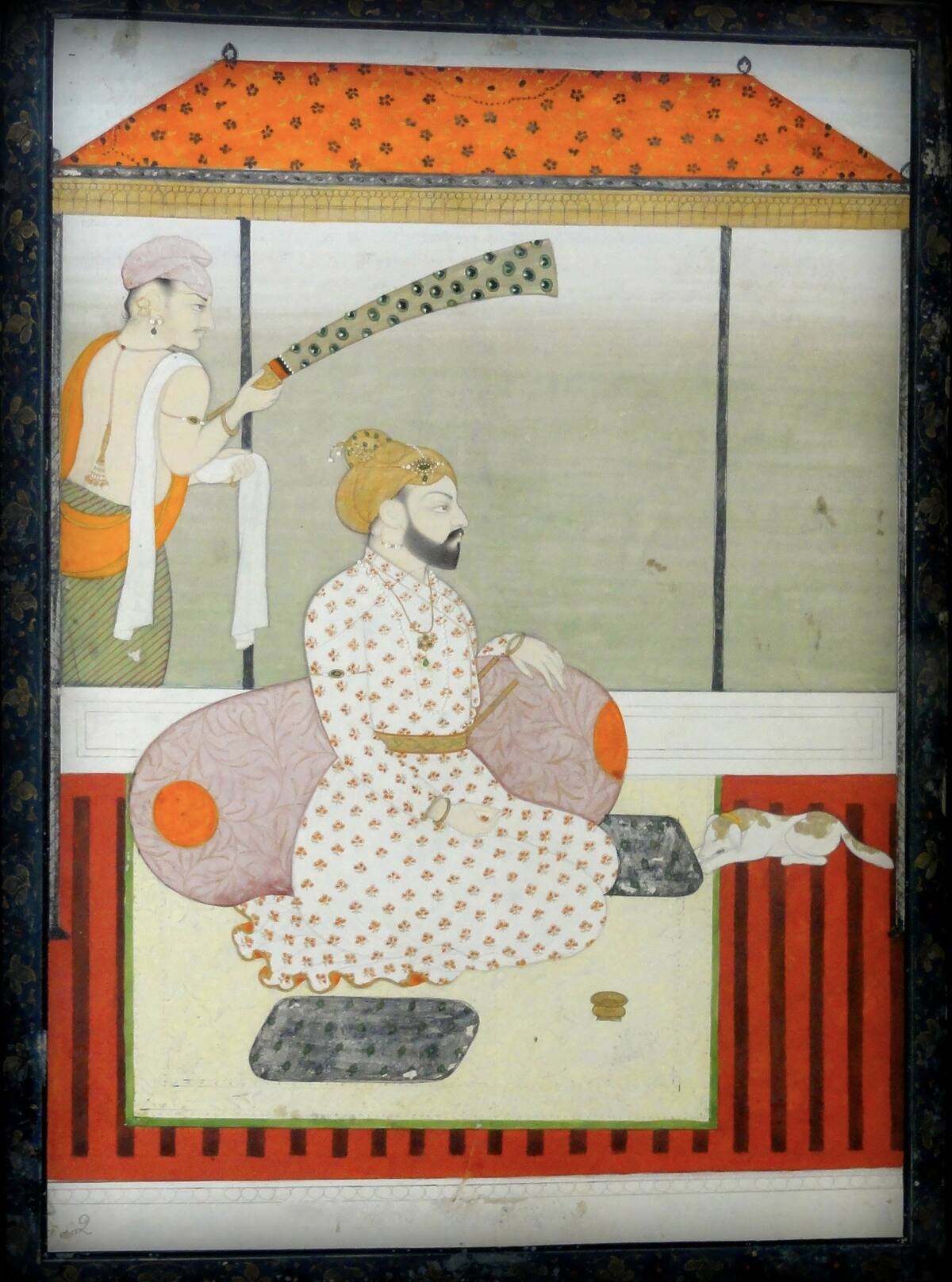
Guru Angad and the Alphabet Built for Song
The second Sikh Guru gave sacred song a script of its own. By standardizing Gurmukhi and collecting Guru Nanak's hymns in it, Guru Angad made sure the melodies would never lose their words — every Gurmukhi chant sung in the West today is written in his letters.
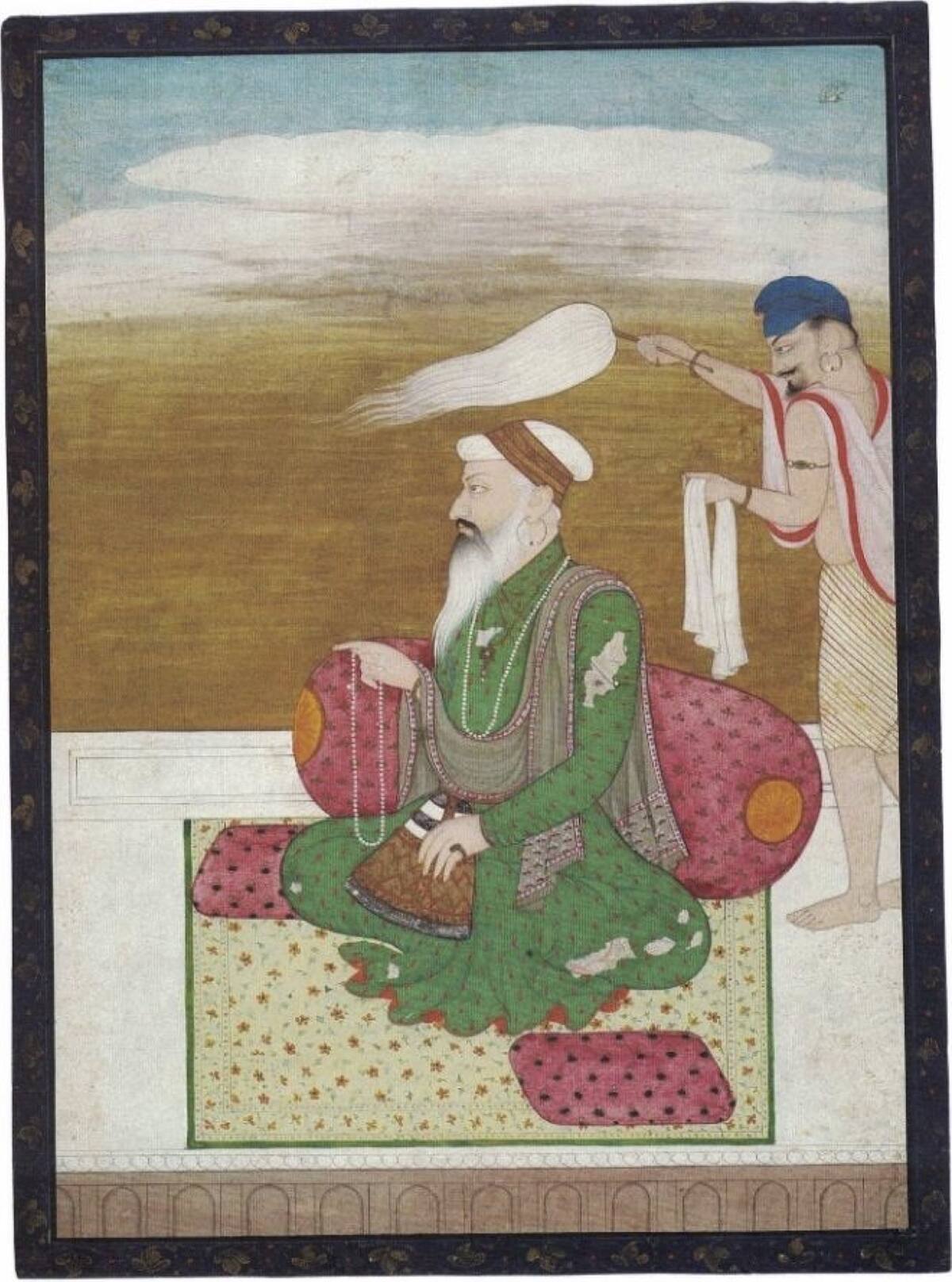
Guru Ram Das and the City of Nectar
An orphan who sold boiled chickpeas became the fourth Sikh Guru, founded Amritsar around a pool of nectar, and wrote the wedding hymns Sikh couples still circle to. Four centuries later, a chant bearing his name is sung in yoga studios around the world.