

What Is Kirtan? A Beginner's Introduction to Sacred Chanting
Kirtan is a devotional practice of call-and-response chanting rooted in the Bhakti yoga tradition. The word 'Kirtan' comes from the Sanskrit root 'kirt,' meaning to praise, glorify, or tell. At its heart, Kirtan is a conversation between the singer and the divine, expressed through the repetition of sacred names and mantras.
In a typical Kirtan gathering, a lead musician plays harmonium or another melodic instrument and sings a mantra or sacred phrase. The community responds by echoing the same phrase back. This back-and-forth weaving of voice and response creates an increasingly meditative state — dissolving ordinary mental chatter and opening the heart.
Unlike concert music, Kirtan is participatory. There are no wrong notes, no auditions, no requirements other than the willingness to open your voice and your heart. Everyone who comes is both audience and performer.
If you want to hear what this sounds like, start with the artists who carried Kirtan to the West: Krishna Das, whose gravelly, heart-forward chanting has filled halls worldwide; Jai Uttal, who blends the Bhakti tradition with global folk textures; and Deva Premal & Miten, whose meditative mantra recordings are many people's very first taste of the practice.
Terms in the Glossary
Words from this page, explained in our A–Z reference.
Join the Kirtans.com Community
Receive occasional updates — thoughtfully curated devotional music, upcoming gatherings, artist announcements, new resources, and inspiration to support your Bhakti practice.
Continue Reading
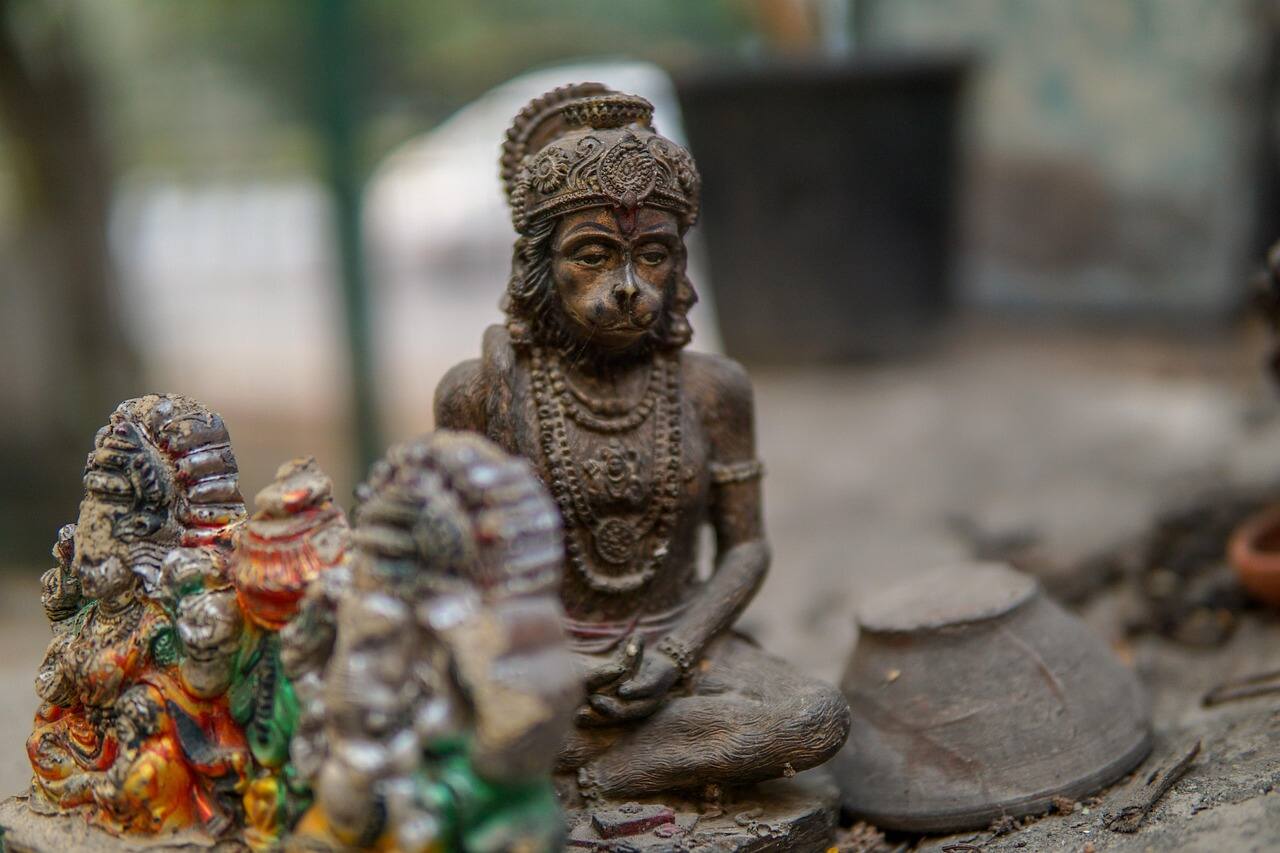
The Story Scriptures Behind Kirtan: Epics, Puranas, and the Names We Sing
Ram, Sita, Hanuman, Krishna — the names sung at almost every kirtan come from stories. Part 2 of our guide to the sacred texts maps the story canon: the two great epics and the Puranas, and how their heroes became the heart of the chant.
The Sacred Texts Behind Kirtan
Read about almost any mantra and you'll meet the same names: the Vedas, the Upanishads, the Bhagavad Gita. What are these texts, and why do chanters keep encountering them? A beginner's map to the scriptures behind the songs.
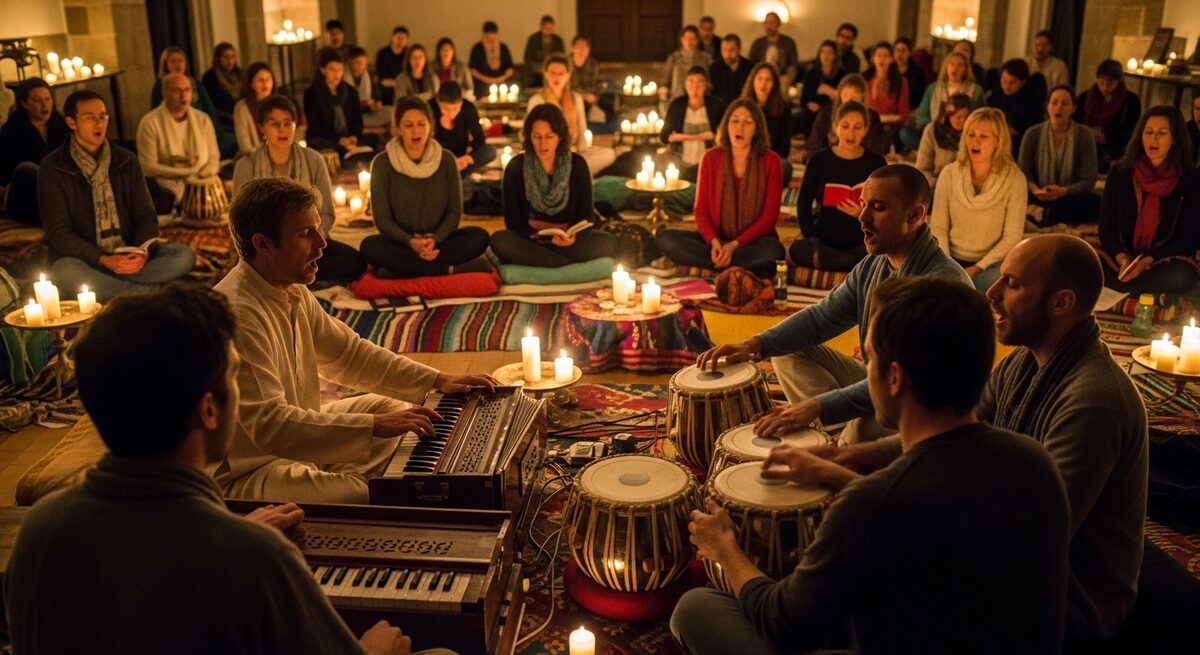
What to Expect at Your First Kirtan Gathering
Walking into your first Kirtan can feel mysterious if you don't know what to expect. Here's a friendly guide to help you feel comfortable, welcome, and ready to open your heart.