
ਪਵਣ ਪਵਣ ਪਵਣ ਪਵਣ ਪਾਰ ਪਰਾ | ਪਵਣ ਗੁਰੂ ਪਵਣ ਗੁਰੂ ਵਾਹਿਗੁਰੂ | ਵਾਹਿਗੁਰੂ ਪਵਣ ਗੁਰੂ
Pavan Guru
Pavan Pavan Pavan Pavan Par Paraa, Pavan Guru Pavan Guru Wahe Guru, Wahe Guru Pavan Guru
Listen & Chant Along
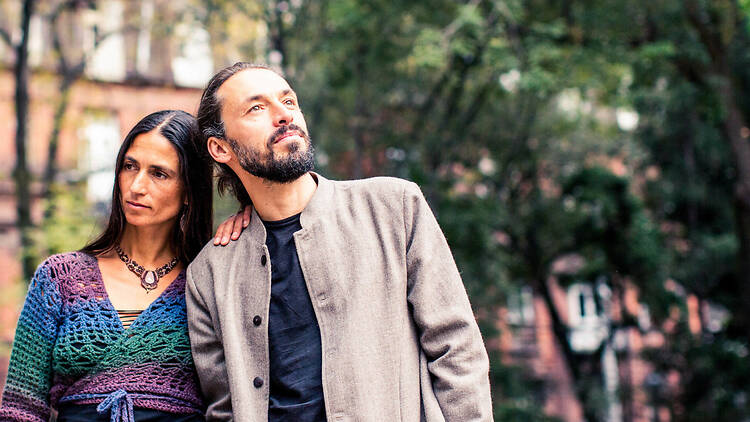
Listen & chant along — performed by Mirabai Ceiba
"The breath is the Guru — the divine breath from beyond the beyond"
Meaning & Translation
Sanskrit
ਪਵਣ ਪਵਣ ਪਵਣ ਪਵਣ ਪਾਰ ਪਰਾ | ਪਵਣ ਗੁਰੂ ਪਵਣ ਗੁਰੂ ਵਾਹਿਗੁਰੂ | ਵਾਹਿਗੁਰੂ ਪਵਣ ਗੁਰੂ
Transliteration
Pavan Pavan Pavan Pavan Par Paraa, Pavan Guru Pavan Guru Wahe Guru, Wahe Guru Pavan Guru
Pronunciation
PUH-vun PUH-vun PUH-vun PUH-vun par pah-RAH, PUH-vun goo-ROO PUH-vun goo-ROO WAH-hay goo-ROO — soft and continuous, riding the breath it describes
Full Translation
Breath, breath, breath, breath — from beyond the beyond. The breath is the Guru, the breath is the Guru — ecstasy beyond words. Ecstasy beyond words — the breath is the Guru. Air, the carrier of prana, is honored as the teacher itself: the one guide that has been with you since your first moment and will stay to your last.
Spiritual Significance
Known in Kundalini Yoga as the Pran Bandha mantra — the mantra that binds the life force — Pavan Guru is chanted to strengthen and steady prana, expand the aura, and dissolve fear. Where most mantras name the Divine, this one names the medium: the breath through which every mantra travels. Practitioners chant it to become conscious of what is usually automatic, so that each breath is received as teaching. Yogi Bhajan taught it as a meditation for fearlessness and vitality, saying that one who masters pavan, the breath, masters life itself.
Cultural Context & History
The seed of the mantra is the closing slok of Guru Nanak's Japji Sahib — "Pavan guru, pani pita, mata dharat mahat": air is the Guru, water the father, earth the great mother. Yogi Bhajan set the phrase into this repeating meditation form for Western students, and Mirabai Ceiba's luminous recording on A Hundred Blessings, along with versions by Jai-Jagdeesh and others, made it a quiet favorite of the Kundalini chant repertoire — a mantra practitioners return to whenever practice needs to come back to the breath.