
ਗੋਬਿੰਦੇ ਮੁਕੰਦੇ ਉਦਾਰੇ ਅਪਾਰੇ | ਹਰੀਅੰ ਕਰੀਅੰ ਨਿਰਨਾਮੇ ਅਕਾਮੇ
Gobinday Mukanday
Gobinday Mukanday Udaaray Apaaray, Hariang Kariang Nirnaamay Akaamay
Listen & Chant Along
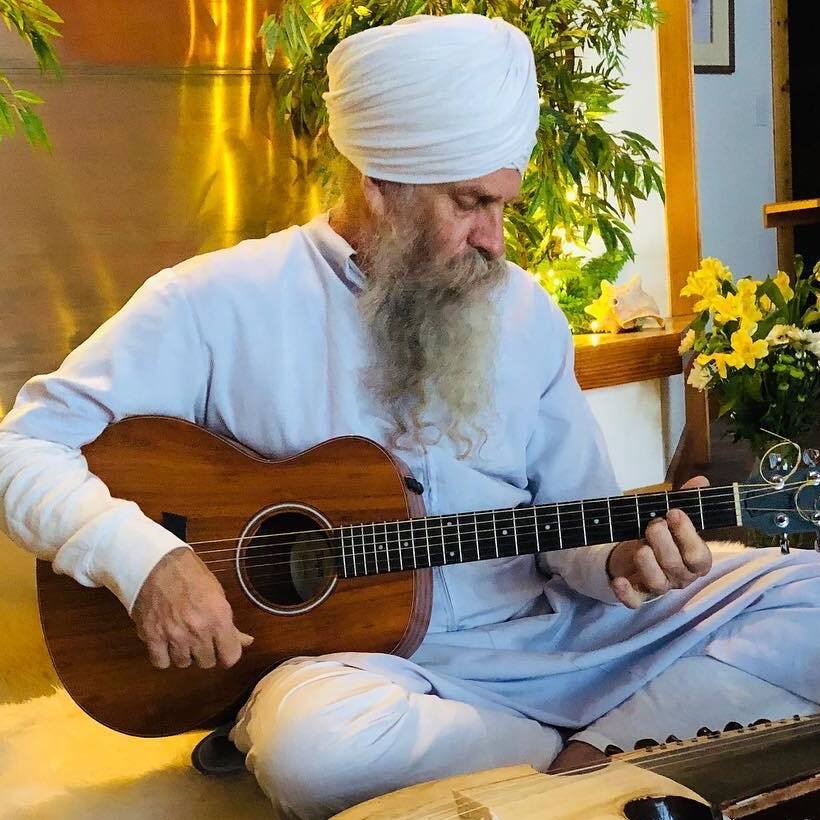
Listen & chant along — performed by Mata Mandir Singh
"Sustainer, Liberator, Enlightener, Infinite, Destroyer, Creator, Nameless, Desireless"
Meaning & Translation
Sanskrit
ਗੋਬਿੰਦੇ ਮੁਕੰਦੇ ਉਦਾਰੇ ਅਪਾਰੇ | ਹਰੀਅੰ ਕਰੀਅੰ ਨਿਰਨਾਮੇ ਅਕਾਮੇ
Transliteration
Gobinday Mukanday Udaaray Apaaray, Hariang Kariang Nirnaamay Akaamay
Pronunciation
go-BIN-day moo-KUN-day oo-DAA-ray ah-PAA-ray, har-ee-UNG kar-ee-UNG nir-NAA-may ah-KAA-may — the eight names roll in an even, wave-like rhythm, one breath per pair
Word by Word
- Gobinday
- sustainer — the One who nurtures all
- Mukanday
- liberator — the One who frees
- Udaaray
- enlightener — generous, uplifting
- Apaaray
- infinite — without limit or shore
- Hariang
- destroyer — the One who dissolves what is finished
- Kariang
- creator — the One who does all
- Nirnaamay
- nameless — beyond every name
- Akaamay
- desireless — beyond every want
Full Translation
Sustainer, Liberator, Enlightener, Infinite, Destroyer, Creator, Nameless, Desireless. Eight names of the One — eight facets of the Infinite invoked in a single breath. The mantra names what the Divine does (sustains, liberates, enlightens, creates, dissolves) and then lets go of every name at all: beyond name, beyond desire.
Spiritual Significance
Known in Kundalini Yoga as the Guru Gaitri mantra, Gobinday Mukanday is chanted to clear subconscious blocks, balance the hemispheres of the brain, and bring compassion and patience. Each of the eight qualities is understood as a facet of the practitioner's own deepest identity: by naming the Infinite as sustainer, liberator, and creator, the chant gradually dissolves the sense of a small, separate self. The closing pair — Nirnaamay (nameless) and Akaamay (desireless) — points past all attributes to the still center from which the whole sequence arises.
Cultural Context & History
The eight names come from the Jaap Sahib of Guru Gobind Singh, the tenth Sikh Guru, where they appear as a rapid litany in the Chaachri Chhand section. Yogi Bhajan taught the sequence widely in the West as the Guru Gaitri mantra, and it became one of the most recorded mantras of the Kundalini yoga music world. White Sun's Grammy-winning version, along with recordings by Mata Mandir Singh, Snatam Kaur, Mirabai Ceiba, and Sada Sat Kaur, made it a staple of Western sadhana playlists and kirtan gatherings.
For Leaders
Chords and structure for leading this chant on harmonium or guitar — transcribed from the linked recording. New to leading? Read our guide to leading kirtan →
Original key
G
Tempo & feel
Slow and steady (~65 bpm); a rocking meditation, not a dance
Chord Chart
Strumming & rhythm (4/4)
D = downstrum, U = upstrum, · = let it ring. a slow rock: down, breath, up; think cradle, not dance.
Call & Response Structure
One chord per divine name, rocking between G and C; the drop to Em on Hariang darkens the second line before it resolves home. Sung in unison — repeat the two-line cycle continuously and let the eight names hypnotize.