
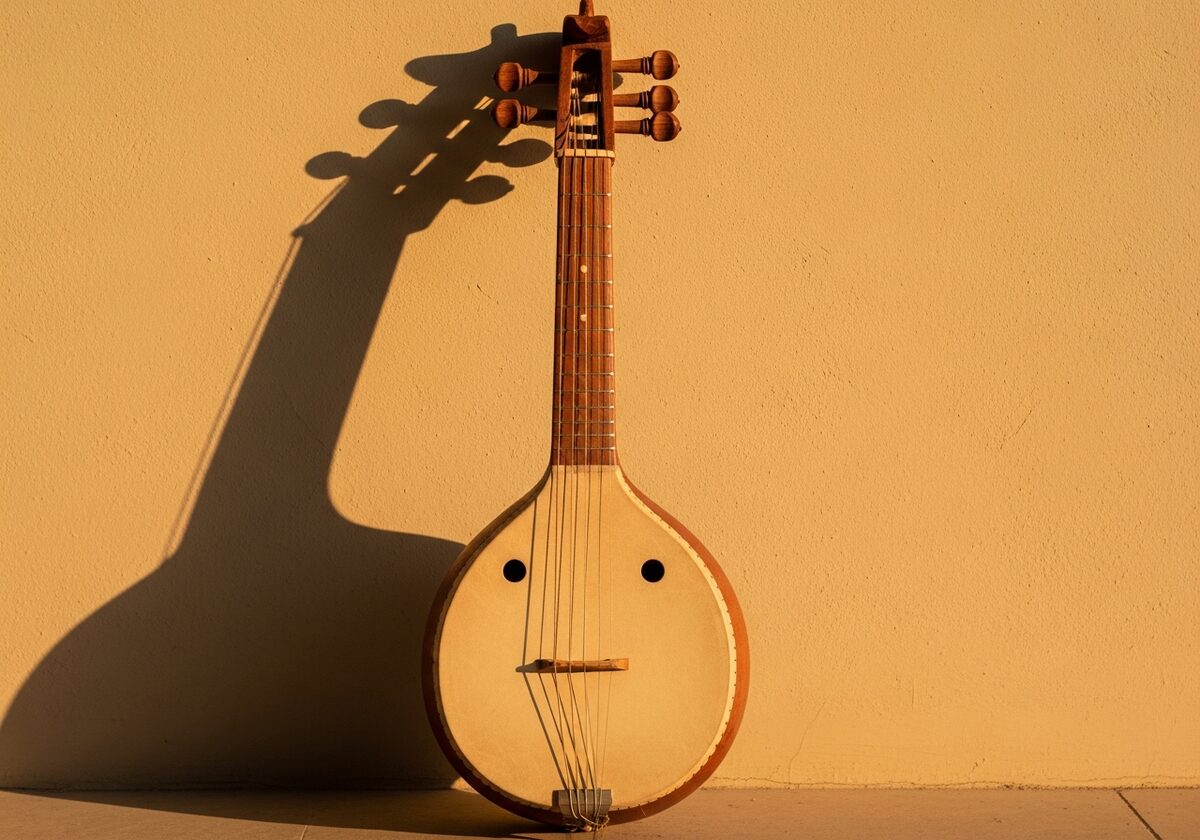
See & Hear the Rabab
About the Rabab
The rabab is a plucked lute with a hollow wooden body, a stretched-skin soundboard, and gut strings — part of an instrument family that traveled with musicians across Central and South Asia for centuries. In Sikh memory it is the first instrument of the tradition: when Guru Nanak sang his revelations, his lifelong companion Bhai Mardana accompanied him on the rabab through more than two decades of travels. Janamsakhi tradition holds that Mardana's rabab was crafted by the instrument maker Bhai Firanda — which is why the Sikh form is also remembered as the firandia rabab. Played with a wooden plectrum, its strings speak with a deep, warm, percussive voice quite unlike the sustained tone of a reed or bowed instrument: each note blooms and decays quickly, so the player weaves running patterns of notes beneath the singer's line.
Its Role in Kirtan
The rabab is where shabad kirtan began: Guru Nanak sang, and Mardana's rabab carried the song. For centuries afterward the rababis — hereditary musicians descended from Bhai Mardana's line — accompanied the Guru's hymns in Sikh shrines, including the Harmandir Sahib (Golden Temple) in Amritsar. In the late nineteenth and twentieth centuries the portable harmonium displaced the rabab in most gurdwaras, and the instrument nearly vanished from worship. Recent decades have brought a determined revival of tanti saaj — the stringed instruments of early Sikh music — with luthiers rebuilding the rabab and kirtan musicians returning its plucked heartbeat to the hymns, so listeners today can once again hear shabad kirtan the way it sounded when it began.
Mantras Sung with the Rabab
Chants traditionally accompanied by the rabab in kirtan and practice.
Play Mantras on the Rabab
These chants have verified chord charts with a rabab-ready view — pick a key, follow the chart, and lead.
Sat Nam
Chord chart with guitar & harmonium views
Mool Mantar
Chord chart with guitar & harmonium views
Ek Ong Kar Sat Nam Siri Wahe Guru
Chord chart with guitar & harmonium views
Want the full songbook? Browse every mantra with a chord chart →
Hear It in Practice

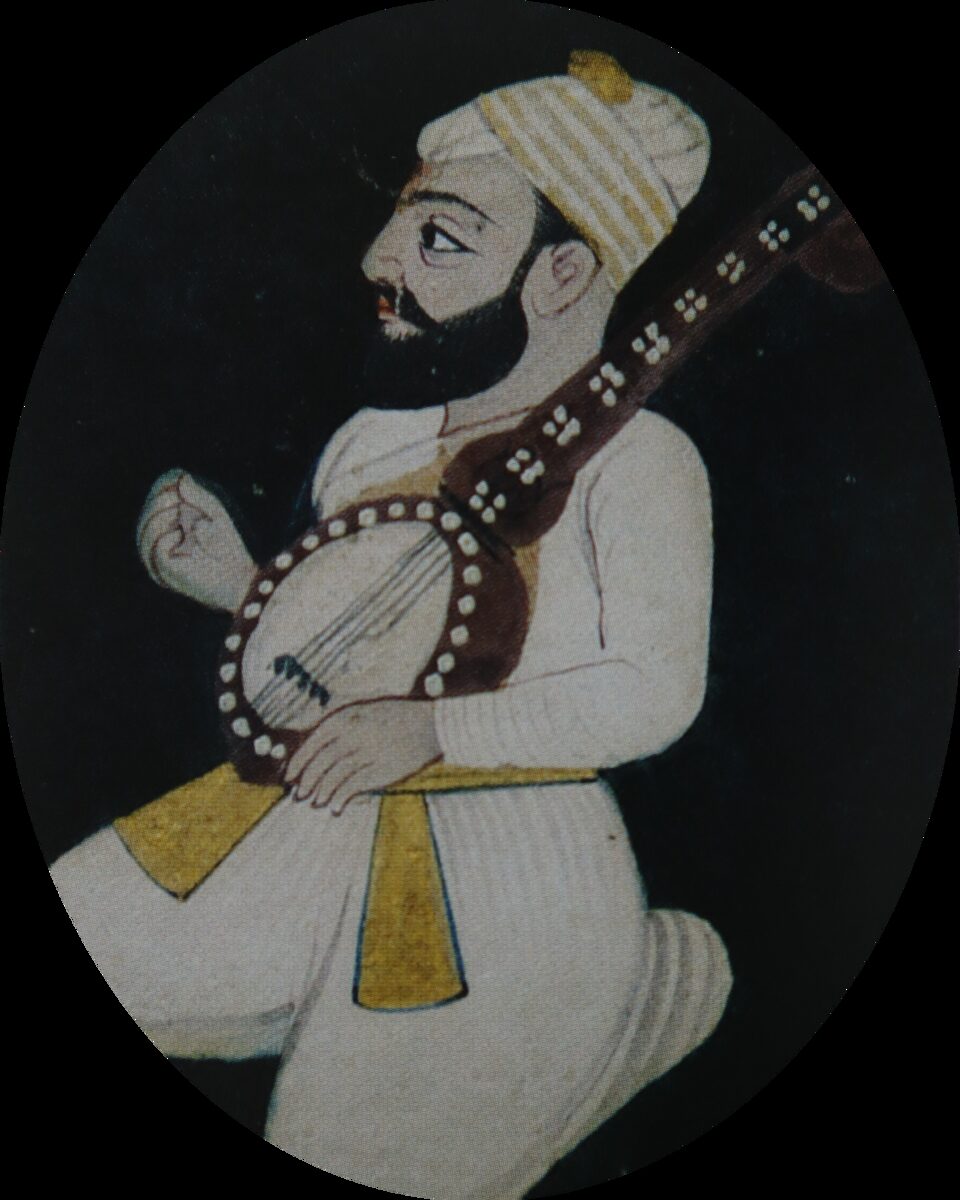
Terms in the Glossary
Words from this page, explained in our A–Z reference.
Keep Exploring