
ॐ आनन्दमयि चैतन्यमयि सत्यमयि परमे
Anandamayi (Om Anandamayi Chaitanyamayi)
Om Anandamayi Chaitanyamayi Satyamayi Parame
Listen & Chant Along
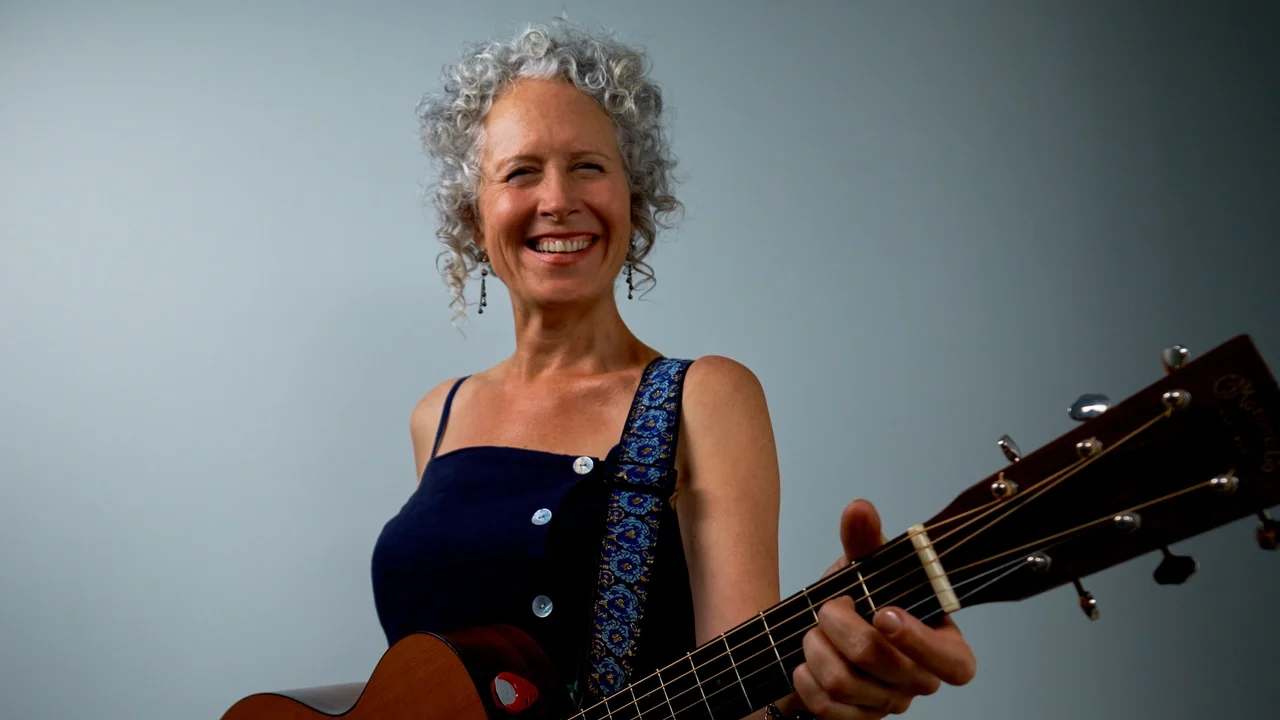
Listen & chant along — performed by Brenda McMorrow
"An invocation of the Divine Mother as bliss, consciousness, truth, and the Supreme"
Meaning & Translation
Sanskrit
ॐ आनन्दमयि चैतन्यमयि सत्यमयि परमे
Transliteration
Om Anandamayi Chaitanyamayi Satyamayi Parame
Pronunciation
om AH-nan-dah-MAH-yee chai-TAHN-yah-MAH-yee saht-YAH-mah-yee PAH-rah-may
Deity / Quality Invoked
The Divine Mother
Full Translation
This mantra addresses the Divine Mother directly in four of her essential aspects: She who is made of bliss (Anandamayi), She who is made of consciousness (Chaitanyamayi), She who is made of truth (Satyamayi), and She who is Supreme (Parame). Rather than naming a particular goddess form, it greets the Mother as the very substance of joy, awareness, and reality itself — a recognition that everything the chanter experiences is her.
Spiritual Significance
Chanting this mantra is a practice of remembering that bliss, consciousness, and truth are not qualities to be acquired but the very nature of the Divine Mother — and, by extension, of the chanter's own deepest self. In the Sri Aurobindo lineage it is treasured as a complete meditation: each word draws the mind into a subtler layer of the Mother's presence.
Cultural Context & History
The mantra comes from the Sri Aurobindo Ashram in Pondicherry, where it is associated with Sri Aurobindo and The Mother (Mirra Alfassa), who rendered it "She, the Delight; She, the Consciousness; She, the Truth; She, the Supreme." It has traveled widely into the Western Kirtan world, where singers set its four flowing names to melodic call-and-response.
For Leaders
Chords and structure for leading this chant on harmonium or guitar — transcribed from the linked recording. New to leading? Read our guide to leading kirtan →
Original key
Ab
Tempo & feel
Flowing lilt (~108 bpm); graceful, circling cycles
Chord Chart
Strumming & rhythm (4/4)
D = downstrum, U = upstrum, · = let it ring. light and circling; brush the strings rather than strike them.
Call & Response Structure
One of the most regular cycles in the repertoire: Ab holds the opening name, Db answers under 'Chaitanyamayi', Fm deepens 'Satyamayi', and Eb turns 'Parame' back home to Ab — the same four-bar wheel every time. Call and response are identical; the beauty is in the unbroken circling, so keep the wheel turning evenly.