
ॐ भूर्भुवः स्वः | तत्सवितुर्वरेण्यं | भर्गो देवस्य धीमहि | धियो यो नः प्रचोदयात् ||
Gayatri Mantra
Om Bhur Bhuva Swaha | Tat Savitur Varenyam | Bhargo Devasya Dheemahi | Dhiyo Yo Nah Prachodayat
Listen & Chant Along
Listen & chant along — performed by Deva Premal & Miten
"We meditate on the divine light of the Sun; may it illuminate our minds"

Meaning & Translation
Sanskrit
ॐ भूर्भुवः स्वः | तत्सवितुर्वरेण्यं | भर्गो देवस्य धीमहि | धियो यो नः प्रचोदयात् ||
Transliteration
Om Bhur Bhuva Swaha | Tat Savitur Varenyam | Bhargo Devasya Dheemahi | Dhiyo Yo Nah Prachodayat
Pronunciation
ohm BHOOR-BHOO-vah svah | taht sah-VEE-toor vah-REN-yam
Full Translation
Spiritual Significance
Traditionally chanted at sunrise, midday, and sunset, the Gayatri is considered the mother of all mantras. It is both a meditation on the divine light of consciousness and a prayer for inner clarity and wisdom.
Traditionally Accompanied By
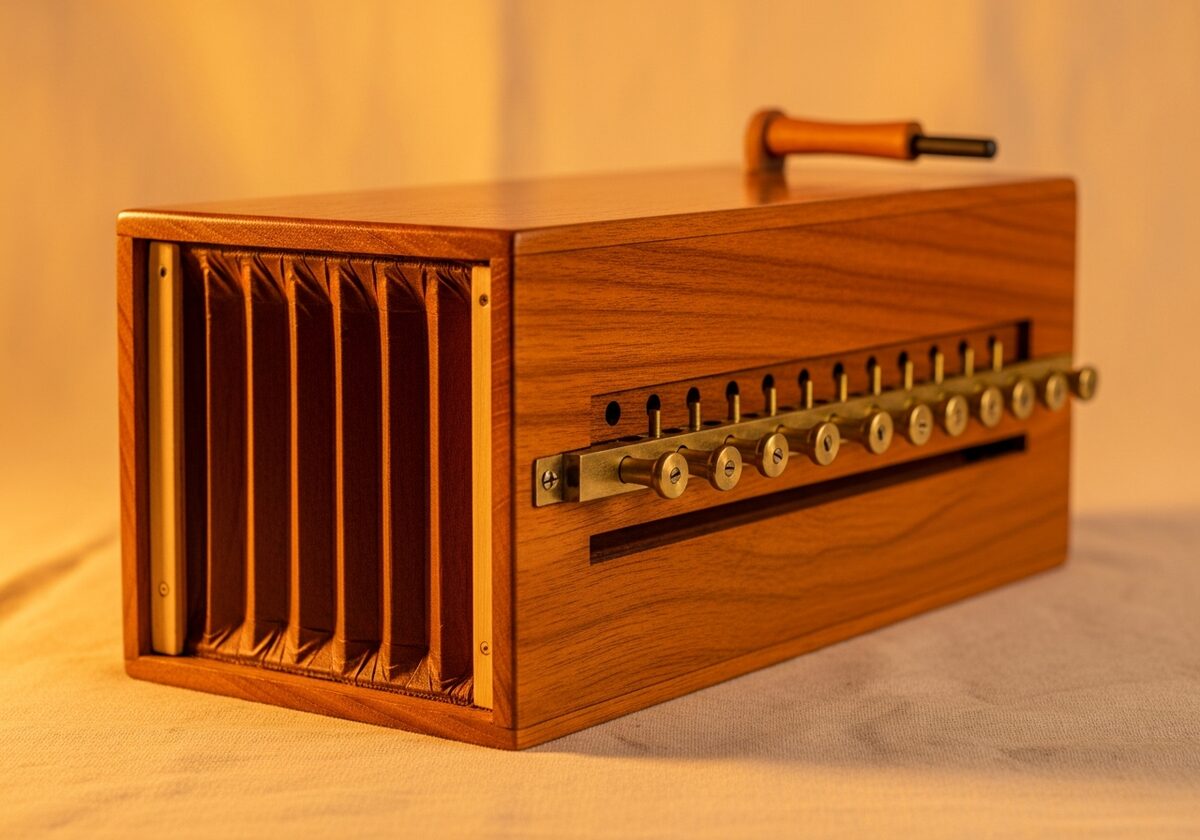
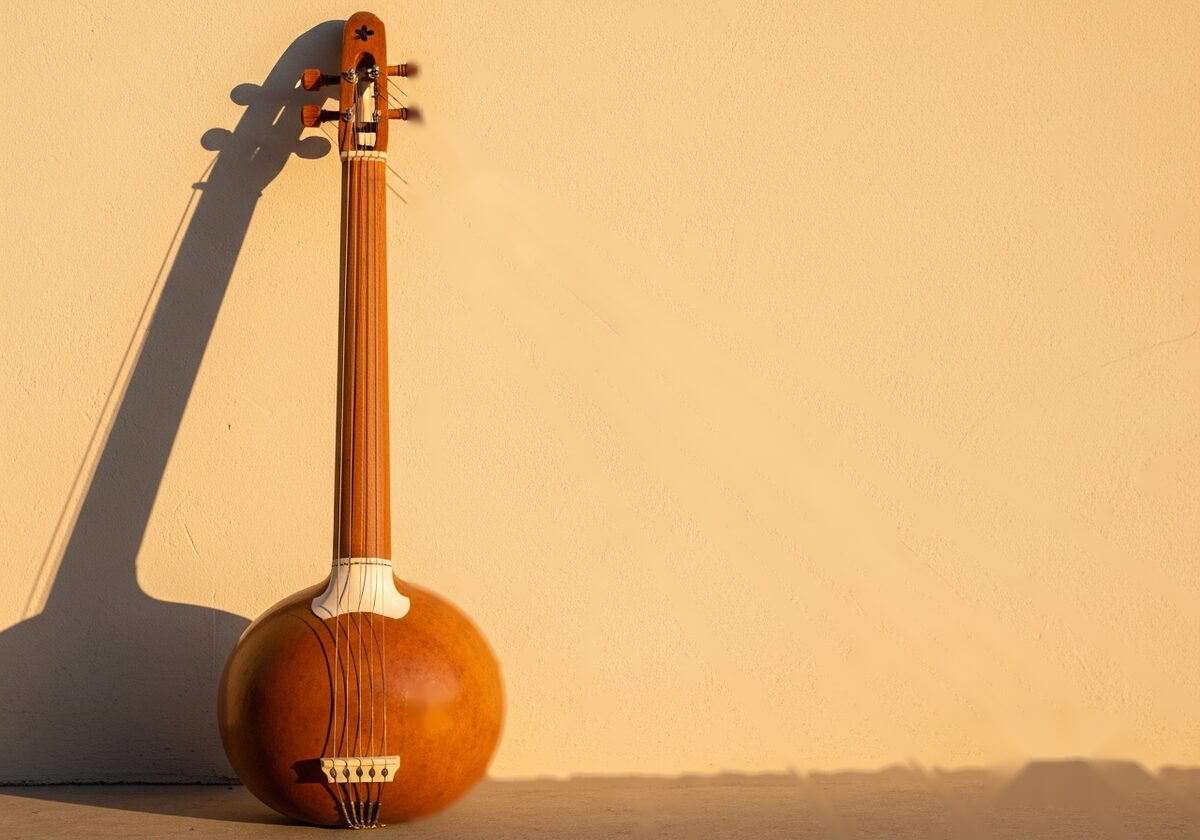
For Leaders
Chords and structure for leading this chant on harmonium or guitar — transcribed from the linked recording. New to leading? Read our guide to leading kirtan →
Original key
D
Tempo & feel
Flowing and unhurried (~63 bpm); phrase with the breath, one line per exhale
Chord Chart
Strumming & rhythm (4/4)
D = downstrum, U = upstrum, · = let it ring. two soft downs per bar under the long lines; phrase with the breath.
Call & Response Structure
Sung in unison rather than strict call-and-response: teach the four lines slowly first, then chant them together in long cycles (traditionally 3, 9, or 108 repetitions). Keep the D chord ringing as home base; the G and A chords simply color the ends of each line.
Terms in the Glossary
Words from this page, explained in our A–Z reference.