
ॐ त्र्यम्बकं यजामहे सुगन्धिं पुष्टिवर्धनम् | उर्वारुकमिव बन्धनान् मृत्योर्मुक्षीय माऽमृतात् ||
Mahamrityunjaya Mantra
Om Tryambakam Yajamahe Sugandhim Pushti-vardhanam | Urvarukamiva Bandhanan Mrityor Mukshiya Maamritat ||
Listen & Chant Along
Listen & chant along — performed by Deva Premal & Miten
"A healing prayer to Shiva for release from fear and death"

Meaning & Translation
Sanskrit
ॐ त्र्यम्बकं यजामहे सुगन्धिं पुष्टिवर्धनम् | उर्वारुकमिव बन्धनान् मृत्योर्मुक्षीय माऽमृतात् ||
Transliteration
Om Tryambakam Yajamahe Sugandhim Pushti-vardhanam | Urvarukamiva Bandhanan Mrityor Mukshiya Maamritat ||
Pronunciation
ohm tree-AM-bah-kam yah-JAH-mah-hey soo-GAN-dheem POOSH-tee-var-dhah-nam | oor-VAH-roo-kah-mee-vah ban-DHAH-nahn mrit-YOR-mook-SHEE-yah mah-AM-ree-taht
Deity / Quality Invoked
Shiva
Full Translation
We worship the three-eyed one (Shiva), who is fragrant and who nourishes all beings. As the ripe cucumber is freed from its vine, may we be freed from death for the sake of immortality — not from liberation itself.
Spiritual Significance
Often called the 'great death-conquering mantra,' it is chanted for healing, protection, and courage in times of illness, grief, or fear. Rather than asking to escape death, it asks for freedom from the fear that binds us to suffering, ripening the soul until it naturally releases into the eternal.
Traditionally Accompanied By
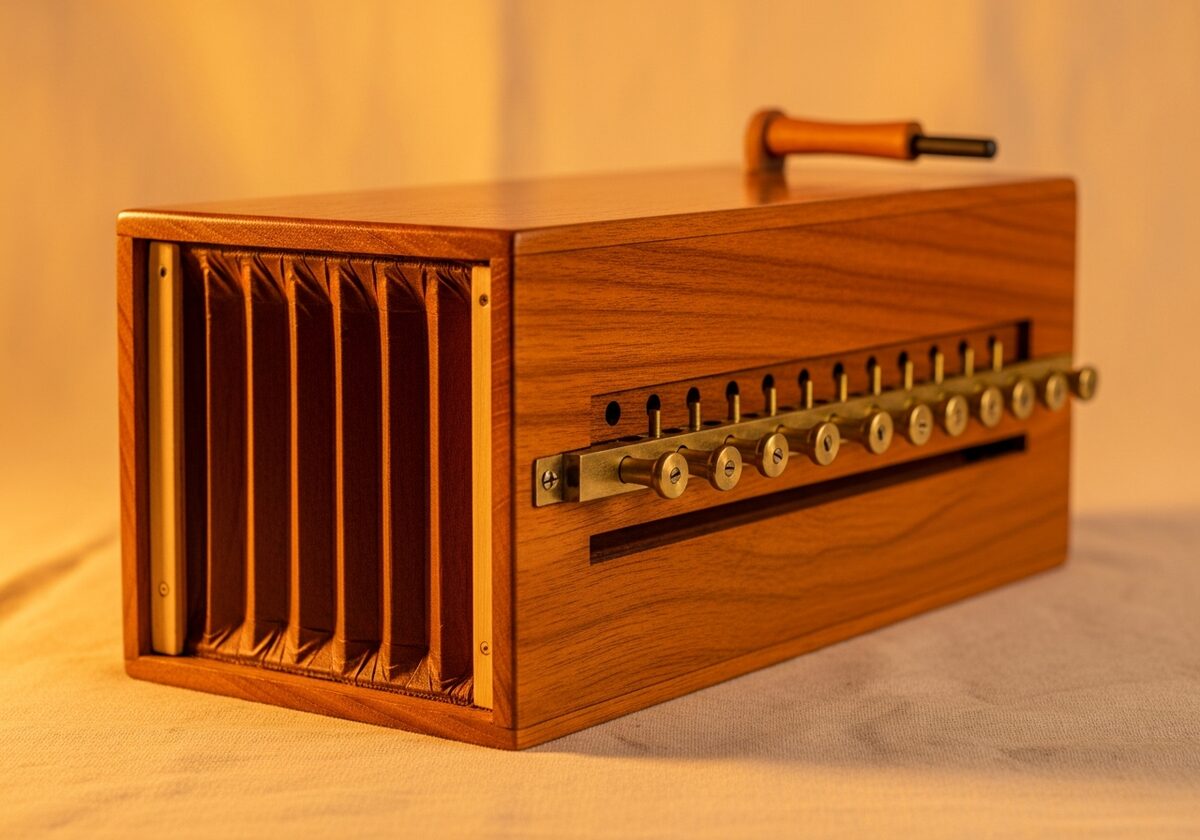
For Leaders
Chords and structure for leading this chant on harmonium or guitar — transcribed from the linked recording. New to leading? Read our guide to leading kirtan →
Original key
Am
Tempo & feel
Even and meditative (~86 bpm); one verse line per breath
Chord Chart
Strumming & rhythm (4/4)
D = downstrum, U = upstrum, · = let it ring. steady healing pulse: even boom-chick, no accents; trance over drama.
Call & Response Structure
Chanted in unison cycles, not call-and-response — the full four-line Vedic verse is one round. The whole mantra rocks between Am and F, one change per line; the only variation is the final line resolving home. Traditionally sung in long sets (108 or continuous); keep the pulse absolutely steady and let the text do the work.
Terms in the Glossary
Words from this page, explained in our A–Z reference.