
In the western Indian state of Maharashtra flows one of the oldest continuous kirtan lineages in the world. The Varkari ("pilgrim") tradition centers on Vitthal — a beloved form of Krishna who stands, hands on hips, on a brick in the temple town of Pandharpur — and on the wari, the great walking pilgrimage in which hundreds of thousands of devotees still stream toward Pandharpur every year, singing as they go. Their song is the abhang: a short, sturdy Marathi devotional verse form whose name means "unbroken."
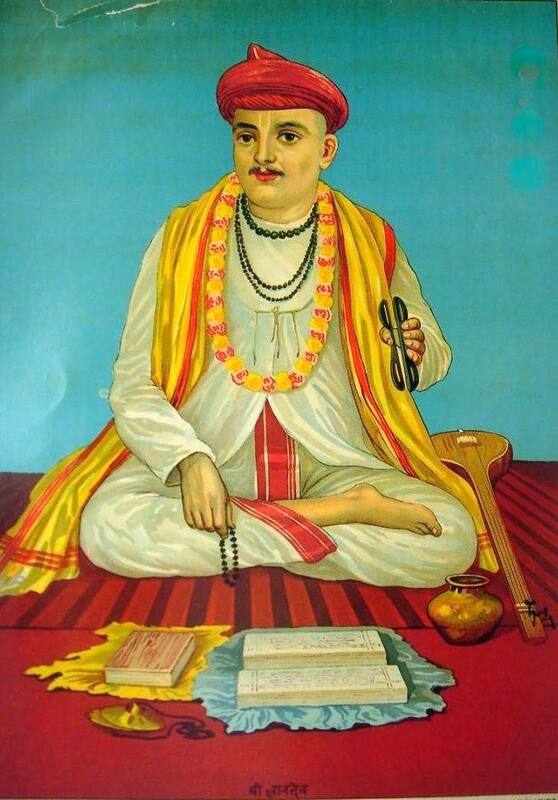
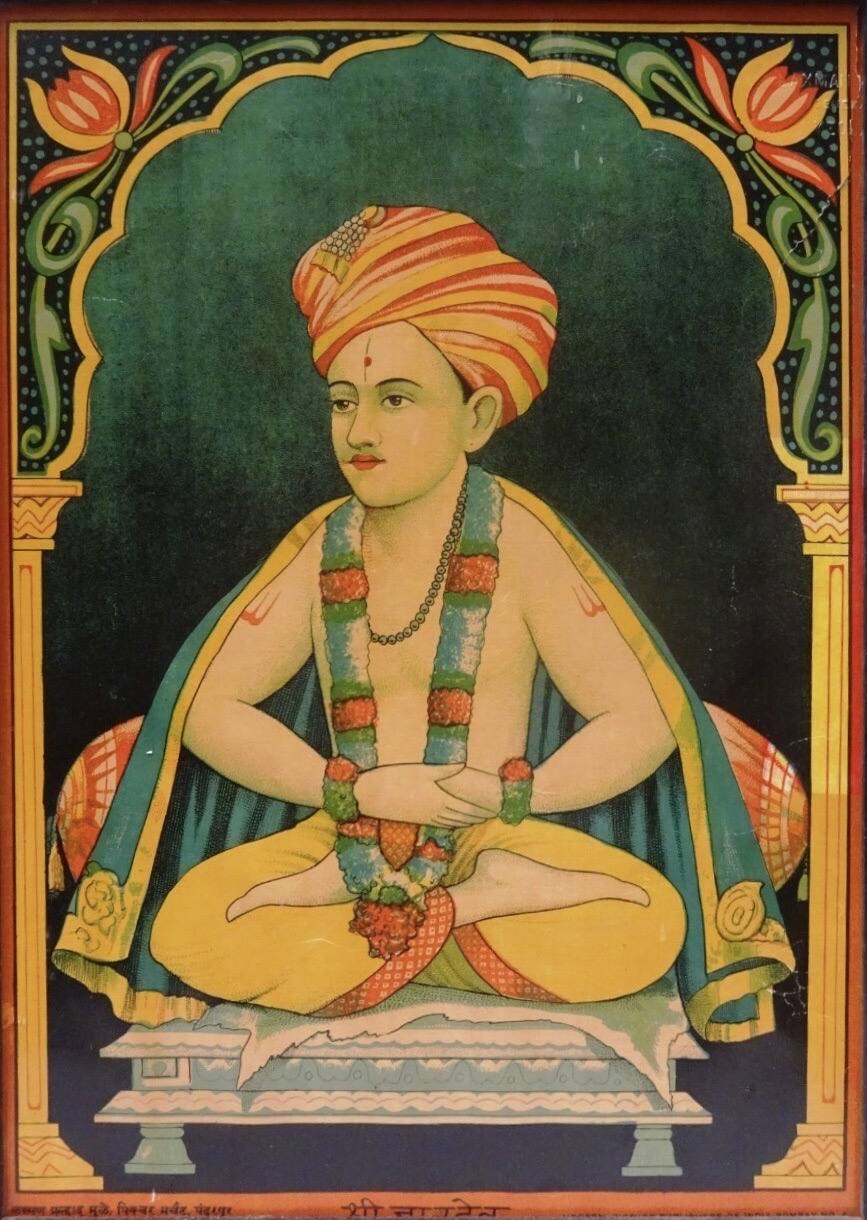
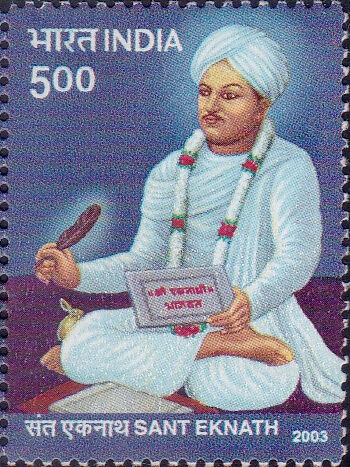
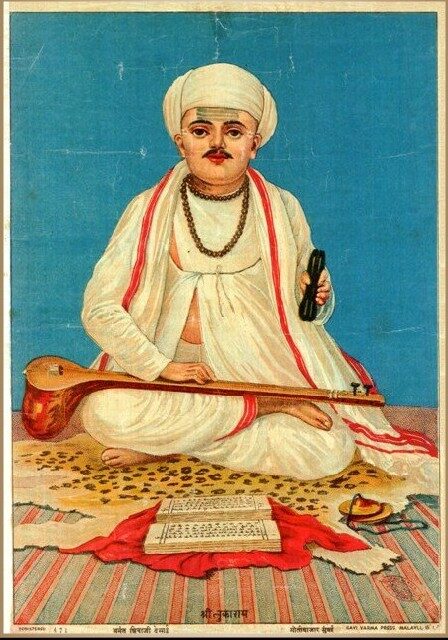
Its saints span five centuries. Dnyaneshwar, the thirteenth-century prodigy, opened the door by rendering the Bhagavad Gita's wisdom into Marathi in his Dnyaneshwari, insisting that the deepest teaching belonged in the people's own tongue. His contemporary Namdev, a tailor by birth, sang abhangs so beloved that some of his hymns were later included in the Sikh scriptures — an early bridge between this stream and Sikh Gurbani Kirtan. Eknath renewed the tradition in the sixteenth century, editing the Dnyaneshwari and composing bharuds — teaching songs in the voices of ordinary villagers. And in the seventeenth century came Tukaram, the grocer-poet of Dehu, whose thousands of abhangs are the summit of the form: blunt, tender, argued directly with God. The Varkari chant "Jai Jai Ram Krishna Hari" and the naming of Vitthal ring through all of them.
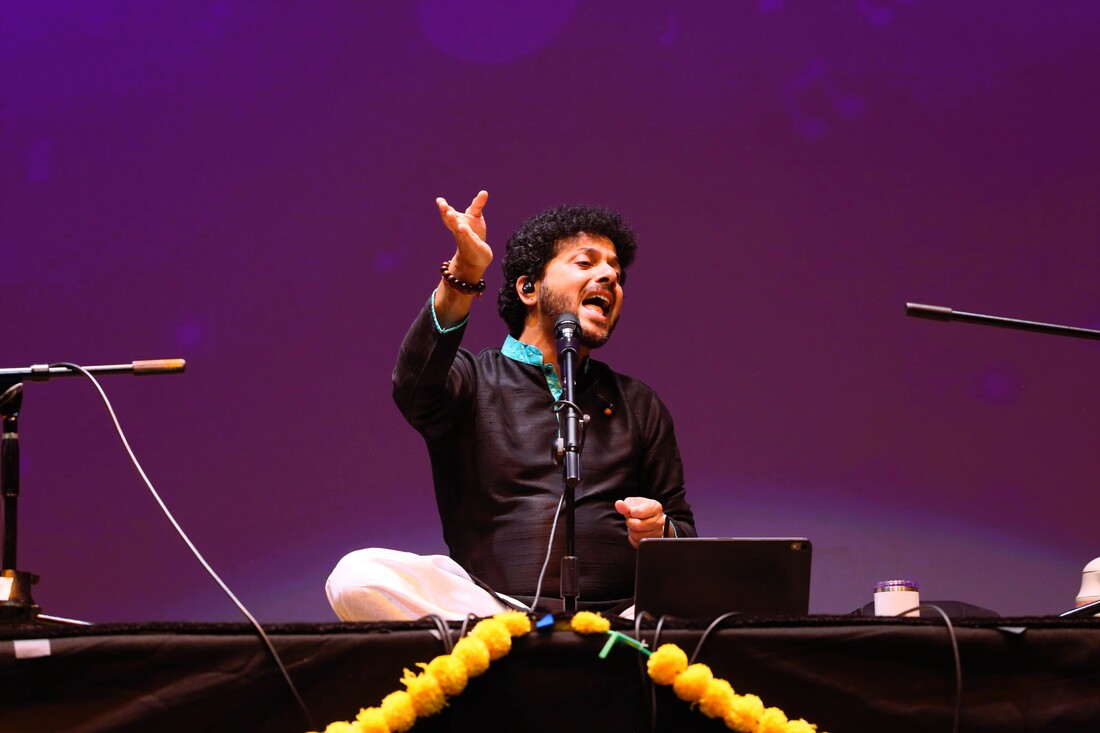
Maharashtra also gave kirtan one of its most distinctive performance forms. In naradiya kirtan — named for the celestial sage Narada, the archetypal kirtan singer — a single kirtankar weaves storytelling, philosophy, humor, and song into an evening built around a saint's verses; in varkari kirtan the whole gathering sings, with cymbals and the mridanga-like pakhawaj driving the chant. Between them they hold both poles of the practice found across this site: the artful solo telling (closer to the bhajan spirit) and the congregational roar (pure sankirtana).
Western chant gatherings rarely sing in Marathi, but this stream matters to any chanter's map: it is living proof that kirtan as a people's practice — sung on the road, in the fields, by farmers and tailors and grocers — has run unbroken for seven hundred years. The bhakti conviction at the heart of Western Kirtan — that anyone may sing to God, in any voice, in their own language — was argued and won on the road to Pandharpur.
Pioneers of This Lineage
Chants of This Tradition
Key Terms to Know
Abhang
The "unbroken" devotional song of Maharashtra's Varkari tradition — sung to Vitthal of Pandharpur by saints like Namdev and Tukaram, and still carried by millions of pilgrims on the annual wari walk to his temple.
Kirtan
Call-and-response devotional chanting of sacred names and mantras — the communal, musical heart of the Bhakti path.
Bhakti
Loving devotion to the Divine — the heart of kirtan and the central path of the Bhakti movement, prizing love and surrender over ritual and status.
Sankirtana
Congregational chanting of the holy names together — the public, communal form of kirtan championed by Chaitanya Mahaprabhu.
Harinam
The holy names of Hari (Krishna) — and the practice of chanting them, considered the most accessible spiritual practice of this age.
Vaishnava
A devotee of Vishnu and his forms such as Krishna and Rama — the tradition from which much of today's kirtan flows.