
South India carries the oldest continuous stream of sung devotion in the subcontinent. The Tamil Alvars and Nayanmars were singing ecstatic poetry to Vishnu and Shiva more than a thousand years ago — centuries before the Bhakti movement swept the north — and their hymns are still performed in the great temple towns today. Among them stands Andal, the girl-saint whose Tiruppavai remains one of the most beloved devotional poems in any Indian language.
From that root grew a lineage of singer-saints who turned devotion into a formal musical art. Annamacharya composed tens of thousands of sankirtanas to Lord Venkateswara at Tirupati. The Haridasa movement of Karnataka — heirs to the Dvaita philosophy of Madhvacharya — produced Purandara Dasa, remembered as the "grandfather of Carnatic music" for systematizing the exercises every South Indian music student still begins with. And in the town of Thiruvaiyaru, Tyagaraja — greatest of the Carnatic trinity — poured a lifetime of Rama-devotion into kritis that anchor the concert repertoire to this day.
In the Carnatic world the concert stage and the shrine have never been far apart: the kriti is simultaneously high art and prayer, built on raga and tala yet addressed to God. In the twentieth century M. S. Subbulakshmi carried that union to the world — from Madras concert halls to the United Nations — singing bhajans and kritis with a devotion so transparent that Gandhi said he would rather hear her speak the verses than hear anyone else sing them.
Chants like Om Namo Narayanaya and Om Namo Bhagavate Vasudevaya — mantras of Vishnu beloved across the Sri Vaishnava south — connect this stream to the wider mantra library, and its rhythmic vocabulary of swara and sargam shapes how Indian sacred music is taught everywhere.
Pioneers of This Lineage
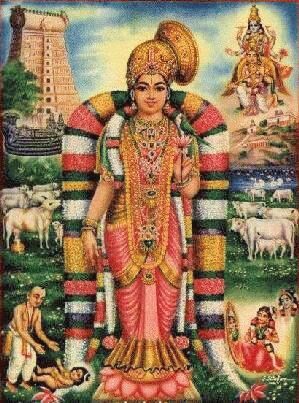
Andal
Alvar Poet-Saint of the Tiruppavai · 8th century
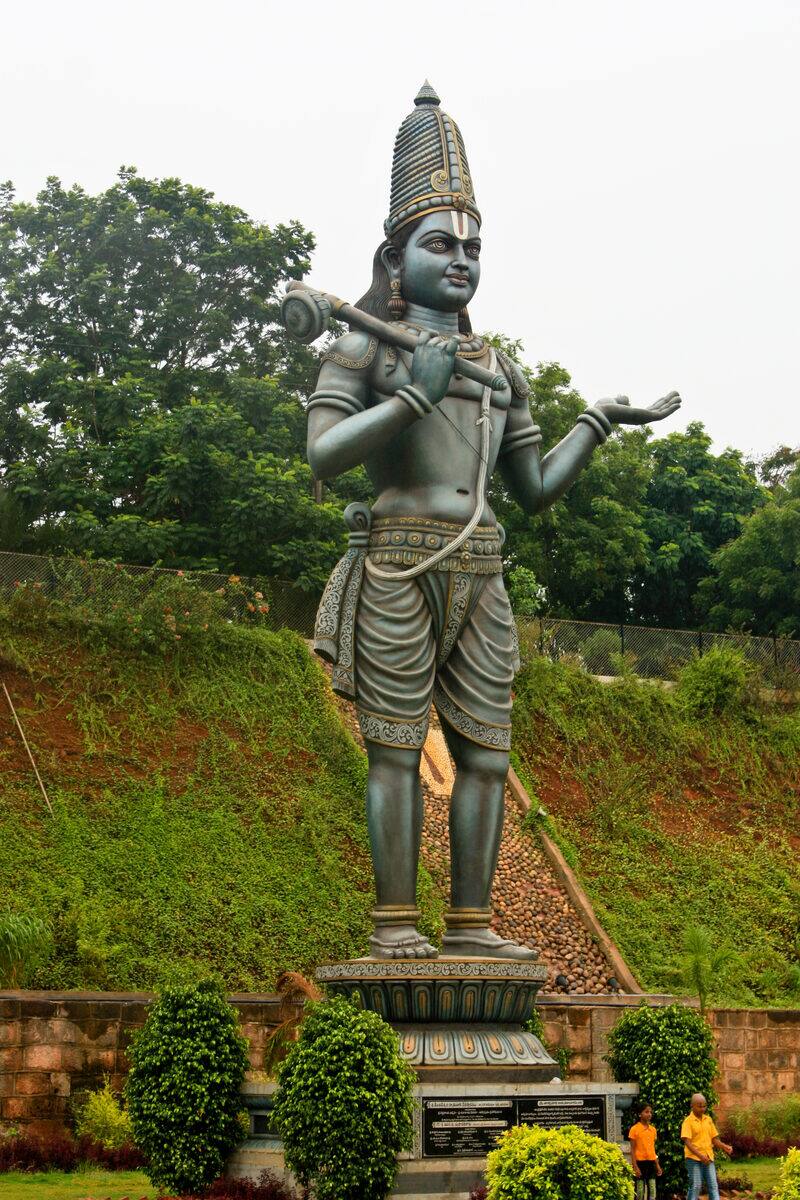
Annamacharya
Composer of 32,000 Sankirtanas to Venkateswara · 1408 – 1503
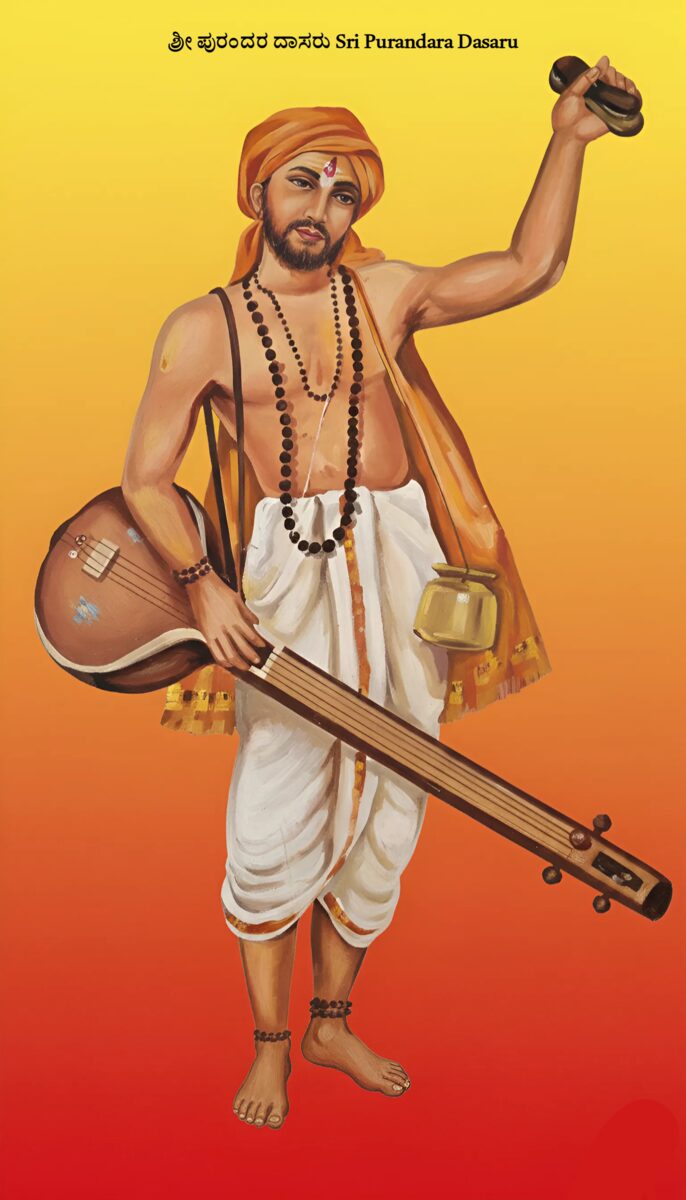
Purandara Dasa
Father of Carnatic Music & Wandering Haridasa · c. 1484 – 1565
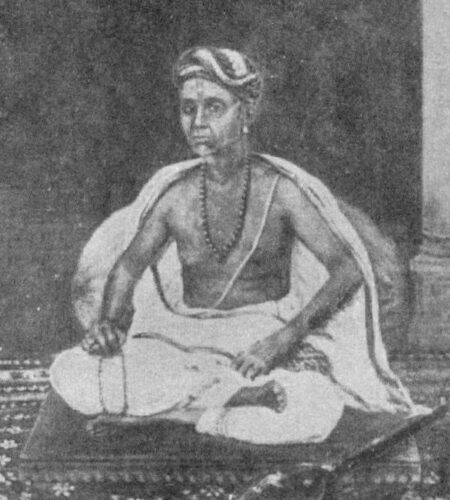
Tyagaraja
Saint-Composer of Carnatic Music · 1767 – 1847
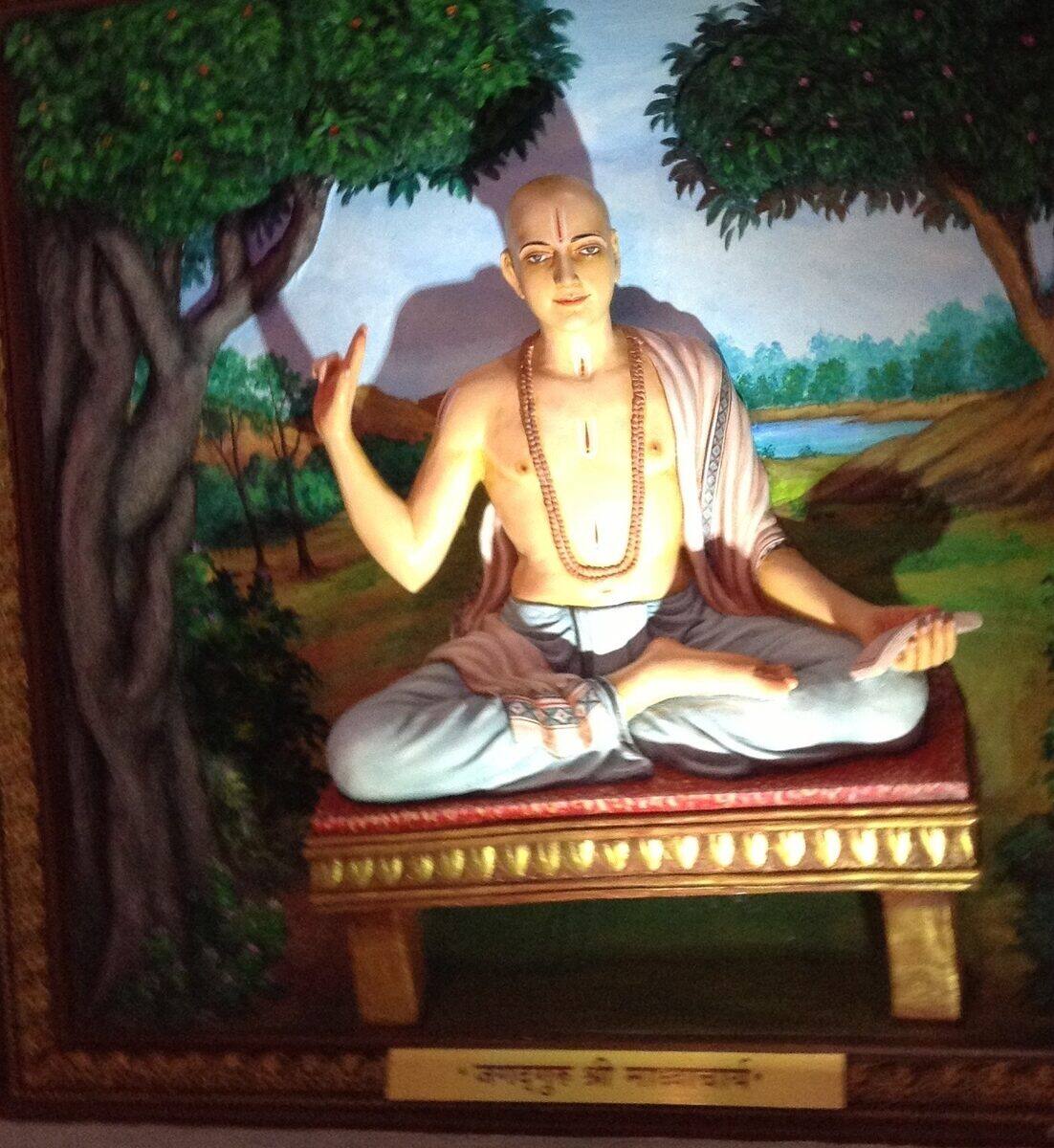
Madhvacharya
Founder of the Dvaita Vedanta Lineage · 1238 – 1317
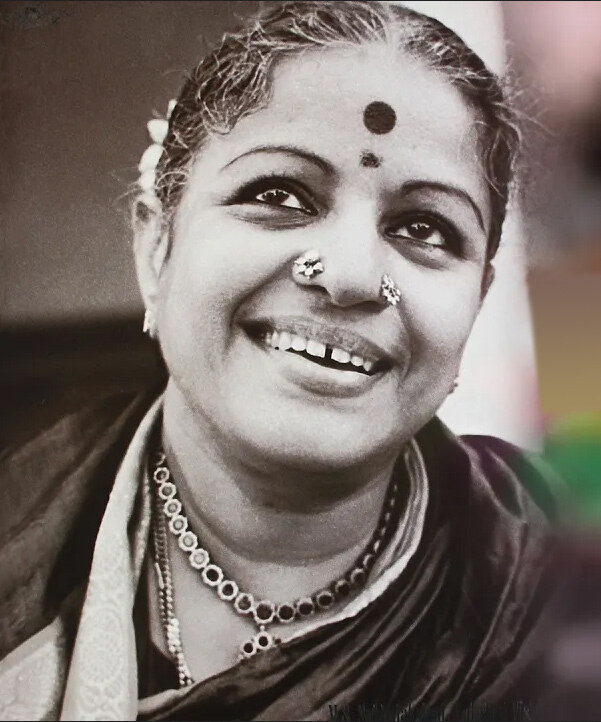
M.S. Subbulakshmi
Carnatic Legend Who Carried Bhajan to the World · 1916 – 2004
Chants of This Tradition
Key Terms to Know
Sankirtana
Congregational chanting of the holy names together — the public, communal form of kirtan championed by Chaitanya Mahaprabhu.
Raga
A melodic framework of Indian classical music — a palette of notes and moods that shapes how a chant is sung.
Tala
The rhythmic cycle underpinning Indian devotional music — a repeating pattern of beats, counted on the fingers and felt in the body, that the mridanga or tabla holds steady beneath a kirtan's melody.
Swara
A musical note — one of the seven tones of Indian music (sa, re, ga, ma, pa, dha, ni), the building blocks from which every raga and kirtan melody is made.
Sargam
The Indian solfège — singing the note names themselves (sa, re, ga, ma...) as a melody; the word is built from its own first four syllables, and it is how singers first learn a raga's shape.
Shruti
Literally "that which is heard": in music, the fine shades of pitch between notes — and the steady drone (as from a shruti box) that grounds a chant; in scripture, the revealed texts such as the Vedas and Upanishads.